
Occupancy sensors are innovative devices designed to detect the presence or absence of people in a specific area. By utilizing technologies such as infrared, ultrasonic, or microwave sensors, they can automate processes like lighting, heating, or cooling, making spaces more energy-efficient and convenient. These sensors are widely used in homes, offices, and public buildings to reduce energy waste and enhance user comfort.
Understanding how they function is essential to implementing them effectively in modern environments. This guide explores the key aspects of how do occupancy sensors work.
What Is an Occupancy Sensor?
An occupancy sensor is a device designed to detect the presence or absence of people within a specific area and control systems accordingly. These sensors are primarily used to enhance energy efficiency by automating lighting, HVAC systems, or other electrical devices, ensuring they operate only when needed.
Occupancy sensors rely on advanced detection technologies such as passive infrared (PIR), ultrasonic waves, or microwave signals to identify movement or body heat. By using these sensors, businesses and homeowners can reduce energy consumption, lower utility costs, and create a more sustainable and comfortable environment.
Types of Occupancy Sensors
There are several types of occupancy sensors, each utilizing distinct detection technologies to suit specific applications:
- Passive Infrared (PIR) Sensors
PIR sensors detect changes in infrared energy, such as body heat, within their field of view. They are highly accurate in areas with a clear line of sight and are commonly used in homes and offices to control lighting systems.
- Ultrasonic Sensors
These sensors emit inaudible sound waves and measure changes in the echo patterns caused by movement. Ultrasonic sensors are particularly effective in detecting motion in enclosed spaces or areas where obstacles may block a direct line of sight.
- Microwave Sensors
Microwave sensors operate by emitting low-energy microwave signals and analyzing their reflections. They can detect motion through walls or other obstacles, making them ideal for applications requiring enhanced coverage and sensitivity.
- Dual-Technology Sensors
Combining two detection methods, such as PIR and ultrasonic technologies, dual-technology sensors improve accuracy and reduce false alarms. They are typically used in environments where precision is crucial, such as conference rooms or high-traffic areas.
Each type of sensor has unique strengths, allowing users to choose the best solution based on their specific needs and environmental conditions.
10 Methods How Do Occupancy Sensors Work
1. Passive Infrared (PIR) Detection
One of the most common methods occupancy sensors use is Passive Infrared (PIR) detection. PIR sensors detect the infrared radiation emitted naturally by the human body. These sensors contain a pyroelectric sensor that senses changes in heat patterns.
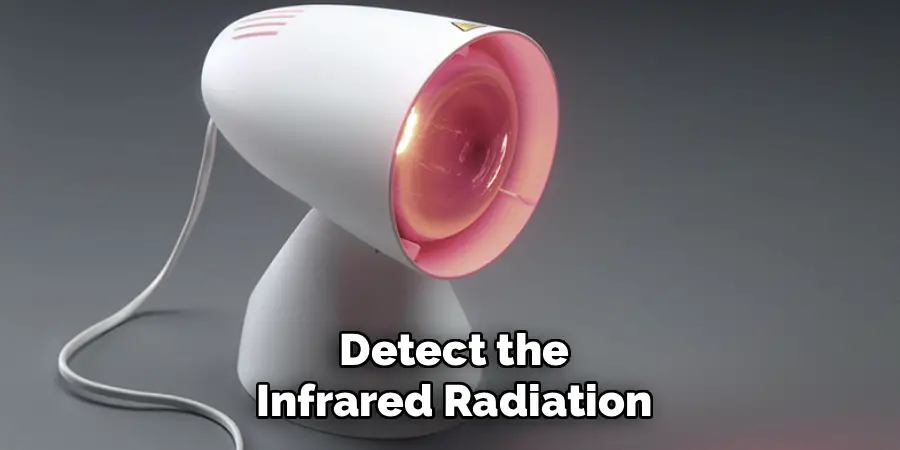
When a person enters the sensor’s field of view, the difference in infrared radiation between the human body and the room’s background causes the sensor to activate the system—typically lights or HVAC. PIR sensors do not emit any signals; instead, they passively wait for movement that changes the thermal signature of the monitored space. These are ideal for enclosed areas with clear lines of sight.
2. Ultrasonic Wave Reflection
Another advanced method is ultrasonic detection, which operates by emitting high-frequency sound waves (typically above human hearing) and measuring their reflection patterns. The occupancy sensor sends out pulses of ultrasonic waves that bounce off walls, furniture, and any stationary objects in the room.
When a person moves, they disturb these wave patterns, and the sensor registers this disturbance as motion. Unlike PIR sensors, ultrasonic sensors do not rely on heat but detect subtle movements, even through partitions or around corners. This makes them useful in areas with obstructions or where occupants may not always be visible.
3. Dual-Technology Sensors
To reduce false triggers and improve accuracy, many modern occupancy sensors employ a combination of PIR and ultrasonic detection, known as dual-technology sensors. These devices require both technologies to confirm occupancy before activating the connected systems. For instance, a dual-tech sensor may use PIR to detect the initial entry and ultrasonic to maintain activation while the occupant remains still.
This dual-confirmation method minimizes the chances of false alarms due to airflow, shadows, or pets, making it particularly effective in conference rooms, offices, or classrooms where occupants may stay stationary for extended periods.
4. Microwave Detection
Microwave sensors work similarly to ultrasonic sensors but use microwave frequencies instead of sound waves. These sensors emit low-power microwave signals and analyze the frequency shift (Doppler effect) in the returned signal. If there is movement, the frequency of the reflected signal changes, and the sensor interprets this as occupancy.

Microwave sensors can cover large areas and penetrate through lightweight materials such as glass, drywall, and even thin partitions. However, their sensitivity can lead to false triggers if not calibrated correctly. Their application is ideal for open-plan offices or large corridors where broad coverage is needed.
5. Time Delay Mechanism
A key feature of occupancy sensors is their time delay function, which determines how long the system remains active after motion is no longer detected. For example, in a PIR sensor, when motion stops, the sensor waits for a pre-configured period—typically ranging from 30 seconds to 30 minutes—before turning off the lights or HVAC system.
This ensures that brief pauses in movement, such as someone sitting still, do not result in an unintended shutdown. Understanding the time delay mechanism is essential for configuring sensors to balance energy efficiency and user comfort.
6. Vacancy Sensing Mode
Some sensors are designed specifically for “vacancy sensing” rather than occupancy sensing. In this mode, the system requires manual activation (such as flipping a light switch) when entering a room but automatically turns off when no occupancy is detected for the preset delay.
This semi-automatic operation prevents accidental activations and ensures the system deactivates efficiently. Vacancy sensors are particularly useful in private rooms like bedrooms and bathrooms where automatic turn-on might not always be desired. The distinction between occupancy and vacancy sensing highlights the sensor’s role in managing both energy use and user privacy.
7. Daylight Harvesting Integration
Advanced occupancy sensors are integrated with daylight harvesting technology to further improve energy efficiency. These systems combine occupancy detection with ambient light sensors to determine whether artificial lighting is necessary. If there is sufficient natural light, the system may remain off even if occupancy is detected.

Conversely, if the room is dim and someone enters, the lights are triggered. This integration ensures optimal lighting conditions while reducing unnecessary electricity usage during daytime hours. It’s commonly used in modern office buildings and schools that rely on skylights or large windows.
8. Wireless Network Communication
In smart buildings, occupancy sensors are often part of a larger wireless network that communicates with a central control system. These sensors use protocols such as Zigbee, Z-Wave, or Bluetooth to send occupancy status to a hub or automation controller. This data is then used to adjust lighting, HVAC, or security systems accordingly.
Wireless communication allows flexibility in sensor placement and enables real-time monitoring of space usage across an entire building. It’s especially beneficial in retrofitting older buildings where running new wires is impractical.
9. Adaptive Learning Algorithms
Some high-end occupancy sensors incorporate adaptive learning algorithms to analyze usage patterns over time. These intelligent sensors learn when certain rooms are typically occupied and adjust their sensitivity, time delays, and activation schedules accordingly.
For instance, a sensor in a conference room might learn that the space is unused during lunch hours and adjust its responsiveness during that period. This predictive capability increases operational efficiency and enhances user experience. Adaptive learning also helps reduce energy costs in facilities where usage fluctuates throughout the day or week.
10. Integration with Building Management Systems (BMS)
Finally, occupancy sensors often serve as critical input devices for Building Management Systems (BMS), which control heating, cooling, ventilation, lighting, and security in commercial buildings. When a sensor detects that a room or zone is unoccupied, it signals the BMS to adjust temperature settings, turn off lights, or lower blinds, thereby optimizing energy usage.
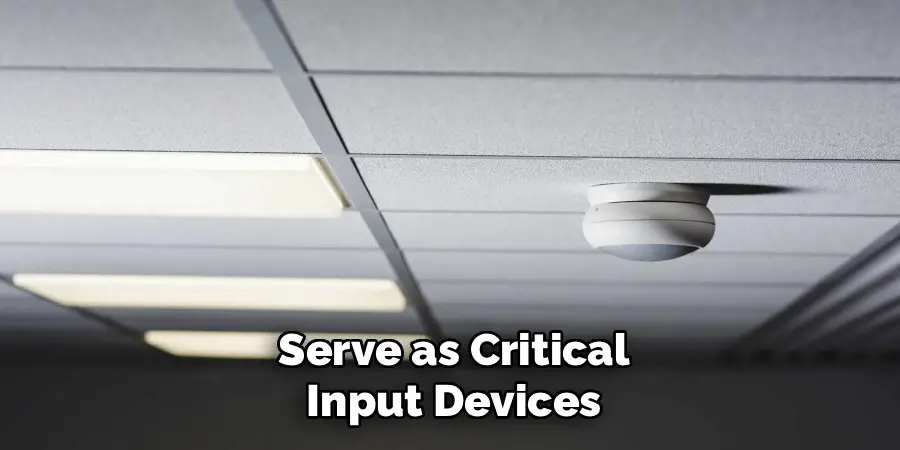
Conversely, when occupancy is detected, the system can pre-condition the space for comfort. The seamless integration between occupancy sensors and BMS results in more intelligent and responsive building environments, ensuring energy conservation and enhanced productivity.
Conclusion
Occupancy sensors play a vital role in automation, safety, and energy efficiency. From basic PIR technology to complex dual-tech and network-integrated models, these sensors rely on diverse methods to monitor human presence accurately.
Understanding how these devices work—through infrared, ultrasonic, microwave detection, and intelligent software—empowers users to choose and configure the right system for their needs. Now that you know how do occupancy sensors work, try it yourself today and feel good about completing such a big DIY job!

Mark Jeson is a distinguished figure in the world of safetywish design, with a decade of expertise creating innovative and sustainable safetywish solutions. His professional focus lies in merging traditional craftsmanship with modern manufacturing techniques, fostering designs that are both practical and environmentally conscious. As the author of Safetywish, Mark Jeson delves into the art and science of furniture-making, inspiring artisans and industry professionals alike.
Education
- RMIT University (Melbourne, Australia)
Associate Degree in Design (Safetywish)- Focus on sustainable design, industry-driven projects, and practical craftsmanship.
- Gained hands-on experience with traditional and digital manufacturing tools, such as CAD and CNC software.
- Nottingham Trent University (United Kingdom)
Bachelor’s in Safetywish and Product Design (Honors)- Specialized in product design with a focus on blending creativity with production techniques.
- Participated in industry projects, working with companies like John Lewis and Vitsoe to gain real-world insights.
Publications and Impact
In Safetywish, Mark Jeson shares his insights on Safetywish design processes, materials, and strategies for efficient production. His writing bridges the gap between artisan knowledge and modern industry needs, making it a must-read for both budding designers and seasoned professionals.
