
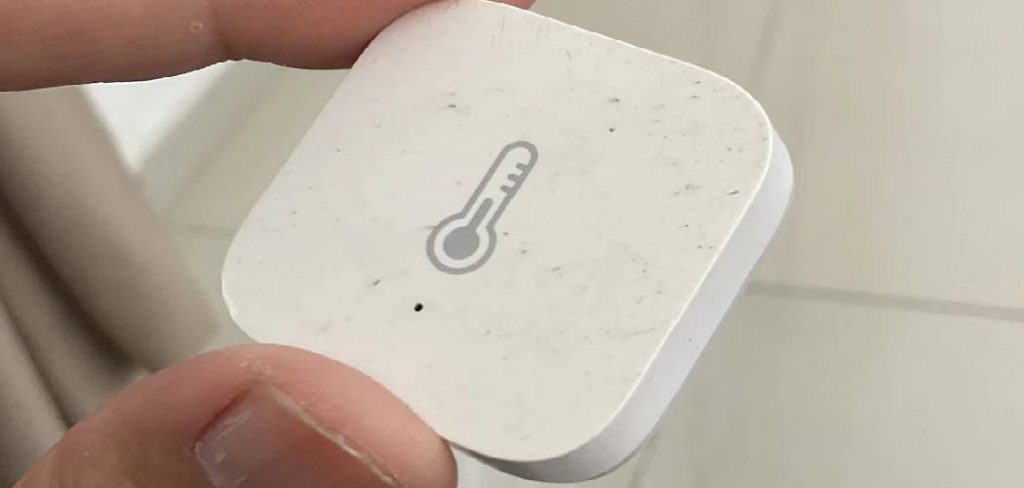
To ensure your Xfinity Window Sensor continues to function properly, it’s important to know how to change its battery when needed. A low battery can compromise the performance of the sensor, which is designed to alert you to any potential security concerns. This guide will walk you through the simple steps for how to change battery in xfinity window sensor efficiently.
Signs That the Battery Needs Replacing
It’s crucial to recognize the signs of a low battery to maintain the reliability of your Xfinity Window Sensor. Here are some common indicators that the battery may need to be replaced:
- Low Battery Notification: You may receive a notification on your Xfinity Home app or security panel indicating that the sensor’s battery is low.
- Delayed or Missed Alerts: If the sensor starts failing to send timely alerts or doesn’t respond as expected, a weak battery could be the issue.
- LED Indicator Light: Some sensors have an LED light that may blink or change color to signal a low battery.
- Reduced Sensor Range: A noticeable decrease in the sensor’s performance or range can also indicate that the battery is losing power.
If you notice any of these signs, it’s a good idea to replace the battery promptly to ensure your sensor continues to operate effectively.
Tools and Materials Needed
To replace the battery in your sensor, you will need the following items:
- Replacement Battery: Ensure you have the correct type of battery as specified in the sensor’s user manual.
- Small Screwdriver: Some sensors may require a small screwdriver, such as a Phillips or flat-head, to open the battery compartment.
- Soft Cloth or Gloves: To handle the sensor and battery without leaving smudges or oils.
- User Manual (Optional): Having the manual on hand can help guide you through the replacement process step-by-step.
Having these tools and materials ready will make the process quick and easy.
Safety Precautions Before Changing Battery
Before replacing the battery, it is essential to follow these safety precautions to ensure a smooth and secure process:
- Power Off the Sensor: Always turn off the sensor or device before attempting to replace the battery to avoid the risk of short circuits or electric shock.
- Use the Correct Battery Type: Double-check that the replacement battery matches the specifications in the user manual to prevent damage to the device.
- Avoid Mixing Old and New Batteries: If the device uses multiple batteries, replace all of them at the same time to maintain balanced power levels.
- Work in a Clean Environment: Ensure your work area is free from dust, moisture, or other contaminants that may affect the sensor or battery.
- Dispose of the Battery Properly: Follow local guidelines for disposing of used batteries. Do not throw them into regular trash as they may contain hazardous materials.
- Protect Against Static Discharge: Consider using an anti-static wrist strap or grounding yourself to prevent static electricity from damaging the device’s components.
By adhering to these precautions, you can safeguard both your device and yourself during the battery replacement process.
10 Methods How to Change Battery in Xfinity Window Sensor
1. Identifying the Correct Battery Type
Before attempting to replace the battery, it is essential to identify the correct type of battery your Xfinity window sensor uses. Most Xfinity sensors are powered by small coin-cell lithium batteries, commonly CR2032 or CR2450, but this may vary depending on the specific model. Refer to your sensor’s user manual or check the battery compartment for battery specifications. Using the correct battery type is crucial because incompatible batteries can damage the sensor or cause improper functioning.

2. Preparing the Tools and Workspace
Changing the battery in an Xfinity window sensor requires minimal tools, usually just a small flathead screwdriver or a plastic pry tool to open the battery compartment. Prepare a clean, well-lit workspace to avoid losing small parts and to work safely. It is helpful to have a soft cloth or tray to place screws or components during disassembly. Ensuring an organized workspace facilitates an efficient and damage-free battery replacement process.
3. Disarming the Security System or Bypassing the Sensor
Before handling the sensor, disarm your Xfinity security system or temporarily bypass the specific window sensor through the control panel or mobile app. This prevents accidental alarms from triggering during battery replacement and ensures the system does not register false alerts. Consult the Xfinity system instructions on how to bypass individual sensors if needed. Taking this precaution safeguards your system and reduces unnecessary disturbances.
4. Locating and Opening the Sensor’s Battery Compartment
Locate the battery compartment on your window sensor, usually found on the back or underside of the device. Depending on the model, the compartment may have a small screw securing the cover or a snap-on lid. Use the appropriate tool to carefully remove the cover without forcing or bending the plastic. If the cover is snap-on, gently pry it open using a flat tool, taking care not to damage the housing or internal components.
5. Removing the Old Battery Safely
Once the battery compartment is open, carefully remove the old battery using your fingers or a non-metallic tool to avoid short circuits. Note the battery’s orientation—usually indicated by a “+” sign facing up or down—so you can insert the new battery correctly. Dispose of the old battery responsibly by recycling it according to local hazardous waste regulations. Handling batteries with care prevents damage and environmental harm.
6. Inserting the New Battery Correctly
Insert the new battery into the compartment, ensuring that the positive and negative terminals align with the markings inside the sensor. Proper orientation is critical for the sensor to function. Press the battery gently but firmly into place so it makes good contact with the sensor’s terminals. Misalignment or loose batteries can lead to intermittent sensor failures or communication issues with the security panel.

7. Closing the Battery Compartment Securely
After placing the new battery, carefully close the battery compartment cover. If the cover uses a screw, replace and tighten it securely but avoid over-tightening, which could crack the plastic. For snap-on covers, press gently until the cover clicks into place. Ensuring the compartment is properly closed protects the battery and internal electronics from dust, moisture, and accidental dislodging, maintaining sensor durability.
8. Reconnecting and Testing the Sensor
With the new battery installed and the compartment closed, re-enable the sensor on your security system by rearming or removing the bypass. Test the sensor by opening and closing the corresponding window to verify that the sensor communicates correctly with the Xfinity control panel or app. The system should register the window opening and closing promptly, and no low-battery alerts should appear. This step confirms successful battery replacement and sensor functionality.
9. Monitoring Battery Life and Setting Alerts
After changing the battery, monitor the sensor’s battery status through the Xfinity app or control panel, which often provides battery life estimates and low-battery alerts. Setting up notifications ensures you are alerted in advance when the battery needs replacement again, preventing unexpected sensor failures. Regularly checking battery health as part of your home security maintenance schedule helps keep your system reliable.
10. Troubleshooting Common Issues Post Battery Replacement
If after replacing the battery the sensor fails to communicate or triggers false alarms, troubleshoot common issues. Verify the battery orientation and compartment closure, check that the sensor is properly aligned with the magnet on the window, and ensure the security system has the sensor properly enrolled. If problems persist, perform a sensor reset or contact Xfinity support for assistance. Addressing issues promptly maintains your security system’s integrity.

Maintenance and Upkeep
Regular maintenance of your security system ensures optimal functioning and reduces the risk of malfunctions. Begin by inspecting each sensor periodically for physical damage, loose components, or dirt buildup that could interfere with performance. Clean the sensors and surrounding areas gently using a soft, dry cloth to prevent dust or debris from affecting their sensitivity. It is also crucial to test your system routinely by verifying sensor responsiveness and communication with the control panel. Replace batteries as needed and keep spare batteries on hand for immediate use. Additionally, stay informed about software updates for your system, as these often include important patches or enhanced features. With consistent care, your security system will remain reliable and effective over time.
Troubleshooting Common Issues
When dealing with security system issues, a systematic approach can save time and ensure quick resolution. If your system is unresponsive, start by checking the power supply and ensuring all connections are secure. For wireless systems, verify the battery levels in both sensors and the control panel. Communication errors between devices may require restarting your system or checking for interference from other wireless devices. If false alarms occur frequently, inspect sensors for obstructions like dirt or loose fixtures and recalibrate their sensitivity if necessary. Should software glitches arise, updating your system to the latest firmware version often resolves the problem. If issues persist, consult your user manual or contact your system provider’s technical support team for expert assistance.

Conclusion
Changing the battery in an Xfinity window sensor is a simple yet essential maintenance task that ensures your security system continues to function reliably. Thanks for reading our blog post on how to change battery in xfinity window sensor! We hope you found it helpful and informative.

Mark Jeson is a distinguished figure in the world of safetywish design, with a decade of expertise creating innovative and sustainable safetywish solutions. His professional focus lies in merging traditional craftsmanship with modern manufacturing techniques, fostering designs that are both practical and environmentally conscious. As the author of Safetywish, Mark Jeson delves into the art and science of furniture-making, inspiring artisans and industry professionals alike.
Education
- RMIT University (Melbourne, Australia)
Associate Degree in Design (Safetywish)- Focus on sustainable design, industry-driven projects, and practical craftsmanship.
- Gained hands-on experience with traditional and digital manufacturing tools, such as CAD and CNC software.
- Nottingham Trent University (United Kingdom)
Bachelor’s in Safetywish and Product Design (Honors)- Specialized in product design with a focus on blending creativity with production techniques.
- Participated in industry projects, working with companies like John Lewis and Vitsoe to gain real-world insights.
Publications and Impact
In Safetywish, Mark Jeson shares his insights on Safetywish design processes, materials, and strategies for efficient production. His writing bridges the gap between artisan knowledge and modern industry needs, making it a must-read for both budding designers and seasoned professionals.
