
Your car’s Mass Air Flow (MAF) sensor plays a critical role in maintaining engine efficiency. It measures the amount of air entering your engine and helps the onboard computer adjust the fuel-to-air ratio. However, when the MAF sensor gets dirty, it can lead to issues like poor fuel efficiency, reduced performance, and even stalling. If you’ve noticed your car isn’t running as smoothly as it should, cleaning the MAF sensor could be the key to fixing the problem.
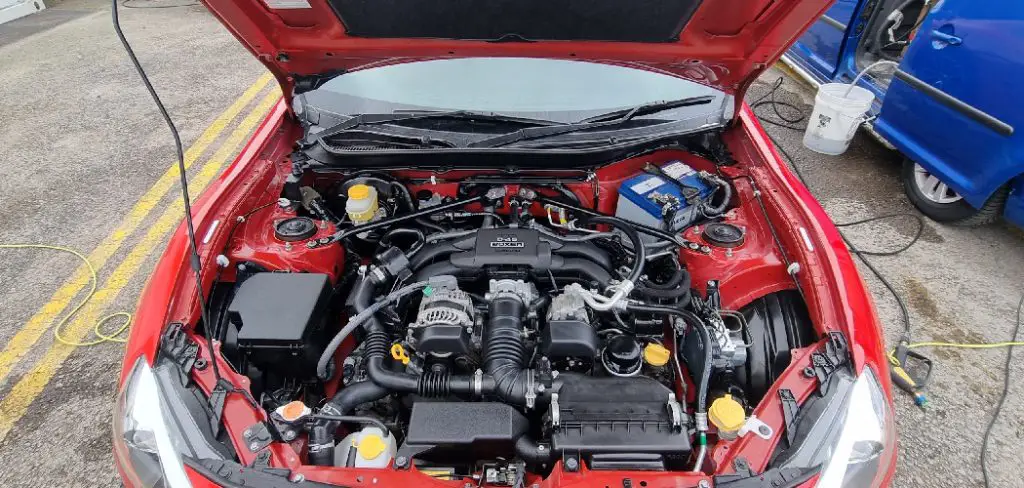
Before you begin cleaning your MAF sensor, gather the necessary tools and materials. You will need a specialized MAF sensor cleaner, which is designed to remove debris and grime without damaging the delicate components. Avoid using general-purpose cleaners as they can harm the sensor. Additionally, you’ll need a screwdriver to remove the sensor, gloves to protect your hands, and a clean, dry cloth for wiping surfaces if necessary. Ensuring you have the right tools beforehand will make the cleaning process more efficient and prevent potential issues.
This guide will walk you through how to clean a MAF sensor, ensuring your vehicle maintains optimal performance. With just a bit of effort and the right tools, you can restore your sensor and improve your car’s fuel economy and overall driveability.
Why Cleaning a MAF Sensor is Important
MAF sensors accumulate dirt, oil, and debris over time, which interferes with their ability to accurately measure airflow. This can lead to incorrect data being sent to your car’s computer, resulting in inefficient fuel combustion. Left unaddressed, a dirty sensor can cause long-term engine problems, reduced fuel efficiency, and even trigger your check engine light.
Cleaning your MAF sensor regularly helps maintain its functionality and avoids costly repairs. It’s a straightforward task that most car owners can perform at home with minimal tools. Regular maintenance not only keeps your engine running smoothly but also protects your wallet from unnecessary expenses.
To clean your MAF sensor, start by ensuring the engine is off and the car is parked in a safe, stable location. Locate the sensor, usually found between the air filter housing and the throttle body, and carefully disconnect the wiring harness. Remove the sensor from its housing, being cautious not to damage the delicate components. Use a dedicated MAF sensor cleaner to spray the sensor, avoiding direct contact or scrubbing as this can cause harm. Allow it to dry completely before reinstalling it, reconnecting the wiring, and securing everything in place. Regular cleaning can help optimize your vehicle’s performance and prevent unnecessary wear on the engine.
10 Step-by-Step Guide on How to Clean a MAF Sensor
Maintaining a clean MAF sensor can greatly improve your car’s performance. Follow the detailed steps below to clean it safely and effectively.
Step 1: Gather Your Tools and Supplies
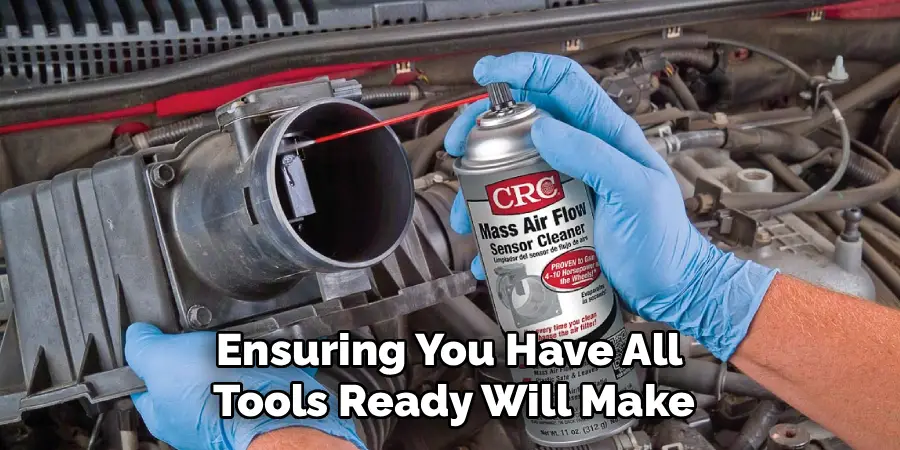
Before starting, prepare everything you’ll need. Obtain a MAF sensor cleaner (never use other cleaners as they can damage the sensor), a screwdriver, gloves, and a clean cloth. Ensuring you have all tools ready will make the process smoother.
Step 2: Identify the Sensor Location
Locate the MAF sensor under the hood of your car. Typically, it’s found between the air filter and the throttle body in the intake system. Consult your vehicle manual for precise guidance if you’re unsure. Knowing its exact position makes the job much easier.
Step 3: Disconnect the Sensor
Disconnect the battery to avoid accidental damage during the cleaning process. Next, unplug the electrical connector attached to the MAF sensor. Carefully loosen and remove the screws or clamps that hold the sensor in place. Always handle the sensor gently to prevent damage.
Step 4: Remove the Sensor from the Intake
Once disconnected, gently detach the MAF sensor from the intake tubing. Be cautious when handling it, as the sensor’s filaments are delicate. Avoid touching or dropping the sensor to prevent breakage.
Step 5: Inspect the Sensor
Examine the sensor for signs of dirt, oil, or debris build-up. Note its condition before cleaning, as heavy contamination may require multiple cleaning cycles. Identifying the problem areas ensures a thorough cleaning.
Step 6: Apply the MAF Sensor Cleaner
Hold the sensor upright and spray it generously with the MAF sensor cleaner. Be sure to apply the cleaner to all delicate parts inside the sensor, such as the filaments and sensor wires. Allow the cleaner to dissolve grime and dirt for a few minutes. Do not use compressed air or any other cleaning agents.
Step 7: Allow the Sensor to Dry
Set the sensor aside in a clean, dry space. Allow it to air-dry completely before reinstallation. This step is crucial, as any residual moisture can cause electrical issues. Drying typically takes about 20-30 minutes.
Step 8: Reinstall the Sensor
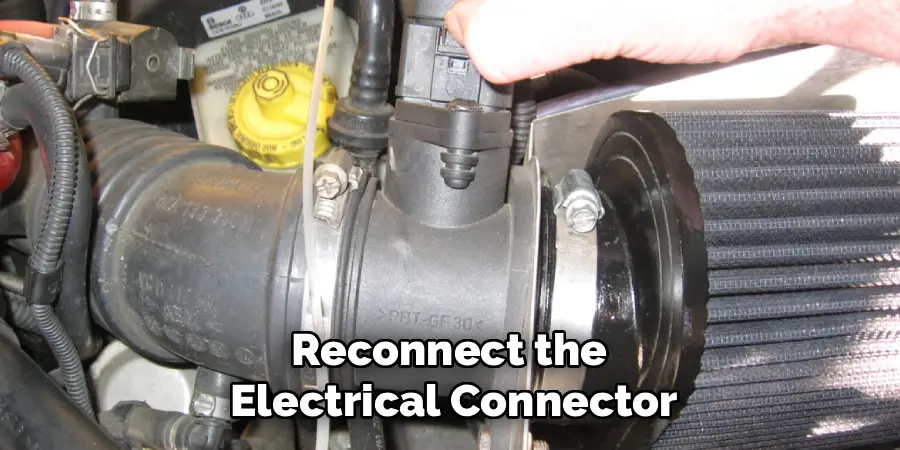
Once the sensor is dry, carefully place it back into the intake tubing. Secure it with screws or clamps, and reconnect the electrical connector. Double-check that all connections are tight and secure before moving on.
Step 9: Reconnect the Battery and Test
Reconnect the car battery and start the engine. Observe its performance during idling and driving. If the engine runs smoothly and the check engine light remains off, your cleaning has been successful.
Step 10: Monitor Performance
Over the coming days, monitor your vehicle’s fuel efficiency and overall performance. Cleaning the MAF sensor should result in noticeable improvements, especially in fuel savings and smoother driving.
Tools Required for Cleaning the MAF Sensor
To effectively clean the MAF sensor, you will need a few specific tools and materials to ensure the job is done safely and efficiently. Below is a list of essential tools required for the process:
- MAF Sensor Cleaner Spray: A specialized aerosol cleaner designed to remove dirt and residues from the sensor without causing damage. Avoid using regular cleaners, as they may leave residue or harm the delicate components.
- Screwdrivers: Depending on your vehicle, you may need a flat-head or Phillips-head screwdriver to remove the MAF sensor from its housing.
- Gloves: Disposable nitrile gloves are helpful to keep your hands clean and protect sensitive components from oils and dirt.
- Microfiber Cloth (Optional): Useful for gently cleaning around the sensor housing before reinstallation.
By using the correct tools, you can ensure that the MAF sensor cleaning process is both effective and safe for your vehicle’s performance.
Symptoms of a Dirty MAF Sensor
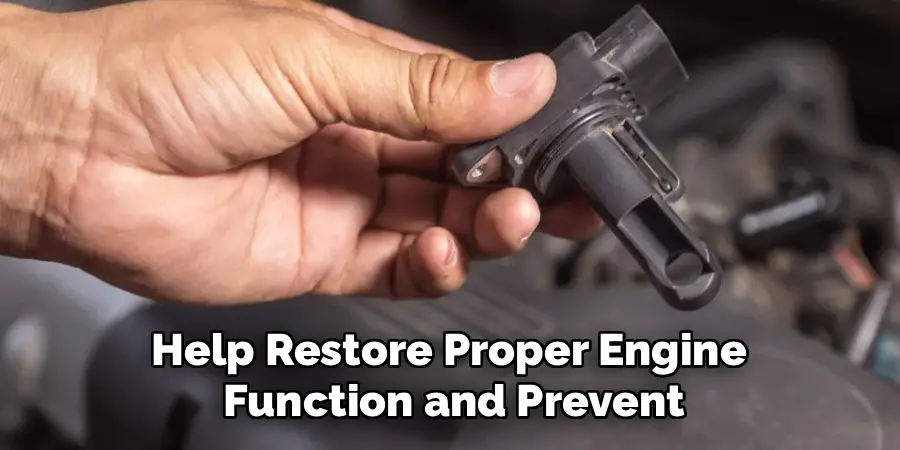
A dirty or faulty MAF sensor can lead to several noticeable issues with your vehicle’s performance. One of the most common symptoms is a reduction in engine efficiency, resulting in poor fuel economy. You may also experience rough idling or hesitation during acceleration, as the engine struggles to receive the correct air-fuel mixture. Additionally, a dirty MAF sensor can trigger the check engine light on your dashboard. Other signs include trouble starting the vehicle, stalling, or unusually rich or lean emissions. Addressing these symptoms promptly by inspecting and cleaning the MAF sensor can help restore proper engine function and prevent further complications.
Frequently Asked Question
What is a MAF sensor, and what does it do?
The MAF (Mass Air Flow) sensor is a critical component in your car’s air intake system. Its primary function is to measure the amount of air flowing into the engine and transmit that information to the engine control unit (ECU). This allows the ECU to adjust the fuel injection for optimal combustion, improving performance and efficiency. Without a functioning MAF sensor, your car may struggle with poor fuel economy or reduced engine power.
How often should you clean a MAF sensor?
Cleaning your MAF sensor every 12,000 to 15,000 miles is generally recommended. However, if you drive in dusty or harsh conditions, you may need to clean it more frequently. Regular maintenance keeps the sensor functioning optimally and prevents potential engine issues.
Can you drive with a dirty MAF sensor?
While it’s possible to drive with a dirty MAF sensor, doing so can lead to poor fuel efficiency, reduced engine power, and eventual damage to other components. Ignoring the issue could trigger your check engine light and result in costly repairs. Cleaning the sensor promptly ensures your engine operates smoothly.
Why should I use a specific MAF sensor cleaner?
MAF sensor cleaners are specially designed to remove dirt and oil without damaging the sensor’s delicate components. Using general-purpose cleaners can harm the sensor and compromise its effectiveness. Always choose a product labeled specifically for MAF sensor cleaning for the best results.
What are the common signs of a dirty MAF sensor?
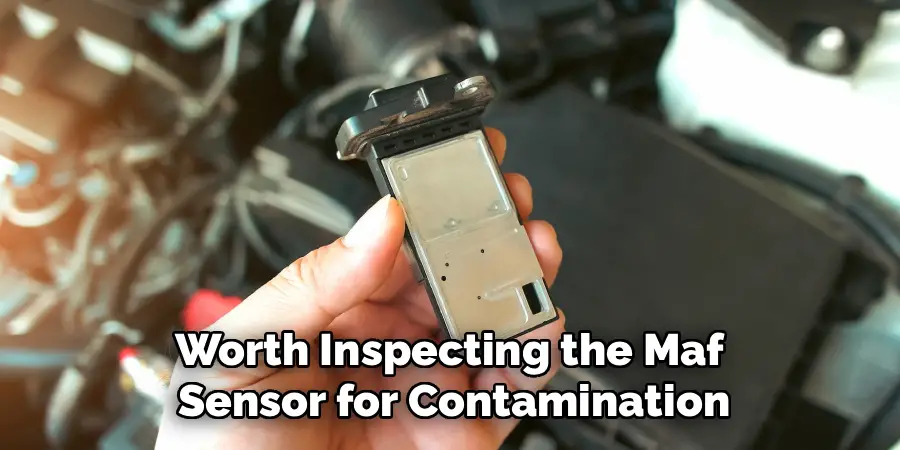
Common symptoms of a dirty MAF sensor include inconsistent engine performance, difficulty starting, reduced fuel economy, and stalling. If your car hesitates during acceleration or the check engine light is on, it’s worth inspecting the MAF sensor for contamination.
Conclusion
Cleaning your car’s MAF sensor is a simple yet vital maintenance task that can greatly enhance your vehicle’s performance and fuel efficiency. By following this guide on how to clean a MAF sensor, you can ensure your engine receives accurate airflow data, leading to smoother operation and potentially saving you money on fuel and repairs.
Regular maintenance of your car not only ensures its longevity but also prevents costly repairs down the road. By taking small proactive steps, such as cleaning the MAF sensor or checking other vital components, you can maintain optimal driving conditions and enjoy a safer, more efficient vehicle. Paying attention to these details helps keep your car running smoothly and gives you peace of mind on every drive.
Taking the time to clean your MAF sensor not only improves your driving experience but also prolongs the lifespan of your vehicle. Don’t wait for problems to arise—grab your tools and give your car the attention it deserves today!

Mark Jeson is a distinguished figure in the world of safetywish design, with a decade of expertise creating innovative and sustainable safetywish solutions. His professional focus lies in merging traditional craftsmanship with modern manufacturing techniques, fostering designs that are both practical and environmentally conscious. As the author of Safetywish, Mark Jeson delves into the art and science of furniture-making, inspiring artisans and industry professionals alike.
Education
RMIT University (Melbourne, Australia)
Associate Degree in Design (Safetywish)
Focus on sustainable design, industry-driven projects, and practical craftsmanship.
Gained hands-on experience with traditional and digital manufacturing tools, such as CAD and CNC software.
Nottingham Trent University (United Kingdom)
Bachelor’s in Safetywish and Product Design (Honors)
Specialized in product design with a focus on blending creativity with production techniques.
Participated in industry projects, working with companies like John Lewis and Vitsoe to gain real-world insights.
Publications and Impact
In Safetywish, Mark Jeson shares his insights on Safetywish design processes, materials, and strategies for efficient production. His writing bridges the gap between artisan knowledge and modern industry needs, making it a must-read for both budding designers and seasoned professionals.
