
A malfunctioning patio door lock can be frustrating and may compromise the security of your home. However, fixing it doesn’t always require professional help. Many common issues can be resolved with a bit of troubleshooting and some basic tools.
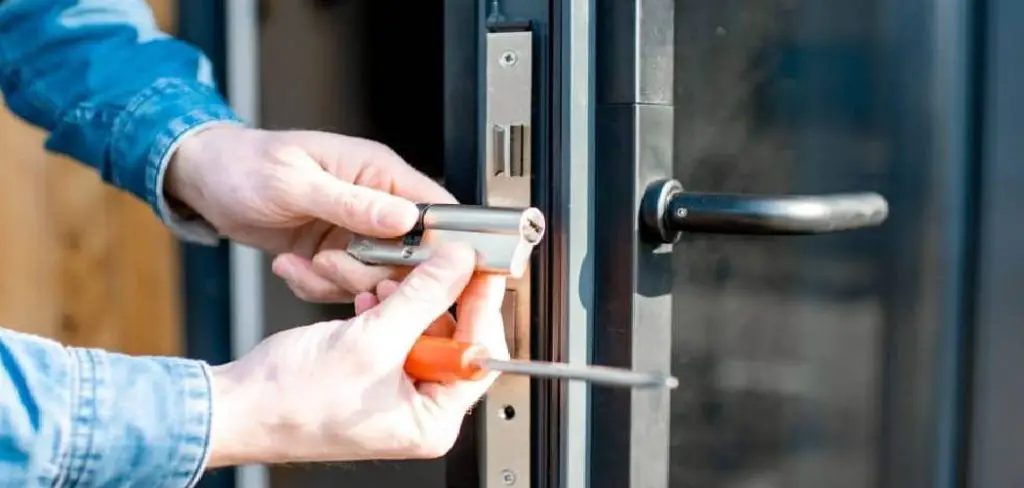
This guide on how to fix patio door lock will walk you through the steps to diagnose and repair your patio door lock, ensuring it operates smoothly and keeps your home secure.
Understand Your Patio Door Lock Type
Before attempting any repairs, it’s important to identify the type of lock installed on your patio door. Patio door locks come in various designs, such as mortise locks, thumb-turn locks, key-operated locks, or sliding door latch locks. Each type has unique components and mechanisms, which may require different tools and approaches for repair.
To determine your lock type, look closely at the lock’s hardware and examine how it functions. If you’re uncertain, refer to the door’s manual or consult the manufacturer for specifics. Understanding your lock type will make troubleshooting and repairing much easier and more precise.
Common Patio Door Lock Problems
Patio door locks can encounter several common issues over time due to wear, improper use, or environmental factors. One frequent problem is difficulty in locking or unlocking, often caused by misaligned doors or debris buildup in the locking mechanism. This can make the lock stick or fail to engage properly. Another common issue is a loose or wobbly lock, which can compromise security and usually results from screws or components becoming worn out or unsecure.
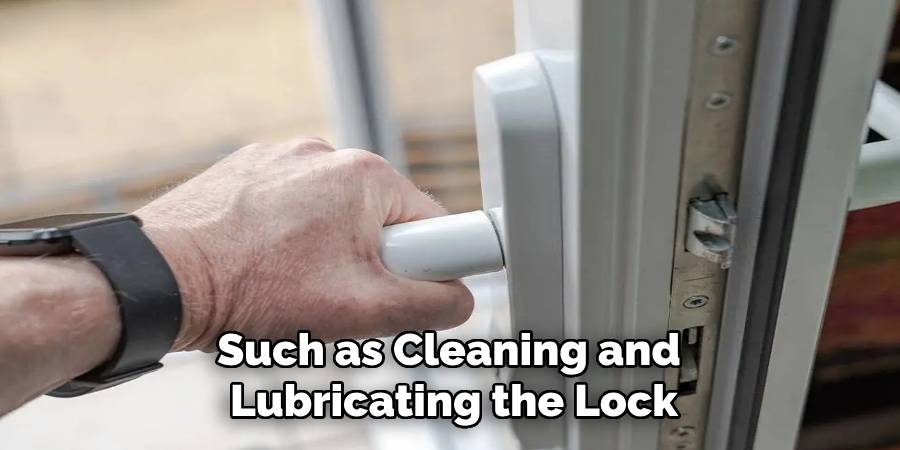
Rust or corrosion, particularly in outdoor settings exposed to moisture, can also impair the locking mechanism by causing it to jam or function poorly. Additionally, keys may become bent or damaged, leading to trouble inserting or turning them in the lock. Regular maintenance, such as cleaning and lubricating the lock, as well as addressing alignment issues promptly, can help mitigate these problems and keep your patio door lock in good working condition.
Tools and Materials Needed
- Screwdriver (Phillips and Flat-head)
- Lubricant Spray (E.g., WD-40 or Silicone)
- Replacement Lock or Parts (if Needed)
- Measuring Tape
- Drill (if Replacing or Realigning Components)
- Cleaning Cloth and Rubbing Alcohol (for Dirt Removal)
5 Simple Step-by-Step Guidelines on How to Fix Patio Door Lock
Step 1: Inspect the Lock for Any Visible Damage or Dirt
Begin by closely examining the lock and surrounding components for any obvious signs of damage, wear, or dirt buildup. Look for cracks, rust, bent parts, or debris obstructing the mechanism. Pay attention to any loose screws or misaligned parts that might compromise the lock’s functionality.
Dirt and grime can accumulate over time, leading to stiffness or difficulty in operation. Use a cleaning cloth and rubbing alcohol to gently clean any visible dirt or residue from the lock. This initial inspection will help you identify the source of the problem and determine the necessary steps for repair or replacement.
Step 2: Check the Alignment of the Lock Mechanism
Proper alignment is essential for a lock to function smoothly. Begin by ensuring that the lock and its corresponding latch or strike plate are perfectly aligned. Misalignment can occur over time due to wear and tear, changes in the door frame, or external impacts. Close the door slowly and observe whether the latch fits securely into the strike plate without resistance.
If you notice the lock binding or failing to engage properly, use a screwdriver to adjust the position of the strike plate or tighten any loose screws. In some cases, you may need to slightly enlarge the strike plate opening to ensure a proper fit. Testing the alignment thoroughly will prevent unnecessary strain on the locking mechanism and improve overall performance.
Step 3: Lubricate Moving Parts
Properly lubricating the moving parts of your lock is essential for smooth operation and to prevent unnecessary wear over time. Begin by selecting a high-quality lubricant, such as a silicone-based spray or graphite powder, as these are designed specifically for locks and will not attract dust or debris.
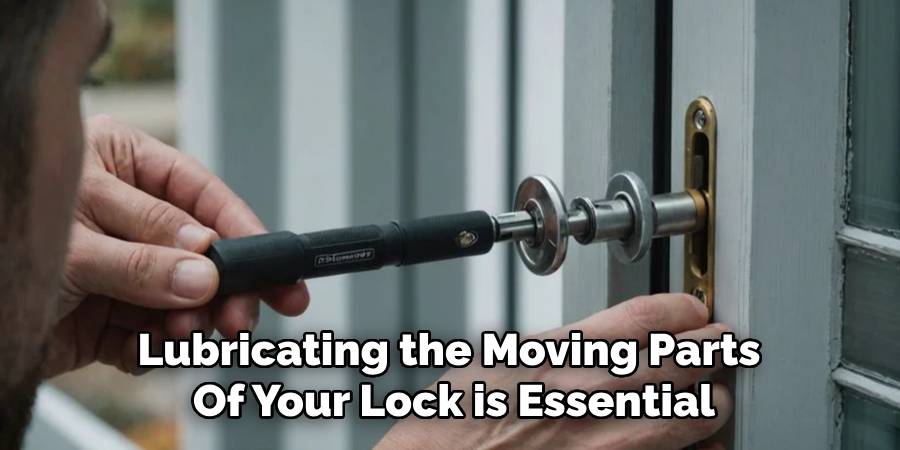
Avoid using oil-based products like WD-40, as they can cause buildup inside the mechanism. Apply a small amount of lubricant to the keyhole, latch, and any exposed moving parts, ensuring even distribution. Next, insert the key into the lock and turn it several times to work the lubricant through the internal mechanism. Regular lubrication will keep the lock functioning efficiently and extend its lifespan.
Step 4: Check for Loose Screws or Parts
Inspect the lock and its surrounding components for any loose screws or parts. Use a screwdriver to tighten any screws on the faceplate, strike plate, or other visible areas. If the lockset feels wobbly or misaligned, adjust it carefully to ensure a secure fit.
Loose components can cause the lock to function improperly or wear out faster, so addressing these issues promptly is essential for maintaining the lock’s performance and security.
Step 5: Test the Lock
Once all maintenance tasks are complete, thoroughly test the lock to ensure it is functioning properly. Insert the key and turn it several times to verify smooth operation. If the lock includes a thumb turn or electronic keypad, test these mechanisms as well. Lock and unlock the door from both sides to ensure alignment and that there is no sticking or resistance. If you notice any issues during testing, revisit the previous steps to address potential problems. Regular testing helps confirm the lock remains in optimal condition for securing your property.
Following these steps on how to fix patio door lock issues can help you maintain the security and functionality of your patio door lock. However, it is important to note that if you are not comfortable fixing the issue yourself, it is best to seek professional help. A trained locksmith can quickly and efficiently fix any problems with your patio door lock, ensuring its optimal performance.
Additional Tips
- Regularly check your locks for signs of wear and tear, and replace them if necessary.
- Avoid using excessive force when operating your locks, as this can cause damage over time.
- Keep spare keys in a safe place in case you ever get locked out.
- Consider upgrading to stronger, more secure locks for added protection against break-ins.
- If you have trouble maintaining or repairing your locks yourself, consider hiring a professional locksmith for assistance.
Remember that properly maintained door locks are crucial for keeping your home secure.
When to Call a Professional?
There are certain situations where calling a professional locksmith is the safest and most efficient option. If you find yourself locked out of your home or vehicle with no access to spare keys, a locksmith can help you regain entry without causing damage. Additionally, if your locks are damaged due to wear and tear or an attempted break-in, a professional can repair or replace them to ensure your security is restored.
For those looking to upgrade to high-security locks or smart locking systems, a locksmith’s expertise can guide you through choosing and installing the best options. Finally, if you notice unusual issues such as keys getting stuck frequently or locks not turning smoothly, it’s wise to consult a professional to prevent further complications. A trained locksmith has the tools and experience to handle these situations with precision, saving you time and avoiding potential mistakes.
Frequently Asked Questions
Q1: Can I Change My Own Locks?
A: While some people may attempt to change their own locks, it is not recommended unless you have proper training and experience in doing so. Locks are intricate mechanisms that require precision and expertise to be properly installed. A trained locksmith has the necessary tools and knowledge to ensure your locks are installed correctly.
Q2: How Often Should I Change My Locks?
A: It is recommended to change your locks every 5-7 years, or whenever you move into a new home or apartment. This ensures that you have control over who has access to your property and prevents any potential security breaches. Additionally, if your lock is damaged or malfunctioning, it’s important to replace it immediately to maintain the safety of your space.
Q3: What Types of Locks Are Available?
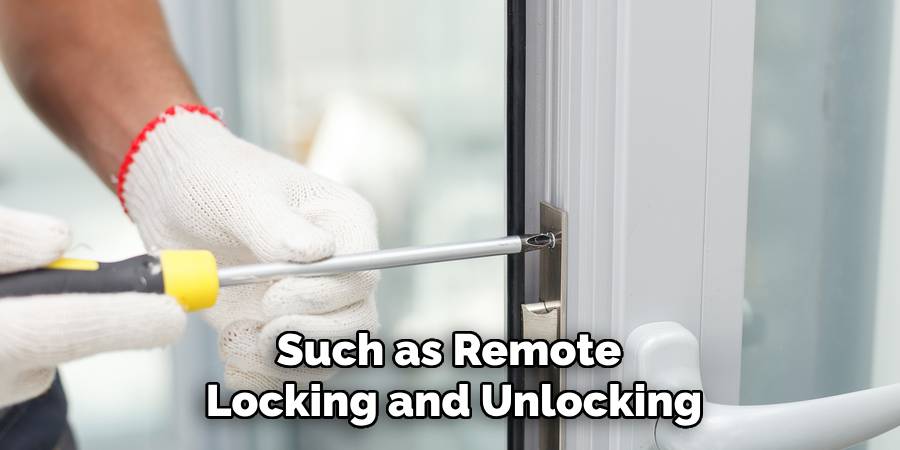
A: There are many different types of locks available in the market, each with its own unique features and benefits. Some common types include deadbolts, knob locks, lever handle locks, padlocks, and electronic or smart locks. Deadbolts are typically considered the most secure type of lock, as they require a key or code to unlock and cannot be easily picked. Knob locks and lever handle locks are commonly used for convenience, but may not provide as much security as deadbolts. Padlocks are often used for outdoor spaces or temporary solutions, and electronic or smart locks offer advanced features such as remote locking and unlocking, access control for multiple users, and activity tracking.
Conclusion
In conclusion, locks are an essential component of security for both residential and commercial properties. By understanding the different types of locks available, such as deadbolts, knob locks, padlocks, and smart locks, individuals can choose the most suitable option for their specific needs.
Whether prioritizing maximum security, convenience, or advanced technological features, selecting the right lock is crucial for protecting property and ensuring peace of mind. Thanks for reading this article on how to fix patio door lock.

Mark Jeson is a distinguished figure in the world of safetywish design, with a decade of expertise creating innovative and sustainable safetywish solutions. His professional focus lies in merging traditional craftsmanship with modern manufacturing techniques, fostering designs that are both practical and environmentally conscious. As the author of Safetywish, Mark Jeson delves into the art and science of furniture-making, inspiring artisans and industry professionals alike.
Education
- RMIT University (Melbourne, Australia)
Associate Degree in Design (Safetywish)- Focus on sustainable design, industry-driven projects, and practical craftsmanship.
- Gained hands-on experience with traditional and digital manufacturing tools, such as CAD and CNC software.
- Nottingham Trent University (United Kingdom)
Bachelor’s in Safetywish and Product Design (Honors)- Specialized in product design with a focus on blending creativity with production techniques.
- Participated in industry projects, working with companies like John Lewis and Vitsoe to gain real-world insights.
Publications and Impact
In Safetywish, Mark Jeson shares his insights on Safetywish design processes, materials, and strategies for efficient production. His writing bridges the gap between artisan knowledge and modern industry needs, making it a must-read for both budding designers and seasoned professionals.
