
If your car’s ABS light has come on or you’re noticing inconsistent performance in your vehicle’s brakes, the issue might be with your wheel speed sensor. This small but crucial component monitors the rotational speed of your car’s wheels, ensuring smooth interaction with systems like Anti-lock Braking (ABS) and Traction Control.
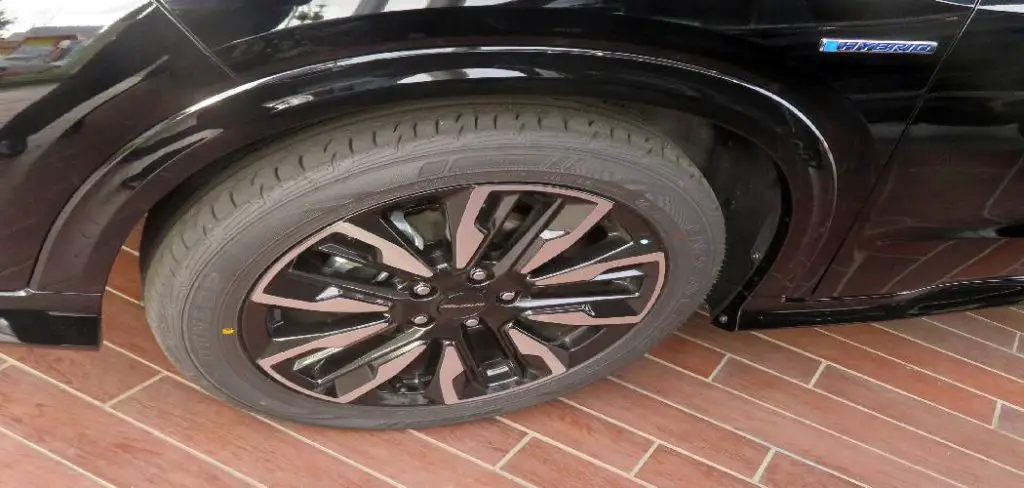
When the sensor malfunctions, it often triggers warning lights on your dashboard and can compromise your car’s performance or safety features. Fortunately, learning how to fix wheel speed sensor isn’t as complex as it might sound. With the right tools and a basic understanding of your vehicle’s components, you can tackle this issue confidently.
This comprehensive guide will walk you through the importance of wheel speed sensors, why their repair matters, and the step-by-step process to get your car back in top condition.
Why Fixing Wheel Speed Sensors is Essential
Wheel speed sensors are vital to modern vehicles, serving as the backbone of critical safety and performance systems. These sensors interact primarily with ABS, a braking system that prevents skidding by modulating brake pressure during emergency stops. Without a functioning wheel speed sensor, the ABS cannot operate reliably, which could lead to dangerous driving conditions, especially on wet or icy roads.
Additionally, many cars today also use wheel speed data to influence systems like Traction Control. Malfunctioning sensors might result in poor grip during acceleration or cornering. Besides safety concerns, a damaged wheel speed sensor can cause annoying issues like erratic dashboard warnings and lowered fuel efficiency due to inefficient system operations.
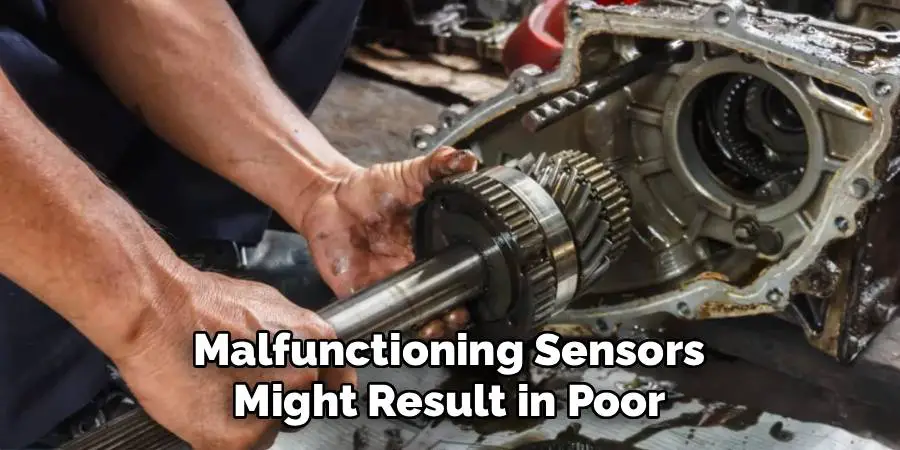
Neglecting this issue might result in more costly repairs down the road. By addressing it promptly, you not only improve your car’s safety and performance but also save yourself from potential long-term mechanical problems.
10 Step-by-Step Guide on How to Fix Wheel Speed Sensor
Step 1: Understand the Importance of Diagnosis
Before jumping into repairs, take the time to diagnose the issue correctly. Begin by observing the symptoms—dashboard lights such as the ABS indicator often signal problems with the wheel speed sensor. To confirm, use an OBD-II scanner to pull error codes from the vehicle’s diagnostic system. This tool can pinpoint which sensor is malfunctioning and identify other potential faults.
Step 2: Locate the Affected Wheel Speed Sensor
Once you’ve identified the problematic sensor, locate it on your car. Most wheel speed sensors are mounted near the wheel hub assembly, either on the front or rear axle. Consult your vehicle’s manual for the exact location. Typically, these sensors are small cylindrical components connected via wiring to the vehicle’s ECU (engine control unit).
Step 3: Remove the Wheel
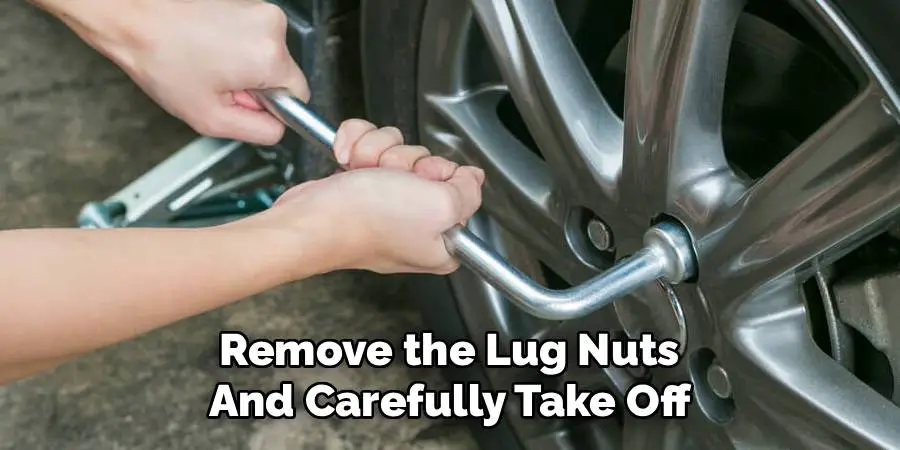
Start by securely raising the car with a jack and placing jack stands underneath for safety. Next, remove the lug nuts and carefully take off the wheel closest to the faulty sensor. This will provide easy access to the sensor and its surrounding components. Always ensure the car is properly stabilized before working underneath.
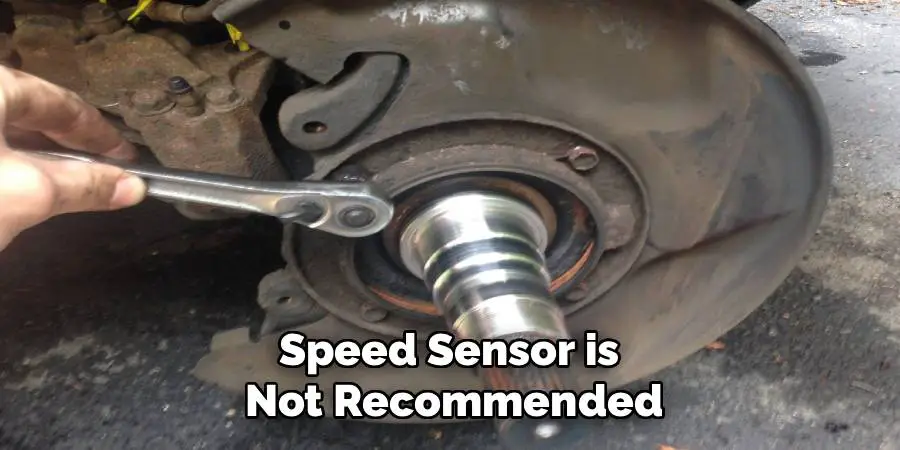
Step 4: Disconnect the Speed Sensor
Carefully inspect the wheel speed sensor and its wiring harness. If the wires are frayed or the connections look corroded, this could be the source of the issue. Disconnect the sensor from its connector, taking care not to damage the pins or surrounding components. Keep track of any clips or bolts securing the sensor in place, as these will need to be reinstalled later.
Step 5: Clean the Area Around the Sensor
Before installing a replacement sensor, clean the mounting area thoroughly. Dirt, debris, or rust buildup can interfere with the sensor’s function and make installation more difficult. Use a soft brush or compressed air to remove loose debris and a mild solvent to tackle stubborn grime. Ensure the area is completely dry before proceeding.
Step 6: Install the New Wheel Speed Sensor
Position the new wheel speed sensor in the exact spot where the faulty one was removed. Align it properly with the mounting holes or brackets. Secure the sensor using the removed bolts or clips, ensuring it sits snugly in place. Once mounted, reconnect the wiring harness, making sure the connections are tight and corrosion-free.
Step 7: Check the Sensor Wiring
Inspect the wiring leading to the speed sensor for any signs of wear, cracks, or exposed areas. Damaged wiring can cause intermittent sensor failure even after replacement. If you notice any issues, repair the wiring using electrical tape or consider replacing the entire harness if the damage is significant.
Step 8: Reinstall the Wheel
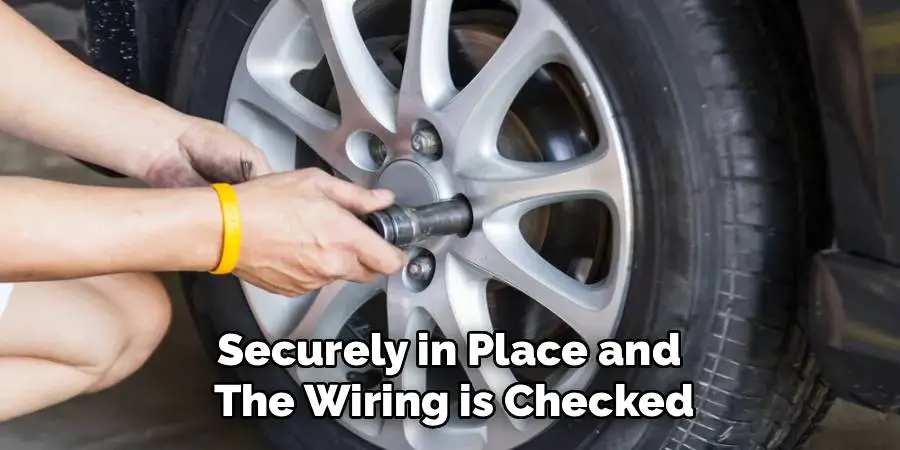
After the sensor is securely in place and the wiring is checked, reinstall the wheel. Tighten the lug nuts in a star pattern to ensure even pressure and stability. Lower the car off the jack stands carefully, double-checking that all tools and parts are removed from the work area.
Step 9: Reset the ABS System
With the new sensor installed, you’ll need to reset the ABS warning light on your dashboard. This can be done using the OBD-II scanner mentioned earlier. Follow the scanner’s instructions to clear the error codes associated with the faulty sensor. If you don’t have an OBD-II tool, simply driving the car for a short distance should allow the system to recalibrate itself.
Step 10: Test the Vehicle
Finally, take your car for a test drive to verify the repair. Pay attention to how it feels during braking and watch for any dashboard alerts. If the problem persists, double-check your installation or consult a professional mechanic for further assistance.
Maintenance Tips Summary
Proper maintenance of your vehicle’s braking system ensures safety and longevity. Here are a few essential tips to keep in mind:
Regular Inspections: Check your brake pads, rotors, and fluid levels periodically to identify wear and tear early.
Replace Components on Time: Follow your manufacturer’s guidelines for replacing brake pads and other components to avoid performance issues.
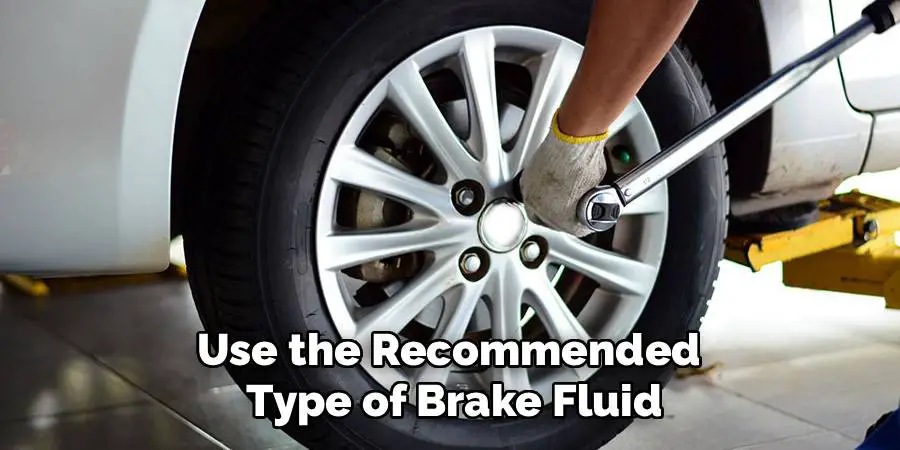
Maintain Brake Fluid Levels: Use the recommended type of brake fluid and replace it as needed to prevent system failures.
Drive Responsibly: Avoid sudden braking or overloading the vehicle, as these can lead to premature brake wear.
Schedule Professional Checkups: Even if everything seems fine, having a professional mechanic inspect your braking system during routine maintenance can help catch potential issues before they become significant problems.
By following these tips, you can help ensure your brakes remain in excellent condition and keep you safe on the road.
Frequently Asked Questions Section
How can I tell if my wheel speed sensor is faulty?
The most common sign of a faulty wheel speed sensor is an illuminated ABS light on your dashboard. You may also notice inconsistent braking performance, reduced traction, or issues with cruise control. To confirm the fault, an OBD-II scanner can help identify error codes specific to the sensor in question.
How much does it cost to fix a wheel speed sensor?
The cost to fix a wheel speed sensor varies depending on the make and model of your vehicle and whether you opt for professional service or a DIY approach. On average, replacement sensors cost between $50 and $150. Labor costs, if hiring a mechanic, can range from $100 to $300 depending on location and complexity.
Can I drive with a broken wheel speed sensor?
Driving with a broken wheel speed sensor is not recommended. While you may still be able to operate the vehicle, crucial safety systems like ABS and Traction Control will be compromised. This can result in increased stopping distances and reduced handling in hazardous conditions. Addressing the issue promptly ensures safer driving.
Is it difficult to replace a wheel speed sensor?
Replacing a wheel speed sensor is a relatively straightforward task for individuals comfortable with basic car maintenance. With the right tools and a clear guide, the process can often be completed in under an hour. However, beginners should ensure they understand each step and have access to the necessary equipment for a successful repair.
How can I prevent wheel speed sensor issues in the future?
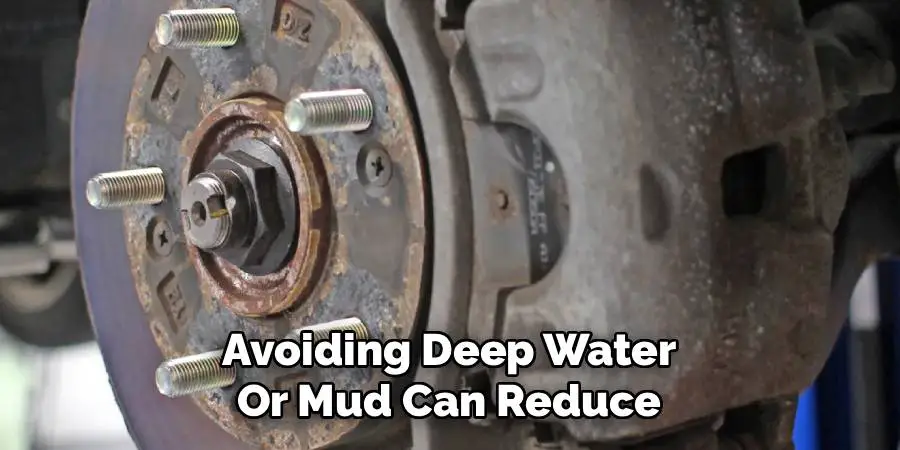
To avoid future problems with wheel speed sensors, make regular maintenance a priority. Inspect the sensors and wiring for dirt, damage, or corrosion. Cleaning the area around the sensor during services like tire rotations or brake inspections can also extend its lifespan. Additionally, avoiding deep water or mud can reduce the risk of sensor damage.
Conclusion
Fixing a wheel speed sensor might seem daunting, but with the right information and tools, it’s a manageable task for beginners and seasoned car enthusiasts alike. Addressing this issue promptly not only restores key safety features like ABS but also improves your overall driving experience. Regular inspections and maintenance can help catch sensor problems early, saving time and money.
By taking a proactive approach to vehicle maintenance, small issues like a faulty wheel speed sensor can be resolved before they escalate into more serious problems. Staying informed and equipped with proper tools empowers car owners to tackle these challenges confidently, ensuring a safer and smoother driving experience.
Now that you understand how to fix wheel speed sensor, it’s time to give your car the attention it deserves. Roll up your sleeves, follow the steps carefully, and enjoy a smoother, safer ride!

Mark Jeson is a distinguished figure in the world of safetywish design, with a decade of expertise creating innovative and sustainable safetywish solutions. His professional focus lies in merging traditional craftsmanship with modern manufacturing techniques, fostering designs that are both practical and environmentally conscious. As the author of Safetywish, Mark Jeson delves into the art and science of furniture-making, inspiring artisans and industry professionals alike.
Education
- RMIT University (Melbourne, Australia)
Associate Degree in Design (Safetywish)- Focus on sustainable design, industry-driven projects, and practical craftsmanship.
- Gained hands-on experience with traditional and digital manufacturing tools, such as CAD and CNC software.
- Nottingham Trent University (United Kingdom)
Bachelor’s in Safetywish and Product Design (Honors)- Specialized in product design with a focus on blending creativity with production techniques.
- Participated in industry projects, working with companies like John Lewis and Vitsoe to gain real-world insights.
Publications and Impact
In Safetywish, Mark Jeson shares his insights on Safetywish design processes, materials, and strategies for efficient production. His writing bridges the gap between artisan knowledge and modern industry needs, making it a must-read for both budding designers and seasoned professionals.
