
Installing a screen door latch is a straightforward process that can enhance both the functionality and security of your door. Whether you’re replacing an old latch or adding a new one, with the right tools and a little patience, you can complete the installation in no time.

This guide on how to install a screen door latch will walk you through each step, ensuring a proper fit and smooth operation for your screen door latch.
Types of Screen Door Latches
Screen door latches come in various types, each designed to suit different styles of doors and user preferences. Understanding the available options can help you choose the right latch for your needs:
Lever Latches
Lever latches are easy to operate and typically come with a handle on both sides of the door. They are a popular choice for their simplicity and ease of use.
Magnetic Latches
Magnetic latches rely on magnets to keep the door closed. These are often used for lightweight screen doors and are valued for their quiet operation and sleek design.
Push-Button Latches
Push-button latches offer a simple mechanism where the door is latched shut by pressing a button. These are ideal for easy, one-handed operation and are often found in residential settings.
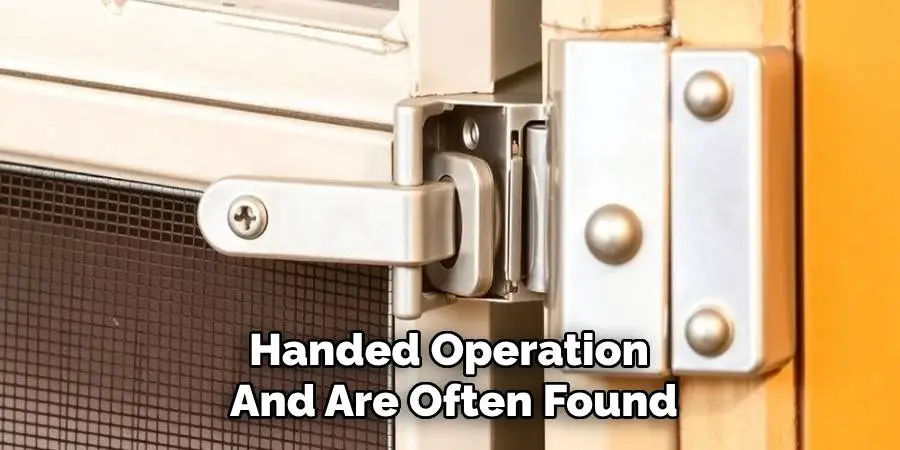
Sliding Bolt Latches
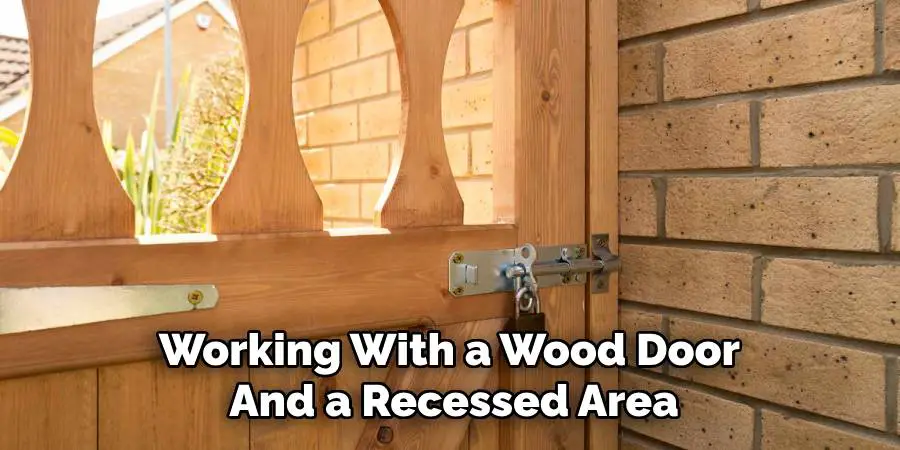
Sliding bolt latches provide a higher level of security by manually sliding a bolt into place. They are commonly used for extra durability and to secure doors against strong winds.
Hook-and-Eye Latches
Hook-and-eye latches are a traditional option, featuring a metal hook that fastens into an eyelet. While they are not as modern as other types, they are a cost-effective and reliable solution.
Choosing the right latch depends on the door’s design, the level of security needed, and your aesthetic preferences.
Tools and Materials Needed
- Screen Door Latch Kit (With Screws and Strike Plate)
- Measuring Tape
- Screwdriver or Drill
- Pencil or Marker
- Level (Optional)
- Safety Glasses (for Drilling)
- Chisel (for Wood Doors, if Recess is Needed)
5 Simple Step-by-Step Guidelines on How to Install a Screen Door Latch
Step 1: Prepare the Door
Begin by inspecting the door and frame to ensure they are in good condition and free from damage. Use a measuring tape to determine the proper height for the latch placement, typically aligning it with the existing latch on the main door for consistency. Mark the spot on the door and the frame with a pencil or marker, ensuring the positions are level.
If you’re working with a wood door and a recessed area is needed for the latch or strike plate, use a chisel carefully to create a smooth and even surface. This preparation ensures a proper fit and secure installation. Always wear safety glasses to protect your eyes during this step, especially if carving or drilling into the door.
Step 2: Measure for Placement
Accurate measurements are key to a successful installation. Begin by using a tape measure to determine the exact height at which you want to place the latch or lock. For standard installations, the center of the latch is typically positioned 36 inches from the bottom of the door, but it can be adjusted to fit personal preferences or accessibility needs.
Mark this point on the door edge and double-check its alignment with the strike plate on the door frame. Ensure all measurements are precise, as even small errors can cause misalignment, leading to difficulty in using the latch or lock once installed.
Step 3: Pre-drill Holes
Using the markings made in the previous step, carefully pre-drill pilot holes for the latch or lock. Select a drill bit that matches the size recommended by the manufacturer of the hardware you are installing. This step is crucial to avoid splitting the wood and to ensure smooth and accurate placement of screws.
Drill straight and at the correct depth, using the hardware template if provided, to guide the drilling process. Make sure the holes are aligned properly to accommodate both the latch mechanism and the screws needed for a secure installation.
Step 4: Install Latch
Insert the latch into the hole you drilled, ensuring that the beveled edge faces the correct direction for the door’s operation. Align the latch plate with the mortise, making sure it sits flush with the door’s surface.
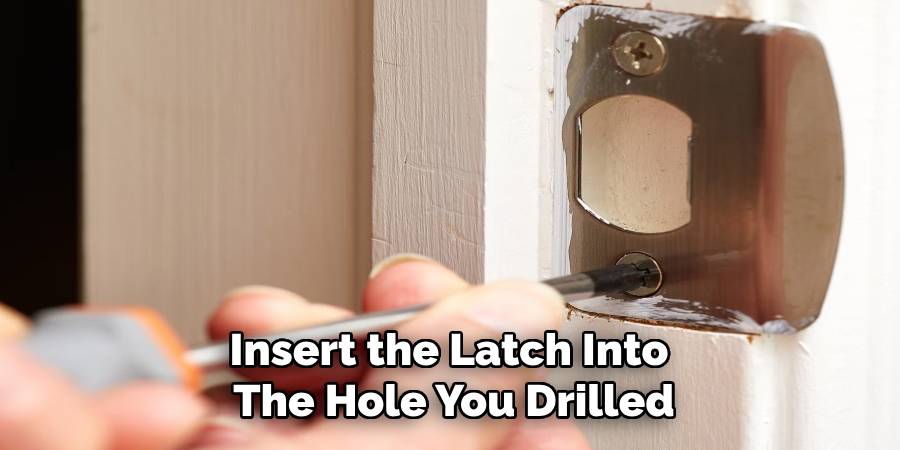
If necessary, use a chisel to adjust the mortise for a proper fit. Once aligned, secure the latch plate in place using the screws provided, tightening them carefully to avoid overstripping. Double-check that the latch moves smoothly when the door handle is operated, confirming a proper alignment and functional installation.
Step 5: Test the Latch
After securing the latch plate, it’s essential to test the latch to ensure it operates correctly. Slowly turn the door handle and observe the movement of the latch. It should glide smoothly without resistance. Close the door gently to verify that the latch aligns properly with the strike plate on the door frame. Open and close the door several times to confirm consistent functionality. If you notice any sticking or misalignment, make minor adjustments to the latch or strike plate as needed to achieve seamless operation.
Following these steps on how to install a screen door latch can help ensure proper functioning and longevity of your screen door. However, it is important to note that different types of screen doors may require specific latch installation methods, so always refer to the manufacturer’s instructions for best results.
Additional Considerations
- When purchasing a latch, make sure it matches your door’s existing hardware for a cohesive look.
- It may be helpful to have someone hold the latch in place while you install it to ensure accuracy.
- Regularly check and tighten any screws or hardware to maintain the latch’s effectiveness over time.
- If your screen door is frequently used, consider investing in a higher-quality latch for increased durability.
- Some latches may come with locks for added security, which can be useful if your screen door leads to an exterior area such as a porch or patio.
- For sliding screen doors, make sure to choose a latch specifically designed for this type of door and follow the manufacturer’s guidelines for proper installation.
- Keep small children in mind when choosing a latch – opt for one that is easy enough for them to use but still secure enough to prevent accidental openings.
Optional Upgrades or Accessories
Enhance your screen door functionality and aesthetic with a variety of optional upgrades or accessories. Some popular additions include:
Hydraulic or Pneumatic Door Closers:
These devices ensure your screen door closes smoothly and automatically, reducing wear and tear over time.
Decorative Handles or Latches:
Add a touch of style to your screen door with decorative hardware that complements your home’s design.
Weather Stripping:
Improve insulation and prevent drafts by installing additional weather stripping around your screen door frame.
Pet-Friendly Features:
Consider adding a pet door or pet-resistant screen material to accommodate furry family members while maintaining durability.
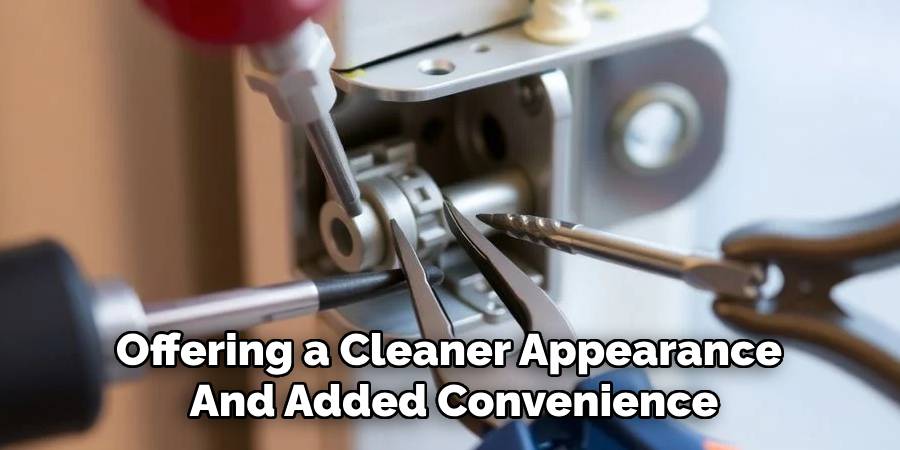
Retractable Screens:
For a more versatile option, retractable screens can be rolled away when not in use, offering a cleaner appearance and added convenience.
These upgrades not only improve the overall performance of your screen door but also add flair and functionality tailored to your specific needs.
Maintenance Tips
Proper maintenance can significantly extend the lifespan of your screen door and keep it functioning optimally. Here are some key tips to follow:
Regular Cleaning:
Wipe down the frame and screen with a soft cloth and a mild soap solution to remove dirt, dust, and debris.
Lubricate Moving Parts:
Apply a silicone-based lubricant to the hinges or tracks to ensure smooth operation and prevent squeaking.
Inspect for Damage:
Periodically check for tears or holes in the screen and repair them promptly to avoid further damage.
Tighten Loose Components:
Check screws or fasteners on the frame and handle, tightening them as needed to maintain stability.
Protect Against Weather:
If exposed to extreme weather, consider using a protective cover or retracting the screen when not in use to prevent wear and tear.
By incorporating these simple maintenance practices, you can ensure your screen door stays reliable and looks great for years to come.
Frequently Asked Questions
Q: How Often Should I Clean My Screen Door?
A: It is recommended to clean your screen door at least once a year, but more frequent cleaning may be necessary if the door is exposed to excessive dust or debris.
Q: Can I Use Chemical Cleaners on My Screen Door?
A: It is best to avoid using harsh chemicals on your screen door as they can damage the material and compromise its structural integrity. Instead, opt for a mild soap and water solution when cleaning your screen door.
Q: How Do I Fix Tears or Holes in My Screen?
A: If you notice tears or holes in your screen, it is important to address them promptly before they become larger and more difficult to repair. You can patch small tears with a kit specifically designed for repairing screens, or you may need to replace the entire screen if the damage is extensive. If you are unsure of how to properly repair or replace your screen, it is best to consult a professional for assistance. Additionally, make sure to regularly inspect your screen for any signs of wear and tear, and address any issues as soon as possible to prevent further damage.
Conclusion
In conclusion, maintaining and repairing your screens promptly is essential to ensure their longevity and functionality. By addressing small issues early, performing regular inspections, and seeking professional help when necessary, you can avoid costly replacements and keep your screens in excellent condition.
Proper care and attention will not only preserve the integrity of your screens but also enhance their effectiveness in protecting your home. Thanks for reading this article on how to install a screen door latch.

Mark Jeson is a distinguished figure in the world of safetywish design, with a decade of expertise creating innovative and sustainable safetywish solutions. His professional focus lies in merging traditional craftsmanship with modern manufacturing techniques, fostering designs that are both practical and environmentally conscious. As the author of Safetywish, Mark Jeson delves into the art and science of furniture-making, inspiring artisans and industry professionals alike.
Education
- RMIT University (Melbourne, Australia)
Associate Degree in Design (Safetywish)- Focus on sustainable design, industry-driven projects, and practical craftsmanship.
- Gained hands-on experience with traditional and digital manufacturing tools, such as CAD and CNC software.
- Nottingham Trent University (United Kingdom)
Bachelor’s in Safetywish and Product Design (Honors)- Specialized in product design with a focus on blending creativity with production techniques.
- Participated in industry projects, working with companies like John Lewis and Vitsoe to gain real-world insights.
Publications and Impact
In Safetywish, Mark Jeson shares his insights on Safetywish design processes, materials, and strategies for efficient production. His writing bridges the gap between artisan knowledge and modern industry needs, making it a must-read for both budding designers and seasoned professionals.
