
Installing a patio door lock is an effective way to enhance the security of your home while also providing peace of mind. Whether you’re preventing unauthorized access or ensuring the safety of children and pets, a properly installed lock can make a significant difference.
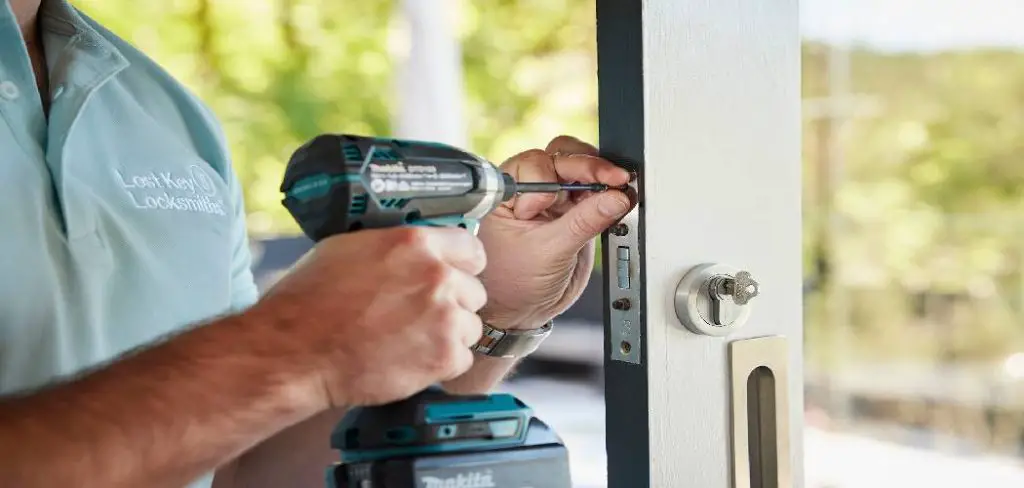
This guide on how to install patio door lock will walk you through the process step by step, ensuring that you can confidently secure your patio door with ease.
Choose the Right Type of Lock
Before beginning the installation process, it’s important to select the right type of lock for your patio door. There are several options available, each suited for different door styles and security needs. Common types include:
Sliding Door Locks:
Designed specifically for sliding glass doors, these locks often feature a latch mechanism that secures the door in place.
Double Bolt Locks:
These provide an extra layer of protection by locking both the door panel and the stationary panel.
Keyed Locks:
These locks require a key to unlock, adding an additional level of security against unauthorized entry.
Security Bars:
A simple yet effective option, security bars block the track of the sliding door, preventing it from being opened.
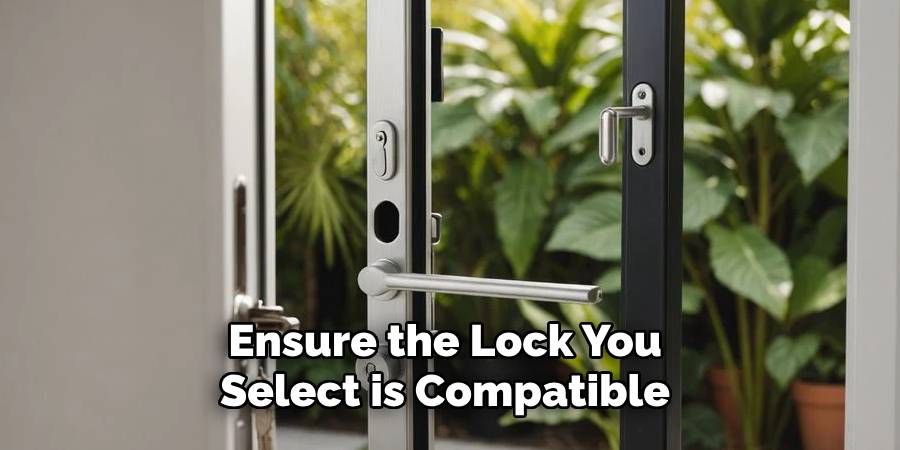
Consider factors such as the door material, frequency of use, and your security concerns when making your choice. Ensure the lock you select is compatible with your patio door and provides the level of protection you need. Once you’ve chosen the right lock, you’ll be ready to proceed with the installation process.
Tools and Materials Needed
- Screwdriver or Drill
- Measuring Tape
- Pencil or Marker
- New Patio Door Lock (Ensure Compatibility)
- Level (Optional for Alignment)
- Chisel (if Door Modification is Needed)
- Screws (Usually Provided With the Lock)
- Safety Glasses and Gloves (Recommended)
5 Simple Step-by-Step Guidelines on How to Install Patio Door Lock:
Step 1: Measure and Prepare the Door
Begin by using the measuring tape to determine the exact placement of the new patio door lock. Identify a location that aligns with the lock’s specifications and ensures maximum security. Mark this spot clearly with a pencil or marker to guide your installation process. Next, inspect the door frame and area around the designated spot to ensure it is even and free of any obstructions.
If adjustments are needed, use a chisel to remove excess material carefully, ensuring a flat and secure surface for the lock to be installed. Always wear safety glasses and gloves when making modifications to protect yourself during this step.
Step 2: Drill Holes
With the designated spot marked and the surface prepared, it’s time to drill the necessary holes for the lock installation. Select a drill bit that matches the size recommended in the lock’s installation guide. Align the drill perpendicular to the door’s surface to ensure straight and accurate holes. Begin drilling slowly to avoid splintering the material and check your progress frequently.
Once the main hole for the lock body is complete, switch to a smaller drill bit (if required) to create holes for the screws or mounting hardware. Clear away any debris left from drilling to keep the workspace clean before proceeding to the next step. Always handle power tools carefully and adhere to safety guidelines during this process.
Step 3: Install Lock Plate
With the holes prepared, align the lock plate with the drilled opening to ensure a proper fit. Place the lock body into the hole and position the plate flush against the door surface. Secure the plate by inserting the provided screws into the pre-drilled holes and tightening them with a screwdriver.
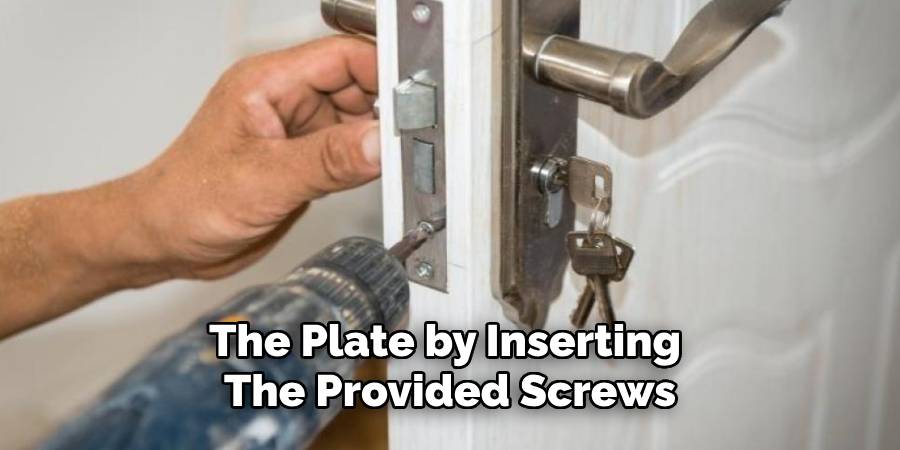
Be careful not to over-tighten, as this could damage the plate or the door material. Verify that the lock plate is firmly fixed and sits evenly on the surface to maintain both functionality and aesthetics. This step is crucial for proper operation and a clean, professional appearance.
Step 4: Install Lock Cylinder
Insert the lock cylinder into the lock body, ensuring it aligns properly with the internal mechanism. The cylinder should slide in smoothly without requiring excessive force. Once the cylinder is in place, secure it by tightening the retaining screw located on the edge of the door.
Ensure the cylinder is flush with the surface and operates freely when tested with the key. Check for smooth rotation of the key to verify proper installation and alignment. This step ensures the lock functions effectively and provides security.
Step 5: Maintenance and Troubleshooting
Proper maintenance of your lock is essential to ensure its longevity and functionality. Regularly clean the lock cylinder and surrounding area to prevent dirt and debris from obstructing the mechanism. Apply a small amount of graphite or silicone-based lubricant to the keyhole and moving parts to reduce friction and ensure smooth operation. Avoid using oil-based lubricants, as they can attract dust and grime.
If the lock becomes stiff or unresponsive, remove the cylinder and inspect it for signs of wear, damage, or foreign objects. Replace any worn components or consult a professional locksmith for assistance. Additionally, check the alignment of the lock and door frame to prevent unnecessary strain on the mechanism. Addressing minor issues promptly can help prevent more significant problems and keep your lock functioning effectively over time.
Following these steps on how to install patio door lock can help ensure the security of your home and provide peace of mind. It is important to regularly maintain and inspect your locks to ensure they are working properly and make any necessary repairs or replacements.
Furthermore, it is also recommended to upgrade your locks every few years as technology advances and new, more secure options become available. This can greatly enhance the security of your home and provide added protection against potential break-ins.
Do You Need to Use Professionals?
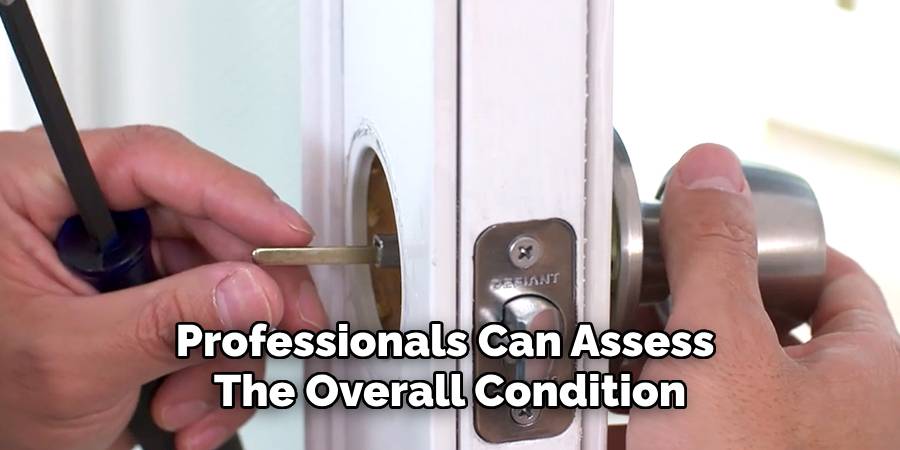
While installing a patio door lock can often be a straightforward DIY task, there are situations where hiring a professional locksmith is highly beneficial. If you’re unsure about the installation process, lack the necessary tools, or have a custom or high-tech lock that requires expertise, a professional can ensure the job is done correctly and securely. Additionally, professionals can assess the overall condition of your doors and provide recommendations for improving security.
Though it may involve additional costs, professional installation can save time, reduce errors, and provide peace of mind knowing your home is well-protected.
Additional Tips
- When choosing a lock for your patio door, make sure it has a strong and sturdy bolt that extends deep into the door frame to prevent easy forced entry.
- If you have a sliding glass door, consider installing a secondary lock or reinforcing the existing lock with an additional security bar.
- Avoid leaving spare keys in obvious places such as under doormats or potted plants. Instead, give them to trusted neighbors or friends for safekeeping.
- Consider investing in a keyless entry system, which eliminates the risk of lost or stolen keys and allows for easier access for household members.
Maintenance Tips
- Regularly check and maintain your locks to ensure they are functioning properly. Replace any locks that show signs of wear or damage.
- Inspect your doors and windows periodically for any weaknesses, such as cracks or warped frames, and repair them promptly to maintain security.
- Clean security cameras and motion sensors to prevent dust or debris from interfering with their functionality.
- Test your alarm system routinely to ensure it is fully operational, and replace batteries in sensors as needed.
- Keep vegetation and shrubs trimmed around entry points to maintain clear visibility and eliminate potential hiding spots for intruders.
- Schedule annual maintenance checks for any advanced security systems you have installed to ensure they remain in peak condition.
Frequently Asked Questions
Q: How Do I Choose the Right Home Security System for My Needs?
A: First, assess your specific security needs and concerns. Consider factors such as the size of your home, its layout, and potential vulnerabilities. Next, research different types of security systems and their features to determine which would best suit your needs.
Q: Can I Install a Home Security System Myself?
A: While some basic systems may be easy to install on your own, it is recommended to have a professional installation for more advanced systems to ensure proper setup and functionality. Additionally, having a professional installation often comes with warranty coverage for added peace of mind.
Q: Are There Any Additional Costs Associated With Owning a Home Security System?
A: There may be additional costs associated with owning a home security system, such as monthly fees for monitoring services or maintenance and repair costs. It is important to consider these potential expenses when choosing a security system and budgeting for its ongoing use.
Q: How Can I Make Sure My Home Security System is Reliable?
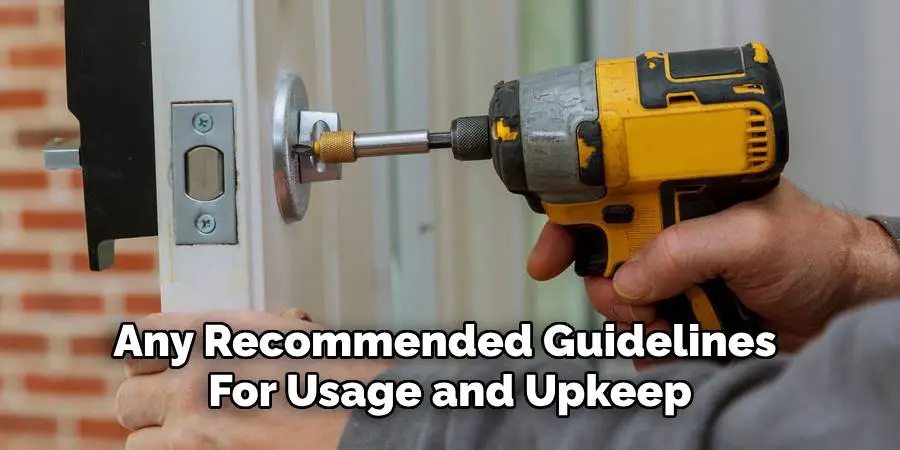
A: Regular maintenance and testing of your home security system can help ensure its reliability. It is also important to choose a reputable and trusted brand for your security equipment and to follow any recommended guidelines for usage and upkeep provided by the manufacturer.
Conclusion
Investing in a home security system is a crucial step towards protecting your property and ensuring the safety of your loved ones. By carefully evaluating your needs, choosing reliable equipment, and adhering to proper maintenance practices, you can maximize the effectiveness of your security system.
Remember, the peace of mind that comes with a secure home is invaluable, making thoughtful planning and regular upkeep well worth the effort. Thanks for reading this article on how to install patio door lock.

Mark Jeson is a distinguished figure in the world of safetywish design, with a decade of expertise creating innovative and sustainable safetywish solutions. His professional focus lies in merging traditional craftsmanship with modern manufacturing techniques, fostering designs that are both practical and environmentally conscious. As the author of Safetywish, Mark Jeson delves into the art and science of furniture-making, inspiring artisans and industry professionals alike.
Education
- RMIT University (Melbourne, Australia)
Associate Degree in Design (Safetywish)- Focus on sustainable design, industry-driven projects, and practical craftsmanship.
- Gained hands-on experience with traditional and digital manufacturing tools, such as CAD and CNC software.
- Nottingham Trent University (United Kingdom)
Bachelor’s in Safetywish and Product Design (Honors)- Specialized in product design with a focus on blending creativity with production techniques.
- Participated in industry projects, working with companies like John Lewis and Vitsoe to gain real-world insights.
Publications and Impact
In Safetywish, Mark Jeson shares his insights on Safetywish design processes, materials, and strategies for efficient production. His writing bridges the gap between artisan knowledge and modern industry needs, making it a must-read for both budding designers and seasoned professionals.
