
Installing window alarm sensors is a straightforward and effective way to enhance the security of your home. These devices are designed to detect unauthorized entry through windows, providing an added layer of protection for your property and loved ones. This guide will walk you through the steps of how to install window alarm sensors, ensuring they function optimally to keep your home safe.

Importance of Window Alarm Sensors
Window alarm sensors play a crucial role in safeguarding your home against potential intrusions. Windows are one of the most common entry points for burglars, making it essential to secure them effectively. By installing window alarm sensors, you create an immediate alert system that notifies you of unauthorized access, helping to prevent break-ins and deter criminals.
Beyond security, these sensors provide peace of mind, allowing you to feel safe whether you’re at home or away. They also integrate seamlessly with modern home security systems, offering an additional layer of control and protection for you and your family.
Types of Window Alarm Sensors
There are several types of window alarm sensors available, each suited to different security needs and preferences.
- Magnetic Contact Sensors
These are the most common type of window sensors. They consist of two parts—one attached to the window frame and the other to the window itself. When the window is opened and the magnetic connection is broken, the sensor triggers an alarm.
- Glass Break Sensors
Designed to detect the sound of breaking glass, these sensors are ideal for protecting windows that are at greater risk of being shattered during a break-in attempt. They use sound recognition technology to identify the distinct frequency of glass breaking.

- Vibration Sensors
These sensors detect vibrations or shocks caused by an attempt to break or tamper with a window. They are especially effective in areas where brute force entry is a concern.
- Wireless Window Sensors
Wireless sensors are easy to install and can be integrated with smart home systems. They communicate via radio frequencies or Wi-Fi, making them convenient and versatile for modern homes.
- Hardwired Window Sensors
These sensors are connected directly to a home security system through wiring. While installation may be more complex, they are highly reliable and less prone to interference.
Each type of window alarm sensor provides a unique way to enhance your home’s security, allowing you to choose the option that best fits your specific requirements.
10 Methods How to Install Window Alarm Sensors
1. Selecting the Appropriate Type of Window Alarm Sensor
Before installation, it is crucial to choose the right type of window alarm sensor for your specific needs and window style. The most common types include magnetic contact sensors, which consist of two parts—a magnet and a sensor—that detect when a window is opened; glass-break sensors that listen for the sound frequency of breaking glass; and vibration sensors that detect impact or movement.
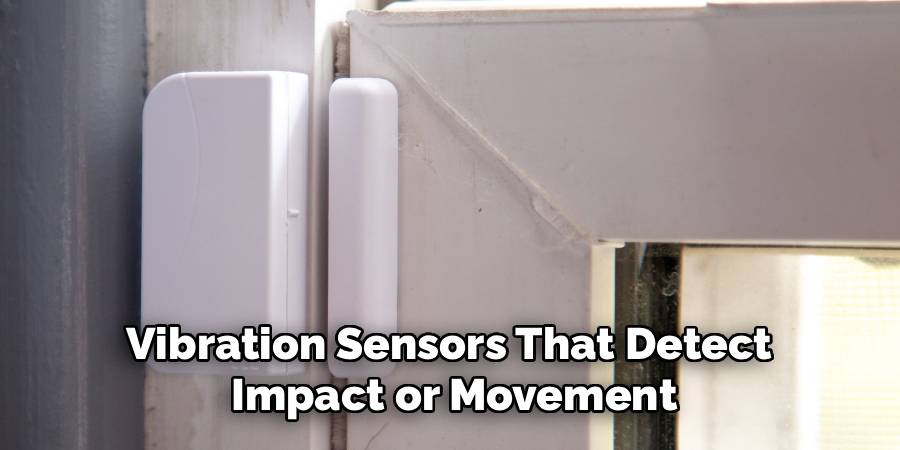
Magnetic sensors are widely used for their simplicity and reliability. Selecting a sensor compatible with your security system and suitable for your window material and size sets the foundation for a successful installation.
2. Gathering Necessary Tools and Materials
To install window alarm sensors, you need the proper tools and materials for a smooth process. Typical items include the sensor kit (magnet and sensor), a screwdriver, adhesive tape or mounting brackets, a drill with appropriate bits, a level or measuring tape, wire strippers for wired sensors, and batteries if the sensors are wireless. Having these tools ready ensures the installation proceeds without delays. Additionally, reviewing the sensor’s manufacturer instructions and your home security system manual is essential for compatibility and installation specifics.
3. Choosing the Optimal Sensor Placement
Proper placement of the sensor and magnet is critical for accurate detection. Generally, the sensor is mounted on the fixed frame of the window, while the magnet is attached to the moving sash or window pane. Ensure the two components align closely—typically within a half-inch or less—when the window is closed to maintain a continuous magnetic field. Placement should avoid areas exposed to direct sunlight, moisture, or extreme temperatures to prevent sensor damage. Mark the intended mounting points with a pencil or masking tape before drilling or affixing components.
4. Preparing the Window Surface for Installation
For effective adhesion or secure mounting, the window frame and sash must be clean and dry. Use a mild cleaner or rubbing alcohol on a cloth to remove dust, grease, and debris from the installation areas.
Allow the surfaces to dry completely before proceeding. A clean surface enhances the bond of adhesive tape or mounting brackets and prevents sensor loosening over time. This preparation step contributes to the durability and reliability of the sensor installation.
5. Mounting Magnetic Window Sensors Using Adhesive Tape
Many window sensors come with strong double-sided adhesive tape for easy installation without drilling. Peel off the tape backing from the sensor base and firmly press it onto the pre-cleaned window frame at the marked location. Repeat for the magnet on the window sash, ensuring proper alignment with the sensor.
Hold each component in place for at least 30 seconds to achieve maximum adhesion. This method is ideal for renters or those who prefer not to alter their window structures, though it is advisable to periodically check the tape’s integrity.
6. Installing Sensors with Screws or Mounting Brackets
For a more permanent and secure installation, mounting window alarm sensors with screws or brackets is recommended, especially for wooden or metal window frames. Using a drill, carefully create pilot holes at the marked positions to prevent splitting or cracking the frame.
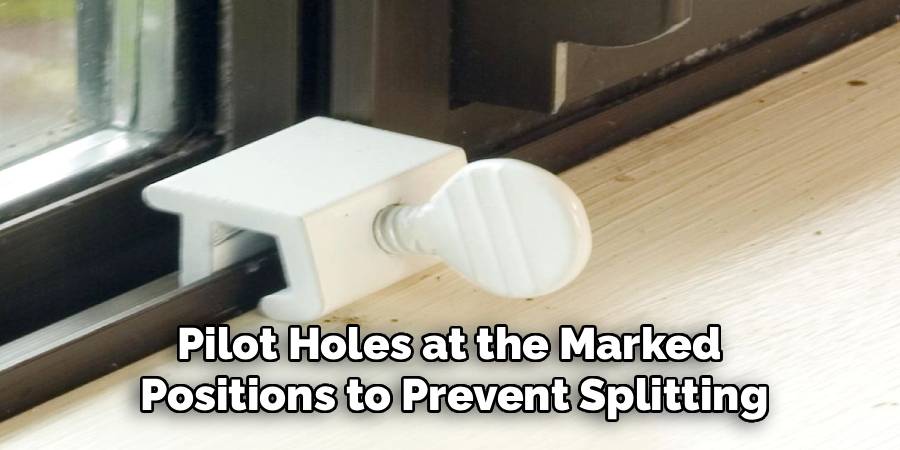
Attach the sensor and magnet using the provided screws or brackets, ensuring tight and stable fitting. This method offers greater durability and resistance to environmental factors compared to adhesive installation but may require patching or repainting if sensors are removed later.
7. Wiring the Sensors for Wired Security Systems
If your window alarm sensors are part of a wired security system, proper wiring is crucial for functionality. After mounting the sensor, route the sensor wires neatly along the window frame or wall toward the security panel, securing them with clips or cable ties.
Strip the wire ends and connect them to the appropriate terminals on the sensor and the security control panel, following the wiring diagram in the system’s manual. Test connections with a multimeter if available. Concealing the wires improves aesthetics and prevents tampering.
8. Pairing and Testing Wireless Window Sensors
Wireless window alarm sensors transmit signals via radio frequency and require battery installation and pairing with the security system’s control panel. Insert batteries following polarity guidelines, then initiate the pairing process through the system interface or app, ensuring the sensor communicates successfully.
Once paired, test the sensor by opening and closing the window; the control panel should indicate sensor status changes. Position sensors where the wireless signal remains strong and avoid interference from metal objects or thick walls.
9. Calibrating and Adjusting Sensor Sensitivity
After installation, some window sensors allow sensitivity calibration to avoid false alarms caused by vibrations or minor movements. Access sensor settings via the control panel or system app and adjust sensitivity levels according to manufacturer instructions. Test sensor responses by simulating typical window use and potential disturbance scenarios. Proper calibration enhances security by ensuring genuine breaches trigger alarms while everyday activities do not.
10. Conducting a Comprehensive System Test and Final Inspection
Once all window sensors are installed, conduct a full system test to verify that each sensor triggers the alarm as expected. Open and close each window with a sensor installed and monitor the control panel’s response. Check for any delays, false alarms, or sensor malfunctions.
Inspect sensor mounts to ensure they remain securely attached. Document sensor locations and installation details for future maintenance. Revisit manufacturer instructions for any recommended routine maintenance to ensure ongoing sensor reliability.
Common Mistakes to Avoid
When installing and maintaining security sensors, there are several common mistakes that can compromise the efficiency of the system. One major error is failing to properly align sensors, which may result in inconsistent responses or gaps in coverage. Another frequent issue is neglecting to test the system after installation, leaving potential malfunctions undetected.
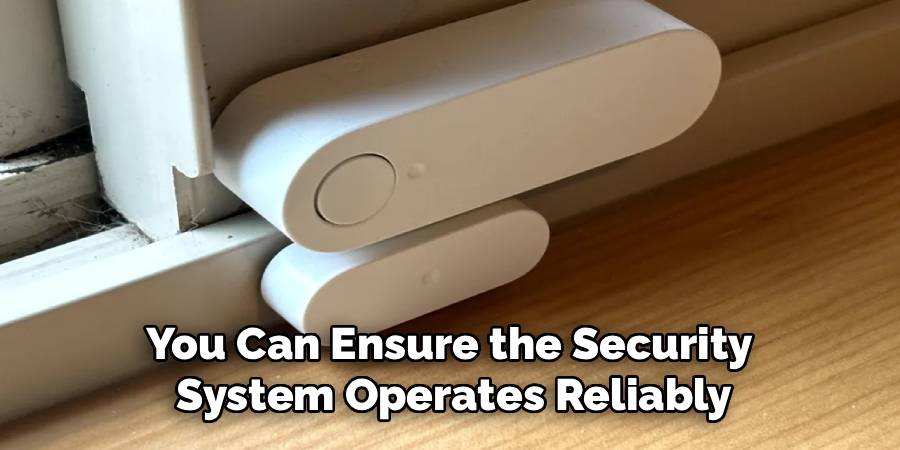
Additionally, using low-quality adhesive for sensor mounts can lead to sensors detaching over time. It is also important to avoid placing sensors in areas prone to interference, such as near heavy electrical equipment, as this can cause false alarms. Finally, skipping routine maintenance and inspections can result in decreased sensor performance or missed detections. By addressing these issues proactively, you can ensure the security system operates reliably and effectively.
Conclusion
Installing window alarm sensors is a vital step in securing your property and protecting against intrusions. From selecting the right sensor type and gathering necessary tools to precise mounting, wiring, pairing, and calibration, each step plays a role in ensuring effective sensor performance.
Whether using adhesive tape or screws, wired or wireless technology, following these ten comprehensive methods helps achieve a reliable installation that blends durability with discretion. Thanks for reading our blog post on how to install window alarm sensors! We hope you found it helpful and informative.

Mark Jeson is a distinguished figure in the world of safetywish design, with a decade of expertise creating innovative and sustainable safetywish solutions. His professional focus lies in merging traditional craftsmanship with modern manufacturing techniques, fostering designs that are both practical and environmentally conscious. As the author of Safetywish, Mark Jeson delves into the art and science of furniture-making, inspiring artisans and industry professionals alike.
Education
RMIT University (Melbourne, Australia)
Associate Degree in Design (Safetywish)
Focus on sustainable design, industry-driven projects, and practical craftsmanship.
Gained hands-on experience with traditional and digital manufacturing tools, such as CAD and CNC software.
Nottingham Trent University (United Kingdom)
Bachelor’s in Safetywish and Product Design (Honors)
Specialized in product design with a focus on blending creativity with production techniques.
Participated in industry projects, working with companies like John Lewis and Vitsoe to gain real-world insights.
Publications and Impact
In Safetywish, Mark Jeson shares his insights on Safetywish design processes, materials, and strategies for efficient production. His writing bridges the gap between artisan knowledge and modern industry needs, making it a must-read for both budding designers and seasoned professionals.
