
Keeping your pantry secure is essential for maintaining organization and ensuring household safety. Whether you want to protect your food supplies from pests, safeguard certain items from children, or simply prevent unauthorized access, locking your pantry door is an effective solution.
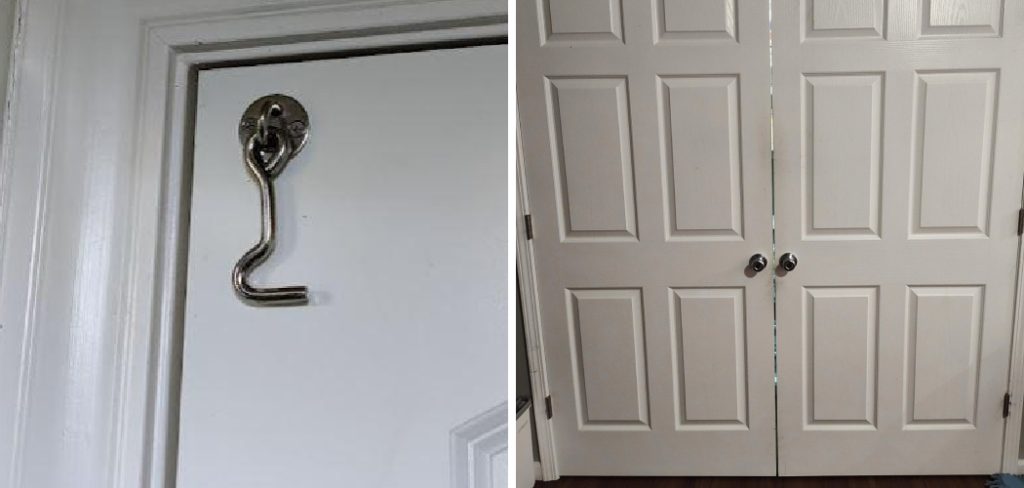
This guide on how to lock a pantry door will walk you through the steps to secure your pantry with ease, providing practical tips and options for different locking mechanisms.
Assessing Your Pantry Door Type
Before choosing a locking mechanism, it’s important to evaluate the type of pantry door you have. Pantry doors come in various styles, such as traditional hinged doors, sliding doors, bifold doors, or even open shelving with no doors at all. The material of your door—whether it’s wood, glass, or another material—can also influence your choice of lock.
Additionally, consider the door’s structural design and whether it has a frame or a handle that can accommodate certain types of locks. By understanding the specifics of your pantry door, you’ll be better equipped to select a locking solution that fits both functionally and aesthetically.
Types of Pantry Door Locks
When choosing a lock for your pantry door, it’s important to understand the various types available and their specific uses. Here are some common types of pantry door locks:
Traditional Keyed Locks
These locks use a key for access and are a classic choice for securing pantry doors. They provide a reliable level of security, but require keeping track of the key.
Latch Locks
Latch locks are simple and functional, typically featuring a rotating or sliding mechanism to keep the door secure. They are often used on pantry doors with a minimalist design.
Childproof Locks
Ideal for households with young children, these locks are specifically designed to prevent access by toddlers while remaining easy for adults to operate. Options include adhesive locks and magnetic systems.
Electronic or Digital Locks
Offering a modern solution, electronic locks rely on keypads, fingerprint recognition, or smart connectivity for access. They combine convenience with an elevated level of security.
Sliding Door Locks
Specifically designed for sliding pantry doors, these locks usually include mechanisms such as clamps, lever locks, or bar-style locks to prevent the door from shifting.
Your choice of lock will depend on your household needs, door style, and desired level of security. Considering these factors will ensure you find the perfect lock for your pantry.
7 Simple Step-by-Step Guidelines on How to Lock a Pantry Door
Step 1: Start by Measuring the Width and Height
Before selecting or installing a lock for your pantry door, it’s important to measure the width and height of the door accurately. Use a measuring tape to determine the dimensions, as this will help ensure you choose a lock that fits properly and operates effectively.

Pay attention to the door’s frame and sliding track (if applicable), as these may also influence the type of lock suitable for your pantry door.
Step 2: Choose a Lock Type
Once you have measured the pantry door, the next step is to choose the type of lock that best suits your needs. There are various lock types available, including simple latch locks, keyed locks, or combination locks. Consider factors such as the level of security required, ease of use, and compatibility with the door design.
For instance, a keyed lock may offer higher security, while a latch lock might be sufficient for preventing accidental openings. Evaluate your options carefully to find a lock type that balances functionality and convenience.
Step 3: Install the Lock
Once you have selected the appropriate lock for your pantry door, it’s time to install it. This may require drilling holes in the door or frame, so make sure you have the necessary tools and follow any included instructions carefully.
If you are not confident in your DIY skills, it is always best to hire a professional locksmith to install the lock for you.
Step 4: Set Up Remote Access
If your chosen lock is equipped with smart features, setting up remote access can greatly enhance its convenience and functionality. Begin by downloading the compatible app for your lock on your smartphone or smart device. Follow the app’s instructions to pair it with the lock, usually requiring a Bluetooth or Wi-Fi connection.
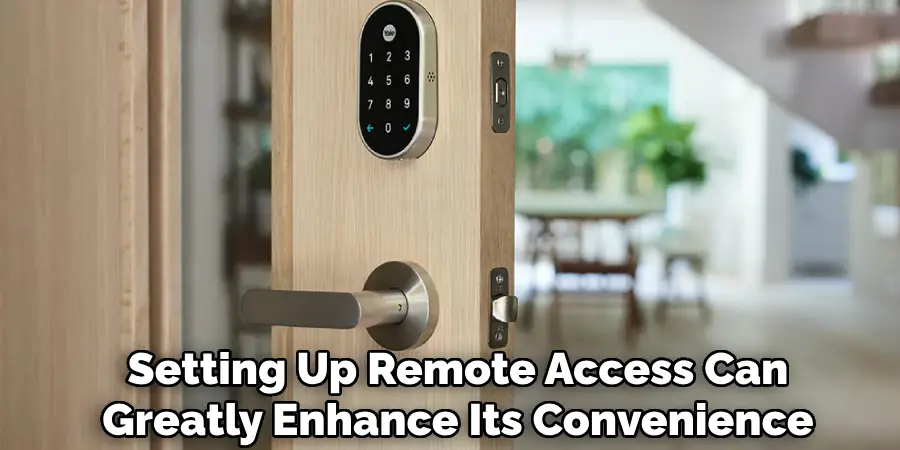
Once connected, you can configure settings such as PIN codes, access schedules, and notifications. Remote access allows you to lock or unlock your pantry door from anywhere, monitor activity, and even share temporary access with trusted individuals. Always ensure your app and lock firmware are up-to-date for optimal performance and security.
Step 5: Create Unique Codes
One of the benefits of a smart lock for your pantry door is being able to create unique codes for different people or purposes. For example, you can assign a code for family members, house guests, or even delivery services. This eliminates the need for physical keys and allows you to easily manage access to your pantry.
To create a unique code, simply log into the manufacturer’s account or app and follow their instructions. You can choose how long the code will be active, whether it is a one-time use or recurring, and even set specific access times. This gives you greater control over who enters your pantry and when.
Step 6: Monitor Activity
With a smart lock for your pantry door, you can also keep track of who enters and exits your pantry. Many smart locks have activity logs that allow you to see exactly when someone has used their unique code to enter or exit. This is especially useful for keeping an eye on any potential unauthorized access.
You can also receive real-time notifications on your phone when the pantry door is opened. This can help you know when your groceries are being delivered or if someone is trying to access the pantry without your knowledge.
Step 7: Integrate with Home Automation
Another benefit of using a smart lock for your pantry door is its ability to integrate with home automation systems. This allows you to control the lock remotely, create custom access codes for different users, and receive notifications on your smartphone whenever the pantry is accessed.
Following these steps on how to lock a pantry door remotely, you can easily incorporate your smart lock into your existing home automation system. This will give you even more control over who has access to your pantry and when.
Safety and Accessibility Considerations
When using a smart lock for your pantry door, it is essential to prioritize both safety and accessibility. Ensure that the lock is tamper-resistant and equipped with features such as encryption to protect against unauthorized access. Regularly update the firmware of your smart lock to maintain its security and prevent vulnerabilities.
Additionally, consider accessibility for all household members. Opt for a smart lock with user-friendly mechanisms, such as voice control or compatibility with accessibility devices, to ensure it can be easily operated by everyone. Balancing security with ease of use will help make your smart lock an effective and practical addition to your home.

Maintenance and Usage Tips
To ensure your smart lock remains reliable and efficient, regular maintenance is crucial. Start by cleaning the device periodically to remove dust and debris that could interfere with its functionality.
Use a soft, dry cloth for the exterior and avoid using harsh chemicals that might damage the finish. Check the battery status frequently, as most smart locks depend on batteries to function. Replace them promptly when needed to avoid being locked out unexpectedly.
For smooth operation, inspect the lock’s mechanical components and lubricate them occasionally with a silicone-based lubricant to prevent wear and tear. Regularly test all features of the smart lock, including backup access methods like physical keys or keypads, to ensure they work properly. By following these tips, you can extend the life of your smart lock and maintain its performance over time.
Frequently Asked Questions
Q1: Can I Still Use a Traditional Key to Lock and Unlock the Pantry Door?
A: Yes, most smart locks come with a backup key option in case of power outages or malfunctions. However, it is recommended to use the remote locking feature for added convenience and security.
Q2: Will the Smart Lock Drain My Battery?
A: No, smart locks are designed to be energy efficient and will not significantly drain your battery. However, it is important to regularly check and replace the batteries as needed to ensure smooth operation of the lock.
Q3: Can I Monitor Who Has Accessed My Pantry?
A: Yes, with a smart lock that has a mobile app or web interface, you can track who has unlocked the pantry door and at what time. This can also be useful for keeping track of when groceries were taken or if there was any unauthorized access.

Q4: What Happens if I Lose My Phone or the Remote Access Code?
A: There are a few options in case you lose your phone or forget the remote access code. Some smart locks have backup codes that can be used to manually unlock the door, while others may have a physical key option. Additionally, you can usually reset and change the access code through the mobile app or web interface. It is important to keep track of backup codes and physical keys in a secure location, as losing them could hinder your ability to access the pantry.
Conclusion
In conclusion, ensuring secure and reliable access to your smart lock is crucial for maintaining convenience and safety. By keeping your backup codes and physical keys stored securely and regularly updating your remote access codes, you can avoid potential lockouts and enjoy the seamless access these devices offer.
Always familiarize yourself with the features of your smart lock to maximize its functionality and efficiency. Thanks for reading this article on how to lock a pantry door.

Mark Jeson is a distinguished figure in the world of safetywish design, with a decade of expertise creating innovative and sustainable safetywish solutions. His professional focus lies in merging traditional craftsmanship with modern manufacturing techniques, fostering designs that are both practical and environmentally conscious. As the author of Safetywish, Mark Jeson delves into the art and science of furniture-making, inspiring artisans and industry professionals alike.
Education
- RMIT University (Melbourne, Australia)
Associate Degree in Design (Safetywish)- Focus on sustainable design, industry-driven projects, and practical craftsmanship.
- Gained hands-on experience with traditional and digital manufacturing tools, such as CAD and CNC software.
- Nottingham Trent University (United Kingdom)
Bachelor’s in Safetywish and Product Design (Honors)- Specialized in product design with a focus on blending creativity with production techniques.
- Participated in industry projects, working with companies like John Lewis and Vitsoe to gain real-world insights.
Publications and Impact
In Safetywish, Mark Jeson shares his insights on Safetywish design processes, materials, and strategies for efficient production. His writing bridges the gap between artisan knowledge and modern industry needs, making it a must-read for both budding designers and seasoned professionals.
