
Sometimes, the simplest solutions are the most effective. Whether you’re staying in a new apartment, traveling and dealing with questionable secure accommodations, or facing a broken lock at home, knowing how to lock your door with a fork can be surprisingly useful.
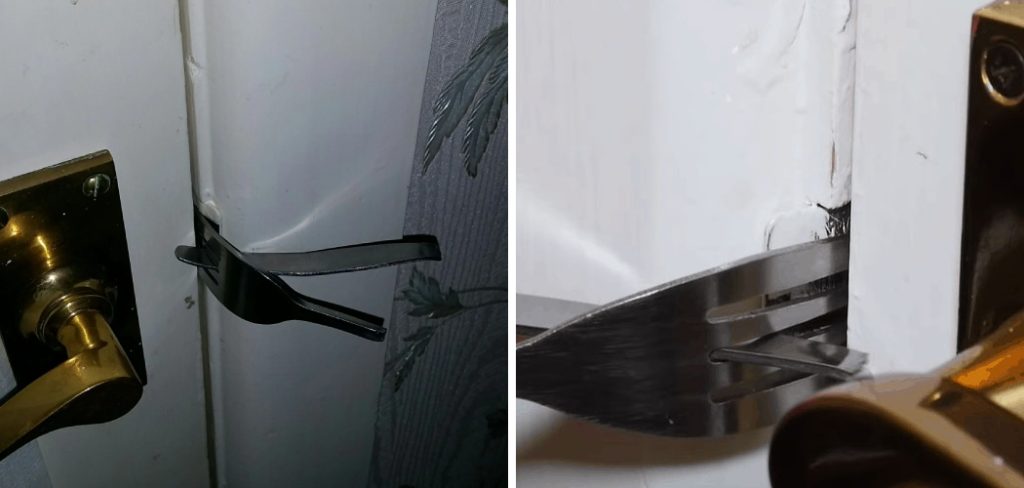
This creative approach leverages ordinary household items for essential security when traditional locks aren’t available or functional. The concept is straightforward: by modifying and using a fork, you can create a makeshift locking mechanism that hinders unwanted entry, at least temporarily.
In this article, you’ll learn how to transform a standard fork into an emergency door lock, discover when and why to rely on alternative locking solutions, and get step-by-step instructions to ensure your safety. These practical tips are designed to help you protect yourself with minimal resources—making you feel secure and resourceful in any situation.
Understanding the Need for Alternative Locks
Finding yourself unable to securely lock a door can happen to anyone. Perhaps you’re temporarily lodging at a hotel or rental where the locking mechanisms feel unreliable. Maybe you’re at home and a key lock suddenly malfunctions, leaving you exposed until help arrives. In such cases, having quick, alternative solutions—like knowing how to lock your door with a fork—can be invaluable.
Benefits of Using Household Items for Security
Household items, such as forks, have two major benefits for impromptu security scenarios. First and foremost is accessibility. Almost every kitchen contains at least a basic set of cutlery, and a metal fork is rarely hard to find, even while traveling or staying in rented spaces.
Second, using a fork as a lock is highly cost-effective—a creative alternative that does not require purchasing or installing new hardware for a one-off issue. This flexibility is especially helpful for students, renters, and travelers who often encounter unfamiliar or unreliable door locks.
Gathering Essentials: Tools and Materials Needed
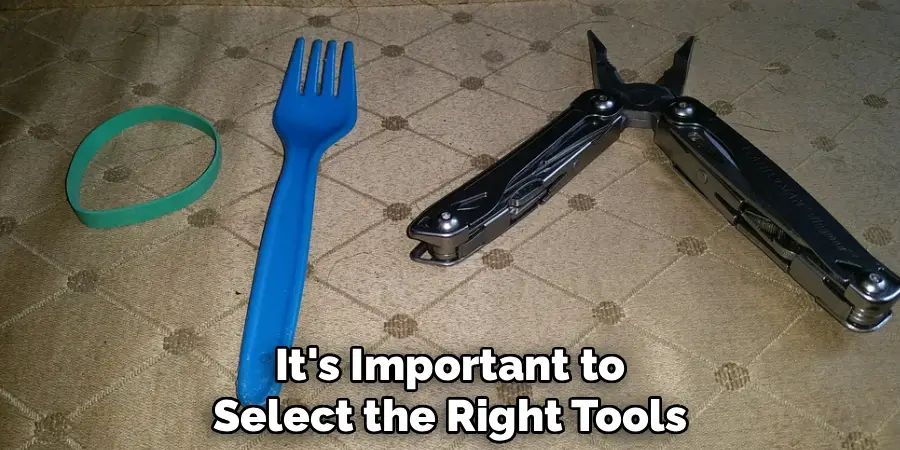
Not every fork is suitable for use as a door lock, so it’s important to select the right one for the job. A sturdy, metal fork with long, straight tines works best since it needs to withstand bending without breaking and fit snugly between the door and its frame. Avoid cheap, brittle forks that might snap during preparation or use.
You will also need pliers to help bend the tines safely and accurately. For a smoother process, clear a workspace and have a marker handy to indicate where bends should be made. While only a fork and a pair of pliers are strictly necessary, extra tools like a file can help remove any sharp edges, improving safety and usability.
How to Lock Your Door with a Fork: Step-by-Step Instructions
Turning a regular fork into a lock requires some careful measurement and manipulation. Begin by holding the fork up against your closed door and frame. Mark the point where the tines enter the gap between the door and the frame. Using pliers, bend the tines sharply at the marked spot to create a right angle—this portion will serve as the lock inserted into the door jamb.
Next, bend the handle of the fork to ensure it runs parallel to the door’s surface when the tines are fitted into place. Safety is a top priority during this stage. Wear gloves to protect your hands and keep your fingers clear of the pliers. If the fork resists bending, apply gradual, even pressure—forcing it abruptly can lead to breakage or accidental injury.
Adjusting for Different Door Designs
Doors can vary considerably in design. Some have wider gaps between the frame and the door, while others are tightly fitted. If your fork doesn’t fit, use the pliers to widen or narrow the tines as needed. For thick or heavily insulated doors, you might need to select a fork with especially long tines. You may also need to make several small bends rather than a single sharp one for optimal fit.
Don’t be discouraged by initial failures—refining the fork’s shape to suit your specific door is an important part of the process. If you encounter resistance from the door frame or if the fork doesn’t sit snugly, continue making adjustments until the fork rests securely and blocks the latch effectively.
Creating the Lock with the Fork
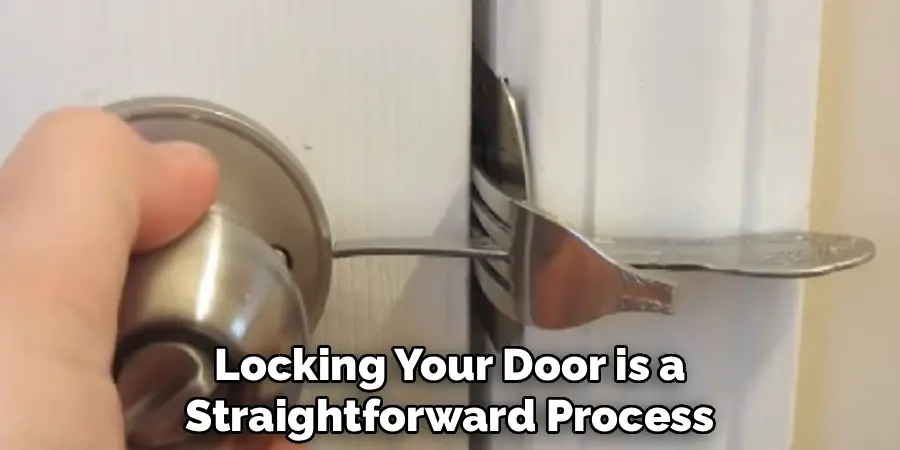
With your prepared fork in hand, locking your door is a straightforward process. Open the door slightly and insert the bent tines into the latch plate—the metal slot in the door frame where the latch usually sits when the door is closed. Push the tines in until the fork is firmly in place and only the handle remains visible. Then, close the door so that the handle of the fork sticks out towards the interior side.
Once the fork is wedged in the frame, take the handle (which you should have bent earlier) and slide it through the fork tines, sandwiching part of the fork on the inside of your door. This configuration essentially blocks the latch from retracting fully, making it very difficult for someone to open the door from the outside—even if the regular door handle is turned or pulled.
Ensuring a Snug Fit
Check your work by gently pulling or pushing on the door. If the fork feels loose, open the door and adjust the angle of the tines or the handle to create a tighter fit. A properly installed fork lock should allow little to no movement in the latch. If your first attempt isn’t stable, try repositioning the fork until it fits more securely. Remember, doors and frames vary widely, so a bit of trial and error is often part of the process.
Testing the Functionality
Before relying on your newly assembled fork lock, test its effectiveness. With the fork in place, exert moderate pressure on the exterior handle and observe whether the door stays shut. Try jiggling or forcing the door in the way an intruder might. If the fork remains steady and the door does not open, you can rest assured you’ve set up an effective temporary lock. Still, keep monitoring during actual use and re-adjust as needed throughout your stay.
Best Situations for Using a Fork Lock
Temporary Solutions for Travelers
If you travel frequently, you’ve probably encountered hotel or rental doors that feel less secure than you’d prefer. Knowing how to lock your door with a fork offers peace of mind in these situations. This DIY solution doesn’t require permanent modifications, making it ideal for use in spaces you don’t control. The fork lock is easily removable, so you can pack it in your luggage and bring it from place to place.
Emergency Home Security
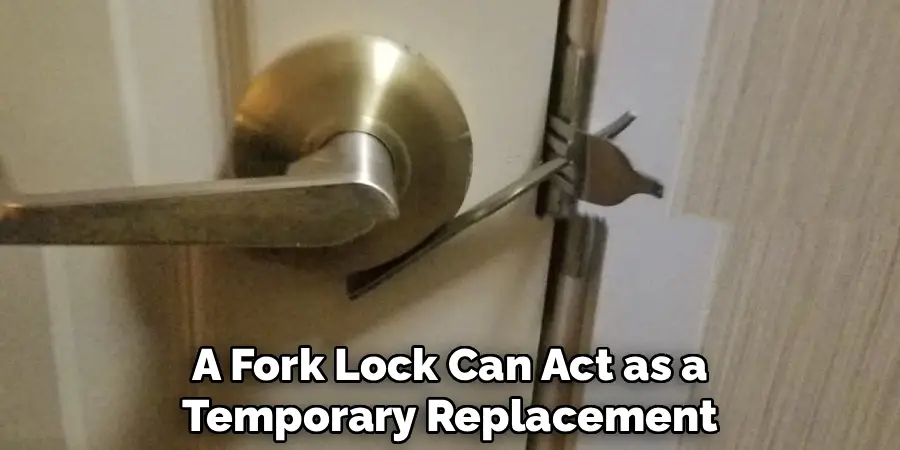
Sometimes, locks at home jam, keys get lost, or doors are damaged by weather or wear. While waiting for repairs or new hardware, a fork lock can act as a temporary replacement to keep your space and possessions safe. Particularly at night or when you’re not expecting visitors, adding a fork lock as a stopgap can provide reassurance until professional repairs are made.
Recognizing the Drawbacks: Limitations of the Fork Method
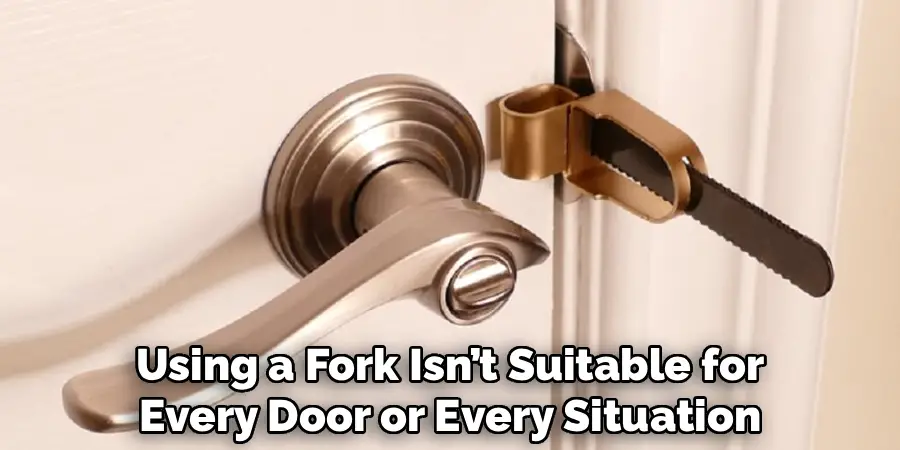
Despite its utility, using a fork isn’t suitable for every door or every situation. This method relies on the presence of a latch mechanism and an accessible gap in the door frame. It won’t work on sliding doors, electronic keycard entries, or heavily reinforced doors. Similarly, oversized or irregularly shaped doors may not accommodate the fork, or they may require a larger tool for the same effect.
Potential Loopholes
Another important limitation is durability. Repeated use or excessive force can damage the fork or even alter the door frame, potentially leading to more permanent issues.
Additionally, while this method offers extra protection against casual intrusion, it is not guaranteed to stop determined individuals or those equipped with tools. Because of these limitations, always pair a fork lock with other common-sense safety practices, such as locking windows, using door wedges, or alerting building management to security concerns as soon as possible.
Additional Safety Practices
To maximize your safety, treat the fork lock as just one part of a broader security approach. Always keep valuables out of plain sight, check that windows and secondary exits are locked, and consider using portable door alarms or security cameras if you’re especially concerned.
If you’re staying in temporary accommodation, communicate any security issues to property managers or hosts immediately. Also, let trusted contacts know your whereabouts and have emergency numbers easily accessible.
Conclusion
Learning how to lock your door with a fork is an inventive, practical skill that can serve you well in a variety of temporary and emergency. This method is cost-effective, uses easy-to-find household items, and requires only a few tools and a bit of patience. While a fork lock won’t replace the security of a professionally-installed lock, it can offer quick peace of mind when you need it most—whether you’re traveling, renting, or waiting on repairs at home.
However, it’s essential to recognize its limitations. Fork locks are not universally compatible with all doors and should not be relied upon as a permanent solution. Their security is best when combined with other safety practices and a strong awareness of your environment. Used thoughtfully, locking your door with a fork can be a surprisingly effective addition to your personal security toolkit, empowering you to adapt and stay safe in unexpected circumstances.

Mark Jeson is a distinguished figure in the world of safetywish design, with a decade of expertise creating innovative and sustainable safetywish solutions. His professional focus lies in merging traditional craftsmanship with modern manufacturing techniques, fostering designs that are both practical and environmentally conscious. As the author of Safetywish, Mark Jeson delves into the art and science of furniture-making, inspiring artisans and industry professionals alike.
Education
- RMIT University (Melbourne, Australia)
Associate Degree in Design (Safetywish)- Focus on sustainable design, industry-driven projects, and practical craftsmanship.
- Gained hands-on experience with traditional and digital manufacturing tools, such as CAD and CNC software.
- Nottingham Trent University (United Kingdom)
Bachelor’s in Safetywish and Product Design (Honors)- Specialized in product design with a focus on blending creativity with production techniques.
- Participated in industry projects, working with companies like John Lewis and Vitsoe to gain real-world insights.
Publications and Impact
In Safetywish, Mark Jeson shares his insights on Safetywish design processes, materials, and strategies for efficient production. His writing bridges the gap between artisan knowledge and modern industry needs, making it a must-read for both budding designers and seasoned professionals.
