
A LiftMaster garage door opener provides incredible convenience and security, allowing you to access your garage with the simple push of a button. However, situations like a power outage or a malfunctioning remote can leave you stranded outside. In these moments, knowing how to manually operate your system is a crucial skill for any homeowner. Learning how to open liftmaster garage door opener without power ensures you can always gain access to your home, regardless of the circumstances.
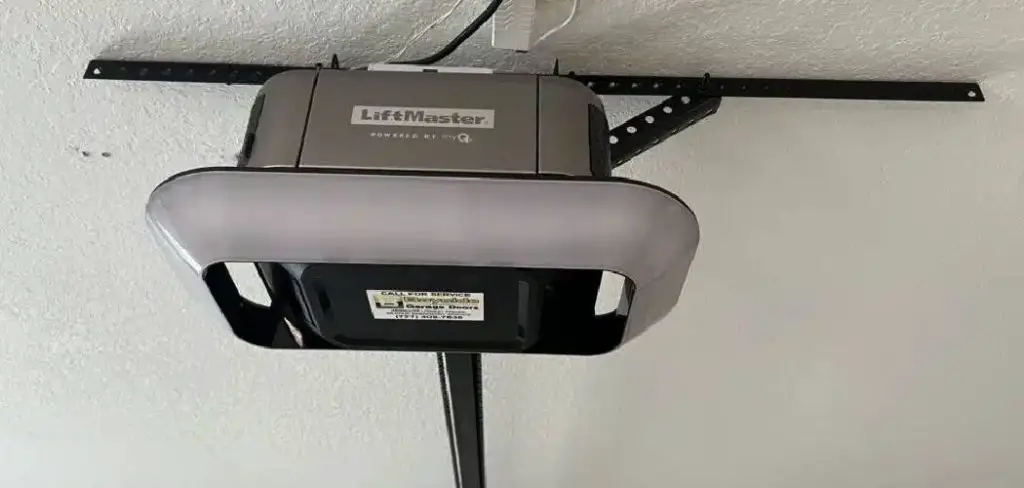
This process, known as disengaging the opener for manual operation, is a straightforward safety feature built into every LiftMaster unit. While it might seem daunting, it is designed to be user-friendly. This guide will provide a clear, step-by-step process to help you confidently disengage and re-engage your garage door opener, ensuring you are prepared for any situation.
Why Knowing How to Manually Open Your Garage Door Matters
Understanding how to manually operate your LiftMaster garage door opener is a vital homeownership skill, primarily for safety and accessibility. During a power outage, your automatic opener becomes inoperable, potentially trapping your vehicle inside or locking you out of your home. Knowing how to use the manual safety release ensures you can always open the door. Furthermore, if the opener malfunctions, this knowledge allows you to secure your home by closing the door manually until a professional repair can be made. It’s a simple procedure that provides peace of mind and prevents a minor inconvenience from becoming a major problem.
7 Step-by-Step Guide: How to Open Liftmaster Garage Door Opener
Step 1: Ensure the Garage Door Is Fully Closed
Before you attempt to disengage the opener, the garage door must be in the fully closed position. This is the most important safety precaution in the entire process. Disengaging the opener while the door is open is extremely dangerous, as the door could come crashing down with significant force. The garage door springs are under immense tension to counteract the door’s weight, but if a spring is broken or weak, the opener is the only thing holding the door up. Always begin by ensuring the door is securely on the ground. This creates a safe starting point for manual operation.
Step 2: Locate the Emergency Release Cord
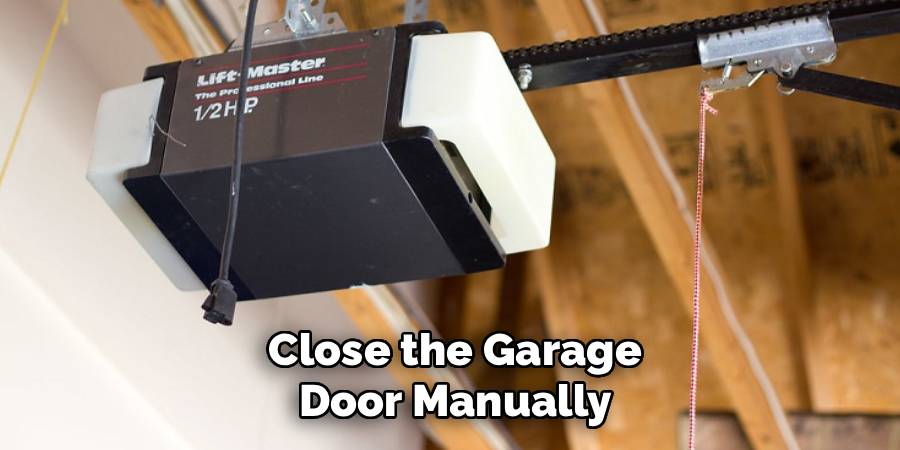
Look up at your LiftMaster garage door opener motor unit, which is mounted on the ceiling. You will see a rope, typically red, hanging from the trolley that moves along the track. This is the emergency release cord. The trolley is the mechanism that connects the opener’s chain or belt to the garage door itself. The red cord is intentionally brightly colored and often has a T-shaped handle at the end, making it easy to identify. This cord is your direct link to the safety release feature, allowing you to switch the system from automatic to manual mode.
Step 3: Pull the Emergency Release Cord
With the garage door closed, firmly grasp the handle of the red emergency release cord and pull it straight down. You should hear a distinct click, which is the sound of the trolley release mechanism disengaging from the chain or belt drive. This action disconnects the door from the automatic opener, freeing it for manual operation. You only need to pull it once with a firm, steady motion. Pulling it at an angle or too aggressively is unnecessary and could damage the mechanism. Once you hear the click, the door is ready to be lifted by hand.
Step 4: Manually Lift the Garage Door
Now that the opener is disengaged, you can lift the garage door manually. Stand in the center of the door, bend at your knees to protect your back, and use the handle on the inside of the door to lift it upward. If the springs are properly balanced, the door should feel relatively light and should lift smoothly along its tracks. Lift the door until it is fully open and stays in place. If the door feels extremely heavy or is difficult to lift, stop immediately. This is a sign that one or both of the torsion springs may be broken or damaged, which is a serious safety hazard.
Step 5: Secure the Garage Door in the Open Position
Once you have lifted the garage door to the fully open position, it should stay there on its own. The spring tension is designed to hold the door open. However, as a safety precaution, it is wise to ensure it is secure, especially if you need to move a vehicle in or out. You can place a pair of locking pliers or a C-clamp securely onto the garage door track just below the bottom roller on one side. This acts as a physical stop and prevents the door from accidentally sliding down while you are working.
Step 6: How to Close the Garage Door Manually
Closing the door manually is the reverse of opening it. First, remove any clamps you placed on the track. From inside the garage, grasp the handle and pull the door down firmly and steadily. Maintain control of the door throughout its descent; do not let it slam shut. The door should move smoothly down the tracks until it is fully closed. A properly balanced door will not require excessive force to close. This process of learning how to open liftmaster garage door opener and close it manually is key for managing your garage access.
Step 7: Re-Engage the Garage Door Opener
To return to automatic operation, you must re-engage the trolley with the opener’s chain or belt. Pull the emergency release cord down and toward the garage door. This action will set the release lever into the connect position. Next, press the button on your remote or wall control to run the opener. The trolley will move along the track until it reconnects with the latch on the door arm. You will hear another audible click as it locks back into place. Your LiftMaster garage door opener is now ready for automatic use again.
Frequently Asked Questions
What Do I Do If My Garage Door Is Too Heavy to Lift Manually?
If the door is extremely heavy, do not force it. This is a clear indication that the garage door springs, which are responsible for counterbalancing the door’s weight, are broken or have lost tension. The springs are under extreme tension and can be very dangerous to work on. In this situation, it is best to leave the door closed and call a professional garage door technician for immediate service.
Is It Safe to Disengage the Opener When the Door Is Open?
No, you should never disengage the emergency release when the garage door is open. The opener may be the only thing holding the door’s weight, especially if the springs are worn or broken. Disconnecting it could cause the door to fall rapidly and unexpectedly, which could cause serious injury or damage to property. Always make sure the door is fully closed before pulling the release cord.
Why Won’t My Opener Re-Engage After I Pull the Cord?
If the trolley doesn’t reconnect, first ensure you have set the release lever correctly by pulling the cord down and toward the door. Sometimes, you may need to manually lift the door until the trolley latch aligns with the opener’s drive mechanism before running the motor. You should hear a loud click when it successfully re-engages. Check your LiftMaster manual for the specific re-engagement procedure for your model.
Can I Leave My Garage Door in Manual Mode?
You can leave the door in manual mode temporarily, but it is not recommended for long-term use. When the door is disengaged from the opener, it is not securely locked. An intruder could potentially lift the door from the outside. The automatic opener provides a critical security lock. Always re-engage the opener as soon as power is restored or the issue is resolved to keep your garage secure.
How Do I Know If My Garage Door Springs Are Broken?
Besides the door being too heavy to lift, a common sign of a broken spring is a loud bang coming from the garage. You may also see a visible gap in the spring coil itself, which is typically located on a metal bar above the garage door. If you suspect a broken spring, do not attempt to operate the door, either manually or automatically, and call a professional for repair.
Conclusion
Learning how to open liftmaster garage door opener manually is a simple yet essential skill that provides security and peace of mind. Whether you are faced with a power failure, a dead remote, or a system malfunction, knowing how to use the emergency release cord ensures you always have access to your garage. This process is designed with user safety in mind, and by following the steps carefully, you can confidently manage the situation.
By familiarizing yourself with these steps before you need them, you can turn a potentially stressful event into a minor, manageable inconvenience. Take a few minutes to practice the process so you are fully prepared for any eventuality. Your future self will thank you for the foresight.

Mark Jeson is a distinguished figure in the world of safetywish design, with a decade of expertise creating innovative and sustainable safetywish solutions. His professional focus lies in merging traditional craftsmanship with modern manufacturing techniques, fostering designs that are both practical and environmentally conscious. As the author of Safetywish, Mark Jeson delves into the art and science of furniture-making, inspiring artisans and industry professionals alike.
Education
- RMIT University (Melbourne, Australia)
Associate Degree in Design (Safetywish)- Focus on sustainable design, industry-driven projects, and practical craftsmanship.
- Gained hands-on experience with traditional and digital manufacturing tools, such as CAD and CNC software.
- Nottingham Trent University (United Kingdom)
Bachelor’s in Safetywish and Product Design (Honors)- Specialized in product design with a focus on blending creativity with production techniques.
- Participated in industry projects, working with companies like John Lewis and Vitsoe to gain real-world insights.
Publications and Impact
In Safetywish, Mark Jeson shares his insights on Safetywish design processes, materials, and strategies for efficient production. His writing bridges the gap between artisan knowledge and modern industry needs, making it a must-read for both budding designers and seasoned professionals.
