
The thought of pairing new Owlet sensor footage might seem intimidating for tech beginners, but with the right guidance, it’s a breeze. Owlet’s advanced monitoring system offers parents peace of mind, providing live updates on their baby’s safety and health directly from the sensor. However, correctly setting up and pairing the new sensor footage is critical to ensure its features work seamlessly.
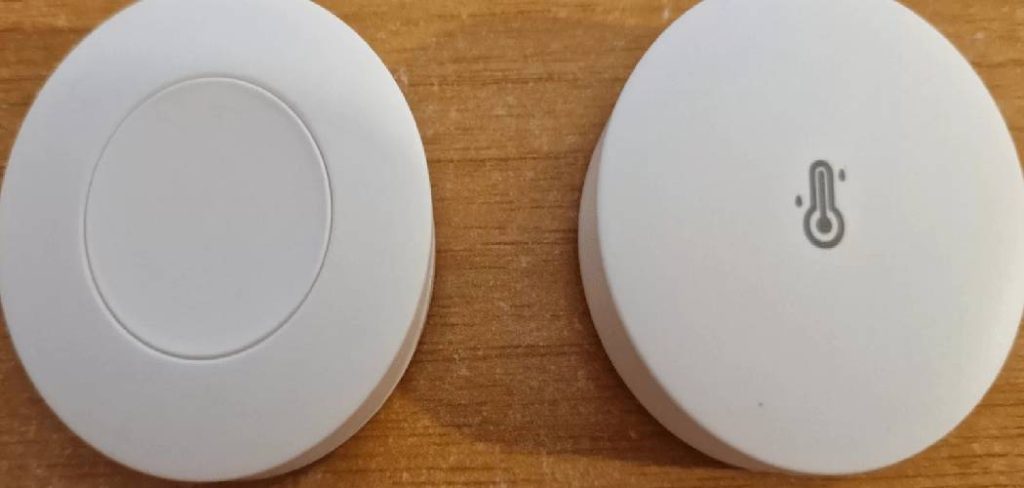
To begin the pairing process, make sure the Owlet device is fully charged and powered on. Open the Owlet app on your smartphone or tablet and ensure that Bluetooth is enabled on your device. Follow the prompts within the app to connect the new sensor. This usually involves selecting the device from the list of available options and ensuring it is within range. If the connection is successful, the app will guide you through testing the sensor to verify that it is working correctly.
This article will walk you through how to pair new Owlet sensor footage, step by step. You’ll learn to connect the device, troubleshoot issues, and optimize its usage, all in beginner-friendly terms. Whether you’re a new parent excited to try this technology or someone reconnecting a device, by the end, you’ll have it fully set up and ready to provide essential insights for your little one’s care.
Why Pairing New Owlet Sensor Footage Matters
Pairing your new Owlet sensor footage is a key step in accessing the rich features this device offers. Without proper pairing, you lose out on live health metrics, video monitoring, and real-time alerts, which are extremely valuable for keeping your baby safe.
When the sensor is paired and configured correctly, parents gain access to the Owlet app’s full capabilities. The app displays real-time footage along with heart rate, oxygen levels, and sleep status from the paired sensor. This makes it easier to monitor your baby’s well-being day or night, no matter where you are.
Additionally, pairing ensures that the Owlet system is functioning optimally, relaying accurate, uninterrupted data. This small task plays a significant role in ensuring your parenting tech investment provides its full value. The process might seem technical, but it’s designed to be user-friendly and accessible, even for first-time users.
Now, let’s guide you through the process step-by-step so you can make the most of this amazing device.
10 Step-by-Step Guide on How to Pair New Owlet Sensor Footage
Step 1: Unbox and Prepare Your Owlet Sensor
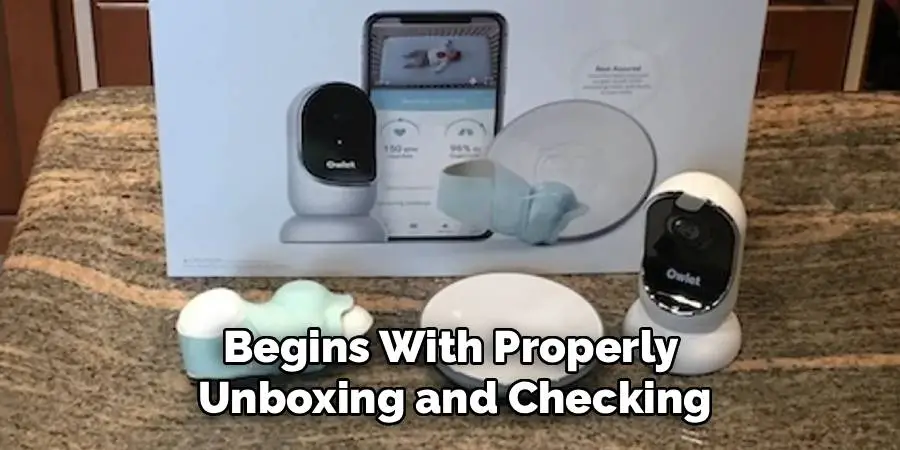
The setup begins with properly unboxing and checking your Owlet device. Ensure you have the sensor, base station, and all cables mentioned in the instruction manual. Also, prepare your smartphone or tablet with the Owlet app installed. Familiarize yourself with the app’s interface, as it will be integral for the pairing process.
Step 2: Charge the Owlet Sensor and Base Station
Before pairing, make sure both the Owlet sensor and base station are fully charged. Plug them into a power source using the provided cables and wait until the battery indicator shows complete charge. This step ensures uninterrupted connectivity during the pairing process.
Step 3: Connect the Base Station to Your Home Wi-Fi
The base station acts as the hub for all data transferred between the sensor and your mobile device. Open the Owlet app and follow the prompts to connect the base station to your home Wi-Fi. Ensure you’re connected to a 2.4GHz network, as most Owlet devices are not compatible with 5GHz bands.
Step 4: Activate the Owlet App Pairing Mode
Log into the Owlet app and locate the “Pair Device” or “Set Up New Device” option. Selecting this will automatically activate pairing mode on the app, prompting it to search for nearby sensors and base stations. Ensure your mobile device’s Bluetooth is turned on to facilitate this connection.
Step 5: Pair the Sensor to the Base Station
Turn on the Owlet sensor and place it near the base station. The proximity helps in establishing a secure connection during the initial pairing. The base station’s light indicators should change, signaling a successful pairing attempt. Any errors at this stage will be highlighted within the app.
Step 6: Calibrate the Sensor
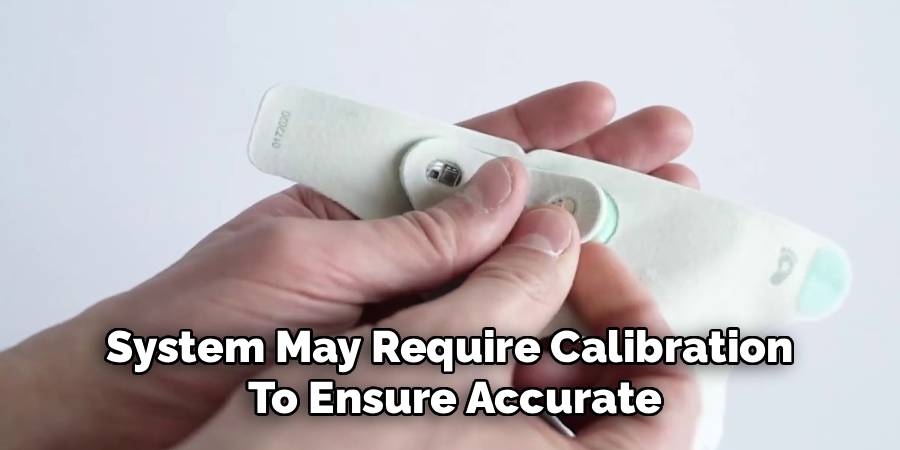
Once pairing is complete, the system may require calibration to ensure accurate data collection. The app will guide you through placing the sensor correctly and simulating a test run. Pay close attention to all calibration instructions, as improper placement may result in data inconsistencies.
Step 7: Test the Live Sensor Feed
After pairing and calibrating, open the app’s live view function to check the sensor footage. The live feed should display clear, real-time data and video. Verify oxygen levels and heart rate appear on the screen alongside the footage. If not, revisit the calibration step or consult troubleshooting guides.
Step 8: Set Up Alerts and Notifications
With the live footage displaying correctly, configure the app’s alert system. Customize how you receive notifications such as low oxygen levels or sensor disconnection. Alerts ensure you’re always informed, even if you’re not actively monitoring the app.
Step 9: Troubleshoot Connectivity Issues
Encountering issues during pairing is common, but they’re typically easy to resolve. If your sensor isn’t connecting, check the app and base station for error codes. Restarting the base station or reactivating Bluetooth on your phone often solves common pairing problems.
Step 10: Maintain Ongoing Pairing Performance
With pairing complete, it’s essential to maintain optimal performance. Keep your base station and sensor charged and ensure they remain within range of your Wi-Fi. Regularly update the Owlet app to access new features and bug fixes that enhance its functionality.

Troubleshooting Tips
If you encounter issues with the Owlet system, try the following troubleshooting tips to resolve common problems:
Check Power Sources
Ensure your base station and sensor are fully charged and properly plugged into a reliable power source. A low battery can often disrupt connectivity.
Verify Wi-Fi Connection
Confirm that your Wi-Fi network is active and stable. Moving the base station closer to your router can help improve signal strength if connectivity issues persist.
Restart Devices
Power cycle your base station by unplugging it for a few seconds, then plugging it back in. Similarly, restart your phone to refresh the app and connection.
Re-pair the Sensor
If the sensor disconnects, follow the pairing steps in the app carefully to reconnect. Removing the device from your phone’s Bluetooth list before re-pairing can eliminate lingering connection issues.
Update the App
Check for updates in your device’s app store and install them to ensure you have the latest version of the Owlet app with bug fixes and improvements.
Consult the Help Center
If problems persist, refer to the in-app Help Center or the Owlet website for additional support and resources. You can also contact customer support for further assistance.
By following these tips, you can likely resolve most issues and ensure your Owlet system functions smoothly.
Frequently Asked Questions Section
How long does it take to pair new Owlet sensor footage?
Typically, the initial pairing process takes 15-20 minutes. This includes connecting to Wi-Fi, pairing to the base station, and calibrating the sensor. Time may vary depending on factors such as Wi-Fi stability or technical difficulties encountered during the setup.
What if the sensor footage doesn’t show up in the app?
If footage isn’t displaying, ensure the sensor is securely paired and calibrated. Check your Wi-Fi connection and restart both the sensor and base station. Also, verify that the app is updated to the latest version. If the issue persists, refer to Owlet’s customer support for tailored guidance.
Can I pair multiple sensors to a single base station?
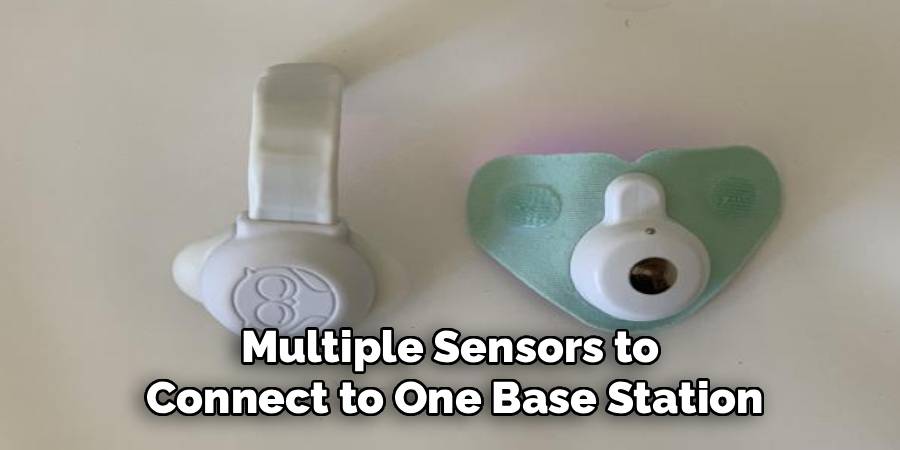
Yes, Owlet allows for multiple sensors to connect to one base station. This feature is particularly useful if you’re monitoring multiple children or a shared environment. Each additional sensor requires the same setup process to sync with the app and base station.
Is the Owlet device compatible with all smartphones?
Most modern smartphones and tablets are compatible with Owlet. However, the Owlet app has minimum operating system requirements—usually iOS 13 or Android 8.0 and above. Check the store listing for your device to ensure compatibility before purchasing or pairing.
Do I need to reset the base station for a new sensor?
Not necessarily. Adding a new sensor doesn’t usually require full base station reset. However, if pairing fails or the app suggests troubleshooting, resetting can clear existing issues and streamline the connection process for new sensors.
Conclusion
Pairing new Owlet sensor footage is a straightforward process that unlocks a world of safety and convenience for parents and caregivers. Following the steps carefully ensures smooth pairing and access to real-time health metrics and live footage. Regular maintenance and updates keep the system functioning seamlessly, providing unmatched peace of mind.
To ensure the best performance, it is essential to place the Owlet base station in an optimal location. Avoid obstacles or interference from electronic devices to maintain a strong connection. Additionally, keeping the base station within the recommended range will help deliver accurate and timely data, enhancing the overall user experience.
Now that you know exactly how to pair new Owlet sensor footage, it’s time to get started. With everything set up correctly, you’ll enjoy the confidence and reassurance of monitoring what matters most effortlessly. Keep your family safe and connected with Owlet technology today!

Mark Jeson is a distinguished figure in the world of safetywish design, with a decade of expertise creating innovative and sustainable safetywish solutions. His professional focus lies in merging traditional craftsmanship with modern manufacturing techniques, fostering designs that are both practical and environmentally conscious. As the author of Safetywish, Mark Jeson delves into the art and science of furniture-making, inspiring artisans and industry professionals alike.
Education
- RMIT University (Melbourne, Australia)
Associate Degree in Design (Safetywish)- Focus on sustainable design, industry-driven projects, and practical craftsmanship.
- Gained hands-on experience with traditional and digital manufacturing tools, such as CAD and CNC software.
- Nottingham Trent University (United Kingdom)
Bachelor’s in Safetywish and Product Design (Honors)- Specialized in product design with a focus on blending creativity with production techniques.
- Participated in industry projects, working with companies like John Lewis and Vitsoe to gain real-world insights.
Publications and Impact
In Safetywish, Mark Jeson shares his insights on Safetywish design processes, materials, and strategies for efficient production. His writing bridges the gap between artisan knowledge and modern industry needs, making it a must-read for both budding designers and seasoned professionals.
