
The convenience of keyless entry and start systems is undeniable, but it has introduced a new vulnerability that criminals are eager to exploit. Thieves no longer need to break a window or pick a lock; with the right technology, they can capture the signal from your key fob—even from inside your house—and steal your car in seconds. This high-tech method, known as a relay attack, has led to a surge in vehicle thefts, leaving many owners feeling helpless. Fortunately, there are effective strategies to fight back.
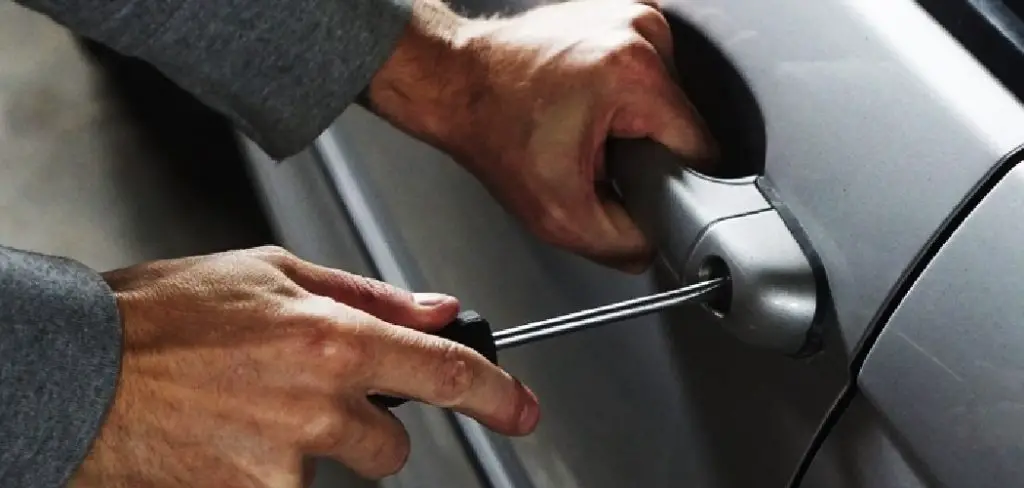
This guide will provide you with a layered defense plan to secure your vehicle. We will show you exactly how to prevent keyless car theft by combining simple habits, physical deterrents, and affordable technology to make your car a much harder target.
Why Preventing Keyless Car Theft Is Crucial
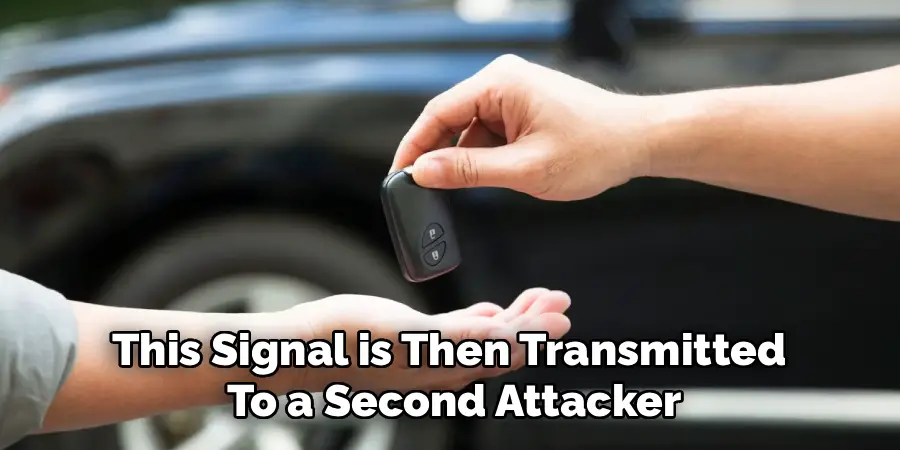
Understanding the threat is the first step toward effective prevention. Keyless car theft primarily relies on a technique called a “relay attack.” This involves two criminals working together with a pair of electronic devices. One stands near your home with a relay box that searches for and amplifies the signal from your key fob. This amplified signal is then transmitted to a second device held by an accomplice standing next to your car. The car is tricked into thinking the key is present, allowing the thief to unlock the doors, start the engine, and drive away.
This entire process can take less than a minute and is silent, leaving no signs of forced entry. The rise of this crime is alarming because it targets a feature designed for convenience, turning it into a security risk. Taking proactive steps to block these attacks is crucial to protect your significant investment, avoid the hassle and financial loss of a theft, and gain peace of mind.
7 Step-by-Step Guide: How to Prevent Keyless Car Theft
Step 1: Use a Faraday Pouch for Your Key Fob
The most direct method for relay attack prevention is to block your key fob’s signal. A Faraday pouch (or bag) is a signal-blocking device made with materials that create a shield around your key. When the fob is inside the pouch and sealed, its radio frequency identification (RFID) signal cannot escape. This means thieves’ relay boxes cannot detect or amplify it. These pouches are affordable and easy to use. Simply place your key fob, including your spare, inside a pouch whenever you are not using it, especially at home. This simple action completely neutralizes the threat of a relay attack.
Step 2: Invest in a Physical Deterrent
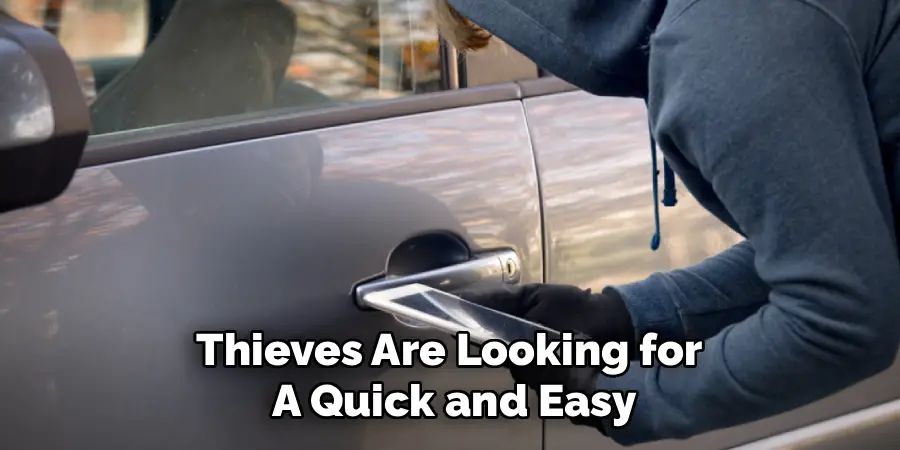
Thieves are looking for a quick and easy target. A highly visible physical deterrent can be enough to make them move on to a less-protected vehicle. Classic security devices like a steering wheel lock (such as The Club), a brake pedal lock, or a wheel clamp are incredibly effective. Even if a thief manages to get inside your car and start the engine, they cannot drive away without first dealing with the physical lock. This requires time, effort, and often noisy tools, which is exactly what a car thief wants to avoid. These devices are a simple, low-tech, and powerful layer of your car security system.
Step 3: Keep Keys Away from Doors and Windows
Your key fob is constantly emitting a low-level signal. While weak, this signal can be captured and amplified by a relay device from outside your home. To minimize this risk, never leave your keys on a hook by the front door or on a table near an exterior wall or window. Instead, make it a habit to store your keys in the center of your house, as far away from the exterior as possible. Placing them in a metal tin or a microwave oven (when not in use) can also work as a makeshift signal-blocking container, adding another barrier for thieves to overcome.
Step 4: Install a GPS Tracker or Aftermarket Immobilizer
For an advanced layer of protection, consider professional electronic car security systems. A GPS tracker provides powerful vehicle tracking capabilities, allowing you and law enforcement to monitor your car’s location in real-time if it is stolen, significantly increasing the chances of recovery. An even stronger measure is an aftermarket immobilizer or a hidden kill switch. These devices prevent the engine from starting or running without a separate authentication step, such as a unique PIN code entered on the dashboard buttons or a secondary fob. This is a key part of how to prevent keyless car theft, as it stops the theft even if a relay attack is successful.
Step 5: Disable the Keyless Entry Feature
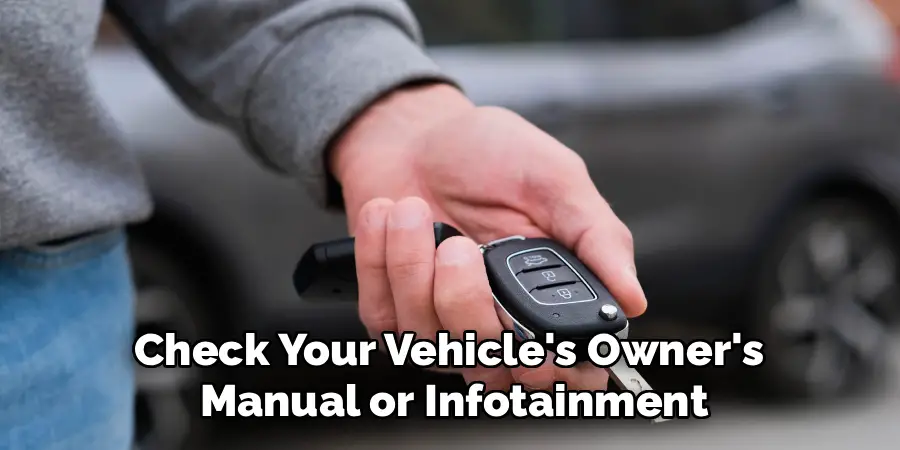
On some vehicles, you may have the option to disable the passive keyless entry feature. This means the car will no longer automatically unlock when you approach it; instead, you would need to press the button on the key fob to unlock the doors. While this removes some of the convenience, it can also disrupt a thief’s ability to perform a relay attack. Check your vehicle’s owner’s manual or infotainment settings menu to see if this option is available. On some models, this change may need to be made by a dealership.
Step 6: Park Strategically
Where and how you park can make a significant difference. If you have a garage, use it. A car parked in a locked garage is a much harder target. If you must park outside, choose a well-lit, high-traffic area. When parking in a driveway, consider installing motion-activated security lights or cameras. You can also make your car more difficult to steal by parking it defensively. Back it in close to a wall, another car, or an obstacle. This makes it harder for a thief to make a quick getaway or for a tow truck to haul it away.
Step 7: Update Your Vehicle’s Software
Vehicle manufacturers are aware of the vulnerabilities in keyless entry systems and sometimes release software updates to improve security. These patches can reduce the risk of relay attacks by changing how the car communicates with the key fob. Some updates may cause the fob to go into a sleep mode after a period of inactivity, which stops it from emitting a signal. Check with your dealership to see if there are any available security-related software updates for your specific make and model. Keeping your car’s firmware current is an important part of modern vehicle maintenance.
Relay Attack Mechanism
Relay attacks exploit the wireless communication between a car and its key fob to gain unauthorized access. These attacks typically involve two perpetrators working together with specialized equipment. One attacker gets close to the key fob, often by being near the owner at home or in public, and uses a relay device to capture the fob’s signal. This signal is then transmitted to a second attacker positioned near the target vehicle, allowing them to unlock and even start the car as if they had the actual key. This form of attack is particularly dangerous because it can occur without the owner’s knowledge and often leaves no visible sign of tampering.
Frequently Asked Questions
Do Faraday Pouches Really Work?
Yes, a well-made Faraday pouch is one of the most effective and affordable signal-blocking devices. It works by creating an enclosure of conductive material that blocks external static and non-static electric fields, effectively stopping your key fob’s signal from being read. It’s crucial to buy a reputable brand and to test it yourself by placing the fob in the pouch and trying to unlock your car while standing next to it.
Will a Steering Wheel Lock Actually Stop a Thief?
While a determined thief with the right tools can eventually defeat a steering wheel lock, it acts as a powerful deterrent. It adds significant time, noise, and effort to a theft, which is precisely what thieves want to avoid. The high visibility of the lock alone is often enough to make a thief skip your car and look for an easier target. It’s an excellent and cost-effective layer of security.
Can Thieves Drive My Car Away if They Get Inside?
In a typical relay attack, yes. The attack tricks the car into thinking the key is present, which not only unlocks the doors but also authorizes the push-button start. Once the engine is running, a thief can usually drive the car until it is turned off or runs out of fuel. This is why additional measures like a kill switch, aftermarket immobilizer, or a physical lock are so important.
Is Disabling My Car’s Keyless Entry Feature Difficult?
This depends entirely on your vehicle’s make and model. On some cars, it’s a simple setting you can change in the infotainment menu under “Vehicle” or “Locking” settings. For other manufacturers, you may need to press a specific combination of buttons on the key fob itself. In some cases, the feature can only be disabled by a dealership with specialized software. Check your owner’s manual for specific instructions.

Will an Aftermarket Car Alarm Prevent a Relay Attack?
A standard car alarm will not prevent a relay attack on its own. Since the attack mimics the presence of your actual key, the car’s factory security system is disarmed just as it would be for you. An aftermarket alarm may offer additional sensors (like tilt or glass-break sensors) that could be triggered during the theft, but it doesn’t stop the initial intrusion or engine start. It should be used in combination with other preventative measures.
Conclusion
The threat of keyless car theft is real, but you are not powerless against it. By adopting a layered security strategy, you can make your vehicle a significantly less appealing target. The most effective approach combines signal-blocking devices to counter relay attacks, visible physical deterrents to frustrate thieves, and smart habits to reduce your overall risk. No single solution is foolproof, but together, these measures create a formidable defense.
Protecting your vehicle requires a proactive mindset. By understanding the risks and implementing the practical steps outlined here, you will have the knowledge you need for how to prevent keyless car theft and safeguard your valuable asset.

Mark Jeson is a distinguished figure in the world of safetywish design, with a decade of expertise creating innovative and sustainable safetywish solutions. His professional focus lies in merging traditional craftsmanship with modern manufacturing techniques, fostering designs that are both practical and environmentally conscious. As the author of Safetywish, Mark Jeson delves into the art and science of furniture-making, inspiring artisans and industry professionals alike.
Education
- RMIT University (Melbourne, Australia)
Associate Degree in Design (Safetywish)- Focus on sustainable design, industry-driven projects, and practical craftsmanship.
- Gained hands-on experience with traditional and digital manufacturing tools, such as CAD and CNC software.
- Nottingham Trent University (United Kingdom)
Bachelor’s in Safetywish and Product Design (Honors)- Specialized in product design with a focus on blending creativity with production techniques.
- Participated in industry projects, working with companies like John Lewis and Vitsoe to gain real-world insights.
Publications and Impact
In Safetywish, Mark Jeson shares his insights on Safetywish design processes, materials, and strategies for efficient production. His writing bridges the gap between artisan knowledge and modern industry needs, making it a must-read for both budding designers and seasoned professionals.
