
Programming a Harley key fob is an essential process for ensuring your motorcycle’s security and functionality.
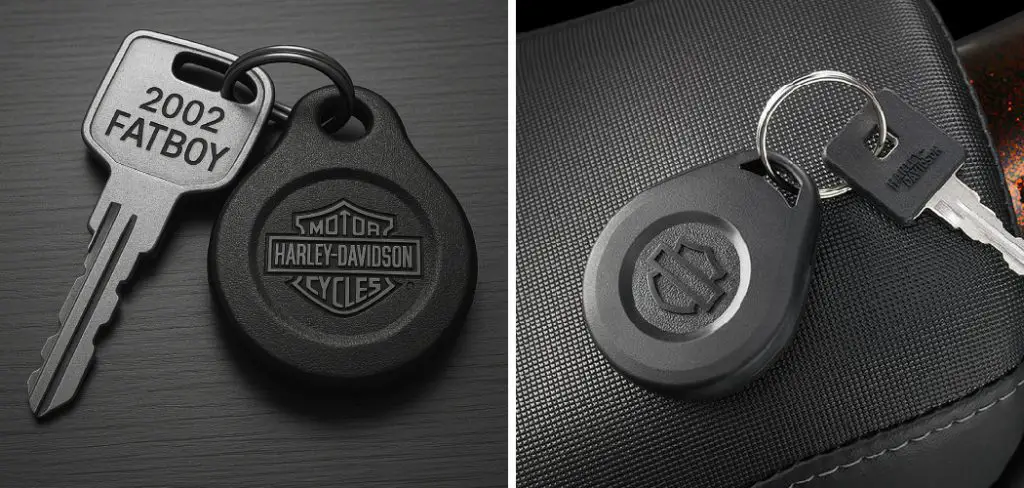
Whether you’ve purchased a new key fob or need to reprogram an existing one, the steps involved are straightforward and can be completed with minimal tools. This guide will walk you through the process of how to program harley key fob, ensuring it works seamlessly with your Harley-Davidson motorcycle.
Understanding the Harley Key Fob
The Harley key fob is a small, wireless device designed to provide both convenience and security for Harley-Davidson motorcycle owners. It operates using Radio Frequency Identification (RFID) technology, allowing your motorcycle to recognize when the key fob is within range.
This ensures ease of use, as you can start your bike without manually inserting a key. Additionally, the key fob plays a vital role in activating and deactivating your motorcycle’s security system, protecting it from theft. Understanding the functionality of your key fob is crucial before programming it, as it lays the foundation for proper usage and troubleshooting when needed.
Preparing to Program Your Harley Key Fob
Before beginning the programming process, ensure you have all the necessary tools and information at hand. You’ll need your key fob, your motorcycle’s owner’s manual, and an understanding of your bike’s specific security system. Familiarize yourself with your motorcycle’s dashboard controls, as these will be used during the programming steps.
Make sure your motorcycle is in a secure and well-lit area to avoid distractions or interruptions. Additionally, ensure your key fob has a fresh battery to prevent any issues during the process. Taking these preparatory steps will help streamline the programming and reduce the chances of errors.
10 Methods How to Program Harley Key Fob
1. Understand the Security System Type Installed on Your Harley
Before attempting to program a Harley key fob, it’s essential to understand which type of security system is installed on your motorcycle. Harley-Davidson has used several types of security modules, including the Hands-Free Security Module (HFSM) and the earlier TSSM (Turn Signal Security Module).
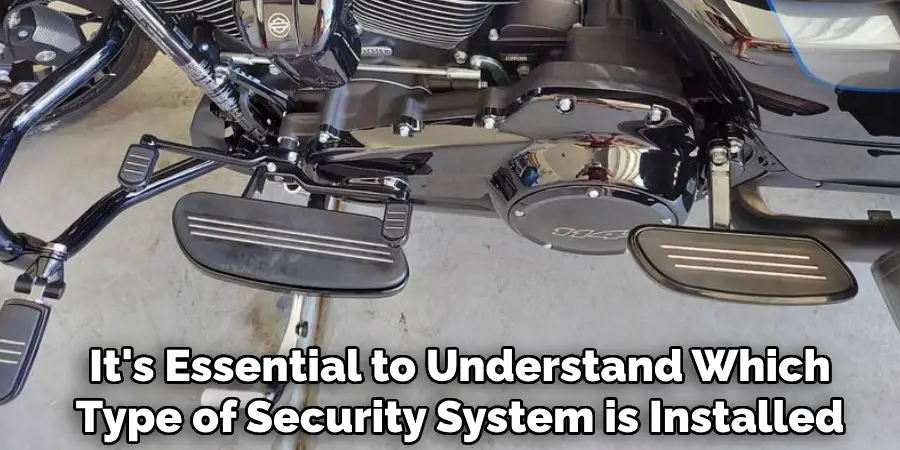
Programming procedures vary depending on the system and model year of your bike. Refer to your owner’s manual or service manual to determine which module your bike uses. This foundational knowledge prevents unnecessary troubleshooting and ensures you follow the right method from the beginning.
2. Ensure Both the Motorcycle and Fob Batteries Are Fully Charged
A common oversight when programming a Harley key fob is not checking the battery status of the motorcycle or the fob itself. For successful programming, the motorcycle battery must be strong enough to support ignition cycles, and the key fob must have a fresh battery to communicate effectively with the security module.
Replace the fob battery with a new CR2032 lithium coin cell if you’re unsure of its condition. Also, make sure the motorcycle is in good working order and not displaying any low battery warning signs on the dash.
3. Set the Motorcycle into “Run” Mode without Starting the Engine
To start the programming process, sit on the motorcycle and make sure the kill switch is in the “Run” position. Do not start the engine. Instead, turn the ignition key to “IGN” (ignition on) while keeping the engine off. This will power up the security system, the instrument cluster, and allow access to programming functions.
For some models, this step initiates communication between the fob and the Hands-Free Security Module, creating a temporary programming window that remains open for about 30 seconds.
4. Use the Turn Signal Method for TSSM-Equipped Harleys
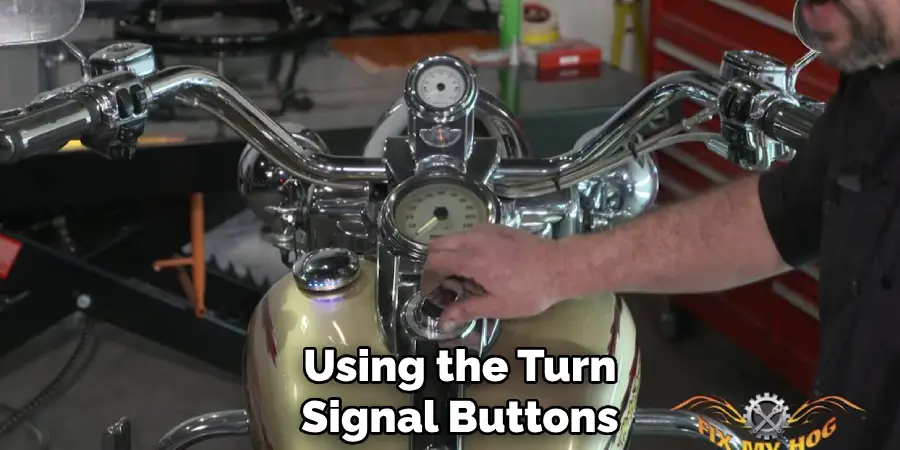
On Harley models equipped with the older Turn Signal Security Module (TSSM), programming a fob requires a specific sequence using the turn signal buttons. Turn the ignition key to “IGN,” then quickly cycle it between “IGN” and “OFF” five times, ending on “IGN.”
Immediately after the fifth cycle, press the left turn signal twice, then the right turn signal once. If done correctly, the turn signals will flash, indicating the bike is in programming mode. From there, hold your new key fob near the antenna coil, typically located near the ignition switch, until the signals flash again—signaling the successful pairing of the fob.
5. Use PIN Override to Pair a New Fob on HFSM Systems
For Harley-Davidson motorcycles with the Hands-Free Security Module (HFSM), you can use the existing personal PIN code to pair a new fob. If you know your 5-digit PIN, turn the ignition to “IGN” while holding both turn signal buttons.
The display will prompt you to enter the PIN using the left and right turn signal buttons to scroll and confirm each digit. Once your PIN is accepted, the system unlocks, allowing you to pair a new key fob by holding it within range (around 2 feet). You may hear the security light flash or a brief chirp from the bike’s alarm.
6. Contact the Dealer If You Have No Working Fob or PIN
If you’ve lost your only working fob and don’t know your override PIN, you’ll need to visit a Harley-Davidson dealership. The dealership can connect your bike to the Digital Technician II system, which interfaces with the motorcycle’s security module.
With proper ownership documentation, they can reset the PIN and program a new fob for you. While this process may involve additional cost, it guarantees proper programming and avoids accidental immobilization of your motorcycle due to failed attempts.
7. Program Multiple Fobs During the Same Session
If you have more than one key fob to program, you should do so within the same session. Once the bike enters programming mode, you typically have 30 to 60 seconds to complete the pairing process for each additional fob.
Hold each fob within close proximity to the antenna coil or under the seat, depending on the model, and wait for the security light to flash or the signals to blink. Confirm each fob functions by walking away and returning to the bike—the alarm should disarm automatically upon detecting the fob.
8. Test the Programmed Fob before Relying on It
Once programming is complete, turn the ignition off and walk several feet away from the motorcycle. Wait about 30 seconds, then return with the newly programmed fob in hand. The security light on the dash should turn off, indicating the fob has successfully disarmed the system.
Test this a few times, including trying to start the bike with and without the fob present. Proper testing ensures you’re not caught in a situation where your fob doesn’t function while you’re far from home or tools.
9. Record Your PIN and Store It Securely
After successfully programming a key fob, always ensure your Personal Identification Number (PIN) is known and recorded. You can change the PIN using your current fob by following instructions in the owner’s manual or accessing the security settings on your instrument panel.
Store this number in a secure location, such as a phone note with encryption, or written in a place only you can access. The PIN serves as your emergency override, especially useful if your fob is lost or the battery dies in a remote location.

10. Keep a Spare Fob and Battery in a Safe Place
It’s wise to keep an additional key fob and battery as a backup. Store the spare fob away from the bike to avoid signal interference or theft. Label it clearly and check its battery annually. Having a second fob means you can reprogram it at home if the primary fob fails.
Additionally, keeping a spare CR2032 battery and small screwdriver in your saddlebags or toolkit can be invaluable if your key fob fails on the road, saving you time, stress, and potential towing costs.
Maintenance and Upkeep
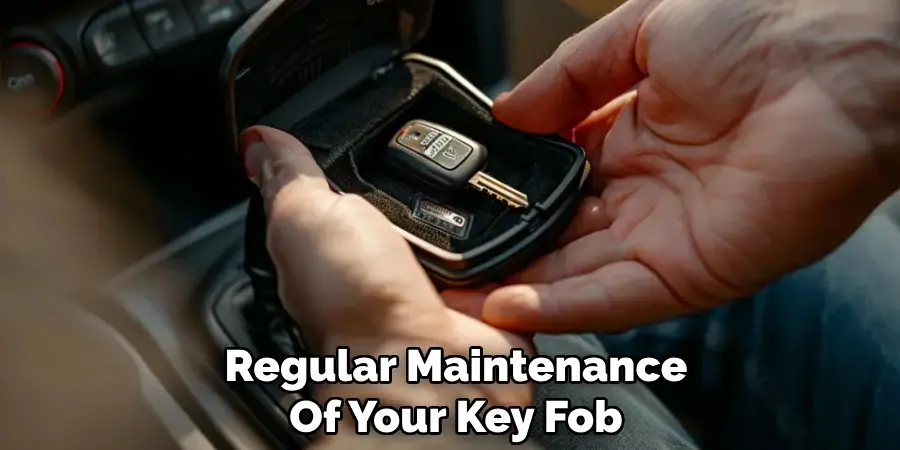
Regular maintenance of your key fob is essential to ensure it operates reliably. Begin by inspecting the fob’s condition periodically, checking for visible damage such as cracks or worn buttons. Cleaning the fob with a soft, dry cloth helps remove dirt and debris that can accumulate over time.
Additionally, monitor the battery’s performance and replace it as needed; most fobs use a CR2032 battery, which is simple to replace with a small screwdriver. Avoid exposing the key fob to extreme temperatures or moisture, as these conditions can damage the internal components. By dedicating time to proper upkeep, you can extend the life of your key fob and avoid unexpected issues.
Alternative Methods and Tips
If your key fob begins to malfunction and basic maintenance does not resolve the issue, there are alternative methods to consider. First, try reprogramming the fob by following the instructions in your vehicle’s manual; many vehicles allow users to reset their fobs at home.
Alternatively, consider visiting a locksmith or dealership to have the key fob professionally inspected and reprogrammed if needed. For added protection, investing in a key fob cover can shield it from accidental drops, scratches, and environmental damage. Additionally, always keep a spare battery and backup key fob, if possible, to avoid being stranded. Remember to store your fob away from electronic devices that may interfere with its signal, such as mobile phones or Wi-Fi routers. By adopting these practices, you can enhance the reliability and functionality of your key fob.
Conclusion
In conclusion, properly maintaining and caring for your key fob can save you both time and money while extending its lifespan. By following preventative measures such as regular inspections, safe storage, and using protective accessories, you can ensure your key fob remains in excellent working condition.
With just a little effort and attention, you can avoid unnecessary inconveniences and enjoy the seamless convenience your key fob provides.

Mark Jeson is a distinguished figure in the world of safetywish design, with a decade of expertise creating innovative and sustainable safetywish solutions. His professional focus lies in merging traditional craftsmanship with modern manufacturing techniques, fostering designs that are both practical and environmentally conscious. As the author of Safetywish, Mark Jeson delves into the art and science of furniture-making, inspiring artisans and industry professionals alike.
Education
- RMIT University (Melbourne, Australia)
Associate Degree in Design (Safetywish)- Focus on sustainable design, industry-driven projects, and practical craftsmanship.
- Gained hands-on experience with traditional and digital manufacturing tools, such as CAD and CNC software.
- Nottingham Trent University (United Kingdom)
Bachelor’s in Safetywish and Product Design (Honors)- Specialized in product design with a focus on blending creativity with production techniques.
- Participated in industry projects, working with companies like John Lewis and Vitsoe to gain real-world insights.
Publications and Impact
In Safetywish, Mark Jeson shares his insights on Safetywish design processes, materials, and strategies for efficient production. His writing bridges the gap between artisan knowledge and modern industry needs, making it a must-read for both budding designers and seasoned professionals.
