
Commercial door knobs are designed to withstand heavy use, enhance security, and ensure smooth operations in bustling environments like offices, schools, hospitals, warehouses, and retail spaces.
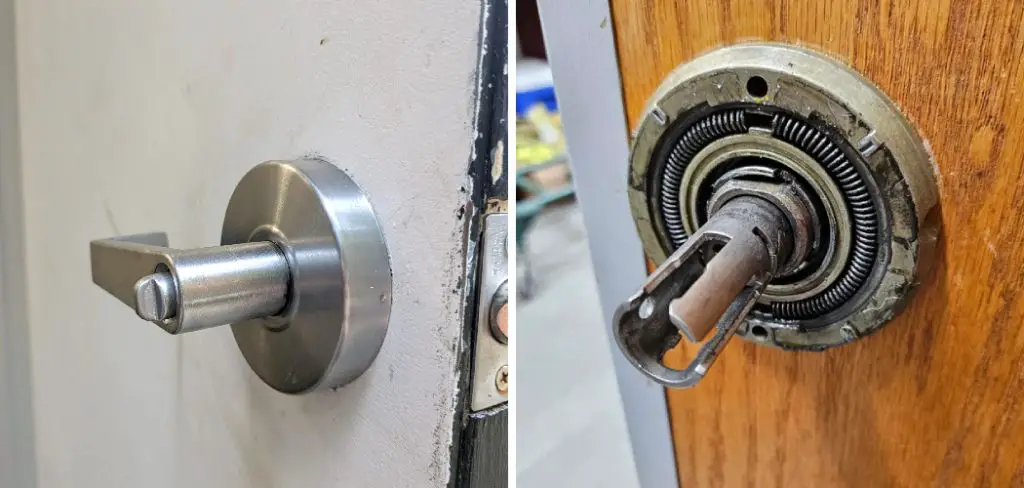
There are many situations where you might need to remove a commercial door knob—whether it’s for routine maintenance, addressing a malfunction, upgrading to a more secure model, or simply replacing an outdated fixture with something fresher and more efficient. Understanding how to remove commercial door knob hardware can save you time, money, and frustration, especially if you’re a building manager or facility maintenance worker.
Unlike residential counterparts, commercial door knobs typically have more robust features and often include anti-tamper and security mechanisms. The added complexity can make removal seem intimidating, but with the right approach and a clear understanding of the process, you can tackle the task safely and efficiently.
This guide walks you through everything you need: from identifying your door knob type and assembling the right tools to practical, step-by-step removal instructions, troubleshooting challenges, and preparing your door for a new installation. By the end, you’ll feel confident about handling commercial door hardware, ensuring your workspace remains secure and fully functional.
Tools and Materials You’ll Need
Essential Tools
Every commercial door knob removal job starts with the right tools. Gather a high-quality Phillips and flathead screwdriver, as you’ll encounter various screw types and depths. An Allen wrench (hex key) is crucial for some knobs, especially those with concealed set screws. Don’t forget a sturdy flashlight or headlamp—proper lighting ensures you see hidden screws or internal parts clearly and reduces the risk of losing small components during removal.
Additional Tools for Specialized Knobs
Some commercial door knobs feature specialized designs that require extra attention. A spudger or plastic pry tool can help with snapping off decorative cover plates without scratching finishes. For heavy-duty knobs or locks with unusual fasteners, a multi-tool set with torx bits or security screwdrivers may be necessary. Always check the knob’s manufacturer documentation—unique models may call for more specialized tools to prevent damage and guarantee smooth removal.
Types of Commercial Door Knobs
Key Differences Between Commercial and Residential Door Knobs
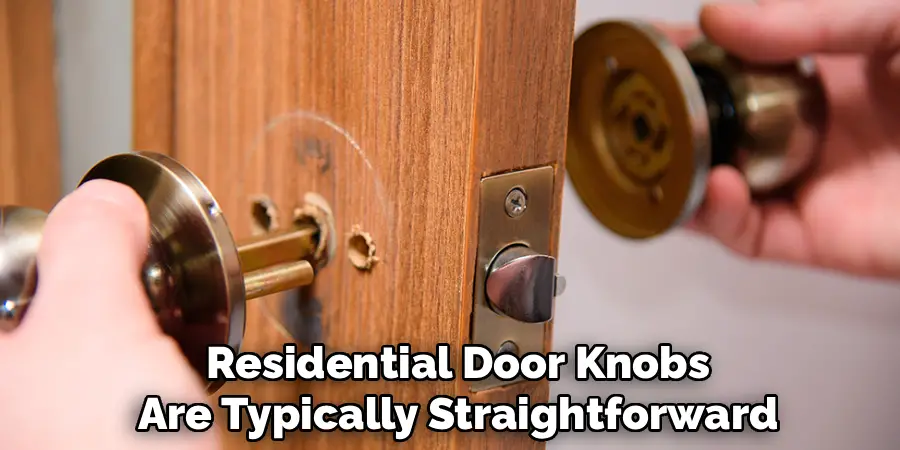
Residential door knobs are typically straightforward, designed for the average homeowner’s needs. In contrast, commercial options must handle far more wear and tear and are often built to higher security standards. Commercial knobs use stronger materials like heavy-duty metals and can be equipped with complex locking mechanisms, anti-tamper features, and additional internal reinforcements. As such, the process of learning how to remove commercial door knob hardware is generally more involved, with additional steps to account for the enhanced build.
Common Models of Commercial Door Knobs
There are several varieties you’ll encounter on commercial doors, each with characteristics that affect removal:
- Cylindrical Knobs: Common in offices and general-use areas, these are installed through a bore in the door and usually secured with screws or hidden fasteners accessible on the knob or rose plate.
- Mortise Knobs: Found in high-security and older buildings, mortise locks require access to an internal body or case embedded in the door’s edge. Removal involves dealing with both the exterior handle and the interior locking mechanism.
- Interconnected Knobs: These combine a knob and deadbolt for quick egress, often used in multi-tenant spaces. You’ll often need to manage two separate mechanisms simultaneously during removal.
Identifying your knob’s type before attempting removal will make the process smoother and prevent accidental damage.
Preparation Before Removal
Secure the Workspace
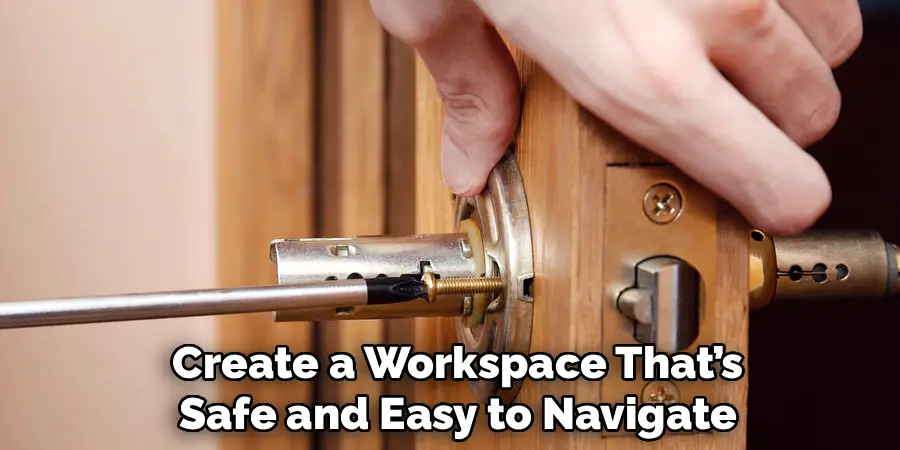
Before you dive into the removal process, create a workspace that’s safe and easy to navigate. Alert nearby staff or building occupants if working in a public space to minimize disruptions.
Prop the door open and ensure it’s stable—this prevents the door from shifting or closing mid-task. Lay down a cloth or towel to catch small screws or to set aside hardware as you work. Good lighting is essential, so position a lamp or wear a headlamp to illuminate the work area thoroughly.
Understand the Lock System
Take a close look at the door knob you’re about to remove. Determine if it locks with a key, thumb turn, push button, or some other mechanism. Identifying how the commercial door knob locks will help you spot hidden fasteners or release points, and is crucial for planning the removal method.
Refer to the manufacturer’s manual if it’s available—some commercial models have unique security features or proprietary mechanisms that must be addressed first to avoid damaging the hardware.
Locating Screws and Hidden Fasteners
Removing Decorative Plates or Covers
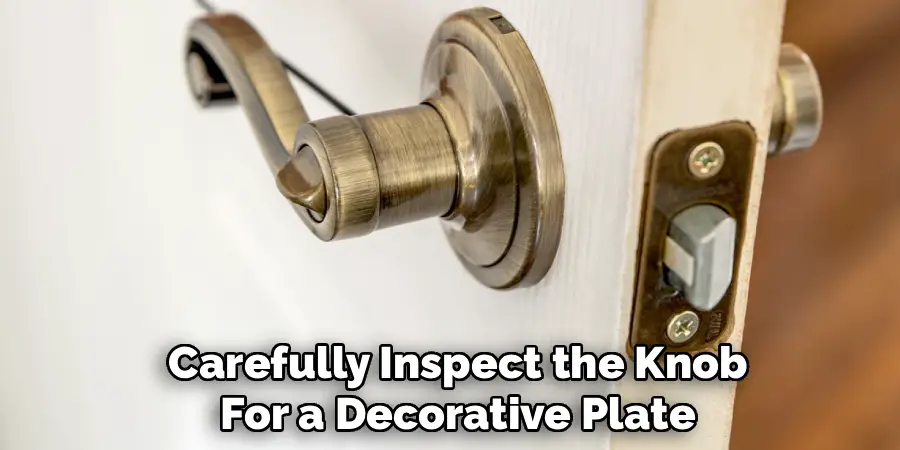
Commercial knobs often conceal their fasteners for security and aesthetics. Carefully inspect the knob for a decorative plate (sometimes called a rose or escutcheon) on the inside face. Insert a flathead screwdriver or plastic spudger between the plate and the door, and gently twist to pry it off.
Work slowly to prevent chipping paint or damaging the plate. Once removed, you’ll typically see the main mounting screws or release buttons that secure the knob assembly.
Identifying Fasteners in Uncommon Places
Don’t assume all screws are immediately visible. Some commercial door knobs hide fasteners under labels, inside the knob shank, or even under the latch faceplate on the door’s edge. Examine the hardware from multiple angles using your flashlight.
Look for tiny holes, set screws, or notched openings on the base of the knob or lever. If you find a hex or star-shaped opening, retrieve the necessary Allen wrench or torx bit for removal. Consult manuals or manufacturer diagrams where possible to avoid missing any hidden fasteners.
How to Remove Commercial Door Knob: Step-by-Step Guide
Loosening Exterior Components
Begin by unscrewing any exposed screws you’ve located beneath the decorative plate or on the face of the knob assembly. For knobs secured with set screws, insert the correct-sized Allen wrench and turn counterclockwise to loosen. Some knobs require you to depress a release button or tab, which you can do using a small flathead screwdriver; this may allow you to slide the knob or lever off the spindle.
Once the outer knob, handle, or cover is free, set it aside with care. If you encounter decorative rings or shields, remove these as well—they may have their own set screws underneath or be gently pried away with a spudger.
Extracting the Core Mechanism
With the exterior components out of the way, locate the mounting screws or chassis fasteners that anchor the internal mechanism to the door. Loosen and remove these with your screwdriver. For cylindrical models, the core may slide out with a gentle pull or by wiggling the spindle assembly. Mortise locks might require unscrewing bolts on the door’s edge and carefully extracting the entire internal case.
As you extract internal parts, take note of their arrangement; snapping a quick photo can help you during reinstallation. Be cautious—internal springs or small levers may pop out, especially on interconnected locking systems. Gently pull the remaining hardware free from the door.
Troubleshooting Difficulties During Removal
Dealing with Stuck Screws or Plates
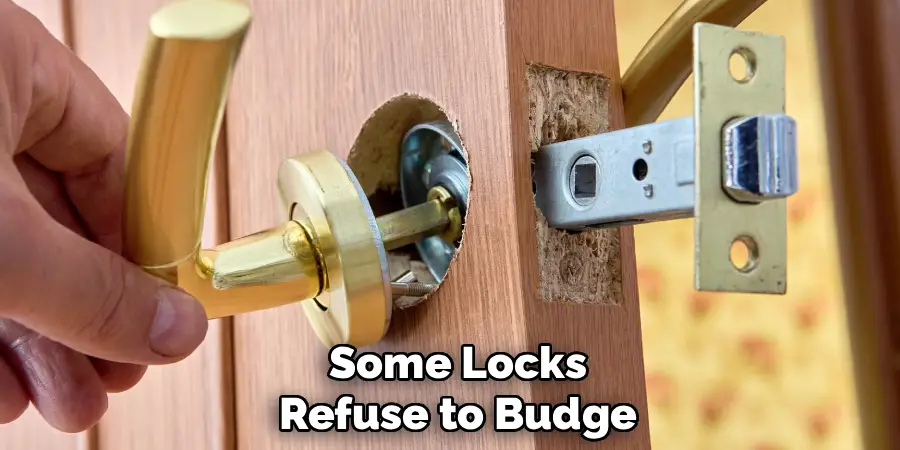
Sometimes, screws or plates simply refuse to budge due to rust, old paint, or overtightening. If a screw is stripped, place a wide rubber band over the head and press your screwdriver firmly into it for greater grip.
Apply a bit of penetrating oil (like WD-40) to corroded areas and let it sit for a few minutes before attempting removal again. Use needle-nose pliers for screws with rounded heads, and always avoid forcing parts—this could damage the door or surrounding hardware.
Addressing Security Locks or Anti-Tamper Features
Some commercial door knobs are intentionally designed to resist unauthorized tampering with hidden or “one-way” security screws. In these cases, special tools may be needed—like a spanner bit or a security screwdriver.
Sometimes, unlocking the mechanism with the original key is a required first step, as this can retract hidden catches or locking pins inside the knob. If you’re struggling with a stubborn anti-tamper feature, consult the product manual or seek advice from the manufacturer.
Gaining Access to the Latch Assembly
Removing the Latch
Once the knob and internal mechanism have been removed, it’s time to tackle the latch assembly. Locate the screws on the latch faceplate found along the door’s edge. Use a screwdriver to loosen and remove them. Once unscrewed, gently pull the latch mechanism out of the door.
On some heavy-duty commercial models, the latch assembly may be held in with additional hardware or may require a slight twist to fully release. Take your time, especially if the latch appears stuck; a bit of wiggling back and forth can free it up without damaging the door material.
Inspecting the Door for Alignment Issues
With the latch removed, inspect the door’s recess for debris, damage, or warping. Look for splintered wood, bent metal strike plates, or signs of uneven wear—these can all affect future installations. Make any necessary repairs to ensure a snug fit. Also, check that the existing strike plate on the door frame still lines up properly; an off-center latch or misaligned strike plate can cause issues with the new installation.
Preparing the Door for a New Knob
Cleaning and Repairing
Before you install a new commercial door knob or reattach the original, take a few moments to clean the area thoroughly. Remove dust, old lubricant, or debris from the recesses. Use a damp cloth to wipe down the surfaces, and dry them completely. If you notice chipped paint or minor wood splintering around the mounting holes, sand the area smooth or apply wood filler as needed.
Verifying Component Compatibility
It’s vital to confirm that your new knob or replacement parts are a perfect match for your door’s existing bore holes and latch recess. Measure the diameter of the knob hole, backset distance, and thickness of the door. Compare these measurements with the specifications of the new hardware. Many commercial knobs come with adjustable components, but confirming fit in advance avoids headaches during installation.
Reinstallation or Finishing the Job
If your goal is to reinstall a commercial door knob after performing repairs or upgrades, reverse the removal process. Start by inserting the latch assembly and securing it with the provided screws. Align the internal knob mechanism or lock chassis with the door’s bore holes and fasten all mounting screws tightly.
Attach the exterior and interior knobs or levers, making sure they engage the internal spindle and lock correctly. Replace decorative plates and covers, snapping or screwing them into place as needed. Once assembled, test the knob for smooth operation and verify that both the latch and any locking mechanisms engage and release without sticking. Tighten all screws, ensuring everything is stable and securely mounted.
Preventative Maintenance Advice
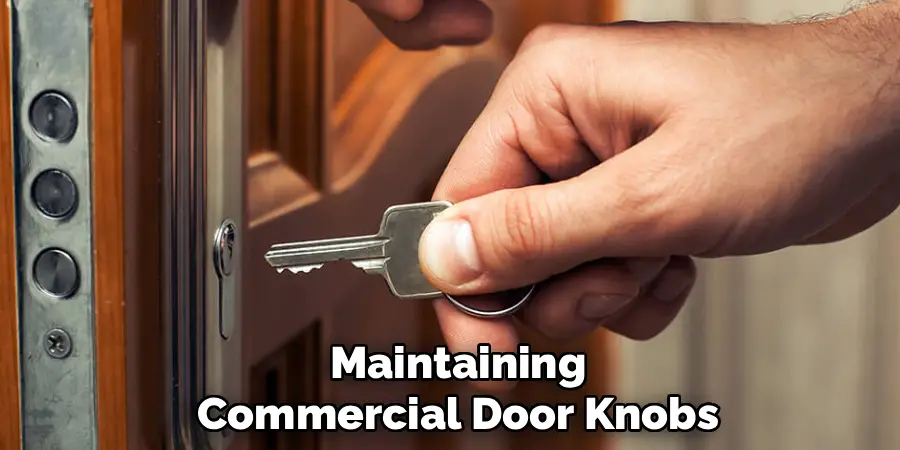
Maintaining commercial door knobs extends their lifespan and reduces the likelihood of major repairs. Periodically check all mounting screws and tighten if necessary.
Lubricate keyholes and moving parts using a locksmith-recommended lubricant, not oil-based products. Inspect knobs for looseness or unusual resistance, and address small issues promptly before they result in stuck locks or more involved removal tasks.
Conclusion
Removing a commercial door knob may initially appear daunting, but with preparation, patience, and the proper tools, the process is entirely manageable. By following the steps outlined above, you’ll be able to safely remove various types of commercial knobs—whether for replacement, upgrade, or repair.
Understanding the differences between residential and commercial hardware, identifying fasteners, handling internal mechanisms with care, and preparing the door for new installation are all crucial skills for anyone maintaining building security.
Learning how to remove commercial door knob hardware on your own empowers you to respond promptly to repairs and upgrades, reducing downtime and service costs. Remember, thorough preparation and careful steps are key to success. With your new knowledge, you can keep your commercial spaces secure, functional, and ready for the challenges of everyday use.

Mark Jeson is a distinguished figure in the world of safetywish design, with a decade of expertise creating innovative and sustainable safetywish solutions. His professional focus lies in merging traditional craftsmanship with modern manufacturing techniques, fostering designs that are both practical and environmentally conscious. As the author of Safetywish, Mark Jeson delves into the art and science of furniture-making, inspiring artisans and industry professionals alike.
Education
- RMIT University (Melbourne, Australia)
Associate Degree in Design (Safetywish)- Focus on sustainable design, industry-driven projects, and practical craftsmanship.
- Gained hands-on experience with traditional and digital manufacturing tools, such as CAD and CNC software.
- Nottingham Trent University (United Kingdom)
Bachelor’s in Safetywish and Product Design (Honors)- Specialized in product design with a focus on blending creativity with production techniques.
- Participated in industry projects, working with companies like John Lewis and Vitsoe to gain real-world insights.
Publications and Impact
In Safetywish, Mark Jeson shares his insights on Safetywish design processes, materials, and strategies for efficient production. His writing bridges the gap between artisan knowledge and modern industry needs, making it a must-read for both budding designers and seasoned professionals.
