
French doors have surged in popularity thanks to their undeniable elegance and versatile functionality. More than just an upgrade in appearance, they transform both the look and feel of a space, offering charm that bridges modern and classic design sensibilities.
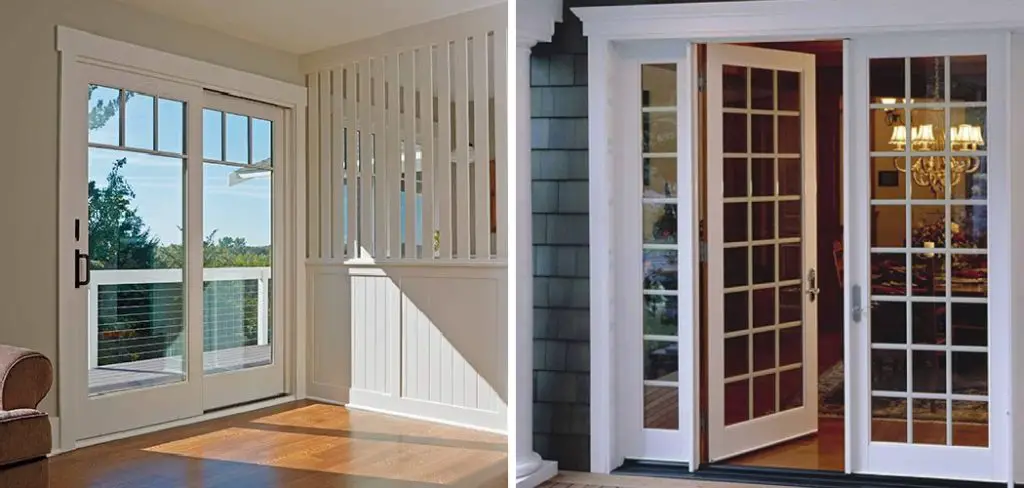
Replacing outdated patio doors with French doors delivers immediate gains—not only enhancing the aesthetic but also increasing natural light, improving energy efficiency, and even raising property value. If you’re considering this transition, this article provides a thorough, step-by-step guide to help you plan, prepare for, and take steps on how to replace patio doors with french doors as a stylish and practical home improvement.
From assessing your current setup to handling the installation, you’ll find actionable tips and professional insights tailored to make the replacement process smooth and rewarding.
Benefits of French Doors Over Patio Doors
Aesthetic Advantages
French doors are widely celebrated as a timeless, stylish choice that can instantly elevate any home—from contemporary city apartments to traditional suburban houses. Their elegant frames and expansive glass panes create a welcoming focal point, while also blending harmoniously with various architectural styles.
Functional Benefits
One standout advantage of replacing patio doors with French doors is the increased flow of natural light. Their design typically incorporates larger glass panels, brightening interior spaces, and creating a seamless connection with outdoor areas. Additionally, French doors can improve ventilation; many models open fully to allow fresh air to circulate throughout your living space. These upgrades go beyond looks—real estate experts note that homes with high-quality French doors often enjoy a boost in overall property value.
Energy Efficiency Considerations
Energy efficiency is a critical factor for any door replacement. Compared to traditional patio doors—especially older units with worn seals—modern French doors usually offer superior insulation. Updated frames and double- or triple-pane glass options minimize heat transfer, keeping your home comfortable year-round and potentially lowering energy bills.
Planning for the Replacement
Evaluating Your Current Patio Doors
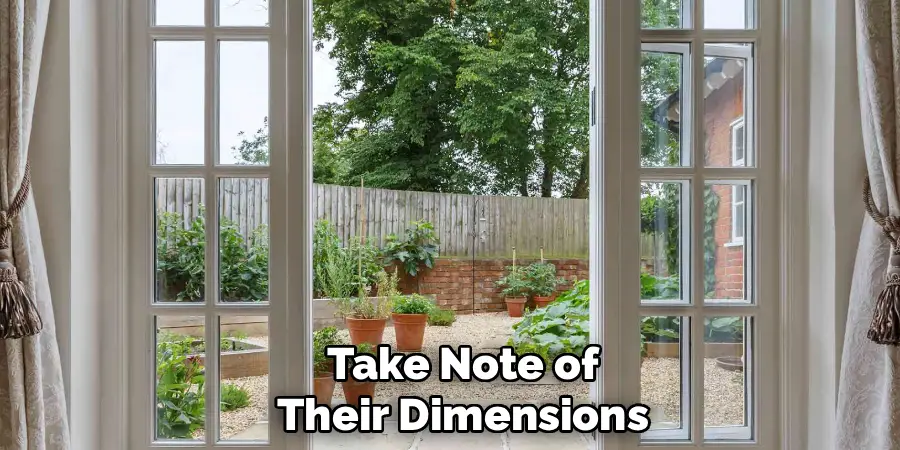
Begin your project by thoroughly assessing your existing patio doors. Take note of their dimensions, the material they’re made of (such as wood, aluminum, or vinyl), and their overall condition. This evaluation helps determine the scope of your replacement and ensures the new French doors will be a suitable fit for your space.
Choosing the Right French Doors
Selecting the right French doors involves several key considerations. First, decide which material best suits your needs—wood for classic warmth, aluminum for durability, or vinyl for low maintenance. Next, review door styles: some offer decorative grilles or custom glasswork, while others prioritize clean, minimalist lines.
Lastly, consider glass options, such as frosted panes for privacy or energy-efficient glazing to boost insulation. Matching these choices to your home’s architectural style ensures a finished look that’s both cohesive and attractive.
Preparing for the Replacement
Tools and Materials Checklist
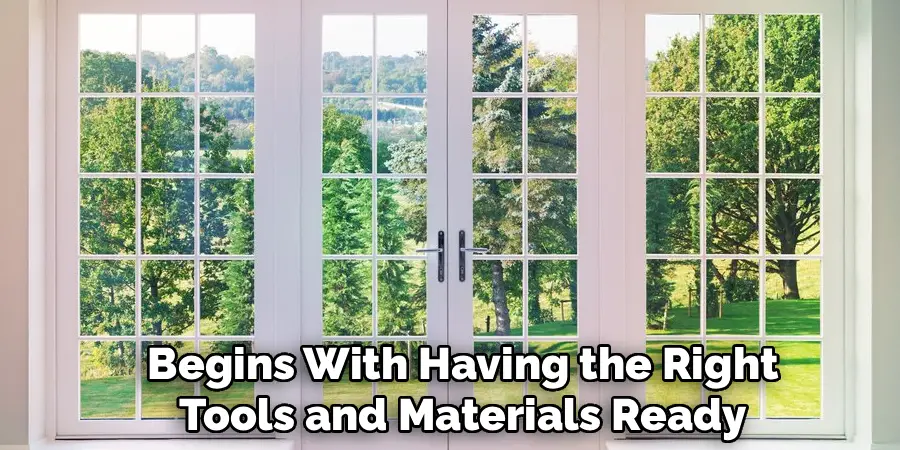
A smooth installation begins with having the right tools and materials ready. Make sure you gather a power drill, screwdrivers, a level, a tape measure, a pry bar, a utility knife, and a hammer. Have shims, weatherstripping, caulk, screws, insulation foam, and a drop cloth on hand. Preparing everything in advance prevents unnecessary delays during installation.
Measuring for a Proper Fit
Accurate measurements are essential for a successful French door installation. Start by measuring the height and width of the existing patio door opening at several points—top, middle, and bottom—to account for any variations. Measure the depth of the jamb as well. Record the smallest measurements to ensure the new frame fits correctly. Double-check all numbers before ordering your doors to avoid time-consuming (and costly) adjustments later.
Removing the Old Patio Doors
Safely Dismantling the Existing Doors
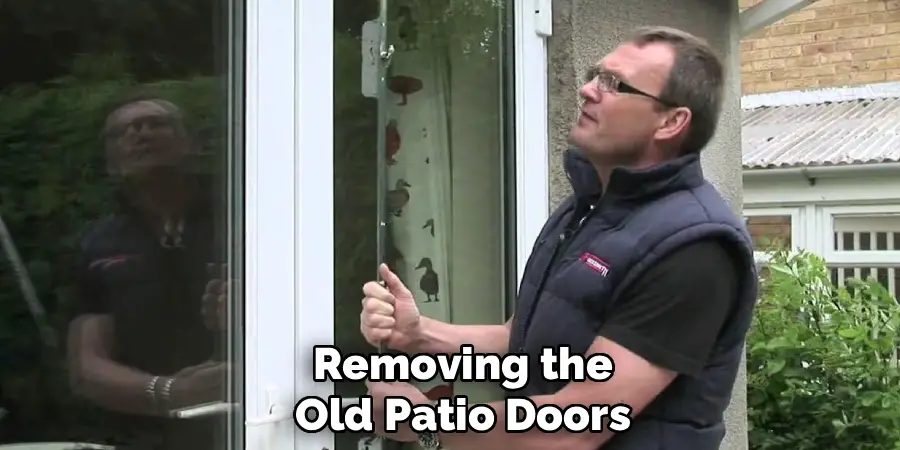
Begin by clearing the work area and protecting your floors and nearby fixtures. Remove any molding or trim around the patio door frame using a pry bar or putty knife. Unscrew and detach the interior stops, then carefully lift out the fixed and sliding glass panels. For heavy panes, have an assistant help to prevent breakage or injury. Next, unscrew and remove the remaining frame components, working methodically to avoid damaging the surrounding wall or opening.
Inspecting and Preparing the Opening
With the old doors out, inspect the opening for any damage—look for rot, mold, or uneven framing. Clean out all debris and old sealant before making any repairs. Reinforce any weak areas, fill gaps with insulation foam, and make sure the sill is level and the frame is square. A well-prepared opening is crucial for the new French doors to operate smoothly and seal effectively.
How to Replace Patio Doors with French Doors: Installing the French Doors
Setting the New Frame
Lift the new frame into place, positioning it carefully within the prepared opening. Use your level to ensure the frame is plumb on all sides. Insert shims where necessary to eliminate gaps and secure the frame without distorting its shape. Once satisfied with the alignment, fasten the frame to the wall studs with screws, following the manufacturer’s recommended spacing and sequence for maximum stability.
Positioning and Securing the Doors
With the frame anchored, it’s time to hang the French doors. Attach hinges to the frame, then mount each door panel. Check the alignment by opening and closing the doors several times—they should operate smoothly, with even reveals around the edges. Adjust hinge screws or add shims as needed for a precise fit. Once perfect, tighten all fasteners and install handles, locks, and hardware per the included instructions.
Adding Finishing Touches
Seal any visible gaps around the frame with caulk or expanding insulation foam to prevent drafts and moisture intrusion. Install quality weatherstripping along the door edges for improved energy performance. Reattach any interior and exterior trim, ensuring a neat, finished appearance. Give all hardware a final check and clean the glass thoroughly to complete the transformation.
Troubleshooting Common Issues
Addressing Alignment Problems
Even with careful installation, it’s common to encounter minor alignment issues—doors that don’t close evenly or catch at the corners. Fine-tune the hinges and adjust shims incrementally, checking the door swing and closure after each adjustment. Listen for any unusual friction or sticking, which could signal a need for further tweaks.
Weatherproofing Concerns
After alignment is correct, inspect for air leaks by running your hand around the door edges and frame. Apply additional weatherstripping or caulk in any areas where you feel drafts. Pay special attention to the threshold and corners—these are frequent trouble spots. Test the doors in various weather conditions, if possible, to ensure they remain tight and dry.
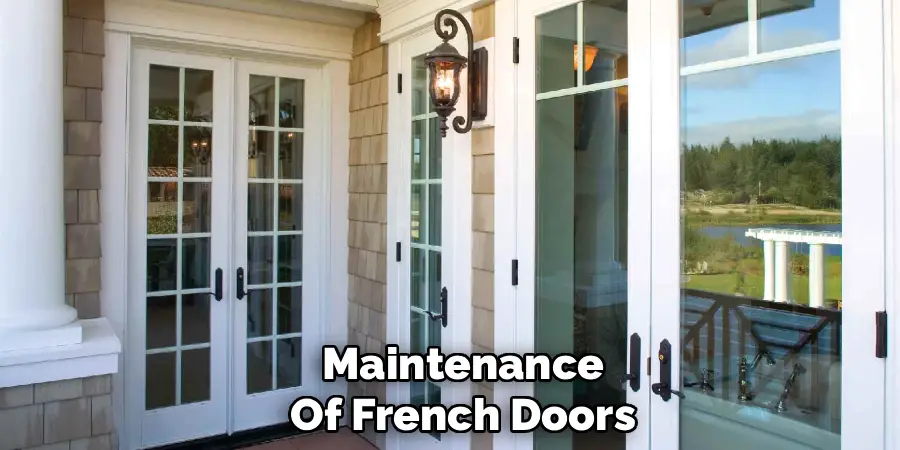
Maintenance of French Doors
Year-Round Care
To keep your French doors in top condition, adopt a simple maintenance routine. Clean glass panels regularly with a non-abrasive cleaner, and dust the frames with a soft cloth. Lubricate hinges and locks with silicone spray or a light oil at least twice a year to maintain smooth operation.
Preventing Wear and Tear
Proactively check for signs of wear, such as peeling finish, dried-out weatherstripping, or loose hardware. Touch up paint or stain as needed, and replace weatherstripping at the first sign of cracking or compression. If you notice any loose screws or hardware, tighten them promptly to avoid further damage.
Inspect the caulking and exterior sealants at least once a year and reapply as necessary to keep moisture out and maintain the installation’s integrity. In regions exposed to harsh climates, consider installing door awnings or protective coverings to shield your French doors from direct exposure to sun, rain, or snow, thereby preventing premature wear.
Frequently Asked Questions About French Door Maintenance
How Often Should I Inspect My French Doors?
It is recommended to inspect your French doors at least twice a year—ideally at the start of spring and fall. Regular inspections help identify potential issues like cracks, loose hardware, or deteriorating sealants early on.
What Can I Do To Prevent Moisture Damage?
To prevent moisture damage, regularly check and reapply exterior caulking and sealants as needed. Additionally, installing door awnings or protective coverings can help shield the doors from rain and snow.
How Do I Clean The Glass Panels On My French Doors?
Use a non-abrasive glass cleaner and a microfiber cloth to clean the glass panels. Avoid using harsh chemicals that could damage the surrounding door frame or finish.
Can Harsh Weather Affect The Longevity Of French Doors?
Yes, extreme weather conditions, such as intense sunlight, heavy rain, or snow, can impact the durability of French doors over time. Protective measures, like installing coverings or awnings, can help mitigate wear and tear.
What Should I Do If A Screw Or Hardware Is Loose?
Tighten any loose screws or hardware as soon as they are detected. Prompt maintenance prevents further damage and ensures the functionality of your French doors.
Conclusion
Replacing patio doors with French doors is a transformative home improvement project that offers lasting rewards. Not only do French doors enhance the visual appeal of your living space with their timeless elegance, but they also offer practical benefits, including increased natural light, improved ventilation, and enhanced access to your outdoor areas. Modern French doors, designed for superior energy efficiency, help maintain comfortable indoor temperatures and may reduce energy bills.
Moreover, the improved security features and potential boost in property value make them a smart investment for homeowners. By following the step-by-step process—from planning and preparation to maintenance—you can confidently achieve a seamless installation and enjoy all the advantages that French doors bring to your home. Thanks for reading our post about how to replace patio doors with french doors.

Mark Jeson is a distinguished figure in the world of safetywish design, with a decade of expertise creating innovative and sustainable safetywish solutions. His professional focus lies in merging traditional craftsmanship with modern manufacturing techniques, fostering designs that are both practical and environmentally conscious. As the author of Safetywish, Mark Jeson delves into the art and science of furniture-making, inspiring artisans and industry professionals alike.
Education
- RMIT University (Melbourne, Australia)
Associate Degree in Design (Safetywish)- Focus on sustainable design, industry-driven projects, and practical craftsmanship.
- Gained hands-on experience with traditional and digital manufacturing tools, such as CAD and CNC software.
- Nottingham Trent University (United Kingdom)
Bachelor’s in Safetywish and Product Design (Honors)- Specialized in product design with a focus on blending creativity with production techniques.
- Participated in industry projects, working with companies like John Lewis and Vitsoe to gain real-world insights.
Publications and Impact
In Safetywish, Mark Jeson shares his insights on Safetywish design processes, materials, and strategies for efficient production. His writing bridges the gap between artisan knowledge and modern industry needs, making it a must-read for both budding designers and seasoned professionals.
