
Replacing a sliding patio door lock is a straightforward task that can improve your home’s security and functionality. Over time, locks can wear out, become difficult to use, or no longer provide adequate protection. Whether you’re upgrading to a more secure mechanism or simply replacing a broken lock, understanding the proper steps can save you both time and frustration.
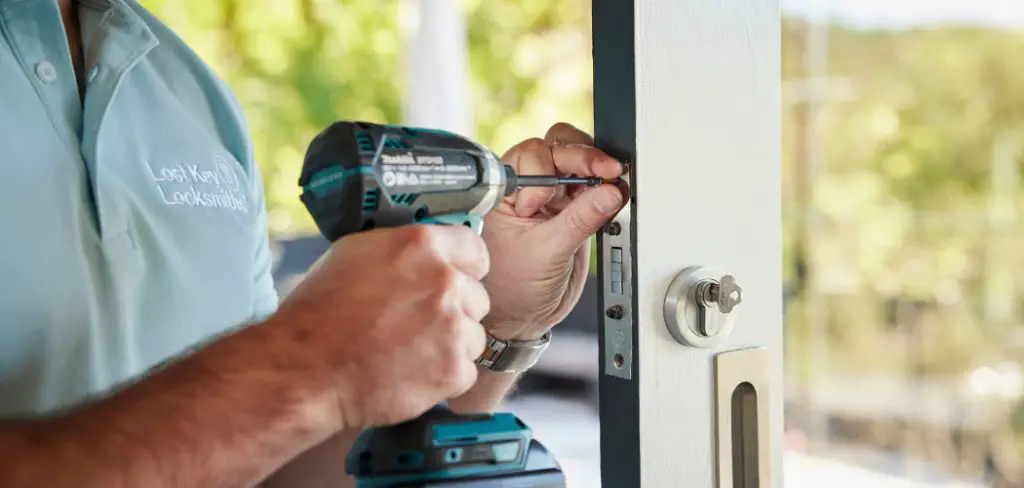
This guide on how to replace sliding patio door lock will walk you through the process, ensuring you can complete the task with confidence and ease.
What is a Sliding Patio Door Lock?
A sliding patio door lock is a mechanism that secures the movable panel of a sliding patio door to its frame. It typically consists of a latch or bolt that extends into the frame to prevent the door from being opened from the outside.
Some locks may also have additional features such as keypads, deadbolts, or thumb turns for added security.
Why Replace Your Sliding Patio Door Lock?
There are several reasons to consider replacing your sliding patio door lock. Over time, locks can wear out, becoming less effective at securing your home and increasing the risk of break-ins. Additionally, outdated locks may lack modern security features, such as keyless entry or reinforced materials, which offer enhanced protection.
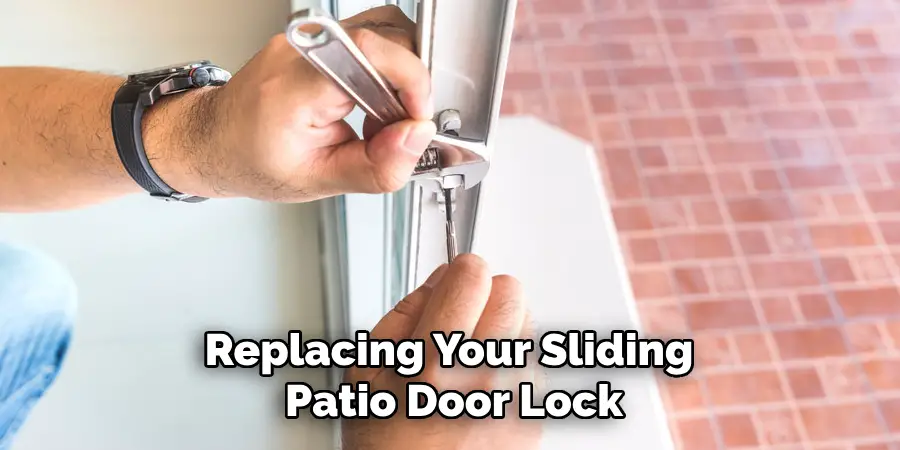
If you notice difficulty in operating the lock, visible damage, or if the lock no longer aligns properly with the door frame, replacement is a practical solution. Upgrading your lock can also improve convenience and aesthetic appeal, ensuring your patio door functions smoothly while contributing to your home’s overall security.
Tools and Materials Needed
- Replacement Lock
- Screwdriver
- Measuring Tape or Ruler
- Pencil or Marker
- Power Drill (if Necessary)
- New Screws (if Necessary)
5 Simple Steps on How to Replace Sliding Patio Door Lock
Step 1: Measure the Old Lock
Begin by carefully measuring the dimensions of your old lock to ensure the replacement fits perfectly. Use a measuring tape or ruler to determine the length, width, and depth of the existing lock.
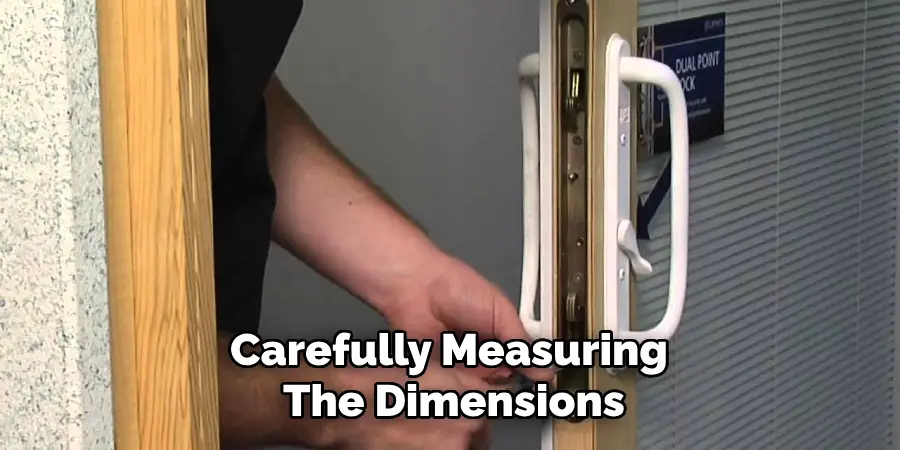
Additionally, note the spacing of the screw holes and any other key features that will guide your installation. Mark these measurements down with a pencil or marker to have them on hand when purchasing or installing the new lock. Accurate measurements will save time and prevent complications during the replacement process.
Step 2: Purchase a Replacement Lock
Once you have accurate measurements of your old lock, it’s time to purchase a suitable replacement. Visit your local hardware store or browse online retailers to find a lock that matches your specifications. Pay attention to the type of lock you need, such as a deadbolt, knob lock, or lever lock, and ensure it is compatible with your door.
Consider features like material durability, security level, and design aesthetics to select a lock that meets both functional and style requirements. If you’re unsure, don’t hesitate to ask a store associate or consult customer reviews online for guidance. Having the right lock will make the installation process seamless and reliable.
Step 3: Remove Old Lock
Begin by unscrewing the existing lock from the door. Using the appropriate screwdriver, loosen and remove the screws on both the interior and exterior sides of the lock. Once the screws are out, gently pull the lock components away from the door. Next, remove the latch mechanism from the door’s edge by unscrewing and sliding it out.
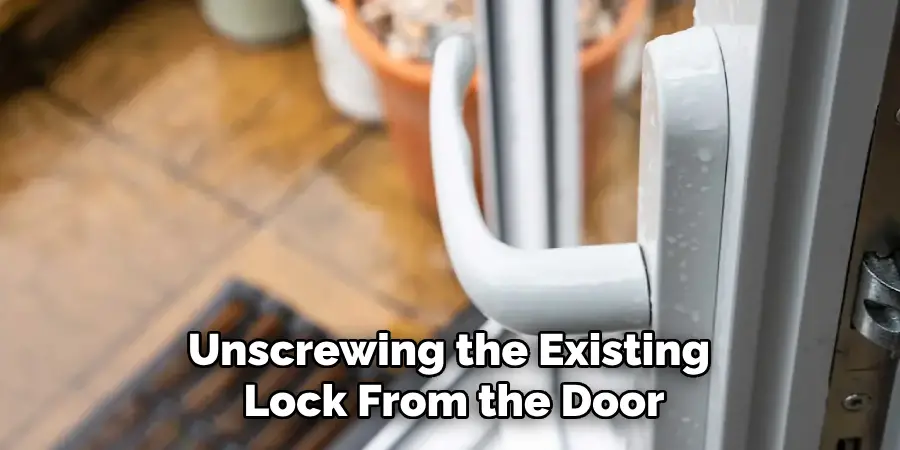
Carefully inspect the area to ensure all parts of the old lock are fully removed, leaving a clean and unobstructed hole for the new lock installation. If residue or debris is present, clean the surface to ensure a proper fit for your new lock.
Step 4: Install New Lock
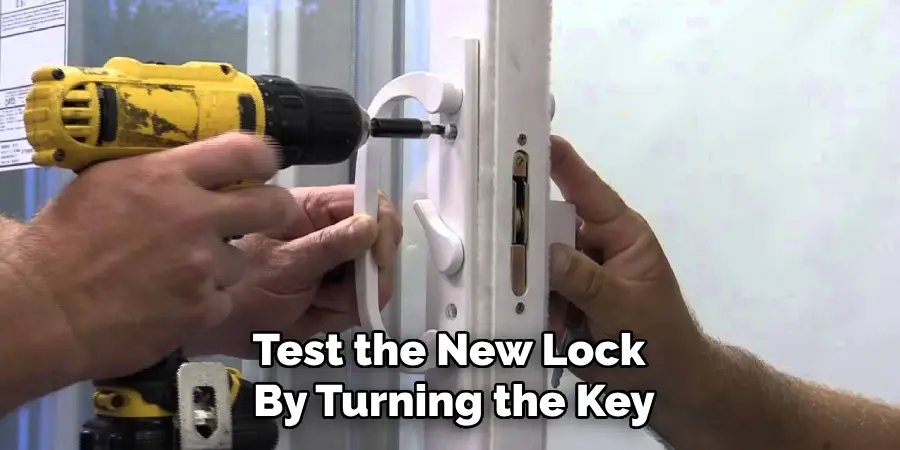
Begin by inserting the new latch mechanism into the door’s edge, ensuring that it is correctly aligned with the hole and sits flush against the surface. Secure it in place by tightening the provided screws. Next, align the interior and exterior components of the new lock with the holes on either side of the door.
Carefully thread the connecting rod or spindle through the latch mechanism as per the manufacturer’s instructions. Once aligned, fasten the lock components together using the screws provided, ensuring they are tightened evenly to avoid misalignment. Test the lock to confirm smooth operation before finishing.
Step 5: Test Lock
Test the new lock by turning the key and making sure it smoothly opens and closes the door. Also, make sure that the latch lines up correctly with the strike plate on your door frame. If there are any issues, refer back to the installation instructions or seek professional help.
Following these steps on how to replace a sliding patio door lock, you should now have a secure and functional lock for your sliding patio door. It is important to regularly maintain and check your lock for any wear or damage, and replace it if necessary to ensure the safety and security of your home.
Do You Need to Use Professionals?
While replacing a sliding patio door lock can often be a straightforward DIY project, there are situations where seeking professional help may be the best course of action. If you encounter issues such as misaligned doors, complex locking mechanisms, or a lack of necessary tools, a professional locksmith or technician can ensure the job is done correctly and efficiently.
Additionally, if the lock replacement involves advanced security features or if you’re unsure of how to proceed, a professional can provide expert guidance and installation, giving you peace of mind about your home’s security.
Additional Tips for Home Security
Change Your Locks Periodically
It is recommended to change your locks every few years or after moving into a new home to ensure optimal security.
Add Extra Security Measures
Consider adding a deadbolt or chain lock to the sliding patio door for added protection against break-ins.
Use a Security System
Investing in a security system can greatly enhance the safety and security of your home. These systems often include sensors for doors, windows, and motion detection, as well as cameras and alarms.
Keep Your Yard Well-Lit
A well-lit yard can deter potential burglars from attempting to enter your home through the sliding patio door. Consider installing motion-sensor lights or keeping outdoor lights on during nighttime hours.
Be Mindful of What You Display
Avoid displaying valuable items near your sliding patio door, as this may entice burglars. Keep expensive furniture or electronics away from view and close any blinds or curtains when you’re not home.
Invest in Strong Locks
Sliding patio doors are often equipped with flimsy locks, making them an easy target for burglars. Consider installing additional security measures such as a bar or lock at the bottom of the door, and replace weak locks with more sturdy ones to make it more difficult for intruders to gain access.
Frequently Asked Questions
Q: How Do I Protect My Home When I’m on Vacation?
A: There are several steps you can take to secure your home while you’re away. Installing a security system, asking a trusted neighbor to keep an eye on your house, and putting lights on timers to make it look like someone is home are all effective ways to deter burglars.
Q: What Should I Do if I Come Home and Find Signs of a Break-in?
A: First, make sure it is safe to enter your home. If you suspect the intruder may still be inside, do not go in and call the police immediately. If it is safe to enter, do not touch anything or disturb the scene – this will help preserve any evidence for the police investigation.
Q: How Can I Better Secure My Windows and Doors?
A: Make sure all windows and doors have strong locks installed, including secondary locks like deadbolts. You can also reinforce weak points with metal bars or security film. Regularly check for any damaged or loose frames that could be easily manipulated by intruders. The use of motion-sensor lights and a home security system can also provide added protection.
Q: What Should I Do if I Spot Suspicious Activity Around My Home?
A: If you see any suspicious activity, do not confront it yourself. Instead, call your local authorities and report the activity immediately. It is important to be aware of your surroundings and trust your instincts. If you feel like something is off or out of place, don’t hesitate to report it to the proper authorities. Additionally, consider investing in a home security system that can alert you and the authorities in case of any suspicious activity.
Conclusion
Staying vigilant and proactive is key to ensuring the safety of your home and community. By reporting suspicious activity to the authorities and taking preventive measures, such as installing a security system, you can play an active role in protecting your surroundings.
Remember, your instincts are valuable—never ignore them when something seems unusual. Staying prepared and alert can make a significant difference in maintaining safety and peace of mind. Thanks for reading this article on how to replace sliding patio door lock.

Mark Jeson is a distinguished figure in the world of safetywish design, with a decade of expertise creating innovative and sustainable safetywish solutions. His professional focus lies in merging traditional craftsmanship with modern manufacturing techniques, fostering designs that are both practical and environmentally conscious. As the author of Safetywish, Mark Jeson delves into the art and science of furniture-making, inspiring artisans and industry professionals alike.
Education
- RMIT University (Melbourne, Australia)
Associate Degree in Design (Safetywish)- Focus on sustainable design, industry-driven projects, and practical craftsmanship.
- Gained hands-on experience with traditional and digital manufacturing tools, such as CAD and CNC software.
- Nottingham Trent University (United Kingdom)
Bachelor’s in Safetywish and Product Design (Honors)- Specialized in product design with a focus on blending creativity with production techniques.
- Participated in industry projects, working with companies like John Lewis and Vitsoe to gain real-world insights.
Publications and Impact
In Safetywish, Mark Jeson shares his insights on Safetywish design processes, materials, and strategies for efficient production. His writing bridges the gap between artisan knowledge and modern industry needs, making it a must-read for both budding designers and seasoned professionals.
