
The Anti-lock Braking System (ABS) is a vital safety feature in modern vehicles, designed to prevent skidding and help drivers maintain control during sudden stops. However, when your ABS warning light turns on, it could indicate that the ABS sensor needs a reset. Knowing how to reset ABS sensor can save you time, money, and a visit to the mechanic.
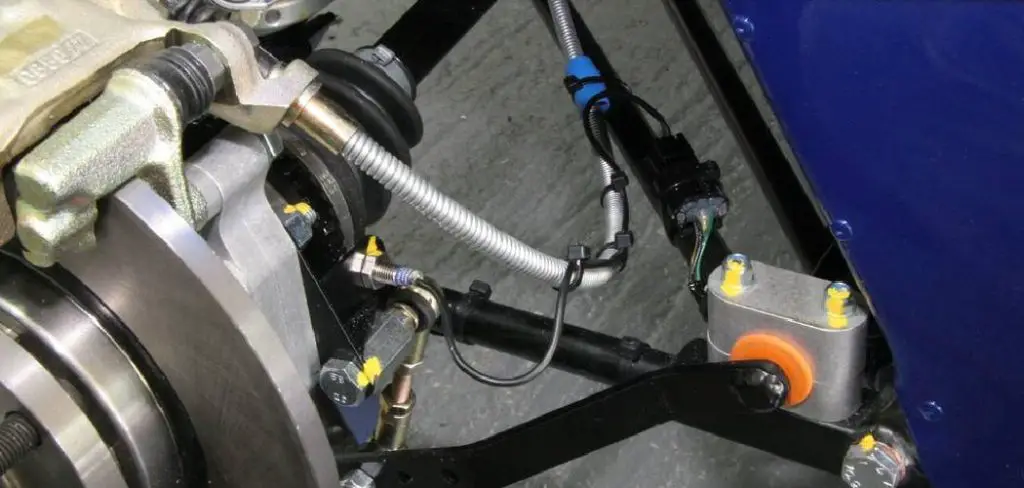
Before attempting to reset the ABS sensor, it’s important to ensure that there aren’t any underlying issues with the system. Start by thoroughly inspecting the ABS sensor and its wiring for signs of damage or corrosion. A dirty or disconnected sensor can often trigger the warning light. Once you’re confident there are no physical issues, you can proceed with the reset. The common method to reset the ABS involves turning the ignition key to the “On” position (without starting the engine) and allowing the vehicle’s computer system to recalibrate. If the light remains on, disconnecting the battery for a few minutes may also help to reset the system. Always refer to your vehicle’s manual for specific instructions.
This guide is tailored for beginners and vehicle owners who want a straightforward approach to tackle this issue. With easy-to-follow steps, we’ll help you get back on the road with a fully functional ABS system, ensuring your vehicle’s safety and performance are at their best.
Why is Resetting an ABS Sensor Important?
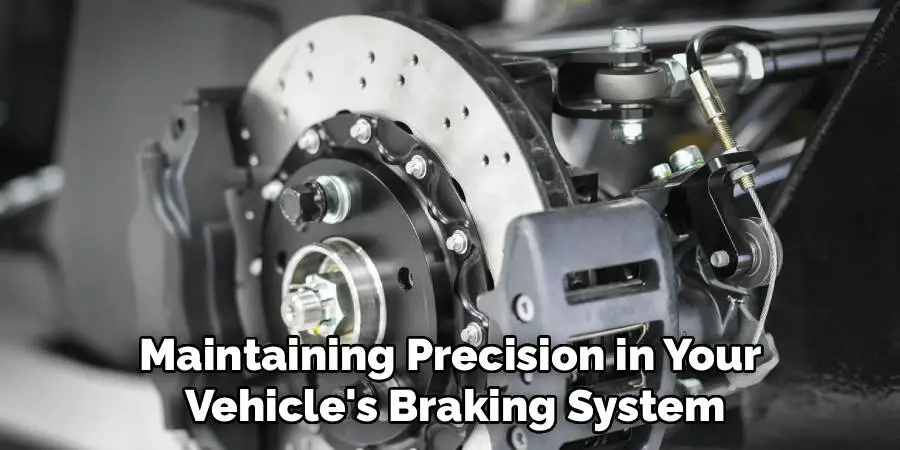
Resetting your ABS sensor is critical for maintaining precision in your vehicle’s braking system. The ABS sensor works by tracking the rotational speed of each wheel, sending data to the car’s computer to determine if a wheel is about to lock during braking.
When the sensor malfunctions, it won’t relay accurate data, which can compromise the ABS system’s functionality, potentially increasing stopping distances or leading to wheel slippage. Resetting the ABS sensor not only restores proper communication with the system but also ensures your safety and that of other road users. Neglecting this could lead to expensive repairs or dangerous driving conditions.
Additionally, an illuminated ABS warning light may sometimes activate even if there isn’t a major issue. Resetting the sensor can help identify whether it’s a false alarm or a genuine problem requiring professional attention. Understanding this process empowers car owners to take control of their vehicle’s safety.
Tools Needed for Reset
To reset the ABS sensor, you may require the following tools:
- OBD-II Scanner: A diagnostic tool essential for reading and clearing error codes related to the ABS system.
- Owner’s Manual: Useful for referencing specific details about your vehicle’s ABS system and steps.
- Socket Wrench Set: Needed to access and check connections or components if necessary.
- Rag or Cleaning Cloth: To clean any grime or debris from sensor connections for better performance.
- Flashlight: Helpful to inspect hard-to-reach areas of the vehicle while troubleshooting.
Having these tools on hand ensures you can efficiently address ABS system concerns.
10 Step-by-Step Guide on How to Reset ABS Sensor
Step 1: Park Your Car Safely
Before you start, ensure your car is parked on a flat, stable surface. Engage the parking brake for added security. Safety is paramount when working on your vehicle, so consider wearing gloves and safety goggles to protect yourself from potential hazards.
Step 2: Locate the ABS Sensor
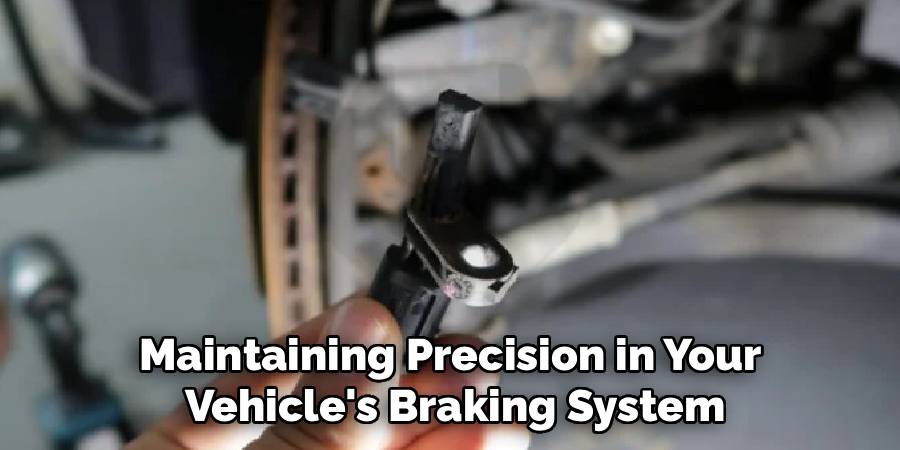
The ABS sensor is usually located near the wheel hub or axle. You may need to consult your car’s owner’s manual to precisely identify its location for your particular vehicle model. It’s worth noting that modern vehicles typically have four ABS sensors, one for each wheel, while older models may have fewer.
Step 3: Disconnect the Battery
To safely reset the ABS sensor, start by disconnecting your car’s battery. Locate the negative terminal of the battery (commonly marked with a minus sign) and disconnect it using a wrench. Allow the car to sit without battery power for at least 15 minutes. This helps reset all electrical systems, including the ABS.
Step 4: Inspect the ABS Sensor for Damage
Before resetting, check the ABS sensor for visible damage, such as cracks, corrosion, or debris buildup. Dirt and grime can interfere with the sensor’s ability to transmit accurate data. Use a clean cloth to wipe off any residue or consider gently scrubbing with a soft brush.
Step 5: Check the Sensor Wiring
Examine the wiring that connects the ABS sensor to your car’s control module. Broken or frayed wires can cause communication issues. If you notice any damage, you might need to repair or replace the wiring before proceeding. Avoid forcing disconnected wires back into place; consult a professional if necessary.
Step 6: Reconnect the Battery
Once you’ve inspected the sensor and addressed any potential issues, reconnect the car battery. Ensure the negative terminal is securely fastened to avoid further interruptions in the electrical system. Reconnection reactivates all systems and prepares the ABS computer for the next steps.
Step 7: Start the Car and Monitor the ABS Light
Turn on the car’s ignition and closely watch the ABS warning light. If the system has reset successfully, the light will turn off after a few seconds. If it remains illuminated, you may need to drive the car for a short distance to complete the reset.
Step 8: Test Drive Your Vehicle
Take your car for a brief test drive, preferably in a safe, open area. Pay attention to how the brakes perform and watch for any unusual behavior. The ABS should now function normally, and the warning light should stay off if the reset was successful.

Step 9: Use an OBD-II Scanner (Optional)
If the ABS light remains on, consider using an OBD-II diagnostic tool to clear error codes and force a reset. Plug the scanner into your car’s OBD-II port, typically located beneath the dashboard, and follow the instructions provided with the device.
Step 10: Seek Professional Help if Needed
If the ABS sensor issue persists after attempting the reset, it’s best to consult a qualified mechanic. Persistent problems could indicate underlying issues, such as a faulty control module or additional sensor damage requiring professional repair.
Common ABS Issues
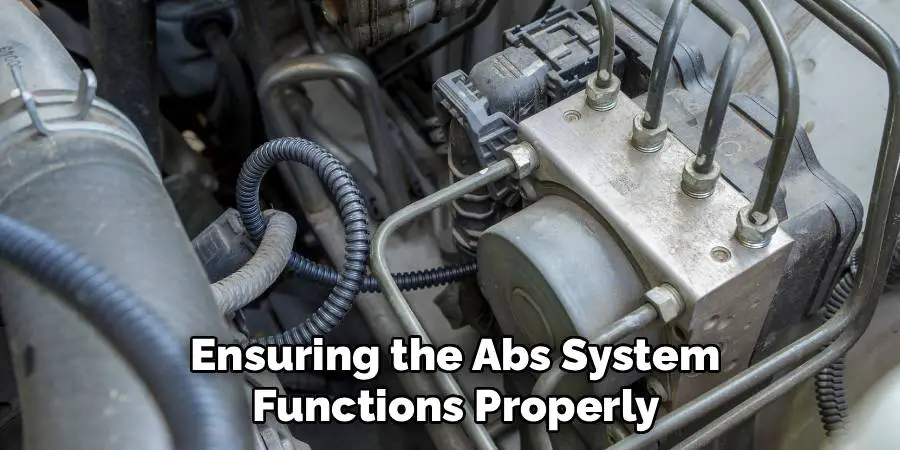
Anti-lock Braking Systems (ABS) are crucial for maintaining control during sudden stops, but they can occasionally experience problems. One of the most common issues is a faulty ABS sensor. These sensors can become dirty, damaged, or misaligned, resulting in inaccurate data being sent to the system. Another frequent issue is a malfunctioning ABS control module, which can stem from electrical failures or general wear over time.
Wiring problems, such as frayed or corroded connections, can also hinder the ABS system’s ability to communicate effectively. Additionally, problems with the ABS pump or hydraulic control unit may arise, impacting the performance of the braking system. Regular maintenance and prompt attention to warning lights can help identify and address these issues early, ensuring the ABS system functions properly.
The Anti-lock Braking System (ABS) is designed to prevent wheels from locking up during sudden or hard braking, enhancing the driver’s ability to maintain control of the vehicle. It achieves this by monitoring the rotational speed of each wheel through sensors and rapidly modulating brake pressure when it detects a potential lock-up. This process allows the wheels to continue rotating intermittently, ensuring traction is maintained and reducing the risk of skidding.
ABS is especially effective on slippery surfaces or during emergency stops, providing stability and reducing stopping distances in many scenarios. This critical safety feature works seamlessly with other braking technologies to improve overall driving safety.
Frequently Asked Question
How can I tell if my ABS sensor needs resetting?
An illuminated ABS warning light is the primary indicator that your ABS sensor may require a reset. Other signs include inconsistent braking, longer stopping distances, or your car losing traction during sudden stops. If these symptoms arise, inspect and reset the sensor as outlined above.
Can I reset my ABS sensor without disconnecting the battery?
Yes, some vehicles allow you to reset the ABS sensor using an OBD-II diagnostic tool without disconnecting the battery. Simply plug the scanner into the car’s port, clear the error codes, and follow the reset procedure recommended for your vehicle model.
How often should ABS sensors be reset or checked?
ABS sensors should be checked during routine vehicle maintenance or whenever the ABS warning light activates. Resetting is usually only necessary after repairs, cleaning, or when the light remains on despite no apparent issues.
What costs are involved in resetting an ABS sensor?
If you follow the steps above, resetting an ABS sensor at home is free or low-cost, especially if you already own basic tools. However, professional diagnostics or repairs may cost anywhere from $50 to $200, depending on your vehicle’s make and model.
Can dirt and debris affect ABS sensor performance?
Yes, dirt and debris can accumulate on the ABS sensor, preventing it from reading wheel speed accurately. Cleaning the sensor regularly can help maintain its performance and prevent false ABS warnings. Always be gentle when cleaning to avoid damaging the sensor.
Conclusion
Resetting your ABS sensor is a manageable task for most vehicle owners, provided you follow the steps carefully. By understanding how to reset ABS sensor, you can save time, avoid unnecessary trips to the mechanic, and ensure your car remains safe on the road. Whether it’s tackling the reset yourself or seeking professional help, keeping your ABS system functional is essential for optimal braking performance and safety. Take these steps today to regain confidence in your vehicle’s braking system.
When working with your ABS system, it’s important to prioritize safety and accuracy. Always ensure that your vehicle is on a flat, stable surface and use proper tools designed for your car model. Following the manufacturer’s guidelines can help avoid potential damage to the system. If you’re unsure about any step in the process, consulting a professional mechanic is always a wise choice. Proper maintenance of your ABS system not only enhances your vehicle’s performance but also provides peace of mind on the road.

Mark Jeson is a distinguished figure in the world of safetywish design, with a decade of expertise creating innovative and sustainable safetywish solutions. His professional focus lies in merging traditional craftsmanship with modern manufacturing techniques, fostering designs that are both practical and environmentally conscious. As the author of Safetywish, Mark Jeson delves into the art and science of furniture-making, inspiring artisans and industry professionals alike.
Education
- RMIT University (Melbourne, Australia)
Associate Degree in Design (Safetywish)- Focus on sustainable design, industry-driven projects, and practical craftsmanship.
- Gained hands-on experience with traditional and digital manufacturing tools, such as CAD and CNC software.
- Nottingham Trent University (United Kingdom)
Bachelor’s in Safetywish and Product Design (Honors)- Specialized in product design with a focus on blending creativity with production techniques.
- Participated in industry projects, working with companies like John Lewis and Vitsoe to gain real-world insights.
Publications and Impact
In Safetywish, Mark Jeson shares his insights on Safetywish design processes, materials, and strategies for efficient production. His writing bridges the gap between artisan knowledge and modern industry needs, making it a must-read for both budding designers and seasoned professionals.
