
The battery current sensor plays a crucial role in monitoring the electrical current flowing to and from the vehicle’s battery. Over time, the sensor may require a reset to ensure accurate readings and optimal performance. Resetting the battery current sensor can address issues such as erratic battery readings or malfunctioning charging systems. This guide will walk you through the steps of how to reset battery current sensor and maintain your vehicle’s electrical system efficiency.
What Does a Battery Current Sensor Do?
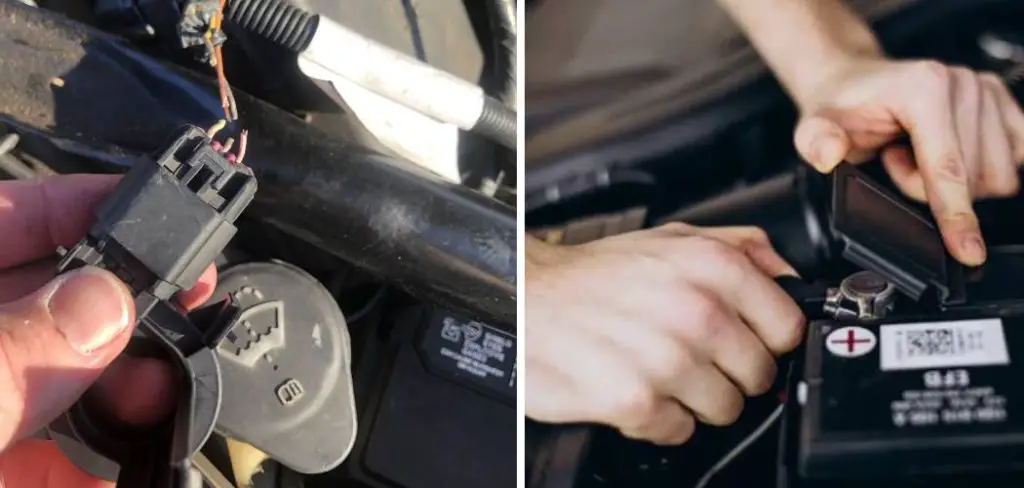
The battery current sensor is a vital component in a vehicle’s electrical system, designed to measure the amount of current flowing into and out of the battery. It ensures that the charging system operates correctly by providing real-time data on the battery’s charge and discharge rates.
This data helps the vehicle’s onboard computer regulate the alternator output, optimize charging efficiency, and prevent overcharging or excessive discharge. Additionally, the sensor supports various advanced systems, such as start-stop technology, by ensuring the battery has sufficient power to function properly. By continuously monitoring the battery’s performance, the battery current sensor plays a key role in maintaining overall vehicle reliability and energy management.
When and Why to Reset the Battery Current Sensor
Resetting the battery current sensor is necessary under certain circumstances to ensure optimal performance and accurate data monitoring. One common situation is after replacing the vehicle’s battery. When a new battery is installed, the sensor must be recalibrated to recognize the updated charging and discharging characteristics. Similarly, if any work is done on the electrical system, such as alternator replacement or significant wiring repairs, resetting the sensor can help synchronize its readings with the altered system dynamics.
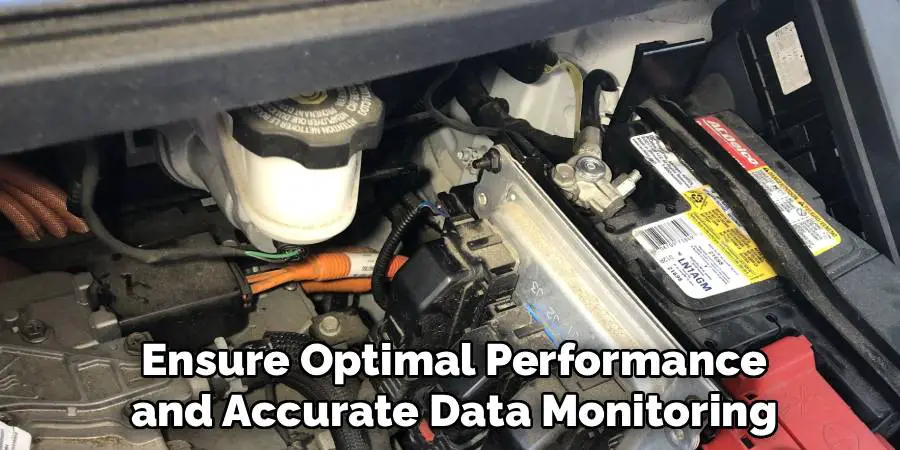
Another reason to reset the battery current sensor is when experiencing irregular battery performance, such as incorrect charge levels or frequent low battery warnings. A malfunctioning or uncalibrated sensor may provide inaccurate data to the vehicle’s control systems, leading to errors in energy management. By performing a reset, the sensor can recalibrate and provide more accurate readings, ensuring reliable operation of advanced systems like start-stop technology and overall efficient vehicle energy management.
10 Methods How to Reset Battery Current Sensor
1. Consult the Manufacturer’s Service Manual for Specific Instructions
The first and most important step before attempting any reset procedure is to consult the vehicle or equipment manufacturer’s service manual. Different vehicles and battery systems have varying sensor models, wiring layouts, and reset protocols. The manual will provide you with precise details such as the sensor’s exact location, wiring colors, recommended reset procedures, and any special tools required. Following manufacturer-approved procedures ensures the reset is done safely, avoiding unintended damage or warranty voidance.
2. Use an OBD-II Diagnostic Scanner to Perform an Electronic Reset
Many modern vehicles equipped with On-Board Diagnostics (OBD-II) systems allow you to electronically reset or recalibrate the battery current sensor. By connecting a compatible OBD-II scanner or diagnostic tool to the vehicle’s diagnostic port—usually found beneath the dashboard—you can access the battery management or electrical system menu. Here, look for sensor calibration or reset options. Executing the reset through the scanner instructs the ECU to reinitialize the sensor readings and clear associated fault codes. This method is both safe and precise, as it uses the vehicle’s internal systems for proper recalibration.
3. Disconnect and Reconnect the Vehicle’s Battery to Reset the System
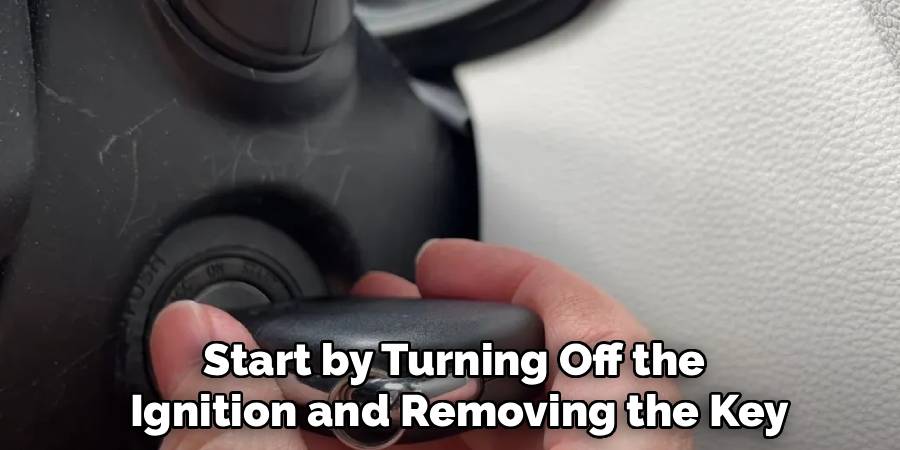
Physically disconnecting the vehicle’s battery is a simple and often effective way to reset the battery current sensor and the vehicle’s control modules. Start by turning off the ignition and removing the key. Then, using a wrench, disconnect the negative terminal of the battery and wait for about 10 to 15 minutes to allow the vehicle’s electronic systems to power down fully and clear temporary data. When you reconnect the battery, the ECU and sensor reset their baseline parameters. While this method may reset other vehicle settings—such as clock or radio presets—it can effectively clear minor sensor calibration issues.
4. Perform a Controlled Battery Charging Cycle to Facilitate Sensor Recalibration
Some battery management systems require a stable voltage and current input to recalibrate sensors accurately. To achieve this, perform a controlled charging cycle using an external battery charger or a regulated power supply. Connect the charger to the battery and charge it slowly at the manufacturer-recommended current and voltage for several hours. This stable charging environment allows the battery current sensor to detect accurate current flow patterns and recalibrate accordingly. Always ensure that the charger is compatible and that you follow safety precautions to avoid battery damage.
5. Execute a Sensor Calibration Procedure via Manufacturer-Specific Software
In many cases, manufacturers provide proprietary software tools or mobile apps that communicate directly with the battery management system for advanced diagnostics and sensor calibration. This software often includes guided calibration routines that walk you through resetting the battery current sensor. By connecting your device (laptop, tablet, or smartphone) to the vehicle’s diagnostic port or wireless interface, you can perform a full recalibration that adjusts sensor offset, gain, and drift. This method offers the highest accuracy and is the manufacturer’s preferred approach for sensor resets.
6. Reset Battery Current Sensor Through the Battery Management System (BMS) Interface
Electric and hybrid vehicles typically use advanced Battery Management Systems that allow sensor recalibration through an integrated interface. This may be a dedicated touchscreen display, a service menu accessible via infotainment controls, or a diagnostic tablet connected to the BMS module. Access the BMS diagnostic or service menu, locate the battery current sensor calibration option, and initiate the reset sequence. The system performs internal checks and adjusts sensor readings to match actual current flow. This method ensures your sensor calibration is fully compatible with the vehicle’s battery management strategy.
7. Clear Diagnostic Trouble Codes (DTCs) Using a Scan Tool After Reset
Following any battery current sensor reset or recalibration, it is critical to clear any stored Diagnostic Trouble Codes (DTCs) related to the sensor or electrical system. Using your OBD-II scanner or manufacturer-specific diagnostic tool, access the ECU’s fault code memory and delete all relevant codes. This step prevents persistent warning lights on your dashboard and allows the vehicle to monitor sensor status afresh. Failing to clear DTCs may lead to incorrect alerts or improper system behavior despite successful sensor recalibration.
8. Inspect and Clean Sensor Connectors, Wiring, and Terminals
Electrical faults or inaccurate sensor readings often stem from poor electrical connectivity rather than sensor malfunction. Prior to or following the reset procedure, thoroughly inspect the battery current sensor’s connectors, wiring harness, and battery terminals for signs of corrosion, dirt, looseness, or damage. Use an electrical contact cleaner spray to remove corrosion and ensure clean, solid connections. Tighten any loose terminals and repair damaged wiring if necessary. Good electrical integrity is fundamental to accurate sensor operation and successful resets.
9. Replace the Battery Current Sensor if It Is Faulty or Damaged
If sensor inaccuracies persist despite resetting and cleaning efforts, the battery current sensor may be physically defective or internally damaged. In such cases, replacing the sensor with a new, OEM-approved part is necessary. Follow manufacturer instructions for sensor removal and installation carefully, then perform the reset and calibration procedures to integrate the new sensor. Sensor replacement ensures reliable current measurements and prevents erroneous battery management system behavior.
10. Seek Professional Assistance for Complex or High-Voltage Systems
For advanced battery systems—particularly in electric vehicles (EVs) and hybrids—resetting the battery current sensor can involve complex procedures, high voltages, and specialized tools. If you are uncertain about performing the reset yourself or lack the necessary diagnostic equipment, it is highly advisable to consult a qualified automotive technician or an authorized service center. Professionals have access to manufacturer-grade diagnostic tools and possess the expertise to safely and accurately reset the sensor without risk of damage or personal injury.
Maintenance and Upkeep
Proper maintenance of your vehicle’s battery system is essential to ensure optimal performance and longevity. Regularly inspecting the battery terminals for corrosion and ensuring they are tightly secured can prevent electrical issues. It is also important to check the battery’s charge level periodically, especially in extreme weather conditions, as both high and low temperatures can impact its efficiency. Additionally, always adhere to the manufacturer-recommended service intervals for testing or replacing the battery.

For hybrid or electric vehicles, scheduling routine diagnostic checks with a certified technician can help detect any potential issues early and maintain the health of your battery system. Taking these proactive measures will not only extend the life of your battery but also contribute to the overall reliability and safety of your vehicle.
Conclusion
Resetting the battery current sensor is an essential step in maintaining accurate battery monitoring, vehicle performance, and battery longevity. Whether through simple battery disconnection, using diagnostic scanners, performing controlled charging cycles, or utilizing manufacturer-specific calibration software, it is crucial to follow detailed procedures and safety protocols. Additionally, cleaning electrical connections, clearing fault codes, and replacing faulty sensors contribute to a successful reset and accurate sensor function. For complex or high-voltage systems, professional assistance ensures the reset process is conducted safely and efficiently. Thanks for reading our blog post on how to reset battery current sensor! We hope you found it helpful and informative.

Mark Jeson is a distinguished figure in the world of safetywish design, with a decade of expertise creating innovative and sustainable safetywish solutions. His professional focus lies in merging traditional craftsmanship with modern manufacturing techniques, fostering designs that are both practical and environmentally conscious. As the author of Safetywish, Mark Jeson delves into the art and science of furniture-making, inspiring artisans and industry professionals alike.
Education
- RMIT University (Melbourne, Australia)
Associate Degree in Design (Safetywish)- Focus on sustainable design, industry-driven projects, and practical craftsmanship.
- Gained hands-on experience with traditional and digital manufacturing tools, such as CAD and CNC software.
- Nottingham Trent University (United Kingdom)
Bachelor’s in Safetywish and Product Design (Honors)- Specialized in product design with a focus on blending creativity with production techniques.
- Participated in industry projects, working with companies like John Lewis and Vitsoe to gain real-world insights.
Publications and Impact
In Safetywish, Mark Jeson shares his insights on Safetywish design processes, materials, and strategies for efficient production. His writing bridges the gap between artisan knowledge and modern industry needs, making it a must-read for both budding designers and seasoned professionals.
