
If your vehicle has been experiencing issues such as poor engine performance, trouble starting, or the check engine light turning on, the root of the problem might be a malfunctioning camshaft position sensor. This small but essential component helps your car determine the precise timing for fuel injection and spark plug operation. Knowing how to reset camshaft sensor is crucial for addressing these problems and avoiding costly trips to a mechanic. The good news? You can tackle this task yourself at home with the right tools and a bit of guidance.
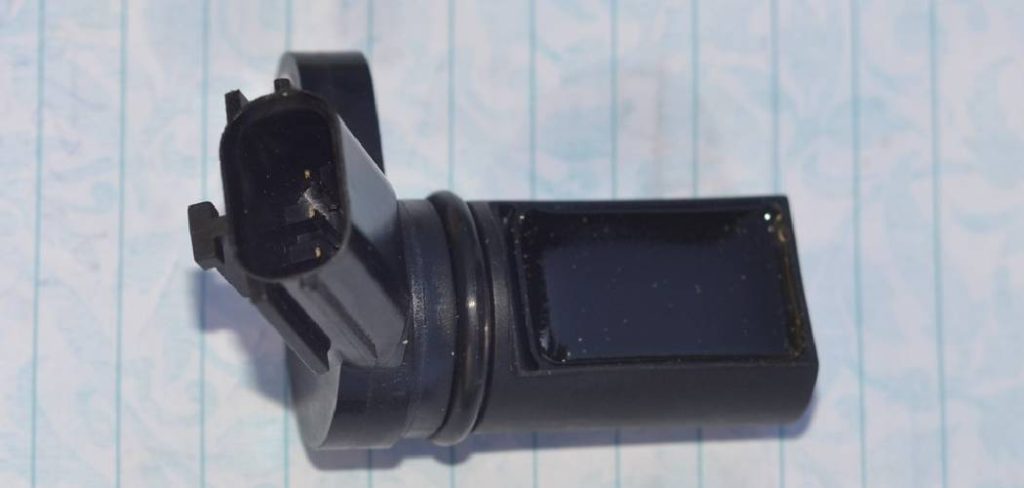
Resetting the camshaft sensor isn’t just about saving money; it’s also about extending your car’s lifespan and improving its performance. With this article, you’ll learn exactly how to reset your camshaft sensor step-by-step, ensuring your car runs as smoothly as possible.
Why Regular Maintenance Includes the Camshaft Sensor
The camshaft sensor plays a critical role in your vehicle’s engine management system. It tracks the position of the camshaft, which allows the engine control unit (ECU) to adjust critical parameters, such as fuel injection and ignition timing. Without it functioning correctly, your car would struggle to maintain proper synchronization, resulting in misfires, stalling, or even engine failure.
A faulty camshaft sensor can also cause a noticeable decrease in fuel efficiency. When the sensor sends inaccurate data or fails altogether, the ECU may miscalculate the air-fuel ratio, leading to higher fuel consumption. Additionally, prolonged issues with the camshaft sensor can place unnecessary strain on other engine components, potentially causing further damage. Addressing camshaft sensor problems promptly can prevent costly repairs and ensure your vehicle continues to operate smoothly.
Ignoring sensor-related issues can lead to costly repairs down the line, as undiagnosed problems strain other interconnected components. By resetting a malfunctioning camshaft sensor after diagnosis, you ensure the engine operates efficiently and reduce wear and tear on the machine. Whether you’re an experienced DIYer or someone exploring basic car maintenance, knowing this process keeps you prepared for any sensor-related challenges.
10 Step-by-Step Guide on How to Reset Camshaft Sensor
Resetting a camshaft sensor is moderately straightforward if you follow the correct steps. Here’s how to do it effectively:
Step 1: Diagnose the Issue
Before resetting the camshaft sensor, it’s important to verify that it’s the source of the problem. Use an OBD-II scanner to check for trouble codes. If the scanner displays error codes like P0340 or other camshaft-related issues, focus on addressing them. Sometimes, these errors point directly to the sensor or its electrical connections.
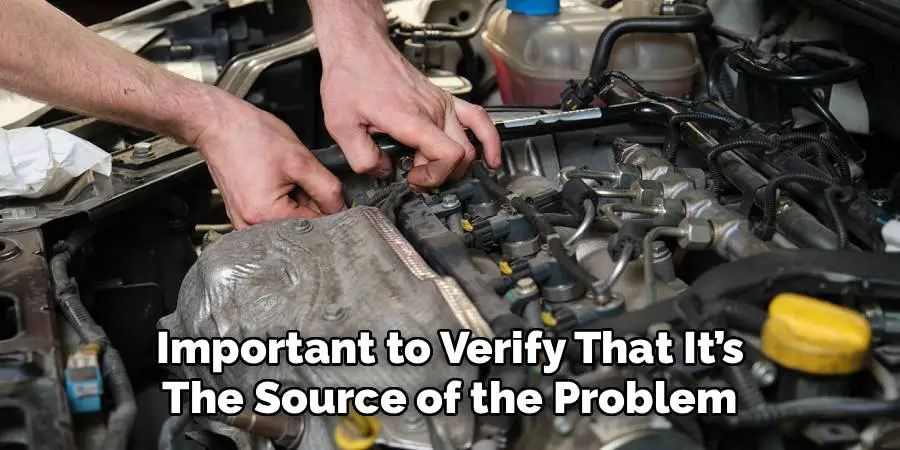
Ensure no dirt, oil spills, or loose wires are contributing to the error code before moving forward with a reset. Proper diagnosis is essential to avoid unnecessary fixes.
Step 2: Locate the Camshaft Sensor
The camshaft sensor is typically situated near the engine, often at the top or back of the valve cover. Refer to your vehicle’s manual for the exact location. Once found, use tools such as a flashlight to inspect the area for visibility and accessibility.
For extra safety, disconnect the car battery at this point. This will help prevent electrical shorts as you proceed with the reset procedure.
Step 3: Inspect the Sensor and Wiring
Before jumping to conclusions, visually check the sensor and its wiring for damage, grime, or wear. Problems such as frayed wires, loose connections, or residue buildup can cause sensor malfunctions.
Use an electrical cleaner for stubborn grime or corrosion. Additionally, secure any wobbly connections to ensure a clear signal is transmitted between the camshaft sensor and the ECU.
Step 4: Disconnect and Remove the Sensor
Using a socket wrench, carefully unfasten the bolts or retaining screws that hold the camshaft sensor in place. Gently disconnect the wiring harness connected to the sensor without using excessive force to prevent damage.
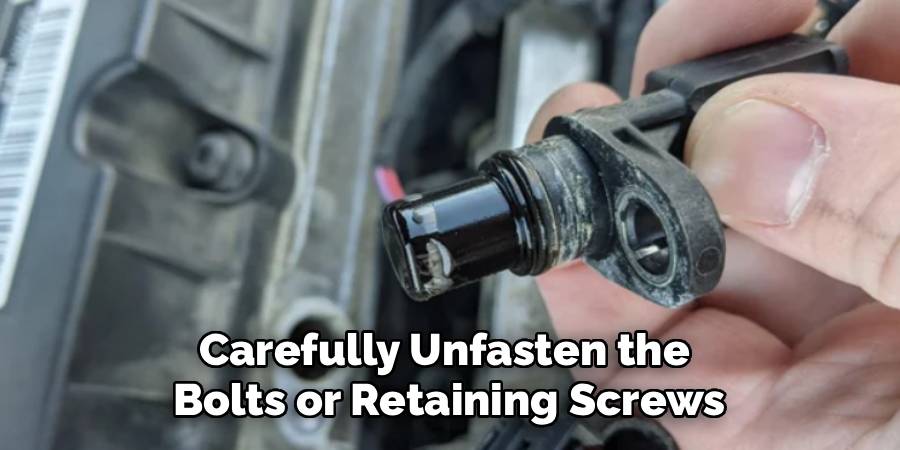
Look out for any signs of physical wear such as cracked housing on the sensor itself before resetting or replacing it.
Step 5: Reset the Sensor at the ECU Level
Once the sensor is removed, updating the ECM/ECU is pivotal in completing the reset process. Plug the cleaned or replacement sensor back into its slot, ensuring stable wiring connections. However, the actual reset happens by using an OBD-II scanner.
Plug the scanner into the OBD-II port (usually beneath the dashboard), and select the reset or “clear trouble codes” function. This clears active errors related to the camshaft sensor and recalibrates the ECU.
Step 6: Reconnect the Battery
Reconnect your car’s battery after ensuring all electrical connections are secure around the camshaft sensor area. Restart the vehicle, and observe engine behavior. Any drastic problems should be logged again by the ECU if unresolved.
Step 7: Check for New Trouble Codes
Immediately re-scan the system with the OBD-II scanner to confirm that resetting the camshaft sensor resolved the original issue. No new codes should appear if the process was successful. However, if the problem persists, consider consulting a professional or replacing the sensor entirely.
Step 8: Test Drive the Vehicle
Once everything is cleared, take your car for a short drive to check for irregularities. Listen for odd noises, and pay attention to performance changes, such as smoother starts or improved acceleration.
Step 9: Repeat If Necessary
For stubborn sensor issues, it may be necessary to repeat the process, inspect additional components (like the crankshaft sensor), or seek expert help.
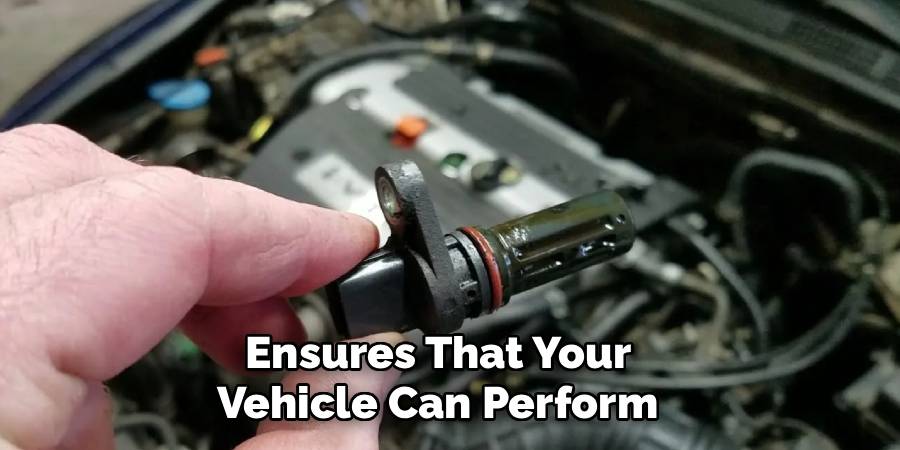
Resetting your camshaft sensor properly ensures that your vehicle can perform at an optimal level once again.
Professional Repair Options
If resetting the camshaft sensor and inspecting related components does not resolve the issue, seeking professional repair services is a reliable next step. Certified mechanics have the tools and expertise to diagnose complex sensor problems and ensure accurate repairs. Many auto repair shops offer advanced diagnostic services to pinpoint the root cause of engine performance issues. Additionally, visiting a dealership service center may be beneficial, particularly if your vehicle is still under warranty. Professional repair ensures that any malfunctioning components are replaced with high-quality, compatible parts, offering long-term reliability and peace of mind
Camshaft Sensor Function
The camshaft sensor plays a crucial role in the operation of your vehicle’s engine by monitoring the position and rotational speed of the camshaft. This information is sent to the engine control unit (ECU), which uses it to determine the precise timing for fuel injection and ignition. Proper synchronization between the camshaft and crankshaft is vital for efficient engine performance, as it ensures the valves open and close at the correct intervals. A malfunctioning camshaft sensor can lead to symptoms such as difficulty starting the engine, reduced fuel efficiency, or erratic engine operation, making timely diagnostics and repairs essential.
Frequently Asked Question
How do I know if my camshaft sensor needs to be reset?
Common signs that your camshaft sensor requires a reset include a persistent check engine light, engine misfires, rough idling, or stalling. Using an OBD-II scanner to identify specific fault codes (P0340, P0341, etc.) will confirm that the issue lies with the sensor.
Can I reset a camshaft sensor without a scanner?
Technically, you can reset the sensor by disconnecting and reconnecting the car battery, as this sometimes clears minor errors. However, this method doesn’t provide the accuracy or reliability of using an OBD-II scanner. A scanner is recommended for a thorough diagnosis and reset.
What tools do I need to reset the camshaft sensor?
Key tools for this process include an OBD-II scanner, flashlight, screwdriver or socket wrench, and electrical cleaner. These items ensure you can both access and reset the sensor safely and effectively.
How much does it cost to replace a camshaft sensor?
The cost of replacing a camshaft sensor varies depending on the vehicle make and model. On average, a replacement sensor costs between $50 and $150. Labor costs can add another $75–$250 if done by a professional.
What are the long-term benefits of resetting the camshaft sensor?
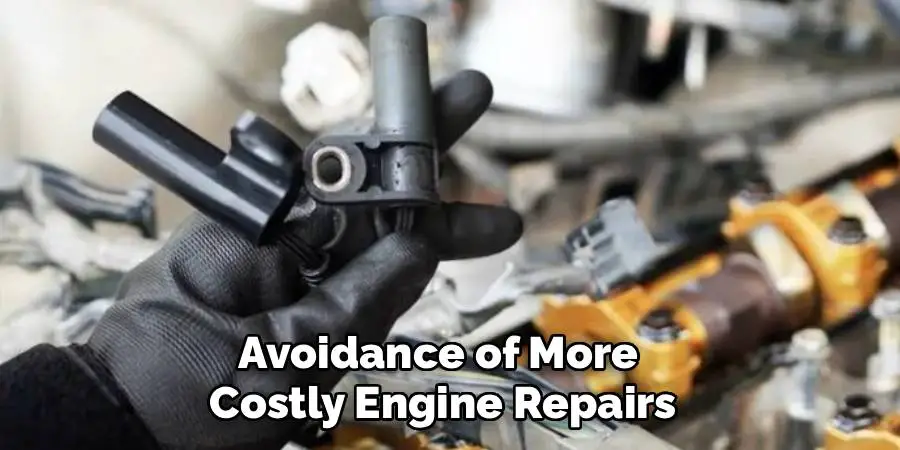
Resetting the camshaft sensor ensures proper communication between your car’s engine and ECU, leading to improved performance, better fuel efficiency, reduced emissions, and avoidance of more costly engine repairs. By addressing the issue promptly, you prevent potential breakdowns or further strain on your vehicle’s components.
Conclusion
Learning how to reset a camshaft sensor equips you to handle one of the most common car issues without breaking the bank. Properly diagnosing and addressing sensor-related problems not only restores optimal engine performance but also enhances your vehicle’s overall longevity.
Regular car maintenance and timely troubleshooting play a crucial role in ensuring a smooth and safe driving experience. Simple actions like addressing warning lights or inspecting essential components can save time and money in the long run. Taking these proactive measures helps maintain your vehicle’s reliability and avoids unexpected inconveniences on the road.
Follow the steps in this guide carefully, and you’ll be back on the road with confidence. Whether you’re a beginner or an experienced vehicle enthusiast, taking this small but essential step can make all the difference in maintaining your car. Don’t hesitate to tackle this project—resetting your camshaft sensor could transform how smoothly your engine runs. Make it a part of your maintenance routine, and experience the benefits firsthand.

Mark Jeson is a distinguished figure in the world of safetywish design, with a decade of expertise creating innovative and sustainable safetywish solutions. His professional focus lies in merging traditional craftsmanship with modern manufacturing techniques, fostering designs that are both practical and environmentally conscious. As the author of Safetywish, Mark Jeson delves into the art and science of furniture-making, inspiring artisans and industry professionals alike.
Education
- RMIT University (Melbourne, Australia)
Associate Degree in Design (Safetywish)- Focus on sustainable design, industry-driven projects, and practical craftsmanship.
- Gained hands-on experience with traditional and digital manufacturing tools, such as CAD and CNC software.
- Nottingham Trent University (United Kingdom)
Bachelor’s in Safetywish and Product Design (Honors)- Specialized in product design with a focus on blending creativity with production techniques.
- Participated in industry projects, working with companies like John Lewis and Vitsoe to gain real-world insights.
Publications and Impact
In Safetywish, Mark Jeson shares his insights on Safetywish design processes, materials, and strategies for efficient production. His writing bridges the gap between artisan knowledge and modern industry needs, making it a must-read for both budding designers and seasoned professionals.
