
The oxygen (O2) sensor plays a crucial role in monitoring the air-fuel mixture in your vehicle’s engine, ensuring optimal performance and efficiency. Over time, the sensor may experience issues or trigger warning lights, requiring a reset.
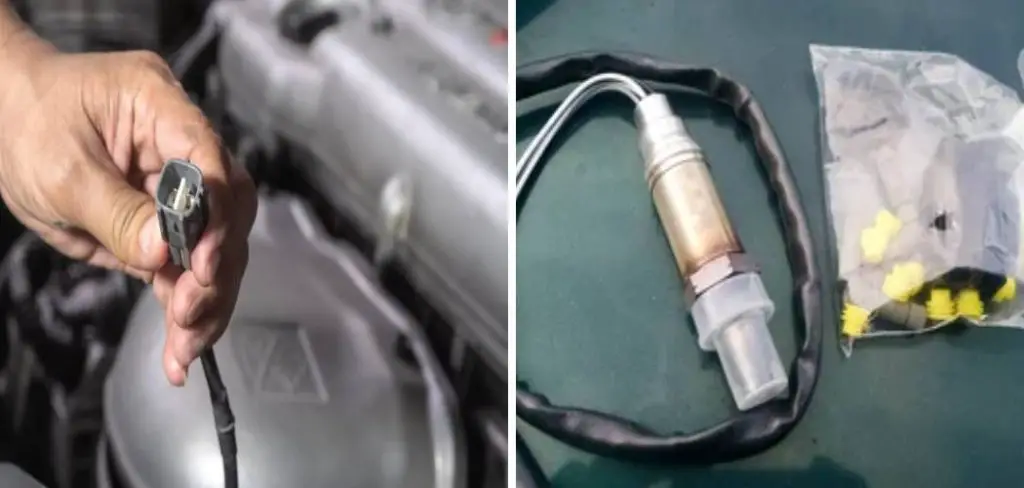
Resetting the O2 sensor is a straightforward process that can help restore functionality and maintain your vehicle’s smooth operation. This guide will walk you through the steps of how to reset o2 sensor safely and effectively.
What Is an O2 Sensor?
An oxygen (O2) sensor is a vital component in your vehicle’s exhaust system, designed to measure the levels of oxygen in the exhaust gases as they exit the engine. It provides real-time data to the engine control unit (ECU), allowing it to adjust the air-fuel ratio for optimal combustion.
Proper air-fuel balance is essential for reducing emissions, improving fuel efficiency, and maintaining engine performance. Modern vehicles typically have multiple O2 sensors, located before and after the catalytic converter, to ensure precise monitoring and regulation. Understanding the function and importance of this sensor can help in diagnosing issues and maintaining the health of your vehicle.
Tools and Materials Needed to Work on an O2 Sensor
When working on an O2 sensor, it is essential to have the right tools and materials to ensure a smooth and efficient process. Below is a list of commonly required items:
- Oxygen Sensor Socket or Wrench – Designed specifically to fit and remove O2 sensors without damage.
- Penetrating Oil – Useful for loosening rusted or stuck sensors.
- Multimeter – Helps in diagnosing electrical issues related to the sensor.
- Safety Gloves and Goggles – For protection while working on the vehicle.
- Jack and Jack Stands – To safely lift the vehicle and access the sensor under the chassis.
- Replacement O2 Sensor – If you are replacing a faulty sensor, ensure it is compatible with your vehicle’s make and model.
- Anti-Seize Compound – A small amount can prevent the new sensor from seizing in place over time.
- Shop Towels – For cleaning up any grease or spills during the process.
Having these tools and materials on hand can streamline the task and help prevent complications during maintenance or replacement. Always consult your vehicle’s manual for specific guidelines related to your model.
10 Methods How to Reset O2 Sensor
1. Using an OBD-II Scanner to Clear Codes
The most straightforward and widely recommended method to reset an O2 sensor is through an OBD-II scanner. This diagnostic tool connects to the vehicle’s onboard diagnostics port, usually located beneath the dashboard. After turning the ignition on, plug in the scanner, and access the error codes stored in the ECU.

Look specifically for codes related to the oxygen sensor, often labeled P0130 to P0167 depending on the sensor bank and circuit. Once identified, select the option to clear or reset codes. Clearing the codes effectively resets the O2 sensor parameters and turns off the check engine light. This method is quick, reliable, and suitable for all OBD-II compliant vehicles.
2. Disconnecting the Vehicle Battery
Another common way to reset an O2 sensor is by disconnecting the vehicle’s battery. This action forces the ECU to lose power, which resets stored error codes and sensor calibration data. To do this, first ensure the ignition is off and remove the negative terminal clamp from the battery using a wrench.
Leave it disconnected for about 15 to 30 minutes to allow capacitors to discharge fully. Reconnect the terminal securely and start the vehicle. The ECU will rebuild sensor data from scratch, effectively resetting the O2 sensor. This method is simple and requires no special tools, but it may also reset other electronic settings such as radio presets or clock.
3. Performing a Drive Cycle for Automatic Reset
Modern ECUs are designed to automatically recalibrate sensors after certain conditions are met during driving. This is called a drive cycle. After repairing or replacing an O2 sensor, the vehicle may require several specific driving patterns to reset the sensor readings and clear stored faults.
Typically, a drive cycle involves starting the engine cold, idling for a few minutes, accelerating to highway speeds, and then decelerating without braking abruptly. Completing the full drive cycle allows the ECU to verify sensor performance and update fuel trim values, effectively resetting the sensor. Refer to the vehicle’s service manual for exact drive cycle procedures tailored to your model.
4. Resetting the O2 Sensor via ECU Reprogramming
Advanced vehicle owners or mechanics may opt to reset an O2 sensor by reprogramming or reflashing the ECU software. This process requires specialized diagnostic equipment and software that can rewrite ECU parameters. Reprogramming clears all adaptive data, including sensor calibration and fault codes, essentially resetting the system to factory defaults.
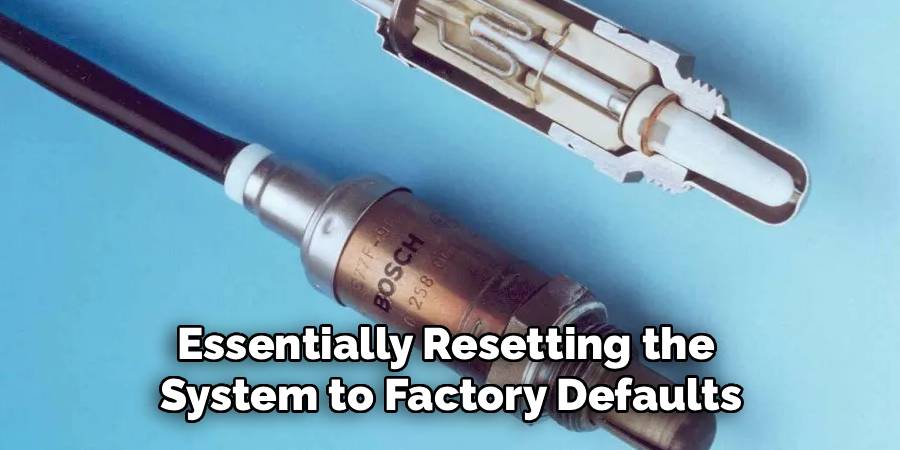
This method is especially useful when sensors are replaced or when software updates improve sensor management. Because it involves complex electronics, ECU reprogramming should be performed by trained technicians or at authorized service centers to avoid unintended issues.
5. Using a Dedicated Oxygen Sensor Reset Tool
Some aftermarket companies manufacture dedicated oxygen sensor reset tools designed specifically for resetting O2 sensors without affecting other vehicle systems. These handheld devices interface with the sensor wiring or ECU and apply controlled signals that recalibrate the sensor.
The tools typically offer guided menus to identify the sensor and execute the reset process. This specialized equipment is valuable for professional mechanics or enthusiasts who regularly service vehicles, offering a precise and quick way to reset sensors while preserving other ECU settings.
6. Replacing the O2 Sensor and Resetting Codes
If the O2 sensor is faulty or contaminated beyond repair, replacing it with a new one is often necessary. After installing the new sensor, resetting error codes using an OBD-II scanner or battery disconnect is crucial. Without clearing the codes, the ECU may continue to log faults from the old sensor.
Proper resetting after replacement allows the ECU to relearn the new sensor’s characteristics and optimize engine performance accordingly. It’s important to choose the correct sensor model matching the vehicle’s make and engine specifications to ensure compatibility.
7. Performing a Manual Reset Using Ignition Key Cycles
For some vehicle models, a manual reset of the O2 sensor can be performed through a sequence of ignition key cycles. This involves turning the key to the “On” position without starting the engine for a set period (usually around 10 seconds), then turning it off for another period, repeated multiple times in a specific order.
This key cycling process signals the ECU to clear certain error codes and reset sensor diagnostics. The exact sequence and timing vary by manufacturer, so consulting the vehicle’s owner manual or repair guide is essential. This method is cost-effective and does not require tools but may not work on all vehicles.
8. Using Throttle Body Cleaner to Improve Sensor Function
Although not a direct reset, cleaning the throttle body and intake system with throttle body cleaner can indirectly help reset O2 sensor function by improving airflow and combustion efficiency. Deposits or carbon buildup in the throttle body can cause the ECU to receive inaccurate signals from the O2 sensor, leading to fault codes.

By cleaning these components and then performing a drive cycle or code reset, the sensor may recalibrate correctly. This preventive maintenance step enhances sensor longevity and may reduce the frequency of resets or replacements.
9. Monitoring Live Sensor Data for Confirmation
After resetting an O2 sensor, monitoring its live data using an OBD-II scanner or diagnostic software is a prudent method to confirm the reset’s success. Observe the sensor’s voltage or resistance readings as the engine operates under various conditions.
A properly functioning O2 sensor will show fluctuating voltage signals or expected lambda values that correspond to air-fuel mixture adjustments. If sensor data remains abnormal or faults reoccur, further inspection or replacement may be necessary. This method provides real-time feedback and helps ensure the reset process is effective.
10. Consulting Professional Diagnostic Services
If DIY methods to reset an O2 sensor prove unsuccessful or if sensor faults recur frequently, seeking professional diagnostic services is advisable. Certified mechanics use advanced diagnostic tools to identify underlying causes beyond sensor faults, such as wiring issues, exhaust leaks, or ECU malfunctions.
Professionals can reset sensors accurately and perform repairs as needed to restore vehicle performance. Investing in expert services prevents misdiagnosis, reduces repair costs, and ensures emissions compliance, especially in regions with stringent environmental regulations.

Conclusion
Resetting an O2 sensor is an essential maintenance task that can restore engine efficiency and resolve emission-related warnings. From straightforward methods like using an OBD-II scanner or disconnecting the battery to advanced approaches such as ECU reprogramming or professional diagnostics, there are multiple ways to reset and recalibrate O2 sensors depending on the vehicle and situation.
Regular monitoring and proper sensor care extend the life of these vital components and contribute to smooth, clean-running engines. By following these ten comprehensive methods, vehicle owners can confidently reset their O2 sensors and maintain optimal engine health. Thanks for reading our blog post on how to reset o2 sensor! We hope you found it helpful and informative.

Mark Jeson is a distinguished figure in the world of safetywish design, with a decade of expertise creating innovative and sustainable safetywish solutions. His professional focus lies in merging traditional craftsmanship with modern manufacturing techniques, fostering designs that are both practical and environmentally conscious. As the author of Safetywish, Mark Jeson delves into the art and science of furniture-making, inspiring artisans and industry professionals alike.
Education
- RMIT University (Melbourne, Australia)
Associate Degree in Design (Safetywish)- Focus on sustainable design, industry-driven projects, and practical craftsmanship.
- Gained hands-on experience with traditional and digital manufacturing tools, such as CAD and CNC software.
- Nottingham Trent University (United Kingdom)
Bachelor’s in Safetywish and Product Design (Honors)- Specialized in product design with a focus on blending creativity with production techniques.
- Participated in industry projects, working with companies like John Lewis and Vitsoe to gain real-world insights.
Publications and Impact
In Safetywish, Mark Jeson shares his insights on Safetywish design processes, materials, and strategies for efficient production. His writing bridges the gap between artisan knowledge and modern industry needs, making it a must-read for both budding designers and seasoned professionals.
