
Are you looking for a way to start your Volkswagen car with a key? Look no further, as we have got you covered.
Starting a Volkswagen (VW) with a key is a straightforward process designed to ensure both convenience and security for the driver. Whether you’re starting a traditional ignition system or a newer model equipped with advanced key features, understanding the correct steps can help you get on the road quickly and safely. Additionally, knowing how to start your VW with a key can come in handy during emergencies when the keyless entry system may not be functioning.

This guide on how to start VW with key will walk you through the basics of starting your VW with a key, making it easy even if you’re a first-time user.
What Are the Benefits of Starting Your VW with a Key?
Starting your VW with a key offers several benefits, including:
- Reliable Ignition: Unlike keyless entry systems that may experience malfunctions or battery issues, starting your VW with a key is a tried and tested method that ensures you can start your car every time.
- Emergency Backup: In case your keyless entry system fails or if you lose your key fob, being able to start your VW with a key can save you from being stranded.
- Easy to Use: Starting your VW with a key is simple, making it an ideal option for those who prefer traditional methods over modern technology.
What Will You Need?
To start your VW with a key, you will need the following:
- Your Key: This may seem obvious, but make sure you have your key with you before attempting to start your car.
- The Right Key: Some VW models have different types of keys – traditional metal keys or flip keys. Make sure you have the right one for your vehicle.
- A Working Ignition Switch: If your ignition switch is damaged or not functioning properly, starting your car with a key may not work. In this case, you may need to replace your ignition switch before attempting to start your car.
- Fuel in the Tank: Again, this may seem obvious, but make sure you have enough fuel in your tank before starting your car. If your fuel gauge is not working properly, it’s best to fill up just in case.
- A Charged Battery: A low or dead battery can prevent a key-start system from working. Make sure your battery is fully charged and check for any corrosion on the terminals.
10 Easy Steps on How to Start VW With Key
Step 1. Ensure the Car is in Park or Neutral
Before attempting to start your Volkswagen with a key, it’s essential to verify that the car is in the correct gear position. If your vehicle has an automatic transmission, it should be in the “Park” (P) position. For manual transmission vehicles, ensure the gear stick is in “Neutral” (N). This precaution prevents the car from accidentally lurching forward or backward when the engine starts, which could lead to unwanted accidents or damage. Double-checking the gear placement ensures a safe engine start and is a fundamental step before proceeding.
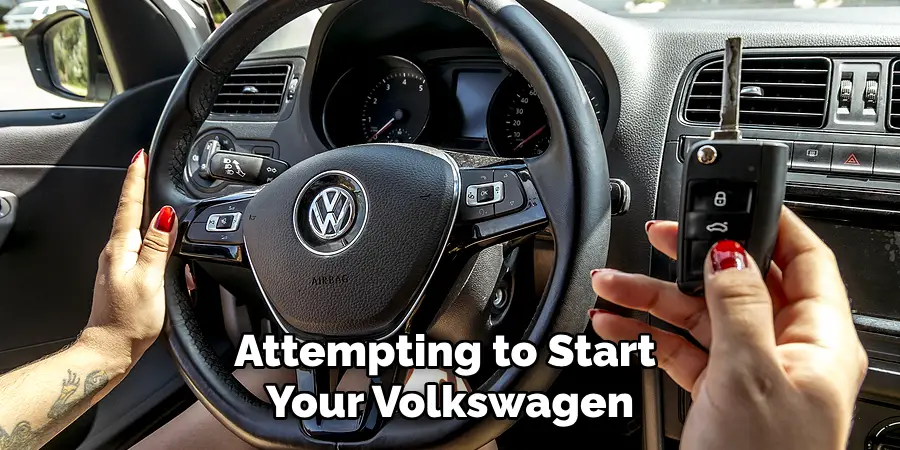
Step 2. Engage the Parking Brake
Engage the parking brake to secure the vehicle in place, especially if you are parked on a slope or uneven surface. Locate the parking brake lever or pedal, which is typically found between the front seats or to the left of the driver’s footwell. Pull the lever upwards or press the pedal down firmly to activate it. This step prevents the vehicle from rolling accidentally and adds an extra layer of safety during the engine starting process. Always ensure the parking brake is fully engaged before proceeding to the next step.
Step 3. Insert the Key into the Ignition
Insert the key into the ignition switch, which is usually located on the right side of the steering column. Ensure the key is fully inserted and positioned correctly, as this step is crucial for starting the vehicle. If the ignition switch is a push-to-start system instead of a traditional key, ensure you have the key fob inside the vehicle. Familiarizing yourself with the specific ignition system of the car will make this process smoother and more efficient.
Step 4. Turn the Key to the “On” Position
Turn the key clockwise to the “On” position, which is typically the second position. This will activate the vehicle’s electrical systems, such as the dashboard lights, fuel pump, and other essential components, without engaging the engine. Pay attention to any warning lights or indicators on the dashboard, as they may provide important information about the car’s condition.
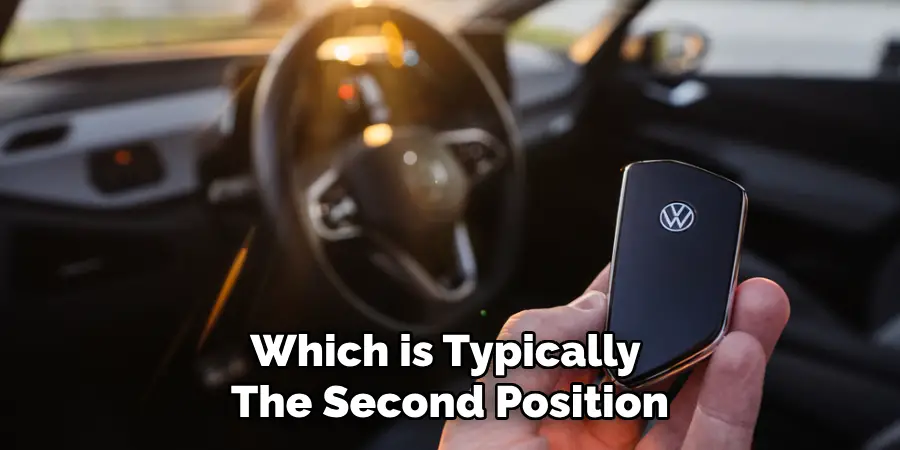
Avoid attempting to start the engine until you are sure everything is properly set and ready. If the vehicle uses a push-to-start system, press the start button without applying pressure to the brake pedal to achieve the same result.
Step 5. Wait for the Dashboard Lights to Cycle
Once the key is in the “on” position or the start button has been pressed without engaging the brake pedal, observe the dashboard. The lights will illuminate briefly as part of a self-check process. This ensures that all systems, such as the ABS, airbags, and engine diagnostics, are functioning correctly. Wait until the lights either turn off or stay on, depending on their normal behavior for the given car model. If any warning lights remain illuminated, consult the vehicle’s manual or address the issue before proceeding. Patience during this step is crucial to avoid potential complications or damage to the engine and other systems.
Step 6. Start the Engine
Once all the necessary checks have been completed and the warning lights behave as expected, it’s time to start the engine. Turn the ignition key or press the start button while ensuring that your foot is firmly pressing the brake pedal. Listen for the smooth sound of the engine starting, which indicates that the car is ready for use. If the engine struggles to start or unusual noises occur, turn it off immediately and investigate the cause. Starting the engine properly ensures a safe and efficient driving experience.
Step 7. Listen for Unusual Noises
Pay close attention to any sounds that the engine or vehicle makes after starting. Unusual noises, such as knocking, squealing, or grinding, may indicate underlying mechanical issues that could require immediate attention. Walk around the vehicle and listen for any irregular sounds from the exhaust or other components.
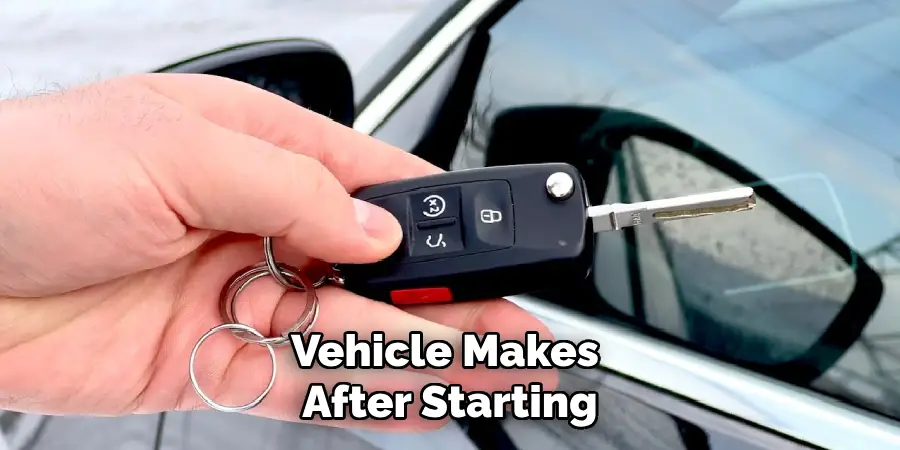
If you notice anything unusual, it is advisable to consult a professional mechanic before proceeding to ensure the vehicle is safe to operate. Regularly addressing such issues can prevent costly repairs and maintain the car’s performance.
Step 8. Release the Parking Brake
Before moving the vehicle, ensure that the parking brake is fully released. This step is crucial for avoiding unnecessary wear or damage to the braking system. To release the parking brake, follow the specific instructions provided in your vehicle’s manual, as methods may vary between models. Some vehicles feature a lever that needs to be lowered, while others may have a pedal or an electronic button. Always confirm that the brake symbol on the dashboard is no longer illuminated before proceeding.
Step 9. Check Your Surroundings
Before moving the vehicle, take a moment to thoroughly assess your surroundings to ensure safety. Look for any obstacles, pedestrians, or other vehicles that may be in your path. Check your rearview and side mirrors and, if necessary, physically turn your head to check blind spots that might not be visible in the mirrors. Pay attention to environmental factors like weather conditions, visibility, and road hazards, which could affect your driving. Being vigilant during this step helps prevent accidents and ensures a smooth start to your drive.
Step 10. Drive Safely
Once you have started driving, maintain focus on the road and adhere to traffic laws at all times. Keep a safe following distance from the vehicle ahead to allow for sudden stops or unexpected situations. Avoid distractions such as using your phone or adjusting controls while driving. Stay within the speed limit and adjust your speed according to road and weather conditions.

Always use turn signals when changing lanes or turning, and continuously check your surroundings using your mirrors and blind spots. Prioritize safety for yourself, your passengers, and others on the road by driving attentively and responsibly.
By following these safe driving practices, you can reduce the risk of accidents and ensure a safer travel experience for everyone.
Conclusion
How to start VW with key, Begin by ensuring that the vehicle is in park or neutral, and that the parking brake is engaged for safety.
Insert the key into the ignition and turn it to the “On” position without starting the engine. This will allow the car’s electrical systems, including lights and dashboard indicators, to activate. Next, press the brake pedal if you’re driving an automatic transmission or the clutch pedal for a manual transmission. Finally, turn the key to the “Start” position and hold it momentarily until the engine starts, then release it to allow the key to return to the “On” position.
Always make sure to check for warning lights or unusual sounds during this process to address any potential issues.

Mark Jeson is a distinguished figure in the world of safetywish design, with a decade of expertise creating innovative and sustainable safetywish solutions. His professional focus lies in merging traditional craftsmanship with modern manufacturing techniques, fostering designs that are both practical and environmentally conscious. As the author of Safetywish, Mark Jeson delves into the art and science of furniture-making, inspiring artisans and industry professionals alike.
Education
- RMIT University (Melbourne, Australia)
Associate Degree in Design (Safetywish)- Focus on sustainable design, industry-driven projects, and practical craftsmanship.
- Gained hands-on experience with traditional and digital manufacturing tools, such as CAD and CNC software.
- Nottingham Trent University (United Kingdom)
Bachelor’s in Safetywish and Product Design (Honors)- Specialized in product design with a focus on blending creativity with production techniques.
- Participated in industry projects, working with companies like John Lewis and Vitsoe to gain real-world insights.
Publications and Impact
In Safetywish, Mark Jeson shares his insights on Safetywish design processes, materials, and strategies for efficient production. His writing bridges the gap between artisan knowledge and modern industry needs, making it a must-read for both budding designers and seasoned professionals.
