
A safety jacket is a critical piece of personal protective equipment, designed to keep you visible and safe in low-light and high-traffic environments. However, its effectiveness depends heavily on its condition. Tossing it in the back of a truck or leaving it exposed to the elements can degrade its materials, diminishing its life-saving visibility. Proper care goes beyond just washing; it includes knowing how to handle it between uses.
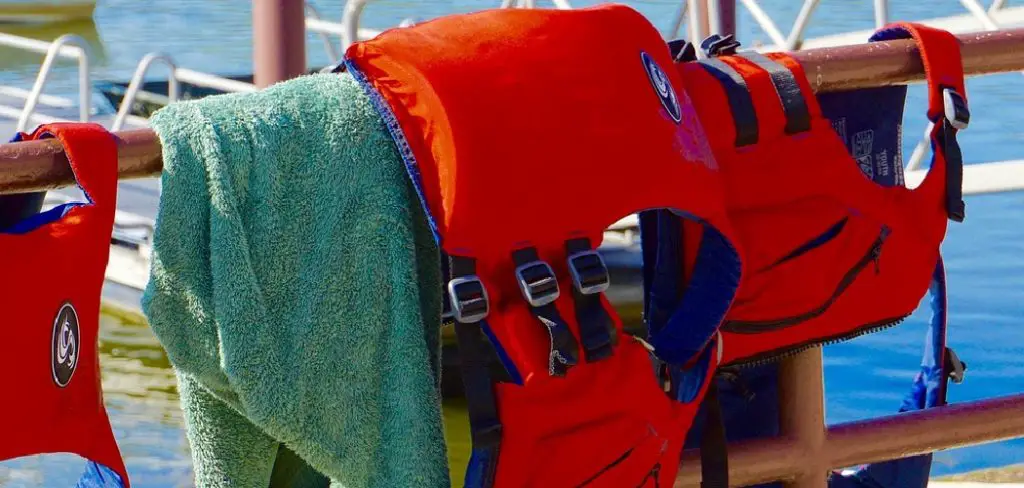
This guide is designed to provide clear, actionable advice for workers and safety professionals alike. We will show you exactly how to store a safety jacket to preserve its protective qualities, extend its lifespan, and ensure it’s ready to perform when you need it most.
Why Properly Storing a Safety Jacket Is Important
Properly storing your safety jacket is just as important as wearing it. The high-visibility colors and retroreflective tape that make the jacket effective are surprisingly sensitive. Prolonged exposure to direct sunlight can cause the fluorescent fabrics to fade, significantly reducing their daytime visibility. Dirt, grime, and chemicals can also degrade the reflective materials, making them less effective at night. Storing the jacket improperly—such as crumpling it into a ball or piling heavy objects on top of it—can create permanent creases that damage the delicate reflective tape.
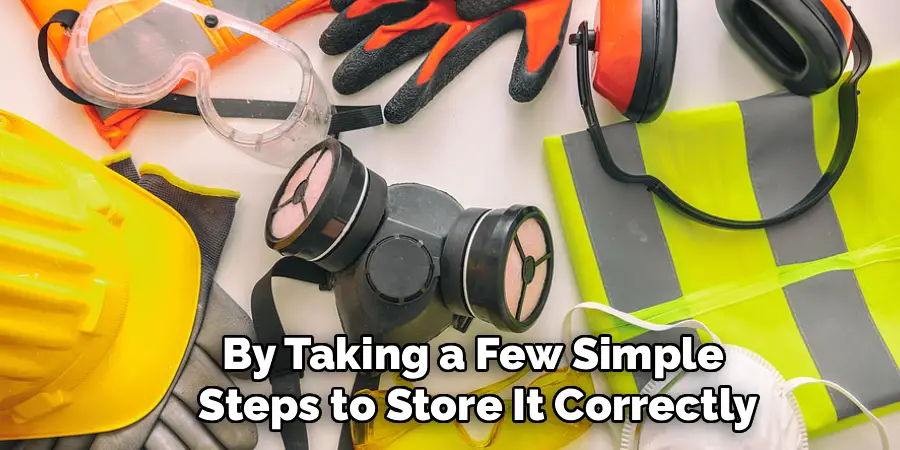
Ultimately, a safety jacket is a piece of life-saving protective equipment. By taking a few simple steps to store it correctly, you are actively maintaining its integrity. Proper workwear maintenance ensures that your jacket functions as intended, providing maximum visibility and protection. This not only keeps you safe but also extends the life of the garment, saving you money in the long run.
Step-by-Step Guide: How to Store a Safety Jacket
Step 1: Clean the Jacket Before Storage
Before you even think about putting your jacket away, make sure it is clean. Dirt, oil, grease, and other contaminants can permanently stain the fabric and degrade the reflective tape over time. Follow the manufacturer’s care label for washing instructions. Generally, this involves using a mild detergent and cool water. Avoid using fabric softeners or bleach, as these harsh chemicals can damage the fluorescent and reflective properties. A clean jacket is the first step in proper workwear maintenance and ensures that no abrasive materials are left on the surface during storage.
Step 2: Ensure the Jacket Is Completely Dry
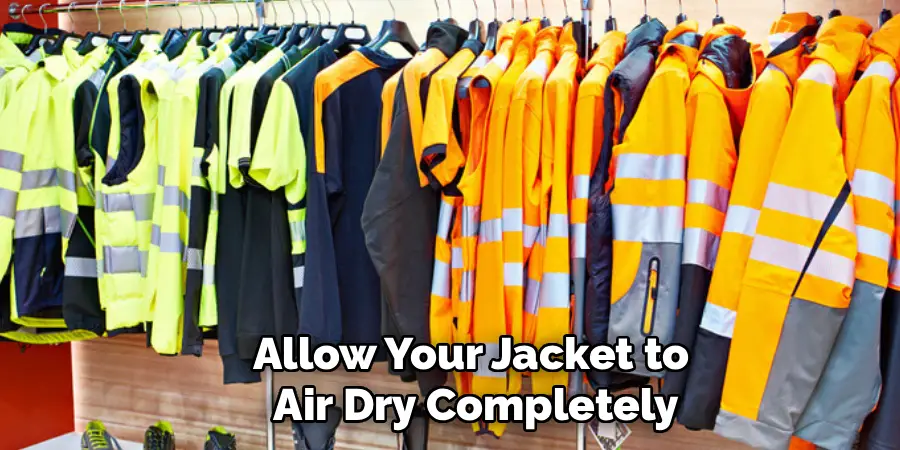
Storing a damp or wet safety jacket is a recipe for disaster. Moisture trapped in the fabric can lead to the growth of mold and mildew, which not only creates a foul odor but can also weaken the fabric fibers and cause permanent staining. After washing, allow your jacket to air dry completely. It is best to hang it in a well-ventilated area away from direct sunlight or intense heat, as high temperatures can damage the reflective materials. Never store your protective equipment while it is even slightly damp.
Step 3: Choose a Cool, Dark, and Dry Location
The ideal storage environment for your reflective gear is cool, dark, and dry. Ultraviolet (UV) light from the sun is one of the biggest enemies of high-visibility clothing. It causes the bright fluorescent colors to fade, making the jacket much less effective during the day. Find a location like a closet, a locker, or a dedicated storage container that is shielded from direct sunlight. The area should also have low humidity to prevent any risk of moisture damage, ensuring the jacket remains in top condition between uses.
Step 4: Hang the Jacket on a Wide Hanger
The best way to store a safety jacket is by hanging it. This prevents creasing and protects the delicate reflective stripes. Use a wide, sturdy hanger—preferably a plastic or wooden one—to support the jacket’s weight without stressing the shoulder seams. A flimsy wire hanger can create sharp creases and distort the shape of the jacket over time. Hanging the jacket ensures that it maintains its form and that the reflective tape remains flat and undamaged, which is a crucial aspect of learning how to store a safety jacket correctly.

Step 5: Avoid Compressing or Folding Tightly
If hanging is not an option, you must be careful when folding. Avoid creasing the jacket along the reflective stripes. Tightly folding or compressing the jacket can cause the retroreflective tape to crack, peel, or separate from the fabric, rendering it ineffective. If you must fold it, do so loosely. Lay the jacket flat, fold the sleeves in, and then loosely fold the body in half. Do not place heavy objects on top of the stored jacket, as the pressure can cause permanent damage to the protective materials.
Step 6: Use a Breathable Garment Bag for Long-Term Storage
For long-term storage, such as during the off-season, a breathable garment bag can offer an extra layer of protection. This will shield the jacket from dust, dirt, and potential pests. It is very important to use a bag made of a breathable material, like cotton or non-woven fabric. Avoid sealing the jacket in a plastic bag or container. Plastic traps moisture and does not allow air to circulate, which can lead to mildew growth and degradation of the fabric over time.
Step 7: Keep It Separate from Rough or Sharp Items
When choosing your storage solutions, ensure your safety jacket is not in contact with anything that could damage it. Keep it away from tools, sharp objects, or abrasive surfaces that could snag, tear, or scrape the fabric or reflective tape. In a work vehicle or a crowded locker, it is easy for a jacket to get damaged by other equipment. Dedicating a specific, clean hook or a separate compartment for your high-visibility clothing is a simple habit that can significantly extend its usable life.
Proper Cleaning Techniques
Proper cleaning techniques are essential to maintain the durability and effectiveness of your safety jacket. Always check the care label for specific washing instructions provided by the manufacturer. Generally, safety jackets should be washed in cold or warm water on a gentle cycle, using a mild detergent that is free of bleach or harsh chemicals, which can degrade the reflective material. Avoid using fabric softeners, as they can also impair the jacket’s reflective qualities.
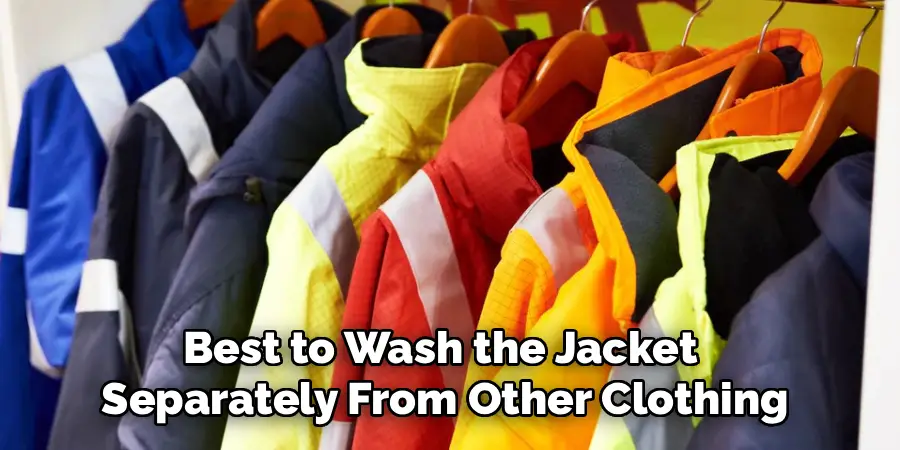
To prevent damage, it’s best to wash the jacket separately from other clothing, particularly items with rough textures or zippers. After washing, allow the jacket to air dry instead of using a high-heat dryer, as heat exposure can shrink the fabric or affect its integrity. Following these steps will help ensure that your safety jacket remains in excellent condition and continues to provide reliable protection.
Frequently Asked Questions (FAQ)
Can I Store My Safety Jacket in My Car?
While convenient, storing a safety jacket in a car long-term is not ideal.
- Temperatures inside a vehicle can become extreme, both hot and cold, which can degrade the fabric and reflective materials.
- More importantly, prolonged exposure to UV rays through the car windows will cause the fluorescent colors to fade, reducing the jacket’s daytime visibility. If you must keep it in your car, place it in a garment bag in the trunk.
How Often Should I Inspect My Stored Safety Jacket?
You should inspect your safety jacket every time you wear it. For jackets in long-term storage, it’s a good practice to check on them every few months. Look for any signs of damage, such as fading colors, cracked or peeling reflective tape, tears, or mildew. Regular inspections ensure that when you need the jacket, it is still in a safe and effective condition.
What Is the Best Way to Fold a Safety Jacket if I Can’t Hang It?
If hanging isn’t possible, the key is to fold it loosely while protecting the reflective tape. Lay the jacket flat and zip it up. Fold the sleeves across the chest. Then, fold the jacket in half from the bottom up, making sure not to create a sharp crease across any of the reflective stripes. Never compress it tightly or stuff it into a small bag.
Will Mold and Mildew Ruin My Safety Jacket?
Yes, mold and mildew can permanently ruin a safety jacket. They can cause unsightly stains that are difficult to remove and can weaken the fabric’s fibers, leading to tears. More importantly, they can compromise the integrity of the reflective materials. The best way to prevent this is to ensure your jacket is completely dry before storage and to keep it in a low-humidity environment.
How Do I Know When It’s Time to Replace My Safety Jacket?
It’s time for a replacement when the jacket no longer meets safety standards. Look for key signs of wear:
- The fluorescent color is noticeably faded or dull.
- The reflective tape is cracked, peeling, or missing in sections.
- The jacket is torn, heavily stained, or has other physical damage.
A worn-out jacket is a safety hazard and should be replaced immediately.
Conclusion
A safety jacket is a non-negotiable tool for personal protection, and its effectiveness is directly tied to how well it is maintained. Proper storage is a simple but critical practice that protects the jacket’s high-visibility fabric and reflective materials from damage, ensuring it performs as intended when you need it most. By following these steps, you can prevent fading, mildew, and physical damage.
Taking a few extra moments to clean, dry, and correctly put away your garment will significantly extend its lifespan and, more importantly, preserve its life-saving features. Now that you know how to store a safety jacket, you can ensure your most important piece of protective gear is always ready for duty.

Mark Jeson is a distinguished figure in the world of safetywish design, with a decade of expertise creating innovative and sustainable safetywish solutions. His professional focus lies in merging traditional craftsmanship with modern manufacturing techniques, fostering designs that are both practical and environmentally conscious. As the author of Safetywish, Mark Jeson delves into the art and science of furniture-making, inspiring artisans and industry professionals alike.
Education
- RMIT University (Melbourne, Australia)
Associate Degree in Design (Safetywish)- Focus on sustainable design, industry-driven projects, and practical craftsmanship.
- Gained hands-on experience with traditional and digital manufacturing tools, such as CAD and CNC software.
- Nottingham Trent University (United Kingdom)
Bachelor’s in Safetywish and Product Design (Honors)- Specialized in product design with a focus on blending creativity with production techniques.
- Participated in industry projects, working with companies like John Lewis and Vitsoe to gain real-world insights.
Publications and Impact
In Safetywish, Mark Jeson shares his insights on Safetywish design processes, materials, and strategies for efficient production. His writing bridges the gap between artisan knowledge and modern industry needs, making it a must-read for both budding designers and seasoned professionals.
