
When your vehicle’s anti-lock braking system (ABS) light comes on, it often indicates an issue with one of the ABS sensors. These sensors play a critical role in ensuring your safety by monitoring the speed of each wheel and preventing them from locking in slippery conditions. Identifying which ABS sensor is faulty is essential for addressing the problem and restoring your vehicle’s braking system to optimal performance. This guide will help you with how to tell which abs sensor is bad.
What Is an ABS Sensor?
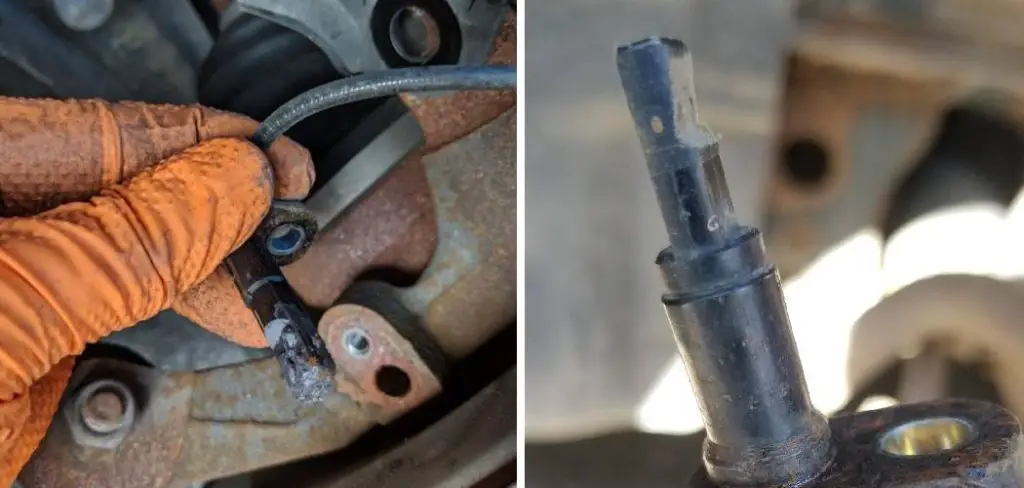
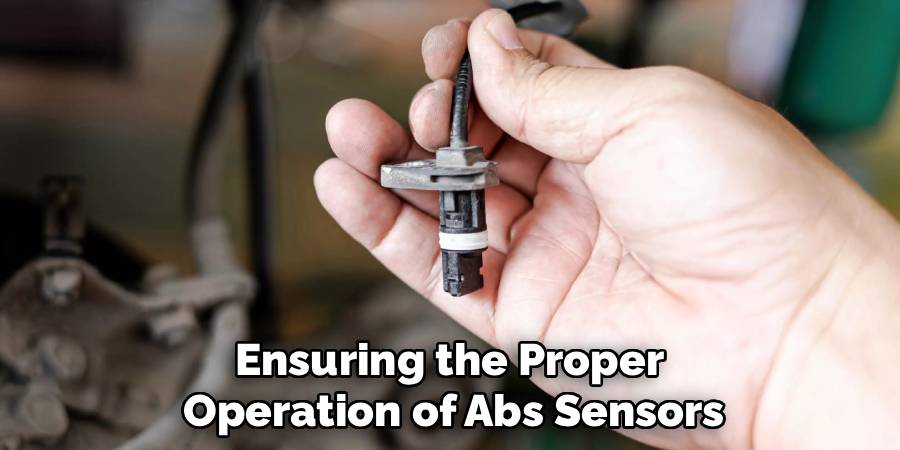
An ABS sensor, also known as a wheel speed sensor, is a crucial component of your vehicle’s anti-lock braking system. Its primary function is to measure the rotational speed of each wheel and send this data to the ABS control module. By constantly monitoring wheel speed, the ABS system can detect when a wheel is about to lock up during braking. This allows the system to automatically adjust brake pressure, preventing skidding and maintaining control of the vehicle. ABS sensors are typically located near the wheels, either mounted on the wheel hub or integrated within the axle depending on the vehicle’s design.
Importance of ABS Sensors in Vehicle Safety
ABS sensors are a vital component of modern braking systems, as they enhance the safety and control of your vehicle in emergency situations. By constantly monitoring the rotational speed of each wheel, these sensors communicate with the ABS system to prevent wheel lock-ups during sudden braking or when driving on slippery surfaces. This not only helps maintain traction and stability but also allows the driver to steer the vehicle while braking, reducing the risk of accidents. Without functioning ABS sensors, the system cannot properly regulate braking pressure, compromising your ability to safely stop your vehicle in challenging conditions. Therefore, ensuring the proper operation of ABS sensors is crucial for both your safety and the safety of others on the road.
10 Methods How to Tell Which Abs Sensor Is Bad
1. Observe the ABS Warning Light on the Dashboard
The most immediate indicator of an ABS sensor issue is the illumination of the ABS warning light on your dashboard. While this light only indicates a general fault in the system, it serves as your first clue that a sensor may be failing. This light activates because the onboard diagnostics (OBD-II) system has detected a discrepancy in the readings from one or more of the wheel speed sensors. Although it doesn’t specify the exact sensor at fault, it signals the need for further inspection or testing.
2. Use an OBD-II Scanner with ABS Capability
To precisely identify which ABS sensor is causing the problem, use an OBD-II scanner that supports ABS diagnostics. Standard scanners may not display ABS-specific codes, so ensure your device is compatible. Connect it to your vehicle’s diagnostic port—usually found beneath the dashboard on the driver’s side. Once connected, retrieve the fault codes. Codes like C0040 (Right Front Wheel Speed Sensor Circuit) or C0035 (Left Front Wheel Speed Sensor) will clearly identify which sensor is malfunctioning, helping you target repairs.
3. Conduct a Visual Inspection of Each Sensor and Wiring
Visually inspecting each ABS sensor and its wiring can sometimes reveal obvious damage. ABS sensors are usually mounted near the wheel hub and have a wire running along the suspension components. Look for signs of frayed wiring, broken connectors, cracked housings, or excessive dirt and grime that may interfere with sensor operation. Rodents, debris, or road salt can deteriorate wiring over time. Even if the sensor itself is functional, a damaged or corroded wire can interrupt the signal it sends to the ABS module.
4. Perform a Multimeter Test on the Sensor
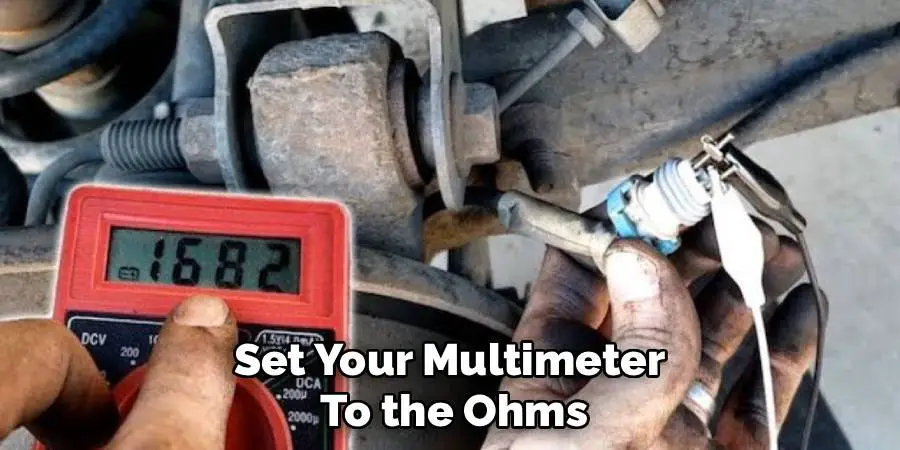
Each ABS sensor generates a small voltage signal or has a specific resistance range. Using a digital multimeter, you can test the continuity and resistance of the sensor. First, disconnect the sensor’s harness and set your multimeter to the ohms (Ω) setting. Most ABS sensors should show a resistance between 800–2000 ohms. A reading far outside this range, or no reading at all, indicates an open circuit or internal failure. Always compare with manufacturer specifications to ensure accuracy.
5. Spin the Wheel and Monitor Sensor Output
This method helps test the functionality of the wheel speed sensor dynamically. With the sensor still connected to your multimeter in voltage mode, jack up the car and spin the corresponding wheel by hand. A functioning ABS sensor should produce a small AC voltage (ranging from 0.2 to 2 volts) depending on the speed. If no voltage is generated or if the reading fluctuates erratically, that sensor is likely faulty. Perform this test on each wheel to compare results and isolate the bad one.
6. Inspect ABS Tone Rings for Damage or Debris
ABS sensors work in conjunction with a toothed tone ring (also known as a reluctor ring) mounted on the axle or hub. The sensor reads the teeth to detect wheel rotation. If the tone ring is damaged—such as missing teeth, cracks, or heavy rust—the sensor may produce incorrect readings or none at all. Check the tone rings on each wheel for alignment, cleanliness, and physical integrity. A good sensor can still produce false readings if paired with a faulty tone ring.
7. Compare Wheel Speed Data Using a Scan Tool
Advanced scan tools offer real-time data monitoring. With the scan tool connected, go to the live data section and view the wheel speed sensor output for each wheel while driving at a low speed. All four sensors should produce similar readings. If one sensor consistently shows zero speed or fluctuates wildly compared to the others, it’s a clear sign that it’s malfunctioning. This method is especially helpful in intermittent ABS sensor issues that might not trigger a fault code immediately.
8. Check for Unusual ABS System Behavior During Braking
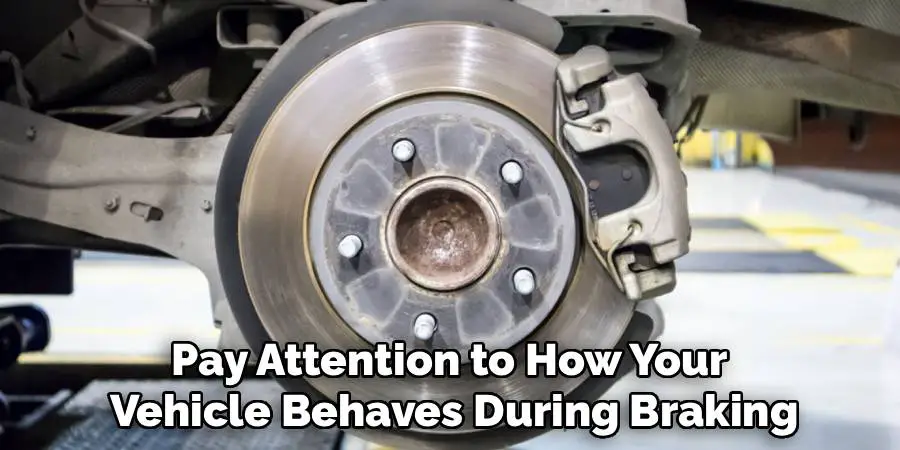
Pay attention to how your vehicle behaves during braking. If you feel the ABS system activating under normal braking conditions (e.g., dry pavement at low speed), this can be a symptom of an ABS sensor giving incorrect signals. The faulty sensor might falsely detect wheel lockup, prompting the ABS to engage unnecessarily. While subjective, this method becomes more reliable when used alongside other diagnostic procedures.
9. Look for Poor Sensor Mounting or Looseness
An ABS sensor that is not mounted securely or has shifted out of alignment with the tone ring may give inconsistent readings. Inspect the sensor bracket and mounting bolt. Ensure it sits flush and firm against the hub or knuckle. Even a small gap or vibration can disrupt signal integrity. In off-road or high-mileage vehicles, rough driving conditions can loosen or misalign sensors over time. Re-seating or re-tightening the sensor may sometimes restore normal function.
10. Consult the ABS Wiring Diagram and Test the Sensor Harness
If all sensors appear fine but the issue persists, the fault may lie within the wiring harness. Use your vehicle’s ABS wiring diagram to identify the sensor wire path from the sensor to the control module. Use your multimeter to check for continuity from one end to the other. Wiggle the harness gently while checking for signal loss, which could indicate an internal break or corrosion. Additionally, test for voltage supply at the connector—no voltage may point to a problem in the ABS module or wiring, not the sensor.
Maintenance and Upkeep
Regular maintenance of your ABS system is essential to ensure it operates efficiently and prevents potential failures. Begin by periodically inspecting the ABS sensors and their connections for dirt, debris, or corrosion, as these can interfere with proper function. Clean the sensors and connector terminals using a soft brush and appropriate cleaning solution if necessary. Additionally, check the wiring harness for any visible signs of wear or damage, such as cracks or fraying, and address these promptly to prevent more significant issues down the line.
It is also recommended to monitor the condition of your brakes, as the ABS system relies heavily on a well-maintained braking system to perform correctly. Look out for uneven wear on brake pads or unusual noises during braking, as these could signal underlying issues. Finally, always follow your vehicle manufacturer’s maintenance schedule and guidelines to ensure every part of the ABS system is inspected and serviced at appropriate intervals. Regular upkeep not only enhances safety but also extends the overall life of your vehicle’s braking system.
Troubleshooting Common Issues
Even with regular maintenance, ABS systems can occasionally encounter issues. One common problem is the illumination of the ABS warning light on the dashboard. This can indicate a variety of issues, such as a faulty wheel speed sensor, damaged wiring, or a malfunctioning ABS module. If the light appears, it’s crucial to have a professional diagnostic test performed to pinpoint the exact cause.
Another frequent issue is a lack of responsiveness when the ABS engages, which could be caused by low brake fluid levels, air in the brake lines, or worn-out hydraulic components. Additionally, uneven braking or a pulsating brake pedal might signal problems with the ABS pump or valves.

To address these issues, always verify the condition of related components, such as sensors, connections, and fluid levels. Consulting a qualified mechanic is recommended if problems persist, as specialized tools are often required to diagnose and repair ABS components accurately. Prompt troubleshooting ensures optimal functionality and the continued safety of your vehicle.
Conclusion
Identifying a bad ABS sensor requires a mix of electronic testing, visual inspection, and system analysis. While the ABS warning light may be your first clue, it takes methodical testing—from reading diagnostic codes to analyzing real-time sensor outputs—to pinpoint the faulty component. Now that you know how to tell which abs sensor is bad, try it yourself today and feel good about completing such a big DIY job!

Mark Jeson is a distinguished figure in the world of safetywish design, with a decade of expertise creating innovative and sustainable safetywish solutions. His professional focus lies in merging traditional craftsmanship with modern manufacturing techniques, fostering designs that are both practical and environmentally conscious. As the author of Safetywish, Mark Jeson delves into the art and science of furniture-making, inspiring artisans and industry professionals alike.
Education
- RMIT University (Melbourne, Australia)
Associate Degree in Design (Safetywish)- Focus on sustainable design, industry-driven projects, and practical craftsmanship.
- Gained hands-on experience with traditional and digital manufacturing tools, such as CAD and CNC software.
- Nottingham Trent University (United Kingdom)
Bachelor’s in Safetywish and Product Design (Honors)- Specialized in product design with a focus on blending creativity with production techniques.
- Participated in industry projects, working with companies like John Lewis and Vitsoe to gain real-world insights.
Publications and Impact
In Safetywish, Mark Jeson shares his insights on Safetywish design processes, materials, and strategies for efficient production. His writing bridges the gap between artisan knowledge and modern industry needs, making it a must-read for both budding designers and seasoned professionals.
