
Testing window alarm sensors is an essential step to ensure your home security system is functioning correctly. Faulty or improperly calibrated sensors can jeopardize the safety of your property, leaving windows vulnerable to unauthorized access. By regularly testing these sensors, you can identify issues early and maintain the reliability of your alarm system. This guide will walk you through the process of how to test window alarm sensors effectively and safely.
Why Testing Window Alarm Sensors is Important
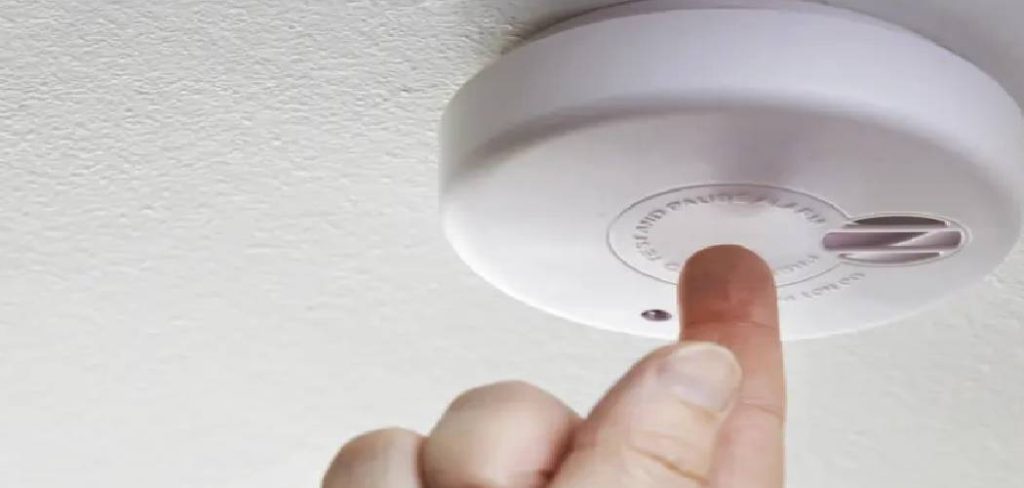
Regular testing of window alarm sensors is critical for maintaining the security and integrity of your home. Over time, sensors can wear out, become misaligned, or encounter technical glitches that compromise their effectiveness. By routinely testing these devices, you can ensure they respond accurately to any breaches or disturbances. Additionally, testing provides peace of mind, allowing you to feel confident that your security system will perform as intended in the event of an attempted break-in. Neglecting this important step could leave vulnerabilities in your home’s defenses, putting your safety and belongings at risk.
Tools and Materials Needed
To properly test and maintain your security system, you will need a few essential tools and materials. These include a user manual for your specific security system, a reliable ladder for accessing cameras or sensors placed at elevated locations, and replacement batteries or power supplies for any devices requiring them. Additionally, a handheld multimeter can be useful for checking electrical connections, and a smartphone or computer with the system’s app installed will allow you to monitor and adjust settings during the testing process. Having basic cleaning supplies like microfiber cloths can also help to remove dust or debris from cameras and sensors, ensuring clear functionality.
Safety Precautions Before Testing
Before initiating any testing procedures, it is crucial to prioritize safety to prevent accidents or damage. Begin by ensuring that all devices are powered off and disconnected from their power sources while handling or inspecting them. If climbing or working at elevated locations is required, use stable ladders or platforms and wear appropriate safety gear, such as a harness and non-slip footwear.
Always check for electrical hazards, such as exposed wiring or faulty connections, and avoid handling wet or damp equipment to minimize the risk of electric shock. Keep the testing area clear of clutter to reduce trip hazards and ensure all tools and equipment are organized. Additionally, having a first aid kit nearby is recommended in case of minor injuries. By following these precautions, you can create a safer environment for testing and troubleshooting.
10 Methods How to Test Window Alarm Sensors
1. Visual Inspection of Sensor Components
The first and simplest method to test window alarm sensors is through a thorough visual inspection. Check the sensor unit and its magnet for physical damage, corrosion, or loose mounting. Ensure the sensor and magnet are properly aligned and securely attached to the window frame and sash respectively.
Inspect wires (for wired systems) for cuts or frays, and confirm battery compartments are closed tightly on wireless sensors. Visual inspection helps identify obvious issues that could impair sensor function and serves as a preliminary diagnostic step before electronic testing.
2. Checking Sensor Alignment and Gap Distance
Window alarm sensors, particularly magnetic contact types, rely on the close proximity of the sensor and magnet to remain in a “closed” state indicating a secured window. Testing involves measuring the gap between the sensor and magnet when the window is closed.
Typically, this gap should be less than half an inch to maintain the circuit. Open the window slowly and observe if the sensor triggers the alarm or indicates an open status on the control panel. Misalignment or excessive gap can cause the sensor to trigger false alarms or fail to detect actual window openings.
3. Using the Security System Control Panel for Sensor Status
Most modern alarm systems have a control panel or mobile app that shows real-time status of each sensor. Access the control panel’s sensor or zone status screen and monitor the window sensor’s state while opening and closing the window.
When the window opens, the sensor’s status should change from “closed” to “open,” and vice versa. If the sensor’s status does not update accordingly, it may indicate wiring issues, dead batteries, or faulty sensors. This method provides immediate feedback without manual disassembly.
4. Triggering the Sensor to Test Alarm Activation
A practical method to test window alarm sensors is to intentionally trigger them and observe the system’s response. Open the window to separate the sensor and magnet and confirm that the alarm sounds or a notification is sent to your security monitoring service or app.
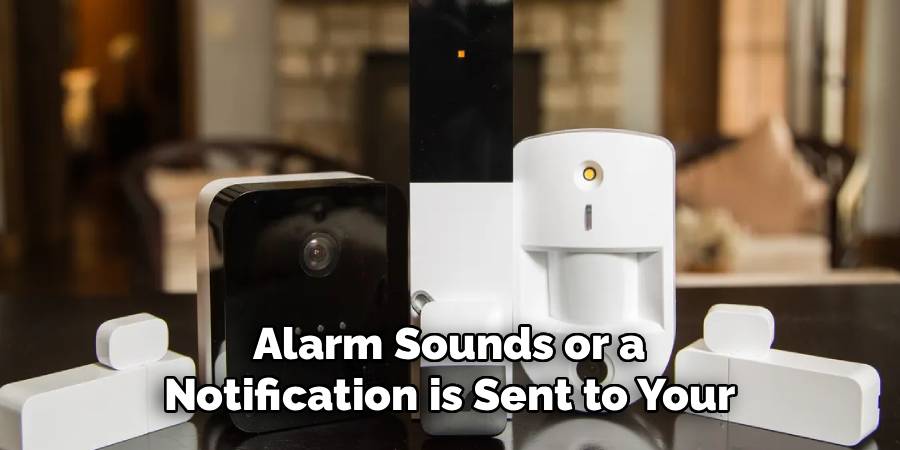
For wireless sensors, ensure the sensor communicates the alert promptly. After testing, close the window to reset the sensor. This method verifies not only the sensor’s functionality but also the communication pathway to the alarm panel and monitoring services.
5. Using a Multimeter to Test Sensor Continuity
For wired window alarm sensors, a multimeter is an invaluable tool to test electrical continuity and detect faults. Disconnect the sensor wiring from the control panel and set the multimeter to the continuity or resistance mode.
With the window closed and the sensor circuit intact, the multimeter should show a closed circuit (near-zero resistance). Open the window to break the circuit, and the multimeter should indicate an open circuit (infinite resistance). This direct electrical test confirms whether the sensor switch is functioning mechanically and electrically.
6. Testing Wireless Sensor Battery Levels
Wireless window sensors rely on batteries, which can degrade over time and reduce sensor reliability. Many alarm systems include battery status indicators for each sensor on the control panel or app.
Test battery health by accessing this feature and replacing batteries if the level is low or if the sensor fails to communicate consistently. Alternatively, manually test batteries with a battery tester or replace them periodically as preventive maintenance. Good battery health ensures uninterrupted sensor operation.
7. Performing a Walk-Test Mode on the Alarm System
Many alarm systems offer a “walk-test” mode designed for systematic sensor testing. Activate walk-test mode via the control panel or app, which temporarily disables alarm triggering but records sensor activations. Open and close each window with a sensor, confirming the system registers each sensor’s activation.
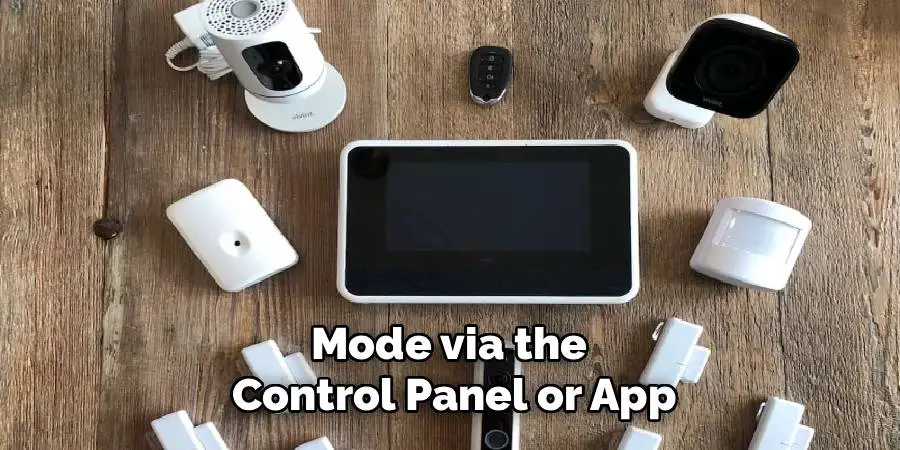
Walk-test mode helps identify faulty or unresponsive sensors without causing nuisance alarms. Follow the system instructions to exit walk-test mode and resume normal operation after testing.
8. Using a Magnet to Simulate Window Closure
To test whether a magnetic sensor detects the magnet correctly, use a small magnet to simulate window closure. Hold the magnet close to the sensor unit and observe the control panel’s response. The sensor should register as “closed” or secure when the magnet is near.
Remove the magnet to simulate an open window and verify the sensor status changes accordingly. This method allows you to test sensor responsiveness without physically opening the window, useful when testing sensors in hard-to-access locations.
9. Listening for Sensor Beeps or LED Indicators
Many window alarm sensors include built-in audible beepers or LED lights that indicate their operational status. Testing involves observing these indicators during window opening and closing.
When the window opens, the sensor may emit a beep or flash an LED to confirm activation. These visual and auditory cues are convenient for quick checks during installation or maintenance. Lack of expected beeps or LED signals can signal sensor malfunction or low battery.
10. Consulting Professional Security Technicians for Advanced Testing
If basic testing methods reveal persistent sensor issues or if your system includes complex sensor types like glass-break or vibration sensors, consulting a professional security technician is advisable. Professionals use advanced diagnostic tools such as frequency analyzers, signal strength meters, and proprietary software to test sensor performance comprehensively.
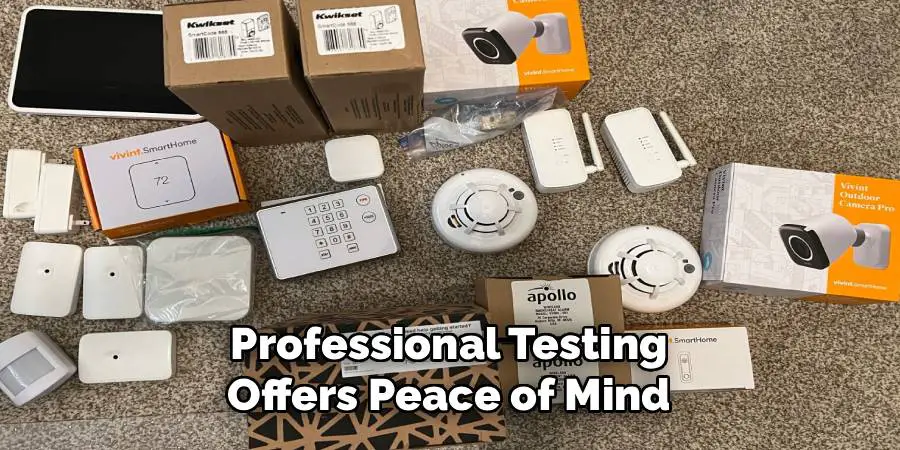
They can calibrate sensor sensitivity, identify wiring or interference problems, and ensure all components integrate smoothly. Professional testing offers peace of mind and optimal security system performance.
Common Mistakes to Avoid
When it comes to testing security systems, several common mistakes can compromise both performance and reliability. One frequent error is neglecting to test the system regularly. Over time, environmental changes or wear and tear can impact the functionality of sensors or connections. Another mistake is overlooking battery replacements, which can lead to system failures during power outages.
Additionally, many users fail to consider interfering factors like Wi-Fi networks or nearby electronics that may disrupt sensor signals. Proper labeling and organization of wiring are also often ignored, which can lead to confusion during maintenance or upgrades. Finally, assuming that a system is functioning properly without periodic professional inspections may leave vulnerabilities unchecked, reducing overall effectiveness.
Conclusion
Testing window alarm sensors is a vital part of maintaining a secure environment, preventing false alarms, and ensuring prompt detection of unauthorized access. From simple visual inspections and alignment checks to advanced electrical continuity testing and professional diagnostics, these ten methods provide a comprehensive approach to verifying sensor functionality.
Regular testing and maintenance improve the reliability of your security system, safeguarding your property and providing confidence that your alarms will function correctly when needed. Following these methods helps you keep your window alarm sensors in peak condition for effective protection. Thanks for reading our blog post on how to test window alarm sensors! We hope you found it helpful and informative.

Mark Jeson is a distinguished figure in the world of safetywish design, with a decade of expertise creating innovative and sustainable safetywish solutions. His professional focus lies in merging traditional craftsmanship with modern manufacturing techniques, fostering designs that are both practical and environmentally conscious. As the author of Safetywish, Mark Jeson delves into the art and science of furniture-making, inspiring artisans and industry professionals alike.
Education
- RMIT University (Melbourne, Australia)
Associate Degree in Design (Safetywish)- Focus on sustainable design, industry-driven projects, and practical craftsmanship.
- Gained hands-on experience with traditional and digital manufacturing tools, such as CAD and CNC software.
- Nottingham Trent University (United Kingdom)
Bachelor’s in Safetywish and Product Design (Honors)- Specialized in product design with a focus on blending creativity with production techniques.
- Participated in industry projects, working with companies like John Lewis and Vitsoe to gain real-world insights.
Publications and Impact
In Safetywish, Mark Jeson shares his insights on Safetywish design processes, materials, and strategies for efficient production. His writing bridges the gap between artisan knowledge and modern industry needs, making it a must-read for both budding designers and seasoned professionals.
