
The Owlet sensor is a helpful tool for monitoring your baby’s vitals, offering parents peace of mind with its innovative technology. However, there are times when you might need to turn it off—whether you’re cleaning the device, troubleshooting, or preparing it for storage. For those unfamiliar with the process, powering down the sensor can seem a bit confusing, especially if it’s your first time using the system.
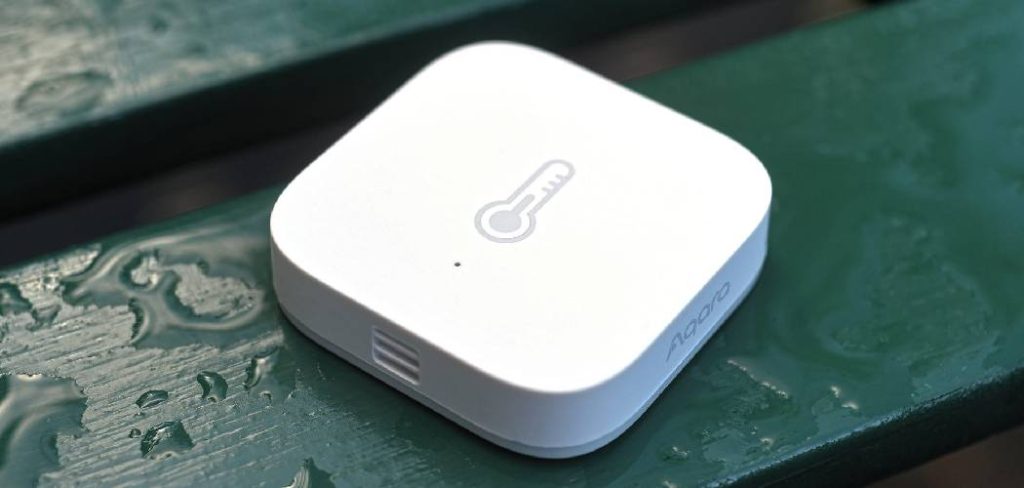
To turn off the Owlet sensor, start by locating the power button on the base of the device. Press and hold the button for a few seconds until the indicator light turns off, signaling that the sensor is no longer active. It’s important to ensure the device is completely powered down before cleaning or storing it to avoid any potential damage. If the sensor does not respond, check the user manual for troubleshooting tips or contact Owlet’s customer support for assistance.
This guide is designed to walk you through exactly how to turn off Owlet sensor, step by step. We’ll keep things simple and beginner-friendly, so you can confidently manage your device without stress. By the end, you’ll not only understand how to turn it off but also why this knowledge is essential for maintaining and using your Owlet product effectively.
Why Turning Off the Owlet Sensor Matters
Whether you’re using the Owlet to track your baby’s heart rate or oxygen levels, understanding how to safely turn off the sensor is an important step in maintaining the device. But why is this process relevant?
Firstly, turning off the sensor when it’s not in use helps to preserve its battery life, ensuring it lasts as long as possible between charges. Secondly, if the sensor malfunctions or you experience connectivity issues, resetting or powering it down can troubleshoot and resolve common problems. This also applies when updating its software or conducting a factory reset for new settings.
Additionally, knowing how to disable the sensor is crucial when you’re traveling or cleaning the device, as leaving it running unnecessarily can accumulate wear and tear. Whether you’re a first-time parent or you’ve been using Owlet for months, understanding this small but significant step empowers you to maximize the functionality of your baby tech in the easiest way possible.
10 Step-by-Step Guide on How to Turn Off Owlet Sensor
Step 1: Locate and Identify the Sensor
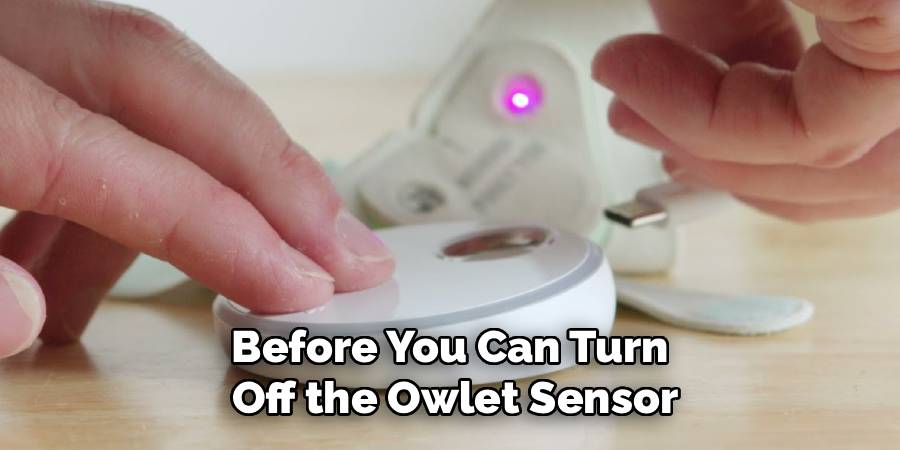
Before you can turn off the Owlet sensor, you’ll need to identify it within the Owlet system. The sensor is typically housed within the smart sock, which wraps around your baby’s foot to monitor vitals. Familiarize yourself with the device and ensure that the area where the sensor is being used is well-lit for easy handling.
Step 2: Remove the Smart Sock
Once the sensor is identified, gently remove the smart sock from your baby’s foot. This ensures that the device has no ongoing monitoring duties and prevents any discomfort for your child during the power-down process. Be gentle in your approach so as not to disturb your baby, especially if they’re sleeping.
Step 3: Place the Sensor on the Charging Base
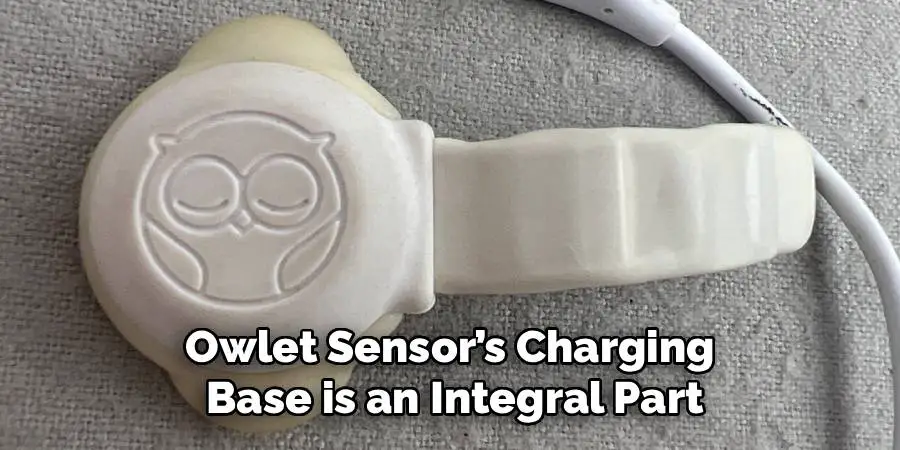
Locate the charging base that is paired with your Owlet sensor. Place the sensor onto the base, ensuring it is correctly aligned. Often, aligning the sensor involves matching the small charging pins with their counterparts on the base. This is an important step, as the charging base is central to powering down the sensor.
Step 4: Observe the Indicator Light
The charging base will display an indicator light that helps you monitor the sensor’s power status. Pay attention to the way the light behaves—whether it’s blinking, solid, or turned off completely. A blinking light typically signifies that the sensor is in use, while a solid light usually indicates that it’s charging and not actively monitoring.
Step 5: Initiate the Power-Down Process
To power down the sensor, interact with the charging base. Some models allow you to simply place the sensor on the charger to turn it off automatically, while others might feature a button or touch-sensitive panel. If your model has a button, press and hold it for several seconds until the indicator light confirms that the device is off.
Step 6: Verify That the Owlet Sensor Is Off
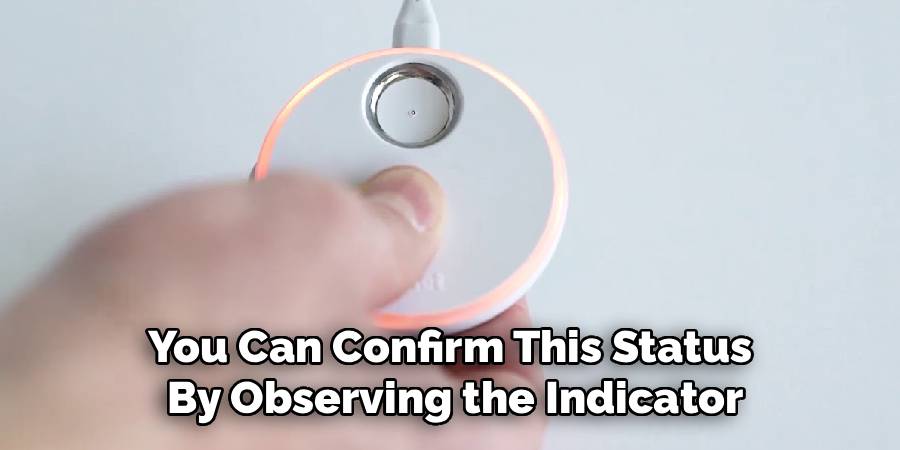
Once you’ve followed the steps above, double-check that the Owlet sensor is no longer active. You can confirm this status by observing the indicator light (it should not be blinking) or by using the Owlet mobile app to confirm disconnection. This ensures peace of mind that the sensor isn’t needlessly running.
Step 7: Perform a Clean Disconnect
If you’re powering off the device along with the charging base, ensure a clean disconnect by unplugging the base itself from its power source. This is especially useful if you’re storing the device or preparing it to be moved from one location to another.
Step 8: Troubleshoot if the Sensor Won’t Turn Off
If the above steps don’t work, try troubleshooting the device. Start by removing the sensor from the charging base, waiting for a few moments, and retrying the process. You can also consult the product manual or the Owlet support page for further assistance if the issue persists.
Step 9: Store the Sensor Safely
After turning off the Owlet sensor, store it safely to protect it from dust, damage, and moisture. A clean, dry storage area will ensure the longevity and functionality of the device. Keep the sensor and its associated components together for easy access the next time you need them.
Step 10: Practice Regular Maintenance
Make it a habit to regularly clean the Owlet sensor and check its battery life, so it’s always ready to use when needed. Routine maintenance not only extends the life of the device but also reinforces good habits when handling your baby’s monitoring equipment.
Troubleshooting Common Issues
Even with proper care and maintenance, you may encounter some common issues while using the Owlet sensor. Here are a few troubleshooting tips to help resolve them:
Device Not Connecting to the App
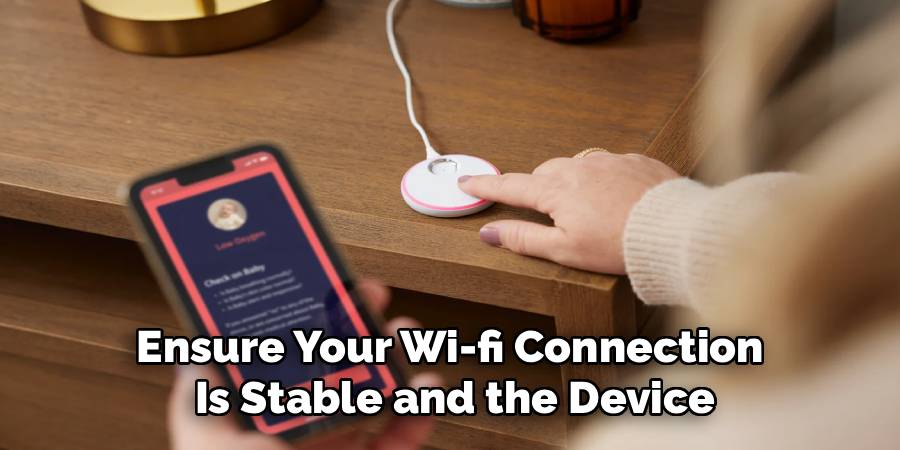
Ensure your Wi-Fi connection is stable and the device is within range. Restart the Owlet sensor and close/reopen the app. Update the app to its latest version or reinstall it if necessary.
Low or No Battery
Check that the sensor is fully charged before use.If the battery drains too quickly, ensure you’re using the original charger or replace the battery if needed.
Sensor Not Detecting Properly
Ensure the sensor is securely placed and correctly aligned according to the instructions. Clean the sensor gently and ensure no debris is blocking its functionality.
False Alerts
Verify that the device is properly fitted and not loose, as this can lead to incorrect readings. Adjust the positioning on your baby’s foot to improve accuracy.
If these steps don’t resolve the issue, consult the troubleshooting section in the user manual or contact Owlet customer support for further assistance.
Frequently Asked Questions Section
How do I know if my Owlet sensor is off?
To confirm that your Owlet sensor is off, check the indicator light on its charging base. A lack of blinking or solid light typically signifies that the device has powered down. Additionally, you can verify its status through the Owlet mobile app, where the sensor’s connection will no longer appear as active.
Does turning off the Owlet sensor affect its settings?
No, powering down the Owlet sensor does not impact its saved settings or data history. Once turned back on, the device will retain all its configured settings and recent activity unless a factory reset has been performed.
What should I do if the sensor doesn’t turn off?
If your Owlet sensor doesn’t power down, remove it from the charging base and place it back after a few minutes. Ensure the charging pins are properly aligned, and try pressing any available buttons to initiate shutdown. If the issue persists, consult the manual or contact Owlet’s customer support.
Can I turn off the sensor without the charging base?
No, the Owlet sensor’s charging base is an integral part of the process to turn off the device. Powering down typically requires placing the sensor on the base or interacting with it. Without the base, the sensor remains active until its battery depletes.
Why do I need to turn off the Owlet sensor after use?
Turning off the Owlet sensor has several benefits, including conserving battery life, reducing wear over time, and ensuring it’s fully reset and ready for the next use. It’s also crucial for storage or if you’re troubleshooting any device-related issues.
Conclusion
Learning how to turn off Owlet sensor is a straightforward but essential skill for parents who rely on this innovative baby-monitoring tool. By following simple steps like removing the smart sock, using the charging base, and observing the indicator lights, you ensure the device is safely powered down and ready for its next use.
Proper maintenance of your Owlet sensor not only extends its lifespan but also ensures it continues to operate accurately. Regularly cleaning the sock and sensor, checking for any signs of wear, and following the manufacturer’s guidelines for use are important steps to maximize the device’s performance and reliability.
Now that you know how to manage your Owlet sensor efficiently, you can confidently maintain and operate this device, ensuring your baby’s safety while simplifying your life. Take a moment to power down your Owlet sensor today and feel empowered in taking control of your baby tech!

Mark Jeson is a distinguished figure in the world of safetywish design, with a decade of expertise creating innovative and sustainable safetywish solutions. His professional focus lies in merging traditional craftsmanship with modern manufacturing techniques, fostering designs that are both practical and environmentally conscious. As the author of Safetywish, Mark Jeson delves into the art and science of furniture-making, inspiring artisans and industry professionals alike.
Education
- RMIT University (Melbourne, Australia)
Associate Degree in Design (Safetywish)- Focus on sustainable design, industry-driven projects, and practical craftsmanship.
- Gained hands-on experience with traditional and digital manufacturing tools, such as CAD and CNC software.
- Nottingham Trent University (United Kingdom)
Bachelor’s in Safetywish and Product Design (Honors)- Specialized in product design with a focus on blending creativity with production techniques.
- Participated in industry projects, working with companies like John Lewis and Vitsoe to gain real-world insights.
Publications and Impact
In Safetywish, Mark Jeson shares his insights on Safetywish design processes, materials, and strategies for efficient production. His writing bridges the gap between artisan knowledge and modern industry needs, making it a must-read for both budding designers and seasoned professionals.
