
The Manifold Absolute Pressure (MAP) sensor is a critical component in modern engine management systems, as it provides essential data about air pressure within the intake manifold. This information allows the engine control unit (ECU) to calculate air density and adjust the fuel injection quantity accordingly. However, in certain situations, such as diagnostics or specific modifications, you might need to bypass the MAP sensor temporarily. This guide will provide an overview of how to bypass a map sensor, its potential risks, and considerations to ensure that it is done safely and effectively.
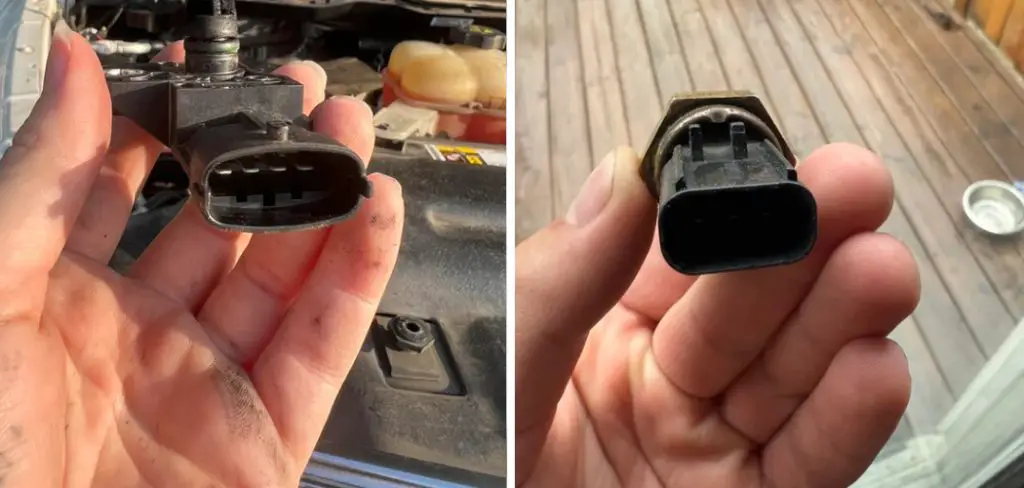
What a MAP (Manifold Absolute Pressure) Sensor Does in a Vehicle
The MAP sensor plays a critical role in the vehicle’s engine management system. Its primary function is to measure the pressure inside the intake manifold, which is a key indicator of engine load. By detecting changes in air pressure, the MAP sensor provides the engine control unit (ECU) with real-time data necessary to determine the optimal air-fuel mixture. This ensures efficient engine performance, improved fuel economy, and reduced emissions. Additionally, the MAP sensor is essential for detecting issues like vacuum leaks or other performance irregularities, making it an indispensable component in maintaining the smooth operation of the engine.
Why Bypass a MAP Sensor
Bypassing a MAP (Manifold Absolute Pressure) sensor is generally not recommended, except in specific situations where it may be necessary for troubleshooting or custom vehicle modifications. Some common reasons for bypassing a MAP sensor include diagnosing sensor-related issues, testing the impact of an alternative air intake setup, or when upgrading to a performance ECU that uses a different method for determining engine load. However, it’s important to note that bypassing the MAP sensor can lead to suboptimal engine performance, incorrect air-fuel ratios, and increased emissions. For this reason, any decision to bypass the sensor should be approached with caution and preferably under the guidance of an experienced mechanic or automotive professional.
Tools and Materials Needed
When working with or bypassing a MAP sensor, it is essential to have the right tools and materials to ensure a safe and effective process. Below is a list of commonly required items:
- Digital Multimeter: For testing electrical connections and ensuring proper voltage and signal readings.
- Screwdrivers and Wrenches: To remove and reinstall components as needed.
- Vacuum Gauge or Pump: To simulate or test vacuum pressure if necessary.
- Wiring Kit: For any rewiring tasks, including connectors, crimping tools, and heat shrink tubing.
- ECU Tuning Software and Cables (if applicable): To adjust engine settings when bypassing or modifying the MAP sensor configuration.
- Replacement Parts (if replacing the sensor): Such as a new MAP sensor or any associated gaskets.
- Shop Manual or Technical Guide: Vehicle-specific documentation to reference correct procedures and specifications.
- Safety Gear (e.g., gloves, safety glasses): To ensure personal protection during the process.
Having these tools and materials prepared will streamline the task and minimize delays while working on the vehicle.
10 Methods How to Bypass a Map Sensor
1. Understanding the Purpose and Risks Before Bypassing
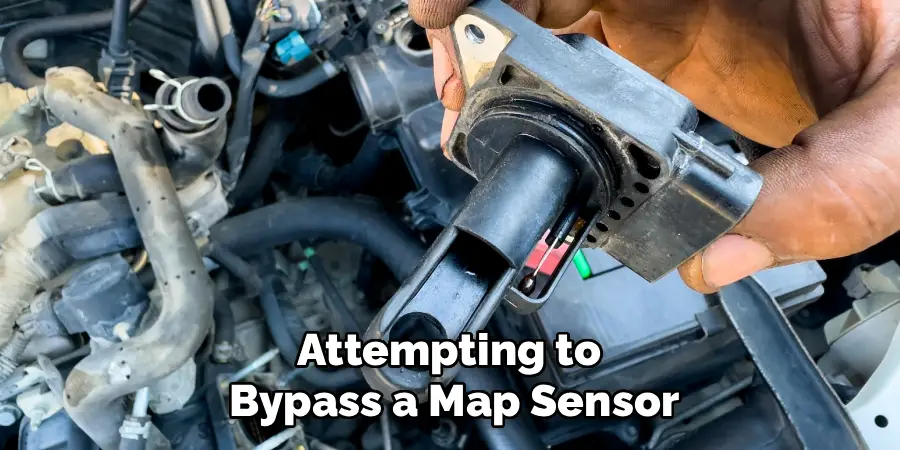
Before attempting to bypass a MAP sensor, it is essential to understand its purpose and the potential consequences. The MAP sensor monitors manifold pressure and relays data that directly influences fuel injection and ignition timing. Bypassing it can cause the engine to run improperly, increase emissions, and potentially damage engine components if left unchecked. Therefore, bypassing should only be done temporarily for diagnostic tests, troubleshooting, or specific performance tuning under controlled conditions.
2. Locating the MAP Sensor and Its Wiring Harness
Begin by locating the MAP sensor in your vehicle, which is usually mounted on or near the intake manifold. Consult your vehicle’s service manual for exact positioning. The sensor is connected to the ECU via a wiring harness that typically includes three wires: a reference voltage supply, a ground, and the signal wire that transmits pressure data. Identifying these wires correctly is vital to executing a safe bypass.
3. Using a Jumper Wire to Simulate a Fixed Voltage Signal
One common method to bypass a MAP sensor is to simulate its output signal using a jumper wire that supplies a fixed voltage to the ECU signal input. This approach “fools” the ECU into thinking the sensor is providing a constant pressure reading. After disconnecting the sensor, identify the signal wire in the harness and connect it to a stable voltage source, typically the reference voltage wire or an external voltage regulator set to the expected sensor output voltage. This method should be executed carefully with a multimeter to avoid damaging the ECU.
4. Applying a Variable Resistor (Potentiometer) for Adjustable Signal Simulation
For more precise control, you can insert a variable resistor (potentiometer) into the signal wire circuit. This allows manual adjustment of the voltage sent to the ECU, simulating different manifold pressures. By turning the potentiometer, you can mimic a range of sensor outputs to test how the ECU responds to changing pressure inputs. This method is especially useful in tuning or diagnosing MAP sensor-related issues without removing the sensor completely.
5. Creating a MAP Sensor Simulator Circuit
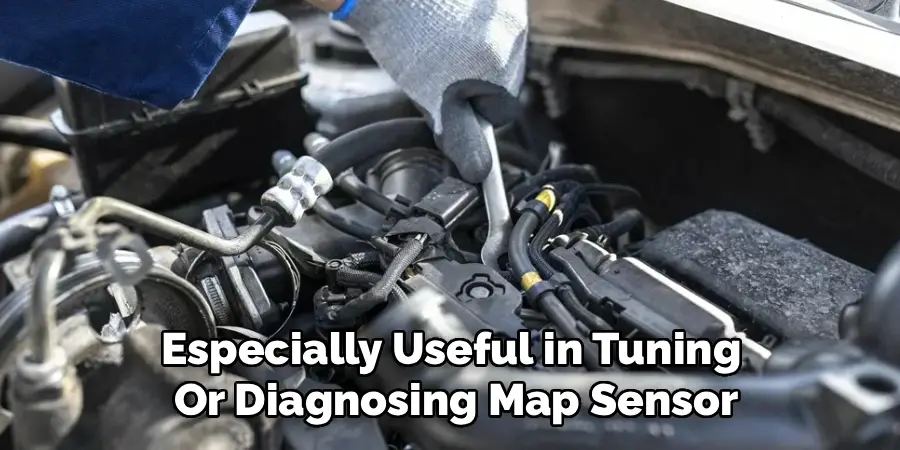
For advanced users, building or purchasing a MAP sensor simulator circuit is an effective way to bypass the sensor. These devices mimic the exact output signal characteristics of the genuine MAP sensor and can be programmed to output variable voltages based on input controls. Installing a simulator involves connecting it in place of the sensor, ensuring correct wiring and calibration. This method provides more accuracy and reliability than fixed voltage or simple resistor bypasses and is favored for long-term testing.
6. Disconnecting the MAP Sensor and Using a Default ECU Mode
Some vehicle ECUs default to a “limp” or safe mode when a MAP sensor is disconnected, relying on preset fuel maps instead of sensor data. Temporarily disconnecting the sensor can effectively bypass it by forcing the ECU to operate in this backup mode. This method does not require additional wiring but may cause the engine to run inefficiently or trigger error codes. It is a quick way to test whether the sensor is faulty by observing engine behavior with the sensor removed.
7. Using Diagnostic Scan Tools to Override Sensor Input
Modern vehicles equipped with OBD-II systems allow technicians to override or simulate sensor inputs using advanced diagnostic scan tools. Some professional-level scanners or tuning software can inject simulated sensor data directly into the ECU, bypassing the physical MAP sensor signal. This software-based bypass provides precise control and can assist with diagnostics, troubleshooting, and custom tuning without physical hardware modifications.
8. Temporarily Jumping Sensor Signal to Ground for Test
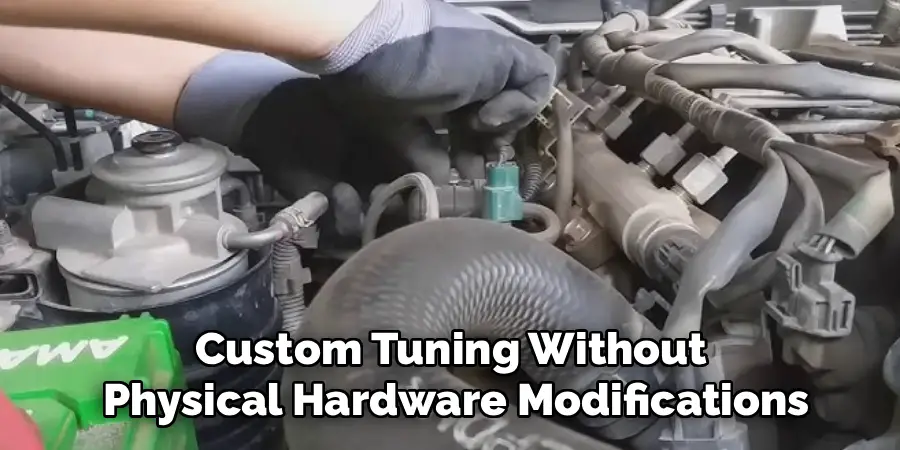
Another simple test bypass involves grounding the sensor’s signal wire to see how the ECU responds. By connecting the signal wire to ground, you simulate a very low pressure or vacuum condition. This can be used to diagnose sensor wiring problems or confirm if the sensor output affects engine behavior. However, grounding the signal wire should be done briefly and carefully, as it may cause error codes or engine stalling if prolonged.
9. Replacing the MAP Sensor with a Fixed-Output Resistor
Instead of a full bypass, sometimes a fixed-value resistor is installed in place of the sensor to produce a constant, pre-calculated voltage corresponding to a specific manifold pressure. This is useful in diagnostic environments or for testing how the ECU behaves under a known fixed pressure. Selecting the correct resistor value requires consulting sensor voltage-pressure charts and using precision resistors for accurate simulation.
10. Ensuring Safety and Resetting ECU After Bypass
After completing any MAP sensor bypass, it is important to clear any stored diagnostic trouble codes (DTCs) in the ECU using a scan tool and to reset the ECU where possible. This step ensures the ECU recognizes the sensor’s temporary bypass and can recalibrate its parameters accordingly. Always monitor engine performance and emissions during and after bypass to avoid unintended damage or excessive pollution. Return the sensor to normal operation promptly to restore optimal vehicle function.
Maintenance and Upkeep
Regular maintenance is essential to ensure the longevity and proper functionality of the MAP sensor and related systems. Periodically inspect the sensor for any signs of wear, contamination, or loose connections. Keeping the sensor clean prevents debris buildup, which can interfere with accurate pressure measurements. Additionally, check the vacuum hose connected to the MAP sensor for cracks or leaks, as these can impact engine performance. If the sensor shows persistent issues even after maintenance, consider replacing it with a high-quality OEM or compatible aftermarket part. Adhering to the manufacturer’s recommended service intervals and promptly addressing any sensor-related issues can help maintain engine efficiency and reduce the risk of costly repairs.

Conclusion
Bypassing a MAP sensor is a technical task that requires a clear understanding of engine management systems, careful handling of electrical components, and adherence to safety precautions. The methods above range from simple sensor disconnection to sophisticated simulation circuits and software overrides. These techniques can aid in diagnosing sensor faults, tuning engine performance, or troubleshooting system malfunctions. However, because the MAP sensor is vital for engine efficiency, emissions control, and overall performance, any bypass should be temporary and executed with the goal of returning the system to full, proper function as soon as possible. Thanks for reading our blog post on how to bypass a map sensor! We hope you found it helpful and informative.

Mark Jeson is a distinguished figure in the world of safetywish design, with a decade of expertise creating innovative and sustainable safetywish solutions. His professional focus lies in merging traditional craftsmanship with modern manufacturing techniques, fostering designs that are both practical and environmentally conscious. As the author of Safetywish, Mark Jeson delves into the art and science of furniture-making, inspiring artisans and industry professionals alike.
Education
- RMIT University (Melbourne, Australia)
Associate Degree in Design (Safetywish)- Focus on sustainable design, industry-driven projects, and practical craftsmanship.
- Gained hands-on experience with traditional and digital manufacturing tools, such as CAD and CNC software.
- Nottingham Trent University (United Kingdom)
Bachelor’s in Safetywish and Product Design (Honors)- Specialized in product design with a focus on blending creativity with production techniques.
- Participated in industry projects, working with companies like John Lewis and Vitsoe to gain real-world insights.
Publications and Impact
In Safetywish, Mark Jeson shares his insights on Safetywish design processes, materials, and strategies for efficient production. His writing bridges the gap between artisan knowledge and modern industry needs, making it a must-read for both budding designers and seasoned professionals.
