
A reflective safety jacket is a vital piece of personal protective equipment, but its life-saving visibility is only as good as its condition. These jackets are frequently exposed to dirt, grease, and grime, which can coat the fluorescent fabric and dull the reflective strips. Tossing it in the wash with your regular laundry might seem like an easy fix, but improper cleaning can cause irreversible damage, compromising your safety. Learning the correct cleaning method is essential for anyone who relies on this gear.

This guide will provide you with a clear, step-by-step process for proper safety gear maintenance. We’ll show you exactly how to clean a reflective safety jacket to preserve its brightness, extend its lifespan, and ensure it continues to meet safety standards.
Why Proper Cleaning Is Important
Properly cleaning your high-visibility clothing is not just about appearance; it’s a critical safety measure. The effectiveness of a safety jacket comes from two key components: the fluorescent color for daytime visibility and the retroreflective strips for nighttime visibility. When a jacket is covered in dirt or grime, its bright color is obscured, making you harder to see in daylight. More importantly, dirt can inhibit the reflective strips’ ability to bounce light back to its source, drastically reducing your visibility to drivers in low-light conditions.
Furthermore, using the wrong cleaning methods—like harsh detergents, bleach, or high-heat drying—can permanently damage the delicate materials. Chemicals can break down the microscopic glass beads or prisms in the reflective tape, while high heat can melt or warp them. This not only ruins the jacket but also means it may no longer comply with safety standards like ANSI/ISEA 107. Regular, correct cleaning ensures the jacket functions as intended, protecting you on the job while also preserving your investment.
Step-by-Step Guide: How to Clean a Reflective Safety Jacket
Step 1: Read the Manufacturer’s Care Label
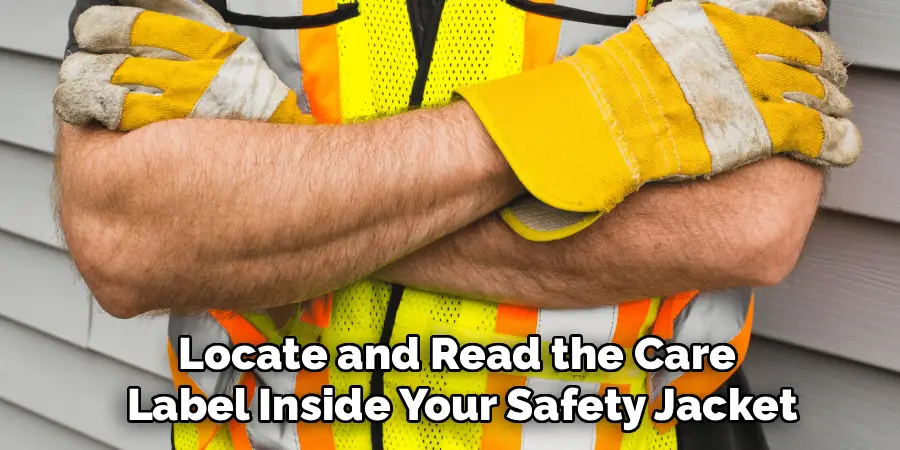
Before you do anything else, locate and read the care label inside your safety jacket. This label is your most important source of information, providing specific instructions from the manufacturer who designed and tested the materials. It will tell you the recommended water temperature, whether machine washing is permitted, and what cleaning agents to avoid. Ignoring these guidelines can lead to faded colors, damaged reflective strips, and a voided warranty. Every jacket is different, so taking a moment to check the label is the first and most critical step in proper safety gear maintenance.
Step 2: Pre-Treat Stains Gently
Safety jackets often pick up tough stains like grease and oil. To tackle these, you should pre-treat the spots before the main wash. Apply a small amount of a mild, pH-neutral detergent directly to the stained area. Gently work it into the fabric with a soft-bristled brush or a cloth. Let the detergent sit for about 10-15 minutes, but do not let it dry. It is crucial to avoid using harsh stain removers, bleach, or solvents, as these aggressive chemicals can strip the color and break down the adhesive on the reflective tape.
Step 3: Hand-Wash for the Best Results
Hand-washing is the gentlest and safest method for cleaning high-visibility clothing. Fill a basin or tub with cool or lukewarm water and add a small amount of a gentle detergent. Submerge the jacket and let it soak for about 20-30 minutes. Use your hands or a soft sponge to gently agitate the water and clean the fabric. Pay special attention to heavily soiled areas, but avoid vigorous scrubbing, especially over the reflective strips. This careful approach helps protect the delicate materials from the abrasive action of a washing machine.
Step 4: Machine Wash on a Gentle Cycle if Permitted
If the care label indicates that your jacket is machine washable, you must still take precautions. Turn the jacket inside out to protect the reflective strips from abrasion. Place it in a mesh laundry bag for an extra layer of protection. Use the delicate or gentle cycle on your washing machine with cold water. It is also wise to wash the jacket by itself or with other similar soft fabrics. Washing it with rough items like jeans with zippers or clothing with Velcro can easily scratch, snag, or peel the reflective tape.

Step 5: Use a Mild Detergent Without Additives
The choice of detergent is critical. You must use a gentle detergent that does not contain fabric softeners, bleach, or optical brighteners. Fabric softeners leave a waxy residue that can coat the reflective materials, reducing their effectiveness. Bleach will destroy the fluorescent pigments and damage the fabric.
Many standard detergents also contain “optical brighteners” that make clothes appear whiter, but these agents can interfere with the jacket’s color and its ability to reflect light properly. Look for a simple, mild liquid detergent to be safe.
Step 6: Rinse Thoroughly to Remove All Soap
Whether you are hand-washing or machine washing, ensuring all the soap is rinsed out is a vital step. Detergent residue left on the fabric can create a film that dulls both the fluorescent color and the reflective strips. If hand-washing, drain the soapy water and refill the basin with clean, cool water to rinse the jacket.
You may need to do this a couple of times. If using a washing machine, consider running an extra rinse cycle to be certain all the detergent is gone. This is a simple but important part of how to clean a reflective safety jacket.
Step 7: Always Air Dry Your Jacket
Never put a reflective safety jacket in an automatic dryer. The high heat can melt, shrink, or warp the plastic-based reflective tape, permanently destroying its retroreflective properties. Instead, always use the air drying method. After the final rinse, gently squeeze out any excess water, but do not wring or twist the jacket, as this can damage the reflective tape. Hang the jacket on a sturdy plastic or wooden hanger and place it in a well-ventilated area away from direct sunlight. The UV rays in sunlight can fade the fluorescent colors over time.

Common Jacket Materials
Jackets are made from a variety of materials, each offering unique benefits depending on the intended use. Synthetic fabrics like polyester and nylon are widely used for their durability, water resistance, and lightweight properties, making them ideal for outdoor and athletic wear. Cotton, while less common in heavy-duty jackets, is valued for its breathability and comfort, though it lacks water-resistant properties. Wool is another popular choice for colder climates, known for its excellent insulation and ability to regulate body temperature.
Leather remains a classic option for those seeking style and durability, often chosen for fashion or motorcycling gear. Blends of materials, such as Gore-Tex or other advanced fabrics, are increasingly prevalent in modern jackets, offering enhanced functionalities like waterproofing, breathability, and wind resistance to meet the demands of various environments and activities.
Frequently Asked Questions (FAQ)
Can I Use Bleach or Fabric Softener on My Safety Jacket?
No, you should never use bleach or fabric softener.
- Bleach is a harsh chemical that will break down the fluorescent dyes in the fabric, causing the bright colors to fade. It can also degrade the reflective material and weaken the fabric itself.
- Fabric softener leaves behind a waxy residue that coats the reflective strips and the fabric, which can reduce their visibility and effectiveness.
How Often Should I Clean My Reflective Safety Jacket?
You should clean your jacket whenever it is visibly dirty, as dirt and grime can significantly reduce its visibility. However, you should also avoid over-washing it, as every wash cycle causes some minor wear. Spot-cleaning small stains with a damp cloth and mild soap between full washes is a good practice to extend the time between cleanings and preserve the life of the garment.
Is It Okay to Iron a Reflective Safety Jacket?
No, you should never iron a reflective safety jacket. The reflective strips are typically made from a plastic material with glass beads or microprisms. The high heat from an iron will melt or warp this material, permanently destroying its reflective capabilities. The heat can also damage the synthetic fabric of the jacket itself. Always let the jacket air dry on a hanger to remove wrinkles naturally.
Why Is My Jacket No Longer Reflective After I Washed It?
If your jacket lost its reflectivity after washing, it was likely due to one of several reasons: the use of harsh chemicals like bleach, washing with a detergent containing fabric softener, or drying it in a machine with high heat. Unfortunately, once the reflective material is damaged in this way, it cannot be restored. At this point, the jacket is no longer safe for use in low-light conditions and must be replaced.
What Is the Best Way to Store My Jacket After Cleaning?
Once your jacket is completely clean and air-dried, you should store it properly. The best method is to hang it on a sturdy hanger in a cool, dark, and dry place like a closet or locker. This prevents creasing and protects it from UV light, which can fade the colors. Avoid storing it in direct sunlight or in a compressed state where the reflective tape could be damaged.

Conclusion
A reflective safety jacket is a frontline defense against workplace accidents, but it can only protect you if it is in good condition. Proper cleaning is not just about maintaining a professional appearance; it is an essential part of safety gear maintenance that ensures the jacket’s high-visibility and reflective properties are not compromised. By following a few simple rules—using gentle detergents, avoiding heat, and air drying—you can keep your gear effective for much longer.
Remember to treat your safety jacket with care, as it is a tool designed to keep you safe. Now that you know how to clean a reflective safety jacket, you can confidently maintain your gear, extend its lifespan, and ensure you remain seen and safe on the job.

Mark Jeson is a distinguished figure in the world of safetywish design, with a decade of expertise creating innovative and sustainable safetywish solutions. His professional focus lies in merging traditional craftsmanship with modern manufacturing techniques, fostering designs that are both practical and environmentally conscious. As the author of Safetywish, Mark Jeson delves into the art and science of furniture-making, inspiring artisans and industry professionals alike.
Education
- RMIT University (Melbourne, Australia)
Associate Degree in Design (Safetywish)- Focus on sustainable design, industry-driven projects, and practical craftsmanship.
- Gained hands-on experience with traditional and digital manufacturing tools, such as CAD and CNC software.
- Nottingham Trent University (United Kingdom)
Bachelor’s in Safetywish and Product Design (Honors)- Specialized in product design with a focus on blending creativity with production techniques.
- Participated in industry projects, working with companies like John Lewis and Vitsoe to gain real-world insights.
Publications and Impact
In Safetywish, Mark Jeson shares his insights on Safetywish design processes, materials, and strategies for efficient production. His writing bridges the gap between artisan knowledge and modern industry needs, making it a must-read for both budding designers and seasoned professionals.
