
Sliding doors are a popular choice in homes and commercial spaces thanks to their space-saving design, modern look, and effortless operation. However, over time, even the best sliding door systems can develop issues—often stemming from the top track. A misaligned, dirty, or damaged top track can cause dragging, sticking, noisy operation, or a door that simply won’t budge. Left unchecked, these issues can escalate, leading to further damage to the track or rollers, compromising your door’s security, and affecting your daily convenience.
Knowing how to fix sliding door top track problems is essential for maintaining both functionality and safety. Prompt attention not only extends the lifespan of the door and its hardware but also prevents minor annoyances from developing into expensive repairs. Tackling top track issues is not as daunting as it may seem, especially when armed with the right information, tools, and a systematic approach.
In this comprehensive guide, we’ll walk you through every step—diagnosing the problem, preparing your workspace, fixing minor and major issues, and offering professional maintenance tips. Whether you’re a homeowner, property manager, or DIY enthusiast, this article will empower you with clear, actionable advice for restoring your sliding door’s smooth, reliable movement.
Tools and Materials You’ll Need
Essential Tools
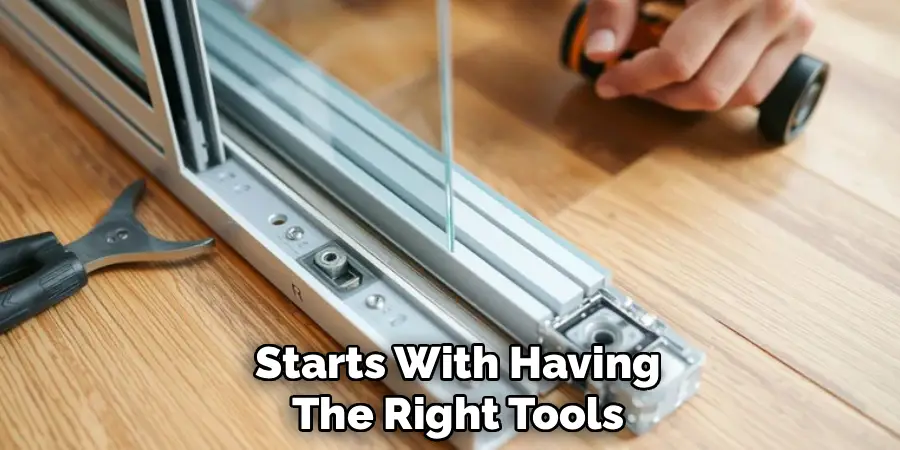
Any project on a sliding door’s top track starts with having the right tools at hand. A quality screwdriver is indispensable; most sliding door hardware relies on Phillips or flathead screws. Pliers come in handy for gripping and pulling components that may be stuck or require gentle persuasion.
A bubble level or laser level is vital to check the track and door alignment, ensuring everything operates as it should. Don’t forget lubricant—a silicon spray or dry lube works well for the track and rollers, keeping things sliding smoothly without attracting dust.
Optional Tools for Advanced Repairs
For more stubborn issues or significant repairs, additional tools may be necessary. Replacement rollers are key if your current set is worn, cracked, or broken. A small pry bar can be useful for removing the door or straightening bent portions of the track without damaging the frame.
Depending on your door design, a power drill with appropriate bits, spare fasteners, and rust-resistant treatments may also help ensure a thorough, lasting repair. Preparing these tools ahead of time ensures you won’t be interrupted mid-repair.
Assessing the Problem with Your Sliding Door
Identifying Common Issues
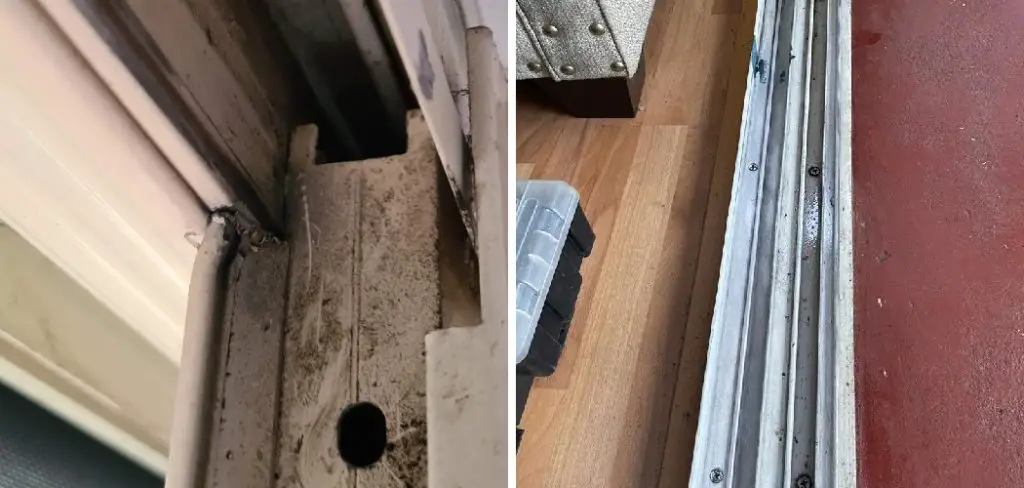
Before you begin repairs, spend a few moments diagnosing the underlying issue with the sliding door’s top track. Common signs of trouble include a door that sticks, scrapes, jumps the track, or feels unusually heavy. Often, these problems are due to debris buildup along the track, rollers that aren’t turning freely, or simple misalignment. If your door squeaks or rattles, it could be an indicator of dry, misadjusted, or damaged parts.
Pay close attention to how the door moves and sounds when operated. Do you see visible gaps at the top or bottom, or notice resistance at specific points? Determining whether the issue lies with the top track, the rollers, or other elements will inform your approach on how to fix sliding door top track issues and help prevent unnecessary disassembly.
Inspecting the Top Track
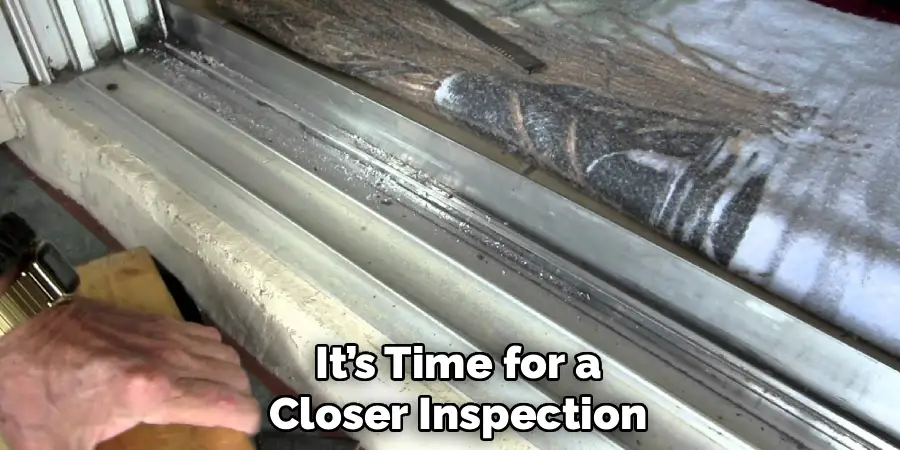
Once you have a sense of the problem, it’s time for a closer inspection. Open the door partially so you can reach both ends of the track. Shine a flashlight along its entire length. Look for dust, pet hair, spider webs, or other debris that may impede movement. Feel along the track for bends, dents, or warping—any irregularities can hinder the rollers or cause the door to derail. Using a bubble or laser level, check if the track itself is properly aligned with the frame; even a slight tilt can throw the whole system off.
If the track is attached with visible screws or bolts, also examine these for signs of loosening, rust, or missing fasteners. If you spot minor issues at this stage, you’re already closer to solving the problem.
Preparing the Door for Repair
Clearing the Workspace
Safety and efficiency start with a tidy working area. Before tackling any repairs, clear the space around the sliding door. Move furniture, rugs, and other obstacles out of the way. This not only protects your possessions but also gives you enough room to maneuver large components safely. Place drop cloths or old towels beneath the workspace to catch screws or parts and make cleanup easier.
Securing the Door Panel
Depending on the specific repair, you may need to stabilize or temporarily remove the door for full access to the top track. For lighter doors, you can use wedges or door stops to keep the panel from sliding or tipping unexpectedly. For heavier sliding glass or patio doors, enlist a helper.
If the door must come off, open it far enough that you can lift the panel from the bottom track while tilting it toward you. Set the door on a padded surface to avoid scratches or glass breakage. Careful handling at this stage is essential for both safety and an efficient repair process.
Cleaning the Top Track
Removing Dirt and Debris
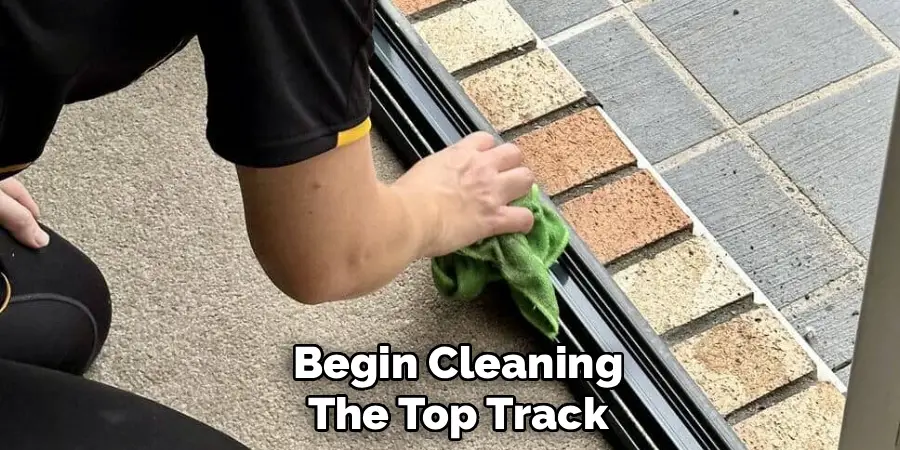
With the door stabilized or removed, begin cleaning the top track. Use a handheld vacuum to suck away loose debris, focusing especially on the ends and corners where dirt collects. A narrow brush or old toothbrush works well for scrubbing out dust and grime. For tougher buildup, dampen a soft cloth with warm water and gently wipe along the track’s inside surfaces. Avoid using excessive water, which can cause rust or swelling in wooden frames. Allow the track to dry completely before moving on.
Proper cleaning can instantly improve door operation. Sometimes, simply removing this accumulation brings the rollers back to life, eliminating resistance and noise—an easy win for how to fix sliding door top track issues.
Addressing Rust or Corrosion
If you spot rust or signs of corrosion, act quickly. Light rust can be eliminated by scrubbing with fine steel wool or a sanding block. Wipe the area clean and dry when done. Apply a rust-resistant spray or primer, especially if you live in a humid environment or the door is frequently exposed to outdoor conditions.
Severe corrosion may require replacing the affected segment or, in some cases, the entire track. Keep in mind that rust left unchecked will only worsen and compromise the door’s long-term performance.
How to Fix Sliding Door Top Track: Realigning the Sliding Door
Checking the Door’s Position
Misalignment is a common culprit behind sticky or difficult sliding doors. Start by placing a bubble or laser level along the top track and the bottom track if visible. The track should be perfectly level, and the gap between the top of the door and the frame should be even along the entire length. If the track is on a slight slope, gravity will work against you, causing the door to drift or jam.
Examine how the door sits in the track when closed. Are there wider gaps at certain points? Do the rollers seem off-kilter? Careful observation here will guide your realignment approach.
Adjusting the Rollers
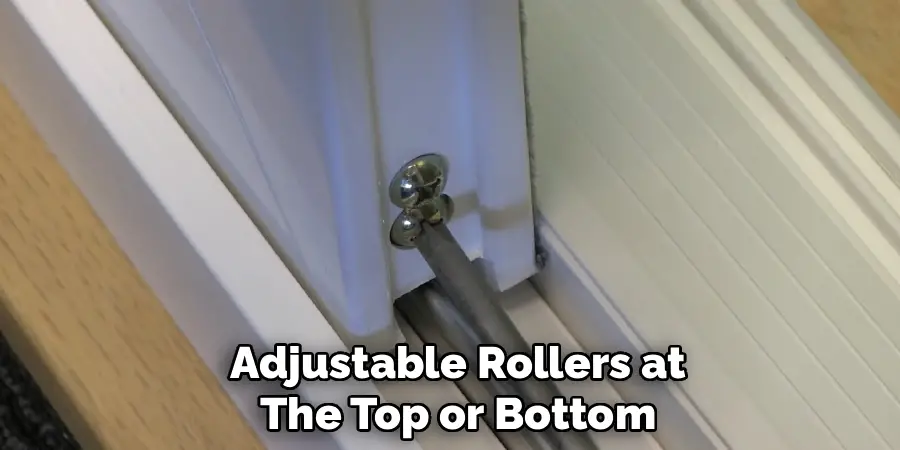
Most modern sliding doors come equipped with adjustable rollers at the top or bottom. Look for small holes or access points along the edge of the door—these often hide the adjustment screws. Insert a screwdriver or hex key, turning the screw clockwise to raise the door or counterclockwise to lower it. Adjust both sides bit by bit, checking alignment each time with your level.
If you notice the door “hopping” or resisting movement at certain points, a slight tweak in the roller height can remedy the issue. Always adjust gradually—over-adjustment can cause further misalignment or put extra stress on door hardware.
Testing the Door Movement
With roller and track adjustments complete, test the sliding door’s action. Glide it open and shut several times, watching and feeling for smooth, unhindered motion. If you encounter sticking, revisit your adjustments or inspect for underlying issues you may have missed.
Opening and closing the door from both sides will confirm if your adjustments worked. When the door moves freely, locks easily, and feels steady, you’ll know your repair was a success.
Repairing or Replacing Damaged Components
Fixing Minor Damage to the Track
Occasionally, the top track may have bends, kinks, or loose mounting screws causing operational problems. Minor bends can be carefully straightened using a padded block and mallet, or by gently prying with a small bar. Tighten any loose screws or bolts that anchor the track in place—use thread-locking adhesive for hardware that loosens repeatedly.
If the track remains noisy or bumpy, examine for hidden dents or worn finish inside the channel, which may impede rollers. Sand these areas smooth and clean thoroughly before continuing.
Installing New Rollers
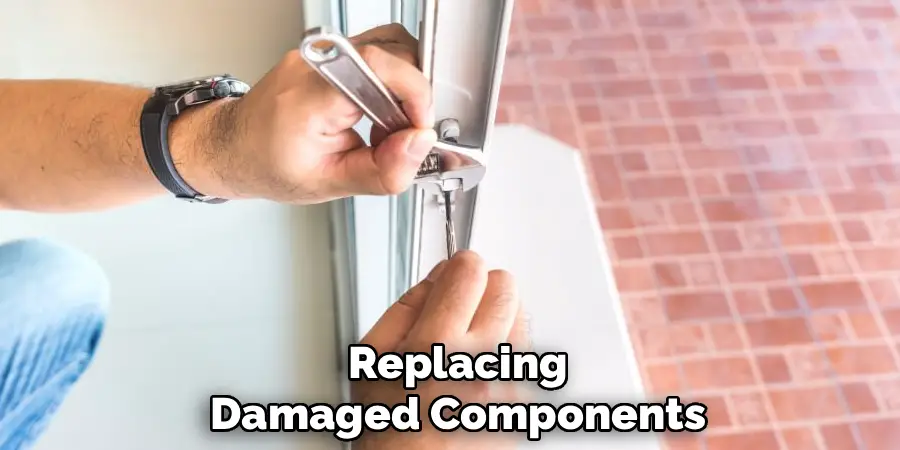
If realignment and cleaning haven’t solved your issues, the rollers themselves might need replacing. To do this, first remove the door panel (if not already done). Locate and unscrew the roller assembly at the top or bottom of the door, noting how it fits for reassembly. Take your old roller assembly with you when buying replacements; exact matches matter for smooth operation.
Install the new rollers using the included screws, making sure the assembly is secure and spins freely. Slide the door panel back into place, check for even alignment, and make necessary roller height adjustments for a seamless fit.
Applying Lubricant and Ensuring Compatibility
With new or freshly cleaned components, proper lubrication can dramatically improve performance. Use a silicone-based spray or dry lubricant formulated for door hardware. Apply a light, even coat to the rollers and the full length of the top track; then slide the door back and forth several times to distribute it. Avoid grease or oil-based lubricants, which attract dirt and gum up over time.
If you’re using new rollers or a replacement track, ensure all components are compatible. Rollers and tracks come in different profiles and sizes; mismatched parts can lead to recurring issues or premature wear.
Troubleshooting Persistent Issues
Dealing with Stuck or Unresponsive Doors
If your sliding door continues to stick or refuses to move despite cleaning and adjustments, it’s time for more targeted troubleshooting. Check once more for undetected debris deep inside the track or inspect the roller mechanism for hidden damage. Try lifting the door gently to see if anything is jamming the wheels. A little extra lubrication or a new adjustment could resolve stubborn sticking.
For stubborn problems, look for hidden safety features or locking pins—some doors have anti-lift or anti-jump mechanisms that can inhibit smooth travel if accidentally engaged.
Addressing Structural Problems
Sometimes, deeper issues are at play, such as a warped frame or a sagging header above the door. Check for gaps or flexing in the frame when the door moves. If the building has settled or the door was installed improperly, more extensive repair may be needed. Addressing frame warping or sagging is best left to professionals, but you can often provide temporary relief by realigning the track or using compatible door shims.
If these steps fail and your door remains unresponsive, you may be facing a failing hardware system or a major alignment flaw that needs expert assessment.
Preventative Maintenance Tips
Keeping the Track Clean
Regular upkeep is your best defense against sliding door trouble. Make it a habit to clean the top track every few months, using a vacuum or brush to remove loose dust and debris. Wipe the track with a slightly damp cloth to keep buildup at bay. Seasonal checks help you catch early signs of rust, wear, or obstruction before they morph into bigger problems.
Inspecting and Adjusting Rollers Periodically
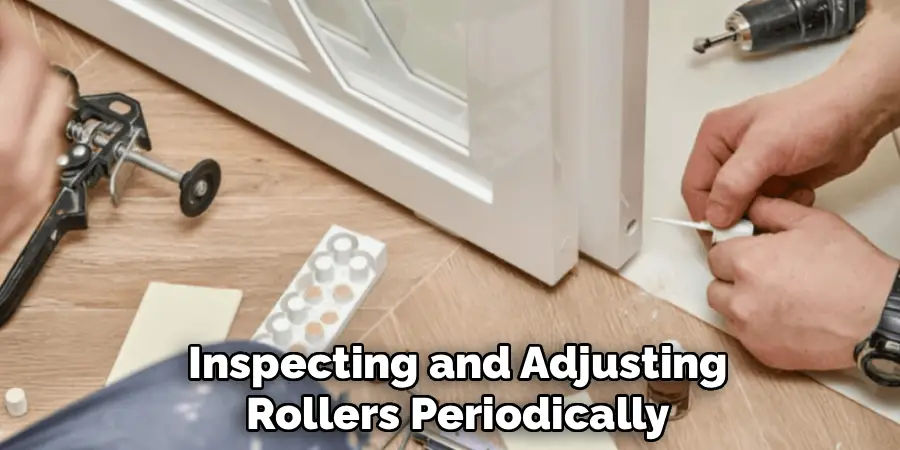
Bustling households and high-traffic areas can knock rollers out of alignment over time. Inspect the rollers and adjustment screws twice a year. Readjust as needed for the door to glide quietly and with minimal resistance. If your door starts to drag or squeak between inspections, a quick checkup and lubrication may fix it without requiring more involved repairs.
When to Seek Professional Help
Recognizing Complex Issues
While many repairs are DIY-friendly, some situations call for a professional’s expertise. If you encounter significant warping of the frame, deeply rusted or bent tracks, or structural issues affecting the wall or header, don’t attempt an involved repair on your own. High-end or custom sliding doors—especially those with electronic locks or glass panels—may require special tools or knowledge. In these cases, seeking a qualified technician is the best way to avoid costly mistakes.
Choosing the Right Expert
When hiring a repair professional, look for licensed contractors or specialists with experience in your specific type of sliding door. Ask for recommendations, check reviews, and verify credentials. A reputable expert can diagnose the problem quickly, handle repairs safely, and offer advice on preventing future issues. Choose someone who is transparent about costs and the expected timeline to ensure a smooth and satisfactory experience.
Wrapping It Up
Learning how to fix sliding door top track issues gives you confidence and control over the long-term performance of your door system. By systematically diagnosing problems—such as misalignment, debris buildup, or worn hardware—and following the step-by-step repair and maintenance strategies outlined above, you’ll help your sliding doors function smoothly, quietly, and securely.
Regular cleaning, cautious adjustments, and prompt attention to emerging problems keep your doors and their tracks working their best. Minor fixes today can prevent major headaches tomorrow, saving you time, money, and frustration. And while many common sliding door top track problems are within the reach of a diligent homeowner or property manager, don’t hesitate to contact a professional when repairs extend beyond your comfort zone or expertise.
Armed with these practical tips for how to fix sliding door top track—combined with a commitment to regular care—you can ensure your sliding doors remain a reliable, attractive part of your space for years to come.

Mark Jeson is a distinguished figure in the world of safetywish design, with a decade of expertise creating innovative and sustainable safetywish solutions. His professional focus lies in merging traditional craftsmanship with modern manufacturing techniques, fostering designs that are both practical and environmentally conscious. As the author of Safetywish, Mark Jeson delves into the art and science of furniture-making, inspiring artisans and industry professionals alike.
Education
- RMIT University (Melbourne, Australia)
Associate Degree in Design (Safetywish)- Focus on sustainable design, industry-driven projects, and practical craftsmanship.
- Gained hands-on experience with traditional and digital manufacturing tools, such as CAD and CNC software.
- Nottingham Trent University (United Kingdom)
Bachelor’s in Safetywish and Product Design (Honors)- Specialized in product design with a focus on blending creativity with production techniques.
- Participated in industry projects, working with companies like John Lewis and Vitsoe to gain real-world insights.
Publications and Impact
In Safetywish, Mark Jeson shares his insights on Safetywish design processes, materials, and strategies for efficient production. His writing bridges the gap between artisan knowledge and modern industry needs, making it a must-read for both budding designers and seasoned professionals.
