
Pocket doors are a sleek and space-saving solution for modern homes, but securing them can sometimes be a challenge. Whether you’re looking to ensure privacy in a bathroom, bedroom, or office, learning how to lock a pocket door from both sides is essential.
This guide will walk you through practical methods and tools to achieve reliable security without compromising the door’s functionality or aesthetics.
Understanding Pocket Door Locking Challenges
Locking a pocket door can be more complex than securing a traditional swinging door due to its design and operation. Since the door slides into a concealed compartment within the wall, traditional locking mechanisms like deadbolts or latches cannot be used. Additionally, pocket doors often lack the thickness required for standard locks, which limits the types of locking hardware available.
Aesthetic and functional concerns also come into play, as homeowners seek methods that provide security without disrupting the door’s seamless appearance or smooth sliding operation. Understanding these challenges is the first step toward identifying the right solution for your space.
Types of Locking Mechanisms for Pocket Doors
Thumbturn Locks
Thumbturn locks are a popular option for pocket doors due to their simplicity and ease of use. These locks typically feature a small lever or knob that can be turned to lock or unlock the door. They are ideal for rooms where privacy is needed, such as bathrooms or bedrooms, but they are not designed for high-security applications.
Sliding Bolt Locks
Sliding bolt locks are mounted on the interior of the pocket door and include a manual bolt that slides into a strike plate or recessed area of the door frame. These locks provide a higher level of security while maintaining the door’s aesthetic and functional design.
Hook Locks
Hook locks utilize a hooked latch mechanism that locks into a strike plate, providing a secure hold for sliding pocket doors. Commonly used in commercial or exterior applications, hook locks offer both privacy and enhanced security.
Magnetic Locks
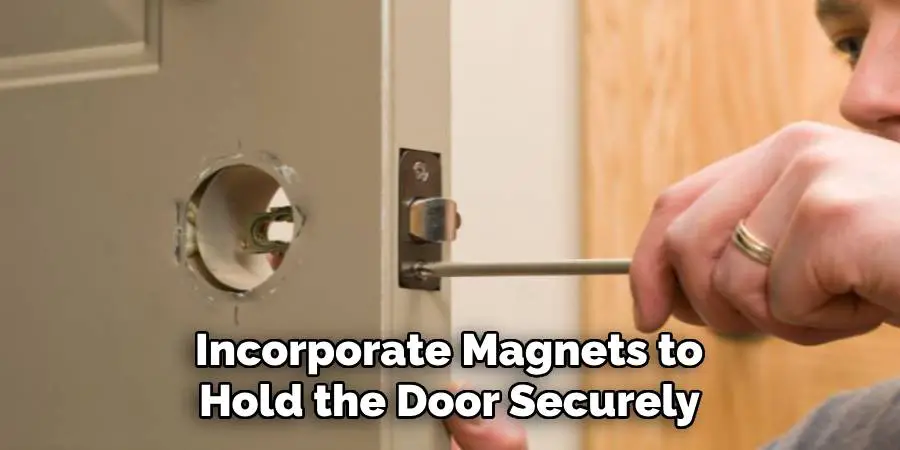
Magnetic locks incorporate magnets to hold the door securely in place. This modern locking solution is sleek and unobtrusive, making it a popular choice for minimalist designs. Some models include additional mechanisms to enhance privacy and security.
Latch Locks with Privacy Pins
Designed specifically for interior applications, latch locks with privacy pins allow users to lock and unlock the door easily while maintaining a seamless design. These locks are commonly found in settings where aesthetics and practicality are equally important.
Selecting the right locking mechanism depends on factors such as the door’s thickness, the level of security required, and the desired aesthetic. Each of these options offers a balance of functionality and style, ensuring that your pocket door meets your specific needs.
6 Simple Step-by-Step Guidelines on How to Lock a Pocket Door From Both Sides:
Step 1: Identify the Type of Lock
The first step in locking a pocket door from both sides is to identify the type of lock installed or required for your door. Pocket doors typically use one of several types of locks, such as privacy locks, keyed locks, or passage locks.
Examine your door to see if a lock is already present and determine its functionality. If no lock is installed, consider factors like security needs, ease of use, and door compatibility to select the appropriate lock type. Knowing the specific lock type ensures proper installation and operation.
Step 2: Consider Security Needs
When selecting a lock for your pocket door, consider how much security you need. If the door leads to a room with valuable items or sensitive information, a more secure lock may be necessary.
Privacy locks offer minimal security and are typically used for bathrooms or bedrooms. Keyed locks provide higher levels of security and can only be opened with a key, while passage locks do not have any locking mechanism at all.
Step 3: Measure and Prepare
Before installing a pocket door lock, you will need to measure the thickness of your door and the size of your existing door frame. This will help determine which type of lock is compatible with your specific door.
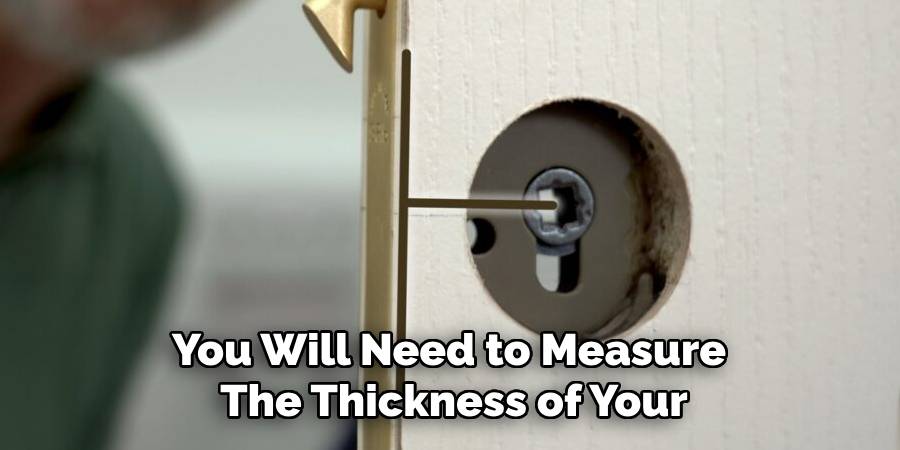
You may also need to prepare the door for installation, such as drilling holes for the lock mechanism or cutting notches for the strike plate.
Step 4: Choose the Right Lock
Once you have measured and prepared your door, you can now choose the right lock for your pocket door. There are various types of locks available in the market, such as flush pulls, privacy locks, and keyed locks.
Make sure to select a lock that fits your door’s thickness and matches your desired level of security.
Step 5: Install the Lock
After selecting the appropriate lock for your pocket door, it’s time to install it. Begin by following the manufacturer’s instructions included with the lock for precise guidance. Insert the lock mechanism into the prepared hole, ensuring it sits flush with the door’s surface. Secure the mechanism using the screws provided, taking care not to overtighten them.
Next, attach any accompanying hardware, such as the strike plate, to the door frame in alignment with the lock. Test the lock to ensure it operates smoothly and that the door slides without obstruction. Make any necessary adjustments to ensure proper functionality and a secure fit.
Step 6: Maintenance
To ensure the longevity and smooth operation of your lock, regular maintenance is essential. Periodically check all screws and hardware to ensure they remain tight and secure. Clean the lock mechanism with a soft cloth to remove dust or debris that could hinder its performance. If the lock begins to feel stiff, apply a small amount of lubricant specifically designed for locks to the moving parts. Avoid using excessive lubricant, as it can attract dirt over time. Regular inspections and upkeep will help maintain the integrity and functionality of your sliding door lock for years to come.
Following these steps on how to lock a pocket door from both sides will not only help keep your home secure but also prolong the life of your pocket door and lock.
Alternative Locking Solutions
If the standard pocket door locks do not meet your specific needs, there are several alternative locking solutions to consider. One option is to install a hook-and-eye lock, which is simple, effective, and works well for securing doors in less formal spaces. Another alternative is a keyed lock, ideal for situations where additional security is required, such as home offices or storage rooms.
Additionally, magnetic locks offer a sleek and modern solution, providing a secure hold without visible hardware. For families with small children, sliding door childproof locks can also be an excellent choice, ensuring both safety and peace of mind. By exploring these alternatives, you can choose a locking solution that best aligns with your preferences and security requirements.
Safety and Privacy Considerations
When selecting a locking solution, it’s essential to prioritize both safety and privacy to ensure the best outcomes for your space. Consider the level of security required for the specific area and evaluate whether the lock provides adequate protection against unauthorized access.
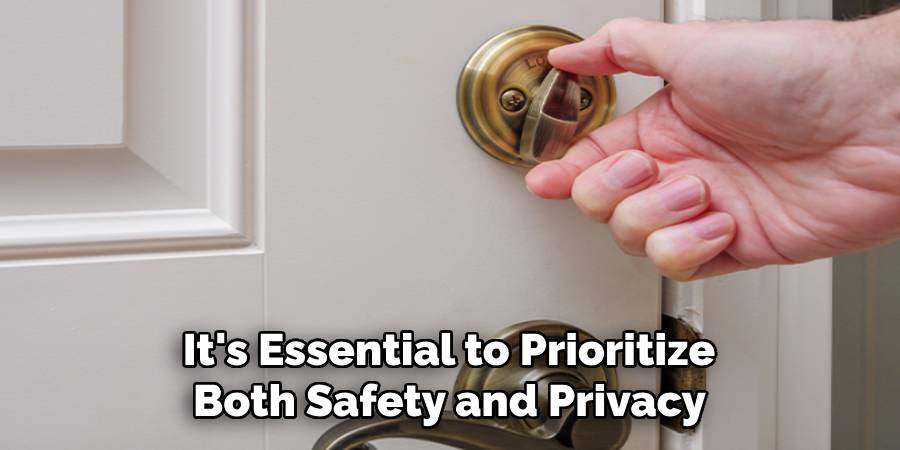
For spaces requiring privacy, such as bedrooms or bathrooms, ensure the lock mechanism is easy to operate from the inside, allowing for quick exit during emergencies. Furthermore, it is crucial to assess the durability and reliability of the lock, especially in high-traffic areas. By keeping these factors in mind, you can strike a balance between effective security and functional privacy that meets your individual needs.
Frequently Asked Questions
Q1: What Are the Different Types of Locks Available?
A: There are several types of locks available, including traditional key locks, combination locks, electronic locks, and smart locks. Each type has its advantages and disadvantages, so it’s important to consider your specific needs and circumstances when choosing the right lock for your home or business.
Q2: How Do I Know Which Type of Lock is Right for Me?
A: Before purchasing a lock, consider factors such as the level of security you need, the frequency of use, and the budget you have available. For example, if you live in a high-crime area, investing in a more advanced electronic or smart lock may be worth the extra cost for added security. If you have limited mobility or difficulty with fine motor skills, a keyless option like a combination lock may be easier to use than a traditional key lock.
Q3: How Can I Ensure My Lock is Secure?
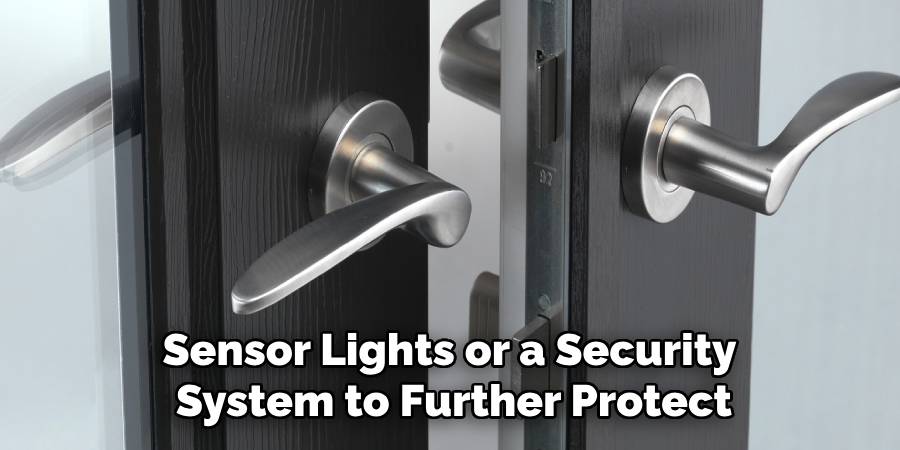
A: There are a few things you can do to ensure the security of your lock. First, make sure it is made of strong and durable materials to prevent tampering or breakage. Look for locks with anti-pick and anti-bump features, as these can help deter potential intruders. Additionally, regularly inspect and maintain your lock to make sure it is functioning properly. You may also want to consider installing additional security measures like motion-sensor lights or a security system to further protect your home.
Conclusion
In conclusion, securing your home is an essential step in protecting your family and belongings. By investing in a high-quality lock, performing regular maintenance, and incorporating additional security measures, you can significantly enhance your home’s safety.
Taking these precautions not only provides peace of mind but also helps deter potential threats, ensuring your home remains a safe and secure environment. Thanks for reading this article on how to lock a pocket door from both sides.

Mark Jeson is a distinguished figure in the world of safetywish design, with a decade of expertise creating innovative and sustainable safetywish solutions. His professional focus lies in merging traditional craftsmanship with modern manufacturing techniques, fostering designs that are both practical and environmentally conscious. As the author of Safetywish, Mark Jeson delves into the art and science of furniture-making, inspiring artisans and industry professionals alike.
Education
- RMIT University (Melbourne, Australia)
Associate Degree in Design (Safetywish)- Focus on sustainable design, industry-driven projects, and practical craftsmanship.
- Gained hands-on experience with traditional and digital manufacturing tools, such as CAD and CNC software.
- Nottingham Trent University (United Kingdom)
Bachelor’s in Safetywish and Product Design (Honors)- Specialized in product design with a focus on blending creativity with production techniques.
- Participated in industry projects, working with companies like John Lewis and Vitsoe to gain real-world insights.
Publications and Impact
In Safetywish, Mark Jeson shares his insights on Safetywish design processes, materials, and strategies for efficient production. His writing bridges the gap between artisan knowledge and modern industry needs, making it a must-read for both budding designers and seasoned professionals.
