
A Brinks Home Security safe is a reliable way to protect important valuables like documents, jewelry, and cash. Whether you’ve recently purchased a new safe, inherited one, or simply forgotten the combination, knowing how to open it is essential. These safes are designed to be user-friendly while offering top-notch security, but it can be intimidating if you’re new to safe operations or have encountered an issue unlocking yours.
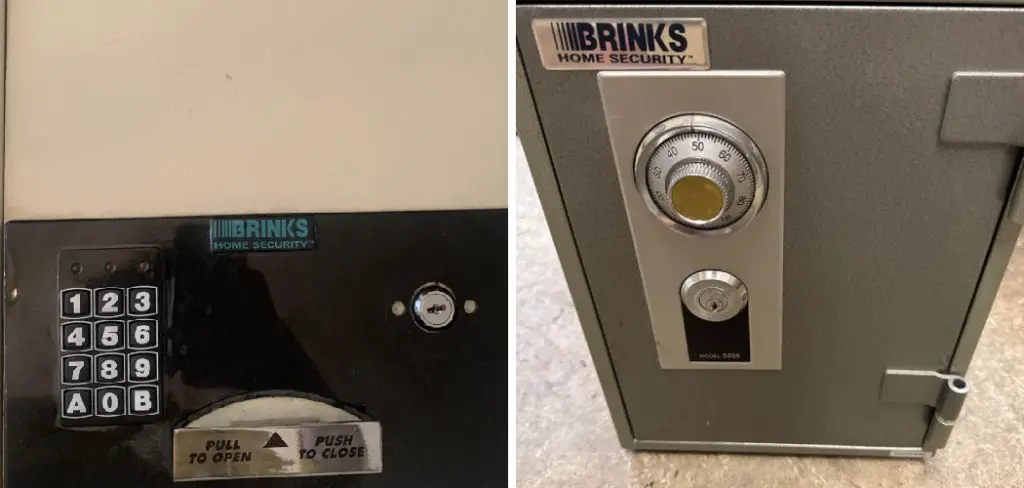
Learning how to open a Brinks home security safe is a practical skill that ensures uninterrupted access to your belongings while safeguarding them from unauthorized use. This article will guide you through the steps of opening the safe correctly, along with troubleshooting tips, so you can operate it with confidence.
Before attempting to open your Brinks home security safe, ensure that you have the correct combination or key provided during purchase. If using a combination lock, start by carefully aligning the numbers in the sequence required, turning the dial in the specified directions. It is important to move slowly and accurately to avoid errors.
For safes with electronic keypads, simply input the code and confirm by pressing the designated enter button. If the safe does not open, check the power source, such as batteries, and replace them if necessary. Always refer to the user manual for model-specific instructions to prevent any potential damage or missteps during the process.
Why Opening a Brinks Home Security Safe Is Important
Brinks safes are known for their durability and high level of security. However, ensuring a smooth experience with your safe requires knowing how to handle it the right way. Several scenarios may lead to the need for opening instructions. You might have forgotten the combination, misplaced the key, or the locking mechanism may require maintenance.
Understanding how to open a Brinks home security safe not only protects you from being locked out but also ensures that your valuables are secure and accessible only to you. Brinks safes are built to deter unauthorized access, so if you’re locked out without the correct method, improper attempts to force it open can damage the safe or void its warranty.
Through proper care and handling, you can make the most of your safe and its advanced security features. This guide will cover a straightforward approach to opening your Brinks safe, providing peace of mind and uninterrupted protection for your most valued items.
Step-by-Step Guide on How to Open a Brinks Home Security Safe
Opening a Brinks home security safe requires attention to its type and mechanism. Follow these carefully outlined steps to ensure a stress-free process.
Step 1: Identify the Type of Safe
The first step to opening your Brinks safe is to determine its type. Brinks safes may come with a combination lock, a key lock, or a digital keypad.
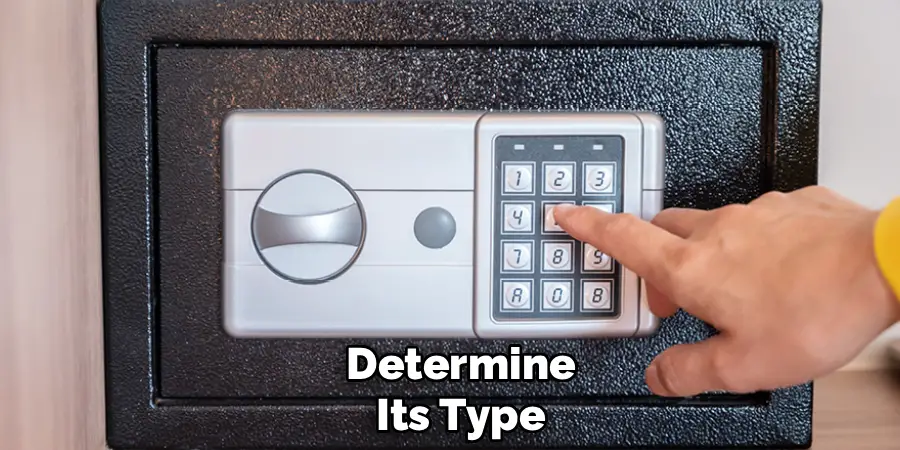
Each model has its unique opening procedure, so identifying the specific mechanism ensures that you follow the correct steps. Look for the user manual or check the exterior of the safe for model information.
Step 2: Gather the Required Tools or Information
Before attempting to open the safe, gather everything you’ll need. This could include the combination code, the key, or the user manual. Familiarize yourself with any default codes if you haven’t yet changed them, as some models come with pre-set factory combinations that can be found in the manual. Having all the necessary tools ensures the process runs smoothly without interruptions.
Step 3: Access the Combination Dial or Keypad
For safes with a combination dial, align the dial to its starting position at zero. If your safe features a digital keypad, make sure the batteries are functional. Weak batteries may cause the keypad to be unresponsive or display an error, so replace them before proceeding. Clean any dust or residue from the surface of the dial or keypad to ensure proper operation.
Step 4: Input the Combination or Code
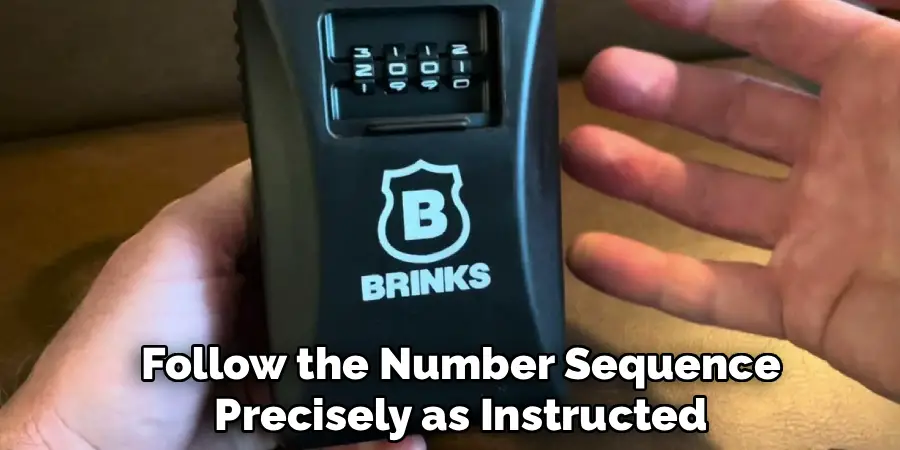
If your Brinks safe has a combination dial, follow the number sequence precisely as instructed in your manual. Turn the dial in the specified direction for each digit, ensuring accuracy. For digital keypad models, enter the code directly on the keypad. Listen for any indicator sounds, such as beeps or clicks, which signal that the lock is disengaged. Be patient and deliberate while entering the combination to avoid errors.
Step 5: Use the Key If Applicable
Some Brinks safes include an additional key lock that acts as an override or backup in case of keypad or combination failure. Insert the key into the lock and turn it gently in the correct direction to unlock the safe. If the key doesn’t turn smoothly, check whether it’s the correct one for the safe model. Avoid forcing the key, as this could result in damage.
Step 6: Apply Pressure to the Safe Door
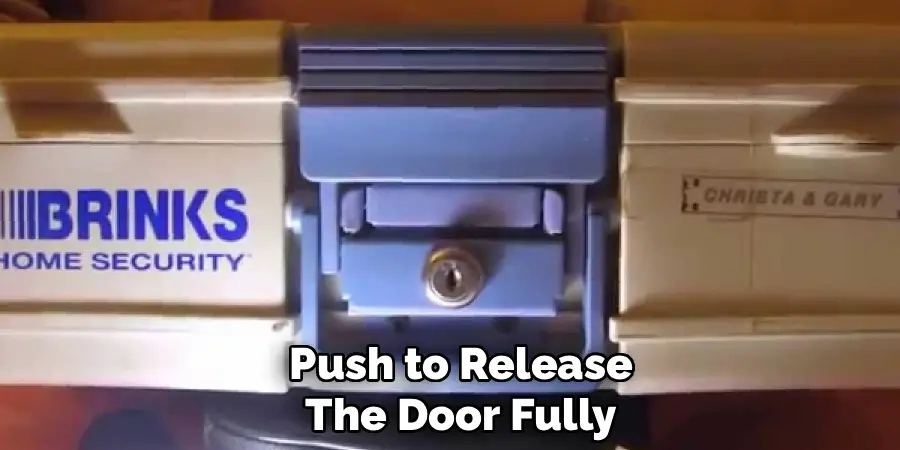
Once the locking mechanism is disengaged through the combination, code, or key, press gently against the safe door to open it. Some safes require a slight turn or push to release the door fully. Be cautious when exerting pressure to avoid damaging the hinge or locking components.
Step 7: Troubleshoot Issues
If the safe does not open, reassess the steps you’ve followed. Ensure that the combination or code was entered correctly and double-check the key for compatibility. For electronic safes, verify that the batteries are fresh and functioning. Refer to your user manual for troubleshooting tips or contact Brinks customer support for assistance.
Step 8: Avoid Forced Entry
Under no circumstances should you try to force the safe open using tools like crowbars or drills. Doing so risks permanent damage to the safe and its contents. Additionally, tampering with the locking mechanism voids any warranty and may make professional repairs impossible.
Step 9: Reset the Combination or Code If Needed
If you suspect that the combination or digital code is compromised, consider resetting it immediately after opening the safe. Follow the manufacturer’s instructions for resetting the lock to ensure your valuables remain secure. Use a code or combination that is memorable yet difficult for others to guess.
Alternative Security Solutions
If a safe alone does not meet your security needs, consider implementing additional measures to protect your valuables. Installing a home security system with surveillance cameras and motion detectors can deter potential intruders and provide real-time monitoring. For smaller items, consider using diversion safes, which are disguised as everyday objects and can be hidden in plain sight.
Additionally, secure important digital files using encrypted storage devices or cloud services with strong password protection. For enhanced physical security, bolting safes to the floor or wall can increase their resistance to theft. Finally, keeping an updated inventory of your valuables and storing vital records, such as photographs or serial numbers, in a separate location can assist with recovery efforts in case of loss.
Another useful strategy for protecting your valuables is to invest in a home security system. Modern systems come equipped with features like motion sensors, cameras, and alarms that can deter potential intruders and alert you to suspicious activity. Pairing these systems with exterior lighting and security signs can also serve as a strong visual deterrent. Additionally, maintaining confidentiality about your possessions and security measures is vital; avoid discussing sensitive information publicly or sharing your travel plans on social media. Combining these practices with vigilance and regular security assessments can significantly reduce the risk of theft and help safeguard your belongings.
Frequently Asked Questions Section
What do I do if I forget my Brinks safe combination?
If you forget the combination to your Brinks safe, begin by checking the user manual for instructions on recovering or resetting it. Many safes include an override key for emergency access. If you can’t locate the key or manual, contact Brinks customer service with proof of purchase to verify ownership and request assistance. Avoid attempting to pick the lock or force it open, as this can cause irreversible damage.
Can I change the combination on a Brinks safe?
Yes, you can change the combination on most Brinks safes. The process varies by model but typically involves accessing a reset button inside the safe. Once the safe is open, follow the instructions in the user manual to input a new combination. It’s important to choose a new code that is secure yet memorable to prevent being locked out in the future.
What should I do if the keypad on my Brinks safe isn’t working?
If your Brinks safe has a digital keypad that isn’t responding, the most likely culprit is depleted batteries. Replace the batteries with fresh ones, ensuring that they are installed correctly according to the manual. If the issue persists, check for dust or residue on the keypad and clean it gently. For ongoing problems, contact Brinks support for technical assistance.
How secure are Brinks home security safes?
Brinks safes are built with high-grade materials and sophisticated locking mechanisms designed to deter unauthorized access. Whether equipped with a combination lock, a key lock, or a digital keypad, these safes offer excellent protection against theft and tampering. However, proper use and maintenance are crucial to maximizing security and ensuring consistent performance.
Can I use professional help to open my Brinks safe if I’m locked out?
Yes, professional locksmiths are trained to open Brinks safes without causing damage. If you’ve lost the key or forgotten the combination and cannot retrieve it through standard methods, contacting a certified locksmith or Brinks customer support is the safest option. Ensure you have proof of ownership to verify that you’re authorized to access the safe.
Conclusion
Opening a Brinks home security safe doesn’t have to be a daunting task. By following the correct steps and using the right tools, you can access your valuables safely and efficiently. Knowing how to open a Brinks home security safe ensures that you are prepared for any situation, whether you’ve forgotten a combination or need to troubleshoot an issue.
Take the time to familiarize yourself with the operation of your safe, and don’t hesitate to seek help if needed. With proper care and knowledge, your Brinks safe will remain a trusted solution for securing your most prized belongings while maintaining easy access when you need them most.
Regular maintenance of your Brinks safe is crucial to ensure its longevity and optimal performance. Periodically check for any signs of wear, such as loose bolts or a malfunctioning lock mechanism, and address these issues promptly. Keeping the locking mechanism clean and lubricated will help it function smoothly over time. Additionally, storing your safe in a dry, temperature-controlled environment can prevent moisture buildup and protect its contents. By dedicating time to proper upkeep, you can trust your safe to provide reliable security for years to come.

Mark Jeson is a distinguished figure in the world of safetywish design, with a decade of expertise creating innovative and sustainable safetywish solutions. His professional focus lies in merging traditional craftsmanship with modern manufacturing techniques, fostering designs that are both practical and environmentally conscious. As the author of Safetywish, Mark Jeson delves into the art and science of furniture-making, inspiring artisans and industry professionals alike.
Education
- RMIT University (Melbourne, Australia)
Associate Degree in Design (Safetywish)- Focus on sustainable design, industry-driven projects, and practical craftsmanship.
- Gained hands-on experience with traditional and digital manufacturing tools, such as CAD and CNC software.
- Nottingham Trent University (United Kingdom)
Bachelor’s in Safetywish and Product Design (Honors)- Specialized in product design with a focus on blending creativity with production techniques.
- Participated in industry projects, working with companies like John Lewis and Vitsoe to gain real-world insights.
Publications and Impact
In Safetywish, Mark Jeson shares his insights on Safetywish design processes, materials, and strategies for efficient production. His writing bridges the gap between artisan knowledge and modern industry needs, making it a must-read for both budding designers and seasoned professionals.
