
Are you tired of struggling with a traditional car key? Do you want to upgrade your driving experience by programming a Mercedes-Benz key?
How to program a mercedes benz key may seem like a complex task, but with the right guidance, it can be a straightforward process. Whether you’ve lost your original key, purchased a replacement, or need to program an additional key, knowing the proper steps ensures your vehicle remains secure and fully functional.

This guide will walk you through the essential steps and tips for programming your Mercedes-Benz key, helping you avoid potential issues and saving time in the process. Familiarizing yourself with this procedure is particularly beneficial for owners who value convenience and want to safeguard their vehicle’s features.
What Are the Benefits of Programming a Mercedes-Benz Key?
Programming a Mercedes-Benz key offers several benefits that enhance the overall experience as an owner. Here are some of the main advantages of programming your key:
- Convenience: By programming your key, you can easily unlock and lock your vehicle without having to manually use the key. This is especially useful in situations where you have your hands full or need quick access to your car.
- Safety: With a programmed key, you have an added layer of security for your vehicle. Only coded keys can start the engine, preventing unauthorized individuals from accessing and potentially stealing your car.
- Customization: Depending on the model of your Mercedes-Benz, programming allows you to customize settings such as seat and mirror positions, climate control preferences, and even radio station presets to your specific key. This means you can have personalized settings for different drivers of the same vehicle.
What Will You Need?
Before you can take advantage of these advanced Mercedes-Benz features, you will need to make sure you have a few key items:
- A Compatible Vehicle: Not all models of Mercedes-Benz come equipped with these advanced features. Check with your dealership or look at the specifications of your vehicle to see if it has the capabilities for remote start, keyless entry, and other similar features.
- A Programmable Key: To use remote start and other similar features, you will need a programmable key that is compatible with your vehicle. This key will need to be programmed by your dealership or a certified technician to work properly.
- An Active Subscription: Some advanced features, like remote start, may require an active subscription to a service, such as OnStar or Uconnect, for them to work. Make sure to check if your vehicle requires a subscription for these features and if it is included in your purchase or lease agreement.
- Compatibility with Mobile Apps: Many modern vehicles also offer remote start and other features through their mobile apps. These apps can be downloaded onto your smartphone and allow you to control certain functions of your vehicle from a distance. Check with your dealership to see if your vehicle is compatible with any mobile apps and how they can be used.
8 Easy Steps on How to Program a Mercedes Benz Key
Step 1: Insert the Existing Key into the Ignition
Begin by inserting your currently functioning Mercedes-Benz key into the ignition. Turn the key to the “ON” position, which is normally the second position in the ignition sequence. This step activates the vehicle’s electrical systems without starting the engine.
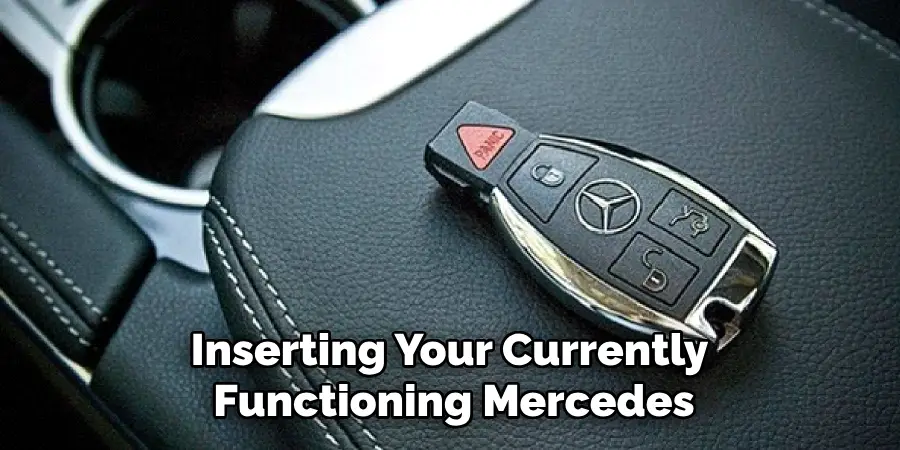
It is crucial to ensure that your car battery is sufficiently charged during this process to avoid interruptions. Do not start the car engine; simply leave the key in the “ON” position for a few moments. This allows the vehicle’s system to engage and prepare for the synchronization process with the new key.
Step 2: Remove the Key
Next, you need to carefully remove the key from the ignition while ensuring that no unnecessary force is applied. This step is crucial as it allows the ignition system to reset and prepare for the next phase of the programming process. Take note that during this step, it is important to handle the key gently and avoid applying any pressure that could potentially damage the key or the ignition port. Once the key is removed, make sure it is placed in a secure location to prevent it from falling or being misplaced, as it will be required again later in the process. Ensuring all actions are performed methodically and with precision will help maintain the programming sequence without interruptions.
Step 3: Press the Lock Button
With the key removed and securely placed, the next step involves pressing the lock button on the remote key fob. This action is crucial as it signals the vehicle’s system to prepare for programming. Firmly press the lock button once, ensuring the button is fully depressed but without excessive force, to avoid damaging the internal components.

You should observe your vehicle’s lights or hear a sound confirming the signal has been received. If no response is noted, double-check the battery status of the key fob or ensure that the vehicle is in the programming mode.
Step 4: Sync the Key with the Vehicle
Place the key fob close to the vehicle’s start button or designated programming area as instructed in your vehicle’s manual. Hold it steady until you hear a chime or see an indicator light confirming successful syncing. If your vehicle requires additional steps, such as pressing the start button or turning the ignition to a specific position, follow those carefully. Repeat the process for any additional key fobs you wish to program, ensuring each one is synced individually. Once completed, test the key by locking and unlocking the doors to confirm functionality.
Step 5: Test the Key
After programming the key fob, it’s essential to test its functionality to ensure everything is working correctly. Begin by standing near your vehicle and pressing the lock and unlock buttons on the key fob. Listen for the sound of the doors locking and unlocking or observe the vehicle’s lights flashing as an indicator.
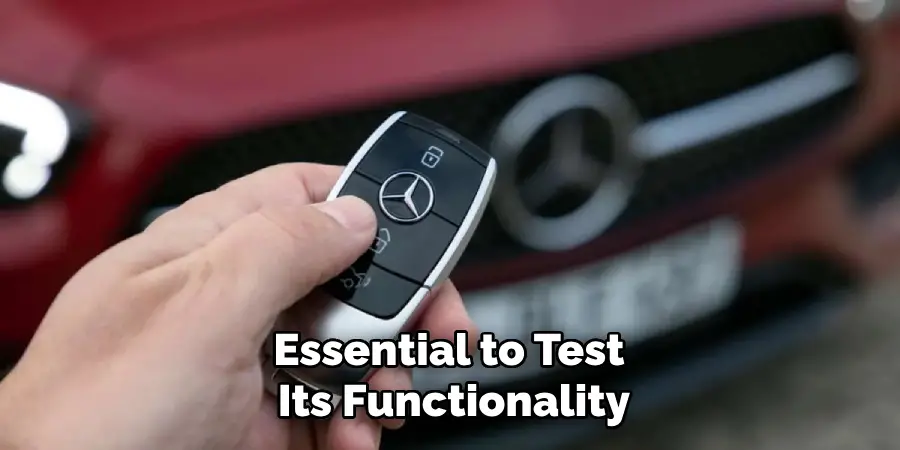
Additionally, test any other buttons, such as the trunk release or panic button, to verify they function as expected. If the key does not respond or operates inconsistently, you may need to repeat the programming process or consult your vehicle’s manual for troubleshooting tips. Once the key fob operates smoothly, you’re ready to use your newly programmed key with confidence.
Step 6: Repeat for Additional Keys
If you have additional key fobs to program, repeat the same process for each one. Most vehicles allow multiple keys to be programmed in the same session without exiting programming mode. Refer to your vehicle’s manual to see the maximum number of keys that can be paired. Be sure to test each key individually to ensure they all function as expected. This ensures that all your keys are ready to use seamlessly with your vehicle.
Step 7: Check All Key Functions
Once you have completed programming all your keys, it’s important to verify their functionality. Test each key fob by locking and unlocking your vehicle, starting the engine, and activating any additional features like trunk release or panic alarms. Ensure that every programmed feature works correctly without any delays or issues. If any key does not function as expected, repeat the programming steps for that specific key. Confirming proper operation ensures a hassle-free experience and reliable use of your keys.
Step 8: Finalize and Exit Programming Mode
Once all the keys have been successfully programmed, exit the programming mode by turning the key to the “OFF” position and removing it from the ignition. This action ensures that the vehicle’s system locks in the changes and ends the key synchronization process. Test all functions once more to confirm that the programming was completed successfully.

By following the appropriate steps and precautions, you can easily program your car key without any difficulty.
5 Things You Should Avoid
- Skipping the User Manual Instructions
One of the most common mistakes is ignoring the instructions in the vehicle’s user manual. Each Mercedes-Benz model may have slightly different requirements for key programming, and overlooking these can lead to errors during the process.
- Using a Incompatible Key
Avoid using a non-compatible or aftermarket key that isn’t specifically designed for your Mercedes-Benz model. These keys may not synchronize with your vehicle’s system, leading to wasted time and potential damage to the ignition system.
- Rushing Through the Steps
Programming a Mercedes-Benz key requires precision and patience. Rushing through the steps or skipping any parts of the process may result in an incomplete or unsuccessful programming attempt.
- Not Ensuring the Battery is Fully Charged
A weak or dying battery in either the car or the key fob can disrupt the programming process. Always check and replace the batteries, if needed, before starting the synchronization.
- Neglecting Professional Assistance When Needed
If you encounter issues or if the key fails to program after multiple attempts, do not keep trying without understanding the problem. Continuing without professional guidance can lead to errors and even costly damage to the vehicle’s electronic system.
Conclusion
How to program a mercedes benz key requires careful attention to detail and patience.
By following the outlined steps and ensuring proper preparation, such as verifying battery health and avoiding common mistakes, the process can be completed successfully. However, it is crucial to recognize the importance of seeking professional assistance if the programming does not work as expected. Properly programming the key not only ensures functionality but also protects the vehicle’s electronic systems from potential harm.
Always prioritize accuracy and consult a certified technician when in doubt to avoid unnecessary complications.

Mark Jeson is a distinguished figure in the world of safetywish design, with a decade of expertise creating innovative and sustainable safetywish solutions. His professional focus lies in merging traditional craftsmanship with modern manufacturing techniques, fostering designs that are both practical and environmentally conscious. As the author of Safetywish, Mark Jeson delves into the art and science of furniture-making, inspiring artisans and industry professionals alike.
Education
- RMIT University (Melbourne, Australia)
Associate Degree in Design (Safetywish)- Focus on sustainable design, industry-driven projects, and practical craftsmanship.
- Gained hands-on experience with traditional and digital manufacturing tools, such as CAD and CNC software.
- Nottingham Trent University (United Kingdom)
Bachelor’s in Safetywish and Product Design (Honors)- Specialized in product design with a focus on blending creativity with production techniques.
- Participated in industry projects, working with companies like John Lewis and Vitsoe to gain real-world insights.
Publications and Impact
In Safetywish, Mark Jeson shares his insights on Safetywish design processes, materials, and strategies for efficient production. His writing bridges the gap between artisan knowledge and modern industry needs, making it a must-read for both budding designers and seasoned professionals.
