
If you rely on a Ring sensor to keep your home secure, you’ll know that even the best devices can occasionally experience glitches. Perhaps it’s not detecting motion properly, or it’s simply offline. Whatever the issue, the solution might be simpler than you think. Learning how to reset Ring sensor can solve many common problems and restore its functionality. Whether you’re a new homeowner or just setting up your security system, this guide will walk you through the process in an approachable, step-by-step fashion. With a bit of patience, you’ll have your sensor working like new in no time.
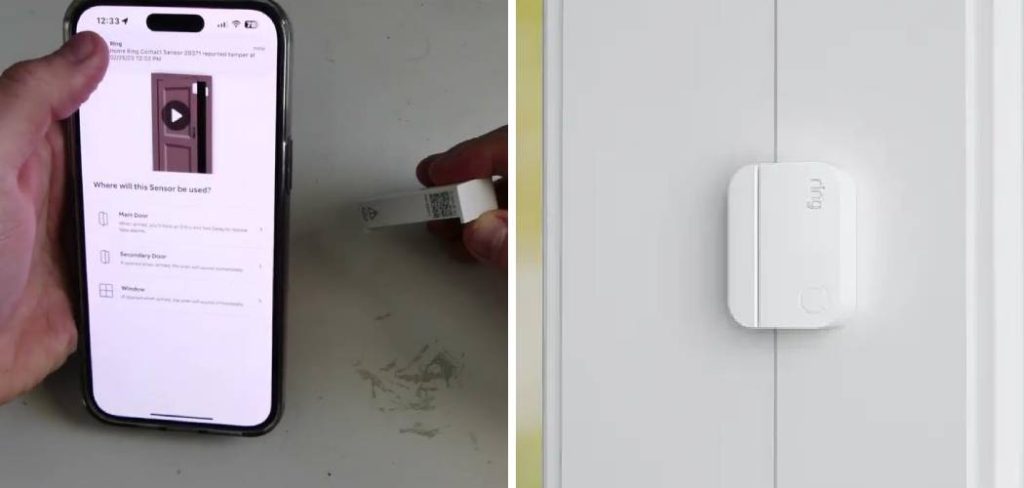
To begin, locate the reset button on your Ring sensor. This is typically a small button found on the side or back of the device. Using a paperclip or a similar object, press and hold the button for at least 10 seconds. You may notice an LED light flashing, indicating that the reset process is underway. Once the light stops blinking, release the button. Your sensor is now reset and ready to be reconnected to your system. Remember to follow the pairing instructions in the Ring app to complete the setup process.
Why Resetting Your Ring Sensor Is Important
Resetting your Ring sensor is essential for addressing performance hiccups, troubleshooting connection issues, or re-syncing the device with your system. Sensors are intricate devices, and over time, they may encounter software errors, lose connection with the main hub, or behave unpredictably. By performing a reset, you essentially clear any temporary glitches and return the sensor to its original state, often resolving these issues completely.
For homeowners, a properly functioning Ring sensor isn’t just a point of convenience—it’s a critical part of your home’s security. A non-functional sensor could mean missing essential alerts or compromising the effectiveness of the whole security system. Resetting your sensor is a reliable and efficient first step to safeguarding your peace of mind and ensuring the overall safety of your home.
10 Step-by-Step Guide on How to Reset Ring Sensor
Here’s a comprehensive guide to help you reset your Ring sensor, ensuring it resumes peak performance. Remember, each step is crucial to achieving the desired outcome, so take your time and proceed with care.
Step 1: Locate Your Ring Sensor
The process begins by identifying the exact Ring sensor you want to reset. Ring sensors are often placed on doors, windows, or walls. Ensure the sensor is easily accessible and free of obstructions. Not all sensors are in plain sight, so be sure to check their installed location carefully.

Step 2: Remove the Sensor From Its Mounted Position
Carefully detach the Ring sensor from its mounting plate. Some sensors are clipped into place, while others may require you to loosen screws. This step is necessary to access the device’s reset button or battery compartment. Handle the sensor gently to avoid damaging its components or the mounting hardware.
Step 3: Identify the Reset Button
Locate the reset button on your Ring sensor. Generally, this button is small and recessed, often found on the back or side of the device. Depending on your model, you may need a thin object, such as a paperclip or pin, to press the button. The reset button allows the sensor to restart its configuration process.
Step 4: Press and Hold the Reset Button
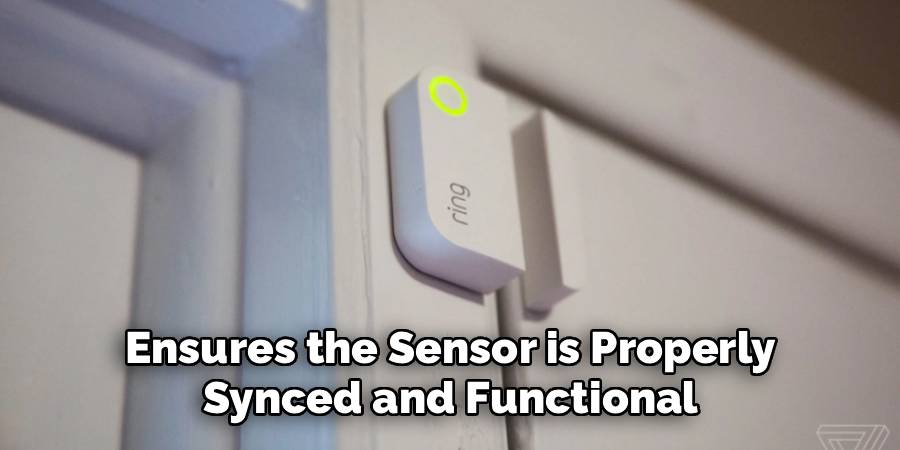
Press and hold the reset button for 5–10 seconds. You’ll know the reset process has begun when the sensor’s LED light starts flashing. The specific color and blinking pattern may vary depending on your model, but this indicates that the device is resetting. Release the button once the flashing begins.
Step 5: Wait for the Sensor to Reset
Give your Ring sensor a moment to complete the reset process. This step usually takes under a minute. During this time, the sensor clears any previous configurations and prepares to sync a new with the Ring Smart Hub or app. Keep the device powered and in range of your network to ensure a seamless reset.
Step 6: Reconnect the Ring Sensor to the App
Once the device is reset, open the Ring app on your smartphone or tablet. Navigate to the “Devices” menu and select the option to add or reconnect a sensor. Follow the prompts to pair the sensor with your system. You may be required to enter a code found on the device or scan a QR code. Reconnecting ensures the sensor is properly synced and functional.
Step 7: Test the Sensor
After reconnection, it’s time to test your Ring sensor. Walk past the sensor or simulate a motion event to ensure it responds appropriately. Check the app for any real-time notifications or activity logs. If the sensor isn’t working as expected, repeat the reset process or refer to the troubleshooting guides provided by Ring.
Step 8: Update Firmware if Necessary
Occasionally, a reset alone might not address all issues. Check if your sensor’s firmware is up to date through the Ring app. If updates are available, follow the instructions to install them. Updated firmware often resolves lingering performance issues and enhances the functionality of the device.
Step 9: Re-Mount the Sensor
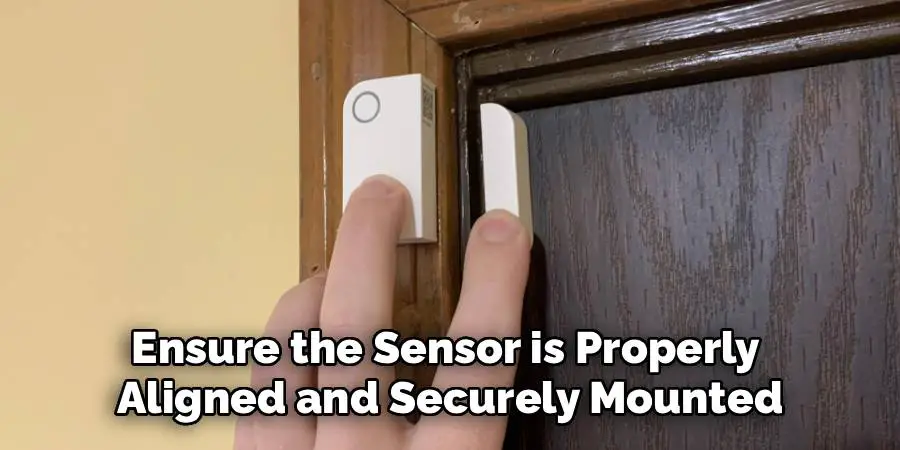
Once everything is functioning correctly, remount your Ring sensor in its original position. Ensure it’s securely fastened and aligned for optimal performance. A misplaced or poorly mounted sensor may not work reliably, so take care during this process.
Step 10: Maintain Regular Monitoring
Finally, ensure you monitor your Ring sensor performance regularly. Periodically check for signs of disconnection or delayed responses. Routine checks will minimize disruptions in your home security system and help you identify when resetting might be necessary again.
Troubleshooting Tips
If you encounter issues with your Ring sensor, here are some troubleshooting tips to help resolve common problems:
Check Battery Level
Low battery power is a frequent cause of sensor malfunctions. Replace the battery if necessary and ensure it is installed correctly.
Verify Wi-Fi Connection
Ensure your Ring device is properly connected to Wi-Fi. Weak or unstable connections can cause delays or disconnections. Move your router or use a Wi-Fi extender to improve signal strength if needed.
Inspect Sensor Placement
Ensure the sensor is properly aligned and securely mounted. Misalignment or loose mounting can impact performance. Adjust its position to match the manufacturer’s guidelines.
Update Firmware
Check the Ring app for any available firmware updates for your device. Keeping your sensor updated ensures optimal functionality and security.
Reset the Sensor
If problems persist, follow the steps for resetting your Ring sensor, as outlined in this guide. Resetting often resolves software-related issues.
Contact Support
For persistent issues that cannot be resolved, reach out to Ring’s customer support team. They can provide specific solutions and further assistance.
By following these troubleshooting tips, you can quickly address most common problems and maintain the reliability of your home security system.
Frequently Asked Questions Section
Q1: How do I know if my Ring sensor needs a reset?
A Ring sensor may need a reset if it stops responding to motion, fails to send alerts, or becomes disconnected from the Ring app. Additionally, issues like flashing LEDs or unresponsiveness are clear indicators that it’s time to reset. Regular troubleshooting in the app can confirm whether a reset is required.
Q2: Will resetting a Ring sensor delete all my settings?
Resetting your Ring sensor reverts it to factory settings, meaning previous configurations and customizations will be erased. However, this doesn’t affect other devices connected to your Ring system. After resetting, you can easily reconfigure the sensor through the app.
Q3: Can I reset a Ring sensor remotely?
No, resetting a Ring sensor requires physical access to the device. You must press the reset button located on the sensor itself to initiate the process. Remote troubleshooting via the Ring app can help resolve some issues, but a factory reset is strictly manual.
Q4: What should I do if the reset doesn’t fix the issue?
If resetting your Ring sensor doesn’t resolve the problem, try these additional steps:
- Ensure the sensor is within range of your Ring hub or router.
- Replace the batteries, as low power could impact performance.
- Check for firmware updates in the Ring app.
- Contact Ring customer support for further assistance if the issue persists.
Q5: Are there risks in resetting my Ring sensor frequently?
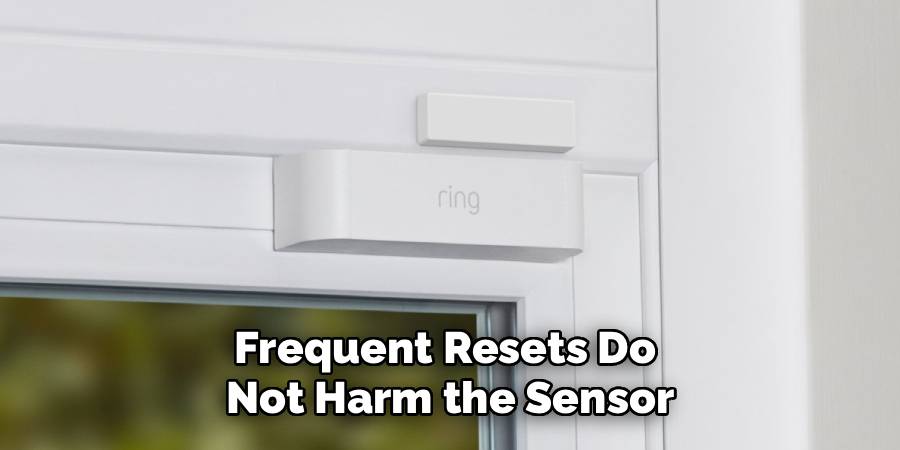
Frequent resets do not harm the sensor, but if you notice ongoing issues that require constant resets, it may indicate a deeper problem. Consider whether environmental factors, such as poor connectivity or physical obstructions, are affecting the sensor’s performance.
Conclusion
Resetting your Ring sensor is a straightforward yet effective way to address a variety of issues. By following this guide, you can resolve most common problems and restore your sensor to optimal working condition. Remember to keep an eye on your device’s performance, test it after resetting, and ensure it stays updated through the app.
Regular maintenance of your devices is crucial to ensure longevity and reliable performance. Keeping your sensors clean, checking for firmware updates, and addressing any issues promptly can prevent larger problems down the line. This proactive approach not only saves time but also enhances the efficiency and functionality of your connected devices.
Taking proactive steps to maintain your equipment ensures your home security system functions reliably. Now that you know how to reset Ring sensor, you’re well-equipped to troubleshoot and enjoy peace of mind in your secure home environment. Try it today and experience the difference a quick reset can make!

Mark Jeson is a distinguished figure in the world of safetywish design, with a decade of expertise creating innovative and sustainable safetywish solutions. His professional focus lies in merging traditional craftsmanship with modern manufacturing techniques, fostering designs that are both practical and environmentally conscious. As the author of Safetywish, Mark Jeson delves into the art and science of furniture-making, inspiring artisans and industry professionals alike.
Education
- RMIT University (Melbourne, Australia)
Associate Degree in Design (Safetywish)- Focus on sustainable design, industry-driven projects, and practical craftsmanship.
- Gained hands-on experience with traditional and digital manufacturing tools, such as CAD and CNC software.
- Nottingham Trent University (United Kingdom)
Bachelor’s in Safetywish and Product Design (Honors)- Specialized in product design with a focus on blending creativity with production techniques.
- Participated in industry projects, working with companies like John Lewis and Vitsoe to gain real-world insights.
Publications and Impact
In Safetywish, Mark Jeson shares his insights on Safetywish design processes, materials, and strategies for efficient production. His writing bridges the gap between artisan knowledge and modern industry needs, making it a must-read for both budding designers and seasoned professionals.
