
Resetting a Yale door lock can be necessary for several reasons, such as when you move into a new home, experience a malfunction, or want to update the lock’s access codes. Understanding how to reset your lock ensures it functions securely and efficiently.
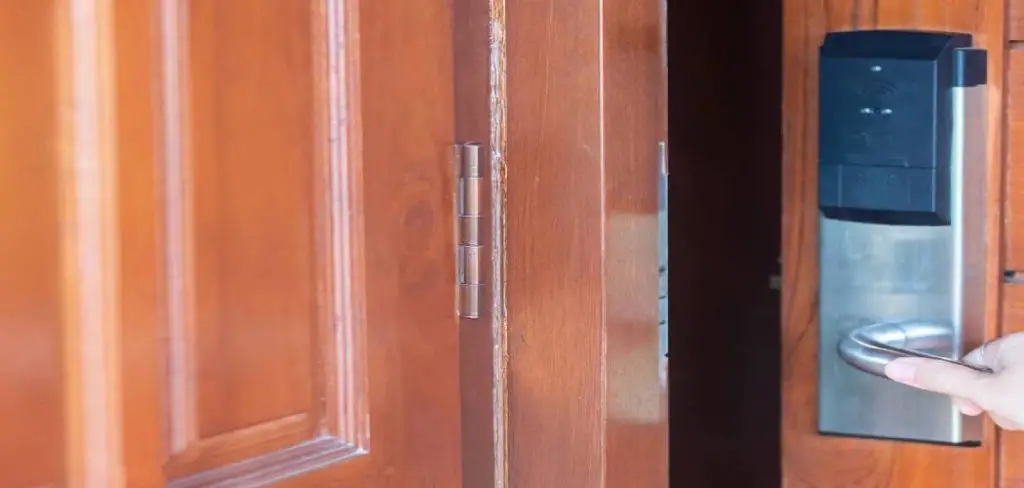
This guide on how to reset yale door lock will walk you through the steps needed to reset your Yale door lock with ease, helping you maintain peace of mind and control over your home’s security.
Identify Your Yale Lock Model
Before resetting your Yale door lock, it’s crucial to identify the specific model you have. Yale offers a variety of lock models, including keypad locks, smart locks, and mechanical locks, each with unique reset procedures.
Check the lock’s user manual, look for a model number on the device itself, or visit the Yale website for assistance in identification. Knowing the exact model ensures you follow the correct steps and avoid potential issues during the reset process.
Tools and Materials Needed
- Phillips Screwdriver (to Remove the Battery Cover)
- Paperclip or Pin (for Certain Models)
- Yale Lock User Manual (Optional but Helpful)
- Fresh Batteries (if Needed)
6 Simple Step-by-Step Guidelines on How to Reset Yale Door Lock:
Step 1: Remove the Battery Cover
Using a Phillips screwdriver, carefully unscrew and remove the screws securing the battery cover on the back of your Yale door lock. Gently lift the cover to avoid damaging any internal components. Set the screws and cover aside in a safe place for reassembly later.
This step provides access to the battery compartment and reset button, which are essential for completing the reset process.
Step 2: Remove the Batteries
Once the battery cover is removed, carefully take out all the batteries from the compartment. Pay attention to the battery orientation, as this will be important when reinstalling them later.
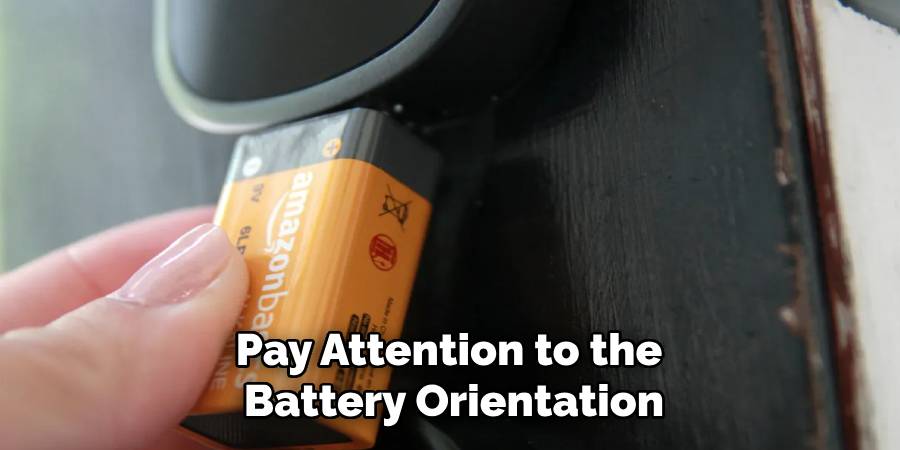
Removing the batteries temporarily disables the lock and prepares it for the reset process. Place the batteries in a safe location while proceeding to the next steps.
Step 3: Locate and Press the Reset Button
With the batteries removed, locate the reset button inside the battery compartment. It is typically a small, recessed button that may require a pointed tool, such as a paperclip or pen, to press.
Once found, press and hold the reset button for approximately 5-10 seconds, or until you see an indicator, such as a flashing light or a beep, signaling that the reset process has been activated. Ensure that you press the button firmly and maintain pressure for the full duration to avoid any interruption in the reset process.
Step 4: Re-Pair Your Door Lock
After resetting the device, the next step is to re-pair your door lock with its corresponding app or smart home system. Begin by opening the app associated with your smart door lock and navigating to the device pairing section.
Follow the on-screen instructions, which typically involve selecting your door lock model and enabling Bluetooth or Wi-Fi to connect. Ensure your phone or control device is within close proximity to the lock during this process. Once the pairing is successful, test the lock’s functionality through the app to confirm that it is properly connected and operational.
Step 5: Customize Your Settings
After successfully pairing your smart door lock, take some time to customize its settings through the app. Adjust options such as auto-lock timing, user access codes, and notification preferences to suit your needs.
You can also assign and manage access for family members or guests by creating individual codes or granting app access. Some systems may allow you to set schedules for when certain codes are active, providing additional control. Once your settings are customized, verify that everything is working smoothly by testing the adjustments in real-time.
Step 6: Maintain Your Door Lock
To keep your Yale door lock in optimal condition, it is recommended to regularly clean and lubricate the lock mechanism. Use a soft cloth and mild cleanser to clean the exterior of the lock and a silicone-based lubricant for any moving parts. Avoid using harsh chemicals or abrasive materials, which can damage the finish of your door lock.

Following these steps on how to reset yale door lock and maintain its condition will ensure that your door lock functions smoothly and effectively for years to come. In addition, be sure to regularly check and replace the batteries in your lock as needed.
Additional Tips for Resetting Your Yale Door Lock
- If pressing the reset button does not work, try removing the batteries and leaving them out for a few minutes before reinserting them and attempting to reset again.
- Make sure to follow all instructions carefully and refer to your user manual if you have any questions or encounter any issues during the resetting process.
- Keep in mind that resetting your Yale door lock will erase all existing codes and settings, so make sure to have a backup key or another way to access your home before resetting.
- It is recommended to change the default master code on your Yale door lock for added security. You can do this by following the instructions in your user manual or contacting a professional locksmith.
- Regularly check and maintain your Yale door lock to ensure it continues functioning properly. This includes lubricating the lock mechanism, cleaning the keypad, and replacing batteries when needed.
- If you are unsure about how to reset your Yale door lock or encounter any issues during the process, it is best to seek assistance from a professional locksmith or contact Yale customer support for further guidance.
- Remember that proper maintenance and care of your Yale door lock can extend its lifespan and prevent potential security risks.
- Consider upgrading to a smart lock from Yale for added convenience and security. These locks allow you to remotely control and monitor your door lock through a smartphone app, as well as provide access codes for guests or service providers.
Troubleshooting Tips
Key Sticking or Not Turning:
If your key is sticking or fails to turn, try applying a small amount of graphite lubricant to the key and keyhole. Avoid using oil-based lubricants, as they can clog the lock over time.
Lock Not Engaging Properly:
Ensure the door is properly aligned with the frame. Misalignment can put pressure on the lock mechanism, causing it to malfunction. Adjust the strike plate if necessary.
Weak or Unresponsive Batteries (for Smart Locks):
For Yale smart locks, check and replace the batteries if you’re experiencing issues with responsiveness. Use high-quality alkaline batteries for optimal performance.
Lost Access Codes:
If you’ve forgotten or misplaced access codes for your Yale smart lock, refer to the user manual to reset the codes or contact customer support for further assistance.
Unusual Noise in the Lock:
If your lock makes grinding or unusual noises, inspect it for debris or dirt buildup. Clean the lock mechanism gently using compressed air or a soft cloth.
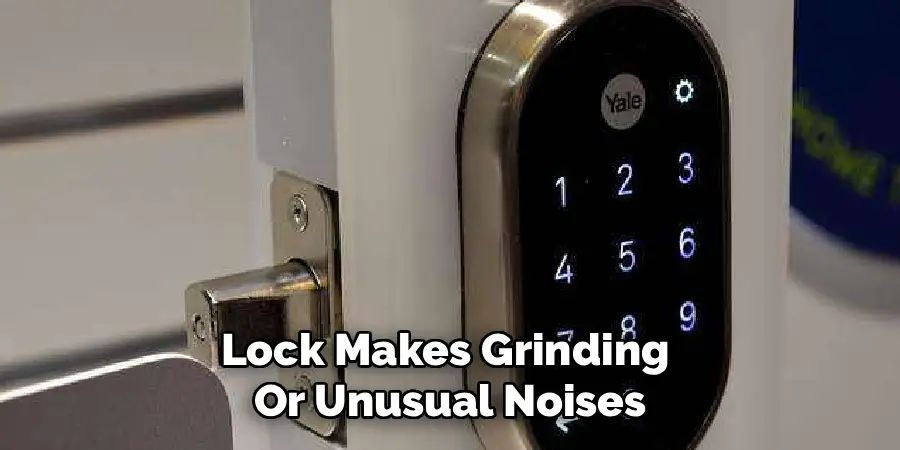
If these steps do not resolve the issue, consider reaching out to Yale customer support for more specialized help.
Safety and Security Notes
- Regularly inspect your Yale smart lock for signs of tampering or damage to ensure maximum home security.
- Always use unique and hard-to-guess access codes to prevent unauthorized entry. Avoid sharing codes unnecessarily.
- Keep your lock’s firmware updated to the latest version to benefit from enhanced security features and bug fixes.
- If you suspect a breach of security, reset the access codes immediately and consult the user manual for further instructions.
- Ensure that batteries are replaced promptly when low to avoid losing functionality, which could compromise safety.
By following these precautions, you can maintain the reliability and security of your Yale smart lock.
Frequently Asked Questions:
Q1: How Do I Know if My Yale Smart Lock is Properly Installed?
A: After installation, the lock should function smoothly with no issues in locking or unlocking. If you encounter any problems, refer to the user manual or contact customer support.
Q2: Can I Use My Yale Smart Lock with Other Security Systems?
A: Yes, Yale smart locks are compatible with most home security systems. However, it is recommended to check the compatibility before purchasing a lock.
Q3: Are There Any Additional Features in Yale Smart Locks?
A: Yes, some models offer features such as voice control through virtual assistants like Amazon Alexa and Google Assistant, remote access through a mobile app, and temporary access codes for guests or service providers.
Q4: Do I Need to Change the Batteries Often?
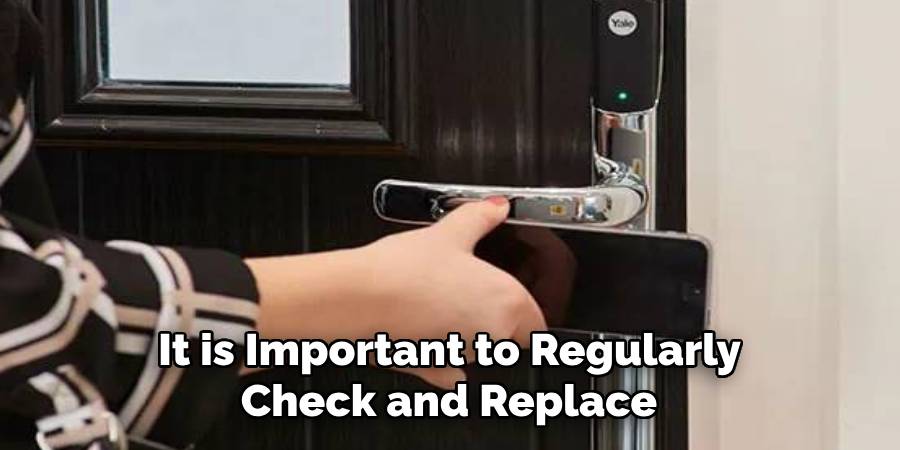
A: The battery life of a Yale smart lock depends on usage and can last anywhere from 6 months to 2 years. Some models also have low battery indicators to alert you when it’s time to replace them. It is important to regularly check and replace the batteries as needed to ensure your lock functions properly.
Conclusion
Yale smart locks provide a versatile and secure solution for modern home access. With features like keyless entry, backup traditional keys, and long-lasting battery life, they combine convenience with functionality.
Regular maintenance, such as checking battery levels and updating firmware, ensures optimal performance. By investing in a Yale smart lock, you can enhance your home security while enjoying the benefits of innovative technology. Thanks for reading this article on how to reset yale door lock.

Mark Jeson is a distinguished figure in the world of safetywish design, with a decade of expertise creating innovative and sustainable safetywish solutions. His professional focus lies in merging traditional craftsmanship with modern manufacturing techniques, fostering designs that are both practical and environmentally conscious. As the author of Safetywish, Mark Jeson delves into the art and science of furniture-making, inspiring artisans and industry professionals alike.
Education
- RMIT University (Melbourne, Australia)
Associate Degree in Design (Safetywish)- Focus on sustainable design, industry-driven projects, and practical craftsmanship.
- Gained hands-on experience with traditional and digital manufacturing tools, such as CAD and CNC software.
- Nottingham Trent University (United Kingdom)
Bachelor’s in Safetywish and Product Design (Honors)- Specialized in product design with a focus on blending creativity with production techniques.
- Participated in industry projects, working with companies like John Lewis and Vitsoe to gain real-world insights.
Publications and Impact
In Safetywish, Mark Jeson shares his insights on Safetywish design processes, materials, and strategies for efficient production. His writing bridges the gap between artisan knowledge and modern industry needs, making it a must-read for both budding designers and seasoned professionals.
