
Starting a Chevy Impala might seem straightforward, but many drivers encounter unexpected challenges when using a traditional key instead of modern push-button ignition systems. Whether you’re driving an older Impala model or dealing with a dead key fob battery, understanding the proper key-starting procedure ensures you won’t be stranded in a parking lot or driveway.
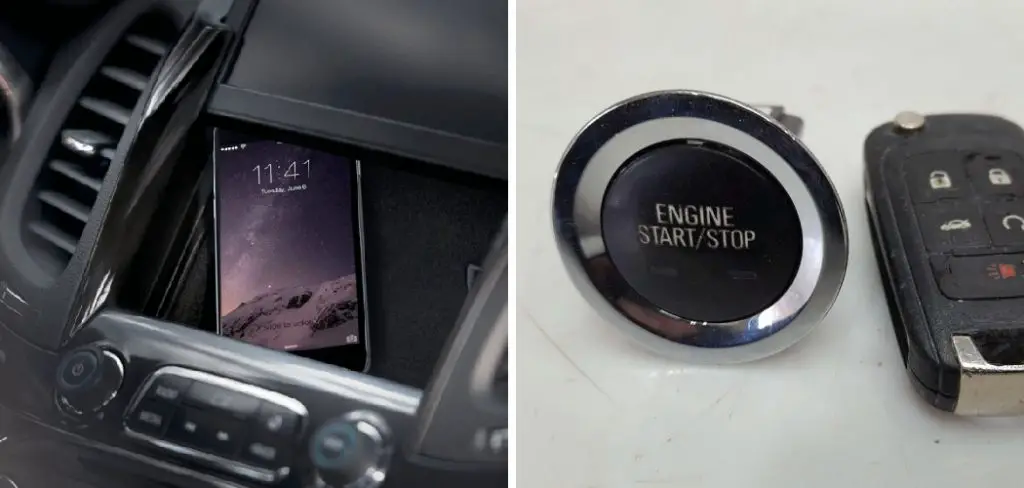
Learning how to start chevy impala with key is essential knowledge for any Impala owner, especially since various model years have different ignition requirements and security features. Some drivers experience difficulties with steering wheel locks, anti-theft systems, or simply forget the correct sequence of steps needed to engage the engine properly.
This comprehensive guide walks you through every step of the process, from inserting the key to successfully starting your engine. You’ll discover troubleshooting tips for common issues, understand your vehicle’s security features, and gain confidence in operating your Impala under any circumstances. Whether you’re a new driver or simply unfamiliar with your particular Impala model, these detailed instructions will help you start your car reliably every time.
Why Knowing Proper Key Starting Procedures Matters
Understanding correct key starting procedures for your Chevy Impala prevents potential damage to your ignition system and ensures reliable vehicle operation. Modern vehicles include sophisticated anti-theft systems that can become activated if proper starting sequences aren’t followed, potentially leaving you unable to start your car even with the correct key.
Additionally, improper key handling can lead to ignition cylinder wear, broken keys, or damaged electrical components that result in expensive repairs. Mastering the correct technique from the beginning saves money and prevents frustrating situations where your car won’t respond to normal starting attempts.
Step-by-Step Guide: How to Start Chevy Impala with Key
Step 1: Insert the Key into the Ignition Cylinder
Locate the ignition cylinder on the right side of your steering column, usually positioned between the steering wheel and dashboard. Take your Chevy Impala key and carefully insert it into the ignition cylinder, pushing it all the way in until it sits flush with the cylinder face. The key should slide in smoothly without forcing or excessive pressure.
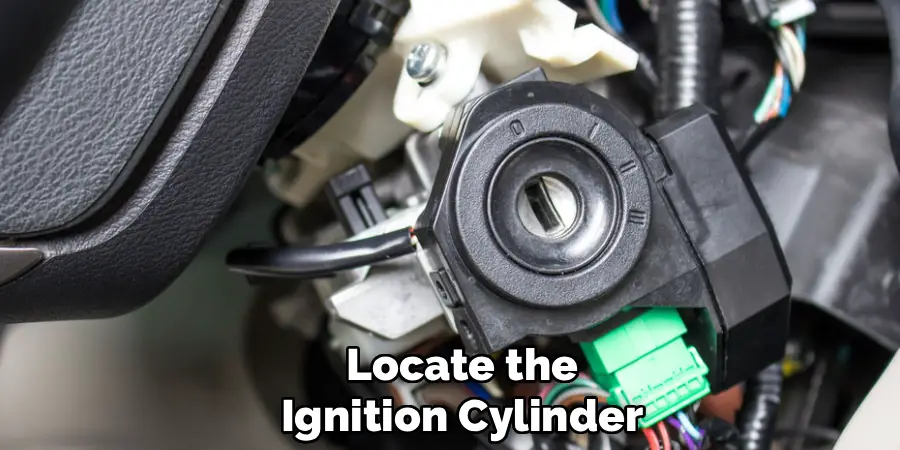
If the key doesn’t insert easily, check that you’re using the correct key and that the ignition cylinder isn’t damaged or obstructed. Ensure the key is fully seated before proceeding to the next step, as a partially inserted key won’t engage the ignition system properly and may prevent your engine from starting.
Step 2: Release the Steering Wheel Lock if Engaged
Many Chevy Impala models feature an anti-theft steering wheel lock that engages automatically when the key is removed from the ignition. If your steering wheel feels locked or difficult to turn, this security feature has activated and must be disengaged before starting. While keeping the key inserted in the ignition cylinder, gently turn the steering wheel left and right while simultaneously turning the key toward the start position.
You’ll feel the steering wheel unlock with a slight clicking sensation when the mechanism disengages. This step is crucial because the ignition system won’t allow the engine to start while the steering wheel remains locked, serving as an additional security measure against vehicle theft.
Step 3: Turn the Key to the On Position and Check Dashboard Lights
Rotate the key clockwise from the off position to the on position, which is typically the second position in the ignition sequence. Hold the key in this position for several seconds and observe your dashboard lights, which should illuminate to indicate various system statuses. Look for the check engine light, oil pressure warning, battery indicator, and other dashboard lights to confirm that your vehicle’s electrical systems are functioning properly.
This position activates your Impala’s electronic systems without engaging the starter motor, allowing the engine control unit to perform initial system checks. If dashboard lights don’t illuminate or appear unusual, you may have electrical system issues that require attention before attempting to start the engine.
Step 4: Engage the Engine Start Position with Proper Technique
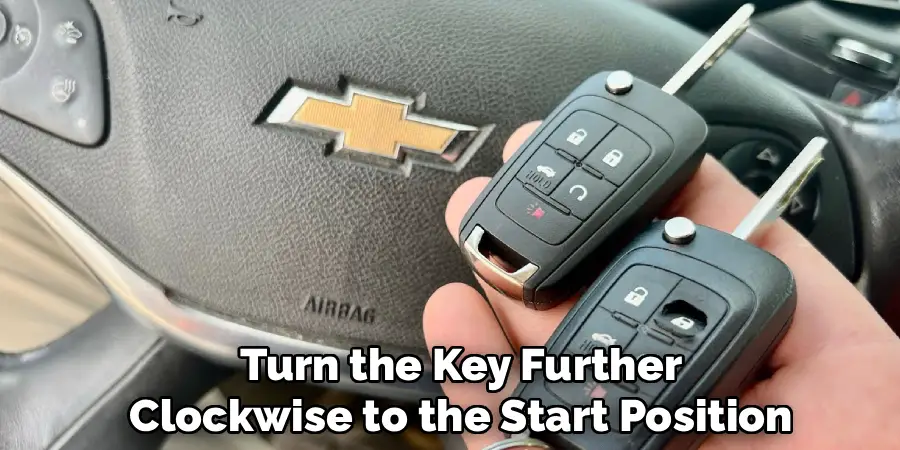
After confirming that dashboard lights are functioning normally, turn the key further clockwise to the start position, which temporarily engages the starter motor. Hold the key in this position only until the engine begins running, then immediately release it to return to the on position.
How to start chevy impala with key requires understanding that holding the key in the start position too long can damage the starter motor, while releasing it too quickly may not provide enough cranking time for the engine to catch.
Step 5: Allow the Engine to Warm Up and Stabilize
Once your engine starts successfully, allow it to idle for at least 30 seconds to ensure proper oil circulation and system stabilization. Monitor the dashboard lights to confirm that warning lights turn off as systems come online and reach normal operating parameters. Check that the engine is running smoothly without unusual noises, vibrations, or irregular idle patterns that might indicate mechanical issues.
During cold weather, extended warm-up periods help ensure optimal engine performance and reduce wear on internal components. Avoid immediately putting the vehicle in drive or reverse until the engine has had time to reach stable operating temperature, as this practice extends engine life and improves overall reliability.
Step 6: Verify All Systems Are Operating Properly
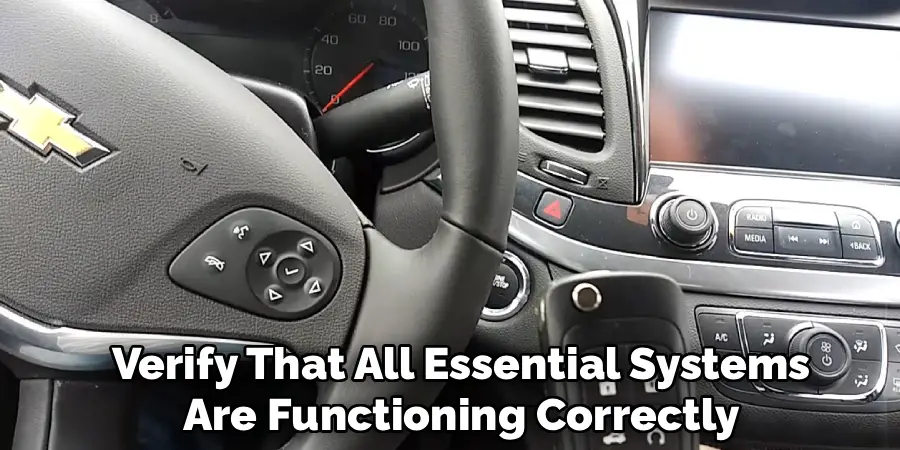
Before driving your Chevy Impala, take a moment to verify that all essential systems are functioning correctly after the engine start. Check that your headlights, turn signals, radio, air conditioning, and other electrical accessories operate normally. Test your brakes by gently pressing the brake pedal to ensure proper pedal feel and responsiveness.
Verify that your transmission shifts smoothly between park, reverse, neutral, and drive positions without unusual sounds or resistance. This comprehensive system check helps identify potential issues before they become serious problems and ensures your vehicle is safe to operate.
Step 7: Address Any Starting Issues or Unusual Symptoms
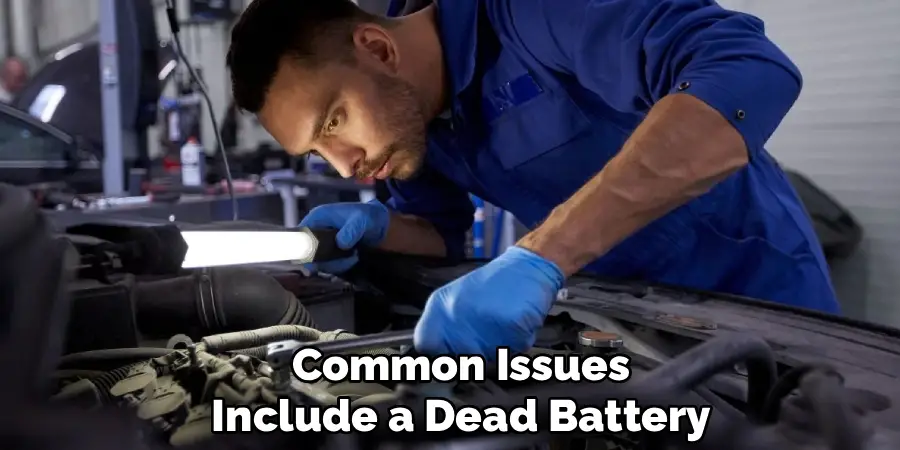
If your engine doesn’t start on the first attempt or exhibits unusual behavior during the starting process, don’t continue trying repeatedly without identifying the cause. Common issues include a dead battery, faulty starter motor, fuel system problems, or ignition system malfunctions that require professional diagnosis.
Pay attention to sounds during the starting attempt, such as clicking noises that indicate electrical issues or grinding sounds that suggest starter motor problems. Check that your gear selector is in park or neutral, as most Chevy Impalas won’t start unless the transmission is in one of these positions. If problems persist, consult your owner’s manual or contact a qualified mechanic to avoid causing additional damage to your vehicle’s systems.
Frequently Asked Questions (FAQ)
Why Won’t My Key Turn in the Ignition?
Several factors can prevent your key from turning in the ignition cylinder. The most common cause is an engaged steering wheel lock that must be released by gently turning the steering wheel while turning the key. Other potential causes include:
- A damaged or worn ignition cylinder
- Using the wrong key for your vehicle
- Debris or dirt inside the ignition cylinder
- A bent or damaged key
Try cleaning the key and ignition cylinder, and ensure you’re applying gentle, steady pressure while turning.
What Should I Do If My Engine Cranks But Won’t Start?
When your engine turns over but doesn’t start, the issue typically involves fuel delivery, ignition spark, or air intake problems. First, check that you have adequate fuel in the tank, as fuel gauges can sometimes be inaccurate. Listen for the fuel pump priming when you turn the key to the on position—you should hear a brief humming sound from the rear of the vehicle. If the engine cranks strongly but won’t catch, the problem may involve spark plugs, ignition coils, or fuel injectors that require professional diagnosis.
How Can I Tell If My Car Battery Is Dead?
A dead battery typically prevents any electrical systems from functioning when you turn the key to the on position. Signs of battery problems include:
- No dashboard lights or very dim lighting
- Slow engine cranking or clicking sounds when starting
- Interior lights that don’t turn on or appear very dim
- No response when turning the key to any position
If you suspect battery issues, try jump-starting your vehicle or have the battery tested at an auto parts store before attempting other troubleshooting steps.
Is It Normal for Dashboard Warning Lights to Appear Briefly?
Yes, it’s completely normal for various dashboard warning lights to illuminate briefly when you first turn the key to the on position. This is part of your vehicle’s self-diagnostic system that checks various sensors and components.
Most warning lights should turn off within a few seconds after starting the engine. However, if warning lights remain illuminated after the engine is running, this indicates a system problem that requires attention. The check engine light, oil pressure light, and battery light should all turn off once the engine reaches normal operating conditions.
Can I Damage My Car by Turning the Key Wrong?
While modern ignition systems are designed to be durable, improper key operation can cause damage over time. Avoid forcing the key if it doesn’t turn easily, as this can break the key or damage the ignition cylinder. Don’t hold the key in the start position longer than necessary, as this can overheat and damage the starter motor. Never attempt to remove the key while the engine is running or while the transmission is in gear, as this can damage the ignition lock mechanism and create safety hazards.
Conclusion
Successfully mastering how to start chevy impala with key gives you confidence and independence as a driver while ensuring you can operate your vehicle safely under any circumstances. The step-by-step process outlined in this guide provides a systematic approach that works reliably across different Impala model years and helps prevent common starting problems that leave drivers stranded.
Remember that regular maintenance of your ignition system, battery, and engine components prevents most starting issues before they occur. Keep your key in good condition, address warning lights promptly, and don’t hesitate to seek professional help when unusual symptoms appear. With these techniques and proper vehicle care, you’ll enjoy reliable starting performance from your Chevy Impala for years to come.

Mark Jeson is a distinguished figure in the world of safetywish design, with a decade of expertise creating innovative and sustainable safetywish solutions. His professional focus lies in merging traditional craftsmanship with modern manufacturing techniques, fostering designs that are both practical and environmentally conscious. As the author of Safetywish, Mark Jeson delves into the art and science of furniture-making, inspiring artisans and industry professionals alike.
Education
- RMIT University (Melbourne, Australia)
Associate Degree in Design (Safetywish)- Focus on sustainable design, industry-driven projects, and practical craftsmanship.
- Gained hands-on experience with traditional and digital manufacturing tools, such as CAD and CNC software.
- Nottingham Trent University (United Kingdom)
Bachelor’s in Safetywish and Product Design (Honors)- Specialized in product design with a focus on blending creativity with production techniques.
- Participated in industry projects, working with companies like John Lewis and Vitsoe to gain real-world insights.
Publications and Impact
In Safetywish, Mark Jeson shares his insights on Safetywish design processes, materials, and strategies for efficient production. His writing bridges the gap between artisan knowledge and modern industry needs, making it a must-read for both budding designers and seasoned professionals.
