
A mass air flow (MAF) sensor is a critical component in a vehicle’s engine management system. It measures the amount of air entering the engine and sends this data to the car’s computer, ensuring the proper air-fuel mixture for optimal performance, fuel efficiency, and emissions control.
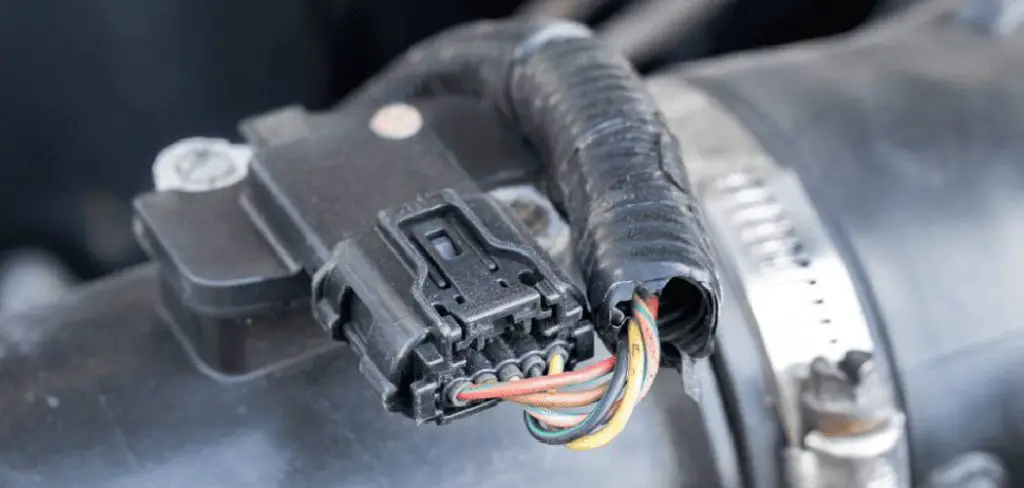
If the MAF sensor is not functioning correctly, it can lead to a range of issues, including poor engine performance, reduced fuel efficiency, and even engine stalling. In this blog post, we’ll walk you through the steps on how to test a mass air flow sensor so that you can get back to using it in no time! So grab your tools, and let’s get started!
What a Mass Air Flow (MAF) Sensor
A mass air flow (MAF) sensor is a key component in modern automotive engines that measures the amount of air flowing into the engine’s intake system. By accurately determining the air intake, the sensor enables the vehicle’s engine control unit (ECU) to calculate the ideal air-fuel ratio needed for combustion. This balance is critical for ensuring maximum engine performance, optimal fuel efficiency, and reduced emissions. MAF sensors typically use a heated wire or film element, which gets cooled as air passes through, allowing the sensor to measure the airflow rate. A properly functioning MAF sensor is essential for the smooth operation of the engine and maintaining environmental compliance standards.
Signs of a Bad Mass Air Flow Sensor
A failing mass air flow (MAF) sensor can lead to various issues that affect a vehicle’s performance. Some common signs include poor fuel efficiency, as the engine may consume more fuel due to incorrect air-fuel ratio readings. Drivers might also experience rough idling, hesitation or stalling during acceleration, or difficulty starting the vehicle. Illuminated “Check Engine” lights are another common indicator, often pointing to trouble codes associated with the MAF sensor. Additionally, a bad MAF sensor can result in decreased engine power or unusual surges while driving. Prompt diagnosis and replacement of a faulty MAF sensor are crucial to prevent further damage and maintain engine efficiency.
Tools and Materials You’ll Need
To replace or clean a mass air flow (MAF) sensor, it’s essential to have the right tools and materials on hand. Here’s a list of what you’ll need:
- Safety gloves and goggles – For personal protection while working with car components.
- Screwdrivers – Typically a flathead or Phillips screwdriver, depending on your vehicle’s design.
- Socket wrench set – Useful for removing bolts securing the sensor in place.
- MAF sensor cleaner – A specialized cleaning product designed to safely clean the sensor without causing damage.
- Replacement MAF sensor (if necessary) – Ensure it is compatible with your specific vehicle make and model.
- Microfiber cloth – To wipe and handle components cleanly and carefully.
- Owner’s manual – Always helpful for referencing the sensor’s location and proper procedures specific to your vehicle.
Having these tools and materials readily available will make the process smoother and more efficient, whether you’re cleaning or replacing the sensor.
10 Methods How to Test a Mass Air Flow Sensor
1. Perform a Visual Inspection of the MAF Sensor and Its Housing
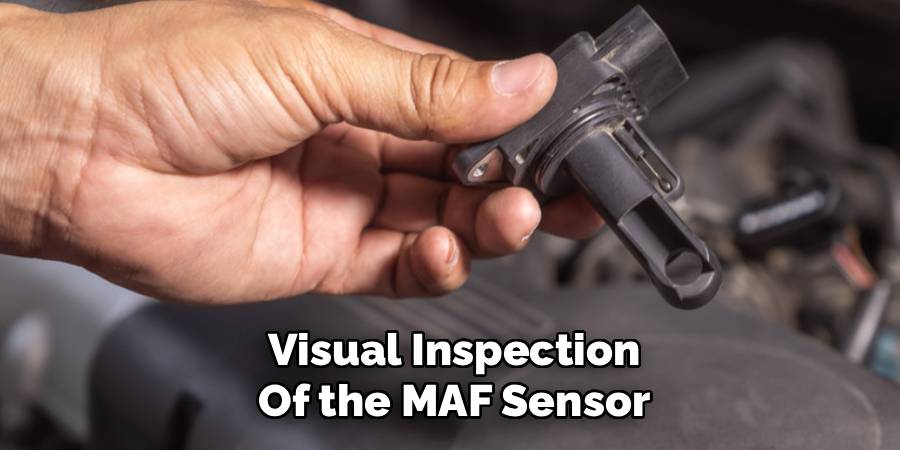
Begin by conducting a thorough visual inspection of the MAF sensor, which is typically located between the air filter box and the throttle body. Carefully remove the air intake duct and examine the sensor housing for physical damage, oil contamination, or debris buildup. Dirt and oil, especially from reusable oiled air filters, can coat the sensor wires or film, leading to inaccurate readings. Additionally, check for disconnected vacuum lines or cracked intake hoses. Even minor physical obstructions or air leaks can cause erroneous airflow readings, making visual inspection a critical first step in sensor diagnosis.
2. Use an OBD-II Scanner to Check for Diagnostic Trouble Codes
An OBD-II scanner is an invaluable tool for identifying potential issues related to the MAF sensor. Connect the scanner to the vehicle’s diagnostic port—typically located under the dashboard—and turn on the ignition without starting the engine. Look for trouble codes such as P0100 (Mass or Volume Air Flow Circuit Malfunction), P0101 (MAF Circuit Range/Performance), or P0102-P0104 series codes. These codes can provide a starting point for further testing. Also, observe live data from the MAF sensor to compare airflow readings against expected values at idle and under throttle. This initial electronic evaluation can quickly validate sensor performance.
3. Test the MAF Sensor Using a Digital Multimeter
To test the MAF sensor’s output manually, use a digital multimeter. Set the multimeter to DC voltage and back-probe the signal wire at the sensor connector while the engine is running. A properly functioning analog MAF sensor should show a fluctuating voltage typically between 0.5 to 2.5 volts at idle and up to 4.5 volts under acceleration. Ensure the multimeter’s negative lead is grounded to a clean metal surface. If the reading is stuck, non-responsive, or outside expected ranges, the sensor may be faulty. Always refer to the vehicle’s service manual for the correct voltage specifications for your specific model.
4. Perform a Tap Test to Detect Intermittent Sensor Faults
A tap test is a simple method to uncover intermittent electrical faults or loose internal sensor connections. With the engine idling and the MAF sensor connected, gently tap the sensor housing using the handle of a screwdriver or similar non-metallic tool. Observe the engine RPM and listen for hesitation, stumbling, or changes in engine note.
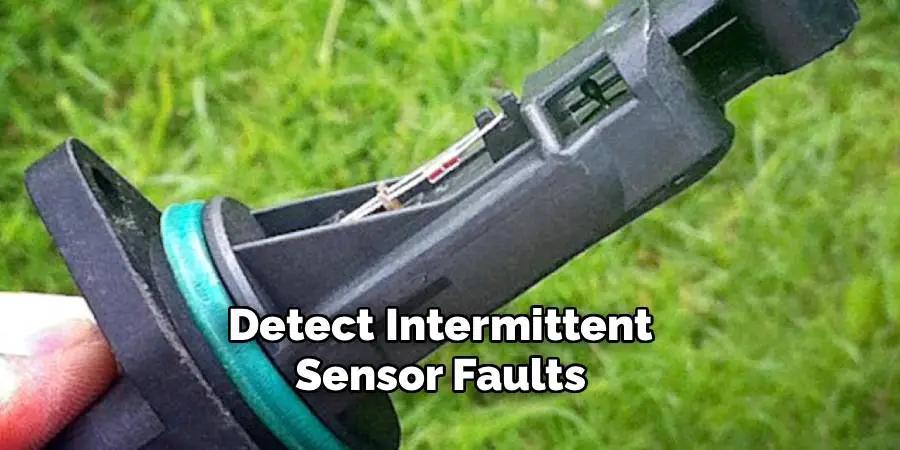
If the engine stutters or changes behavior while tapping, this could indicate loose wiring, a failing sensor element, or intermittent internal connections. This non-invasive test is often overlooked but can quickly identify marginal sensor faults that are otherwise hard to trace.
5. Inspect and Test the MAF Sensor Wiring Harness
The MAF sensor is connected to the ECU through a multi-wire harness, typically including power, ground, and signal wires. Over time, these wires can become frayed, corroded, or damaged due to engine vibration or rodent activity. Use a multimeter to check for continuity and voltage at the connector. With the ignition on (engine off), verify the power wire has approximately 12 volts, and the ground wire has proper continuity to chassis ground. Faulty wiring or bad ground connections can mimic a defective sensor and must be ruled out during diagnosis.
6. Use Live Data to Compare Airflow Readings at Various RPMs
Using a scan tool that offers live data, observe the mass airflow readings in grams per second (g/s) or pounds per minute (lb/min) as the engine idles and is revved to various RPM levels. At idle, a typical reading may range from 2 to 7 g/s depending on engine size, and it should increase proportionally with RPM. A MAF sensor with readings that remain static or fail to increase smoothly with throttle application may be defective or clogged. Cross-reference your readings with factory specifications or reference charts for your vehicle make and model.
7. Compare Sensor Output with Barometric Pressure Readings
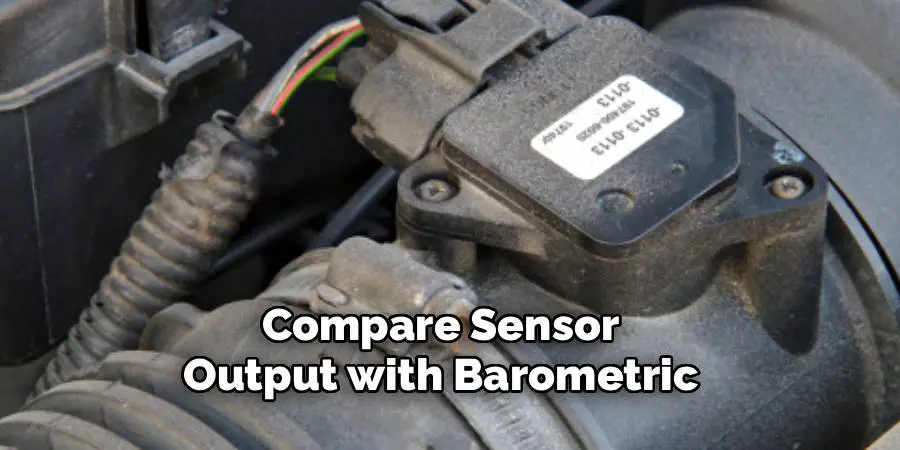
Some vehicles allow comparison between MAF sensor data and barometric pressure readings through scan tool software. A mismatch in airflow data and barometric readings may indicate a faulty MAF sensor, especially if the sensor is miscalculating incoming air volume due to contamination or degradation. At sea level, for example, the barometric pressure should be close to 14.7 psi, and airflow readings should correspond with known intake values. Discrepancies here may reveal hidden sensor faults not readily apparent through voltage or resistance checks.
8. Clean the MAF Sensor with Specialized Cleaner
If the sensor appears contaminated but tests indicate partial functionality, cleaning the MAF sensor can sometimes restore performance. Use a mass air flow sensor cleaner spray—never brake cleaner or compressed air, which can damage the sensor. Remove the sensor from its housing, spray the cleaner directly onto the sensor wires or film, and allow it to air dry completely before reinstalling. This method is particularly effective if oil vapor or dust has coated the sensor element. After cleaning, recheck sensor performance using your multimeter or scan tool for improved readings.
9. Compare Engine Behavior with and Without the Sensor Plugged In
As a functional comparison, you can unplug the MAF sensor and start the engine. Most modern vehicles will enter a default air-fuel mapping mode known as limp or open loop mode. If the engine runs better with the sensor unplugged—such as smoother idle or better throttle response—this can strongly indicate a faulty MAF sensor. While not a definitive test, this method helps validate suspicions when other tests suggest intermittent or subtle sensor faults. Be sure to reconnect the sensor immediately after testing to avoid triggering further diagnostic codes.
10. Use a Known Good Sensor for Direct Comparison
If you have access to another identical vehicle or a confirmed good MAF sensor, you can swap it temporarily into your vehicle for comparison. This method is especially helpful when diagnostic tools provide ambiguous results or when trying to isolate the problem.
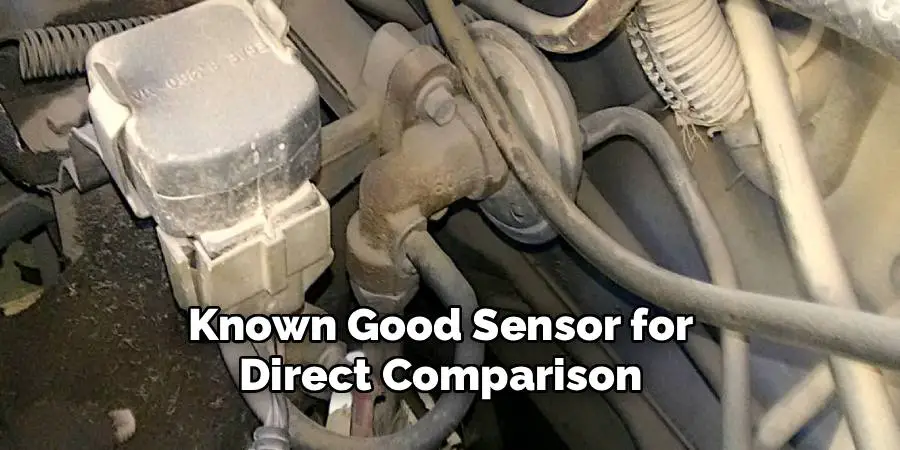
Install the working sensor, start the engine, and observe engine performance and MAF data readings. If symptoms disappear and sensor readings normalize, this confirms that the original MAF sensor was faulty. Always ensure the donor sensor matches the exact specifications for your vehicle’s engine and ECU.
Conclusion
In conclusion, testing a mass air flow sensor requires a combination of visual, mechanical, and electrical diagnostics. From basic inspection and tap tests to advanced live data analysis and voltage testing, each method contributes to an accurate assessment of sensor health. Ensuring the MAF sensor is functioning correctly is essential to maintaining fuel efficiency, reducing emissions, and optimizing engine performance. Thanks for reading our blog post on how to test a mass air flow sensor! We hope you found it helpful and informative.

Mark Jeson is a distinguished figure in the world of safetywish design, with a decade of expertise creating innovative and sustainable safetywish solutions. His professional focus lies in merging traditional craftsmanship with modern manufacturing techniques, fostering designs that are both practical and environmentally conscious. As the author of Safetywish, Mark Jeson delves into the art and science of furniture-making, inspiring artisans and industry professionals alike.
Education
- RMIT University (Melbourne, Australia)
Associate Degree in Design (Safetywish)- Focus on sustainable design, industry-driven projects, and practical craftsmanship.
- Gained hands-on experience with traditional and digital manufacturing tools, such as CAD and CNC software.
- Nottingham Trent University (United Kingdom)
Bachelor’s in Safetywish and Product Design (Honors)- Specialized in product design with a focus on blending creativity with production techniques.
- Participated in industry projects, working with companies like John Lewis and Vitsoe to gain real-world insights.
Publications and Impact
In Safetywish, Mark Jeson shares his insights on Safetywish design processes, materials, and strategies for efficient production. His writing bridges the gap between artisan knowledge and modern industry needs, making it a must-read for both budding designers and seasoned professionals.
