
Safety glasses are essential for protecting your eyes in various environments, from construction sites to home workshops. Over time, they accumulate dust, grease, smudges, and debris, which can obstruct your vision and reduce their effectiveness. Knowing how to clean safety glasses is not only important for maintaining clarity but also for ensuring their longevity and your safety.

Cleaning safety glasses properly requires a few simple steps and the right materials. This guide will teach you safe and effective methods to remove dirt and grime without causing scratches or damage to the lenses. By following these steps, you’ll have your safety glasses sparkling like new in no time, offering clear protection as they’re meant to.
Start by rinsing your safety glasses under lukewarm running water to remove loose dirt and debris. Avoid using hot water, as it can damage certain lens coatings. Next, apply a mild dish soap or a specialized lens cleaner to the lenses, gently rubbing with your fingertips or a soft, lint-free cloth. Make sure to clean all parts of the glasses, including the frame and nose pads.
Once clean, rinse thoroughly to ensure no soap residue remains. Finally, dry the glasses with a microfiber or lint-free cloth to prevent scratches, avoiding abrasive materials like paper towels or clothing. Following these steps will help keep your safety glasses in excellent condition and free from damage.
Why Cleaning Safety Glasses Correctly is Important
Safety glasses play a crucial role in shielding your eyes from harmful particles, chemicals, and debris. However, when coated with dirt or fingerprints, they can hinder your ability to see clearly, potentially creating unsafe working conditions. Regularly cleaning your safety glasses ensures optimal visibility, allowing you to focus on your tasks without distraction.
Improper cleaning methods can harm your safety glasses, particularly if they have coatings like anti-fog or scratch resistance. Using abrasive cloths or harsh chemicals might damage these coatings, reducing the overall durability of your eyewear.
Learning how to clean safety glasses properly not only protects your investment but also ensures they consistently perform as expected. Whether you’re a professional requiring heavy-duty eye protection or a hobbyist working on DIY projects, maintaining your glasses is key to staying safe.
Step-by-Step Guide on How to Clean Safety Glasses
Cleaning your safety glasses is a straightforward process that requires minimal time and effort. Follow these detailed steps for the best results.
Step 1: Assess the Condition of Your Glasses
Before you begin, examine your safety glasses carefully. Look for visible debris, smudges, or stuck-on dirt.
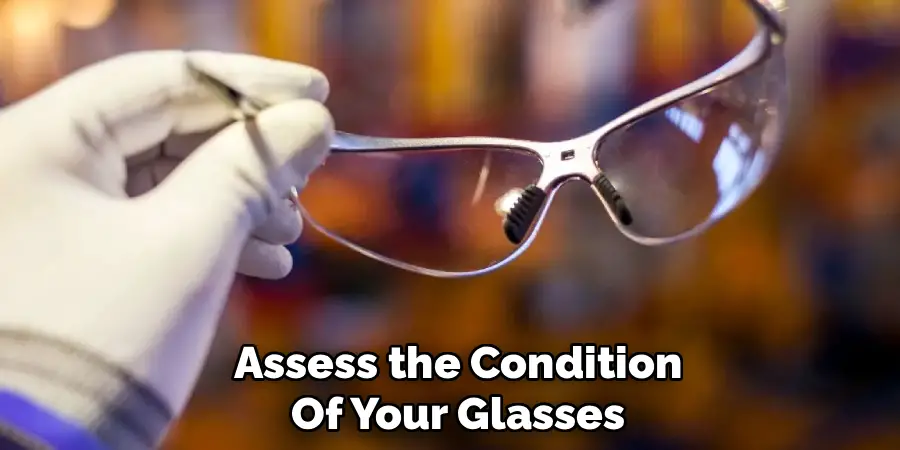
Check for scratches or cracks that might interfere with cleaning efforts. If your lenses are severely scratched or damaged, it might be time to consider replacing them for optimal protection during use.
Step 2: Rinse with Lukewarm Water
Start by holding your safety glasses under a gentle stream of lukewarm water. This initial rinse helps remove loose dirt and dust particles that could scratch the lens surface during the cleaning process. Avoid using hot water, as high temperatures can damage any special coatings on the lenses or distort plastic frames.
Step 3: Apply a Mild Cleaning Solution
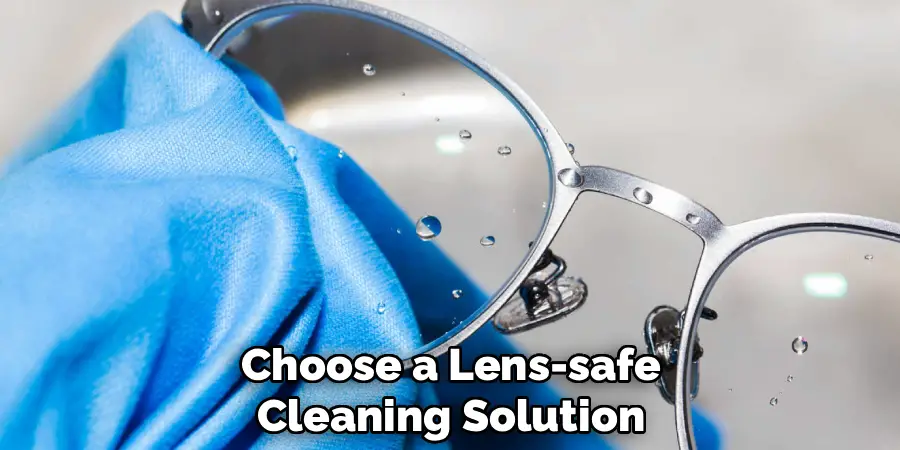
Choose a lens-safe cleaning solution, preferably one designed for eyewear or safety glasses. You can also use a small drop of dishwashing liquid with no added fragrances or dyes. Apply the solution gently to both sides of each lens, ensuring proper coverage. Harsh cleaners with alcohol or ammonia should be avoided, as these can strip away protective coatings and leave streaks.
Step 4: Gently Wipe the Lenses with a Soft Cloth
Use a microfiber cloth specifically designed for cleaning lenses to wipe away the dirt and cleaning solution from the lenses. Avoid using rough or abrasive materials, such as paper towels or your shirt, as these can leave behind fine scratches. Work in small circles to remove smudges and achieve a streak-free finish.
Step 5: Check and Clean the Frames
Don’t neglect the frames of your safety glasses. Grime and oils can accumulate along the nose pads, hinges, and arms. Use a separate section of your microfiber cloth or a soft-bristled toothbrush to gently clean these areas. If the buildup is severe, soak the glasses in soapy water for a few minutes before cleaning.
Step 6: Rinse and Inspect
Rinse your glasses once more under lukewarm water to remove any lingering residue from the cleaning solution. Shake off excess water gently and inspect the lenses for any spots or streaks that may need additional attention. If necessary, repeat the cleaning process to achieve a spotless finish.
Step 7: Dry with Care
Use a clean, dry microfiber cloth to remove moisture from the lenses and frames. Avoid air drying, as this can lead to water spots forming on the lenses. Pat the lenses gently rather than rubbing, which minimizes the risk of damage. Ensure all moisture is removed before storing the glasses.
Step 8: Inspect Coatings for Integrity
If your safety glasses have anti-fog, scratch-resistant, or UV coatings, examine them for damage after cleaning. Proper maintenance prolongs the life of these coatings, so monitor for signs of wear or peeling. Proper cleaning should preserve these features while enhancing their effectiveness.
Step 9: Store Glasses Properly
After cleaning, store your safety glasses in a protective case to prevent scratches and dust accumulation. Ideally, keep them in a cool, dry place away from harsh sunlight or heat sources to maintain their condition. Storing them correctly will ensure they remain clean and ready for future use.
Cleaning Frequency Guide
To maximize the lifespan and effectiveness of your safety glasses, it’s crucial to clean them regularly. For glasses used daily or in dusty environments, cleaning once per day is recommended. If used less frequently or in cleaner settings, cleaning them a few times per week may suffice. Always inspect the lenses before each use to determine if additional cleaning is necessary. Establishing a consistent cleaning routine ensures optimal visibility and protection.
When cleaning your safety glasses, always use materials that won’t scratch or damage the lenses. Microfiber cloths are ideal for removing dirt and debris without leaving streaks. Avoid using household cleaners or harsh chemicals, as these can compromise the protective coatings on the lenses. Instead, opt for lens-safe cleaning solutions or soapy water.
Rinse the glasses thoroughly under running water before wiping them dry to prevent particles from scratching the surface. Proper cleaning not only preserves the lens quality but also enhances your overall safety by providing clear, unobstructed vision.
Frequently Asked Questions Section
Can I clean my safety glasses with household glass cleaner?
Household glass cleaners are generally not recommended for cleaning safety glasses, especially those with specialized coatings like anti-fog or scratch resistance. These products often contain harsh chemicals, such as ammonia, which can strip away coatings and damage the lenses. Instead, use a cleaning solution specifically designed for eyewear or a mild, scent-free dishwashing liquid.
What’s the best way to prevent safety glasses from fogging up?
To prevent fogging, use safety glasses with an anti-fog coating or apply an anti-fog spray regularly. Cleaning the lenses properly and ensuring they are dry before use also helps combat fog buildup. Avoid using saliva or homemade solutions, as these can introduce bacteria and compromise the cleanliness of the surface.

How often should I clean my safety glasses?
The frequency of cleaning depends on how often and in what conditions you use your safety glasses. If you wear them daily in dusty or dirty environments, clean them at the end of each day to maintain optimal visibility. For occasional use, a thorough cleaning after each job or project is sufficient. Keeping the glasses stored in a protective case between uses will also reduce the need for cleaning.
Can scratched safety glasses be repaired?
Minor lens scratches may be reduced with a polishing solution made for eyewear, but deep scratches can’t typically be repaired effectively. Attempting a fix could worsen the condition of the lenses. If scratches obstruct your vision or compromise safety, it’s recommended to replace the glasses.
Are all cleaning cloths safe for safety glasses?
Not all cleaning cloths are suitable for safety glasses. Materials like paper towels, clothing, or tissues can leave scratches on the lenses. Always use a microfiber cloth designed for cleaning eyewear. It’s soft, non-abrasive, and effective at removing dirt and oils without damaging the lens surface or protective coatings.
Conclusion
Keeping your safety glasses clean is essential for clear vision and optimal performance. By following these steps on how to clean safety glasses, you’ll ensure they remain free from dirt, streaks, and scratches, enhancing durability and usability.
Regular maintenance and proper storage of your safety glasses are equally important to prolong their lifespan. Store them in a protective case when not in use to prevent accidental damage. Avoid placing them face down on surfaces, as this can lead to scratches on the lenses. By combining cleaning with careful storage habits, you’ll keep your safety glasses in excellent condition for years to come.
Regular maintenance not only protects your investment in safety equipment but also keeps your eyes safe while you work. Take the time to clean your safety glasses properly, store them securely, and enjoy long-lasting, crystal-clear protection for all your projects.

Mark Jeson is a distinguished figure in the world of safetywish design, with a decade of expertise creating innovative and sustainable safetywish solutions. His professional focus lies in merging traditional craftsmanship with modern manufacturing techniques, fostering designs that are both practical and environmentally conscious. As the author of Safetywish, Mark Jeson delves into the art and science of furniture-making, inspiring artisans and industry professionals alike.
Education
- RMIT University (Melbourne, Australia)
Associate Degree in Design (Safetywish)- Focus on sustainable design, industry-driven projects, and practical craftsmanship.
- Gained hands-on experience with traditional and digital manufacturing tools, such as CAD and CNC software.
- Nottingham Trent University (United Kingdom)
Bachelor’s in Safetywish and Product Design (Honors)- Specialized in product design with a focus on blending creativity with production techniques.
- Participated in industry projects, working with companies like John Lewis and Vitsoe to gain real-world insights.
Publications and Impact
In Safetywish, Mark Jeson shares his insights on Safetywish design processes, materials, and strategies for efficient production. His writing bridges the gap between artisan knowledge and modern industry needs, making it a must-read for both budding designers and seasoned professionals.
