
Keeping your safety glasses in top condition is essential for both visibility and protection. Whether you’re a seasoned professional on a job site or a weekend warrior tackling a home project, smudges, dust, and grime can obscure your vision and compromise your safety. Foggy or scratched lenses are not just an annoyance; they can lead to accidents.

Understanding the correct method for how to clean safety glasses ensures they remain effective and last longer. This guide will walk you through the simple, effective steps to maintain your protective eyewear, ensuring you always have a clear and safe view of the task at hand. It’s a fundamental skill that protects your investment and, more importantly, your eyes.
Preparation Before Cleaning
Before you start cleaning your safety glasses, it’s essential to prepare properly. You’ll need some basic supplies, which include:
- Microfiber cloth or lens cleaning wipes: These are the best options for cleaning safety glasses as they won’t leave any lint or scratches on the lenses.
- Gentle soap or specially designed lens cleaner: Avoid using harsh chemicals, such as ammonia-based cleaners, which can damage the protective coating on your lenses.
- Clean water: Make sure the water is free of dirt and debris to avoid scratching the lenses.
Step-by-Step Guide on How to Clean Safety Glasses
Follow these detailed steps to ensure your safety glasses are cleaned effectively without causing damage to the lenses or coatings.
Step 1: Rinse with Lukewarm Water
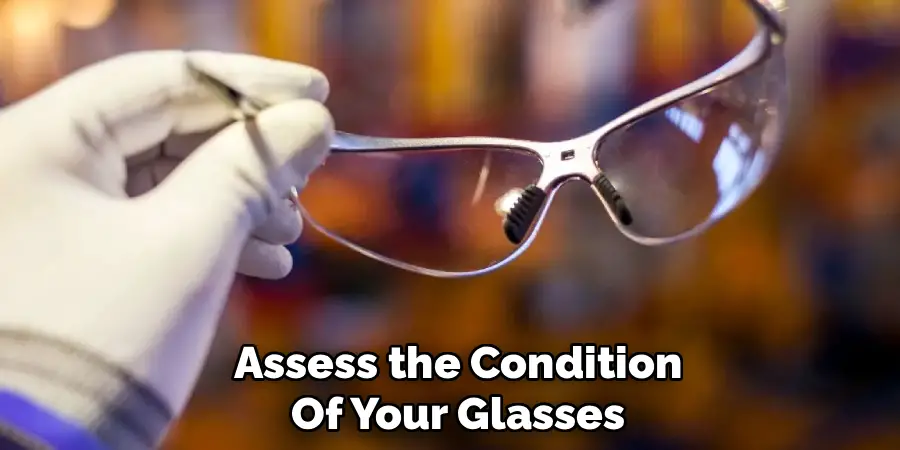
Begin the cleaning process by holding your safety glasses under a gentle stream of lukewarm tap water. This initial rinse is crucial for removing loose dust, grit, and larger debris from the lens surface. Skipping this step and moving directly to wiping can grind these particles into the lens, causing permanent scratches. Make sure to rinse both the inside and outside of the lenses thoroughly. The water should not be hot, as extreme temperatures can potentially damage anti-fog or anti-scratch coatings that are common on modern safety eyewear. This simple action prepares the glasses for a deeper, safer clean.
Step 2: Apply a Small Amount of Dish Soap
Once the glasses are thoroughly rinsed, apply a single drop of lotion-free dish soap to each lens. It is vital to use a mild soap that does not contain abrasive additives, moisturizers, or harsh chemicals. Soaps with lotions or creams can leave behind a greasy film that is difficult to remove and will smudge easily, defeating the purpose of cleaning. Gently rub the soap across the entire surface of both lenses with your fingertips. Your fingers are soft enough not to scratch the lenses while effectively distributing the soap to break down oils, grease, and stubborn smudges.
Step 3: Gently Lather the Entire Frame
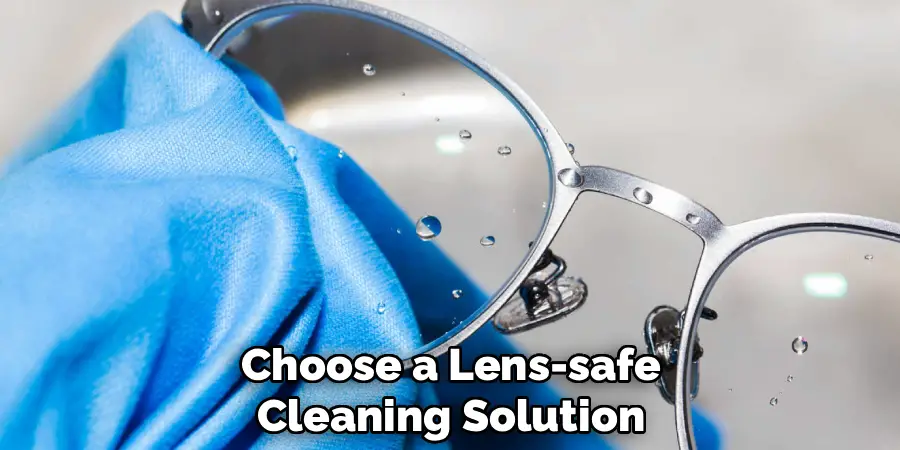
Don’t forget to clean the frame, nose pieces, and earpieces. These areas accumulate sweat, skin oils, and dirt, which can lead to skin irritation and cause the glasses to slip. Using the lather from the dish soap, gently rub all parts of the frame with your fingers. Pay special attention to the nose pads and the ends of the temple arms where they rest behind your ears, as these are high-contact areas. A thorough cleaning of the frame not only improves hygiene but also helps maintain the comfort and fit of your safety glasses, ensuring they stay securely in place while you work.
Step 4: Rinse Thoroughly Again
After lathering the lenses and frame, it’s time to rinse everything completely. Place the safety glasses back under a gentle stream of lukewarm water. It is very important to wash away all traces of the soap. Any leftover soap residue will dry into a hazy film, streaking the lenses and impairing your vision. Tilt the glasses at different angles under the water to ensure the stream reaches every corner, including the crevices around the nose pads and where the lenses meet the frame. A comprehensive rinse ensures you are left with nothing but a crystal-clear surface.
Step 5: Shake Off Excess Water
After the final rinse, gently shake the safety glasses to remove most of the water droplets from the lenses and frame. This action minimizes the amount of wiping you’ll need to do in the next step, which in turn reduces the risk of scratching. A few careful shakes are sufficient. Avoid any violent or forceful shaking that could cause you to drop and damage the glasses. This simple step makes the drying process quicker and safer for the delicate lens coatings, contributing to the overall process of how to clean safety glasses effectively.
Step 6: Drying with a Microfiber Cloth
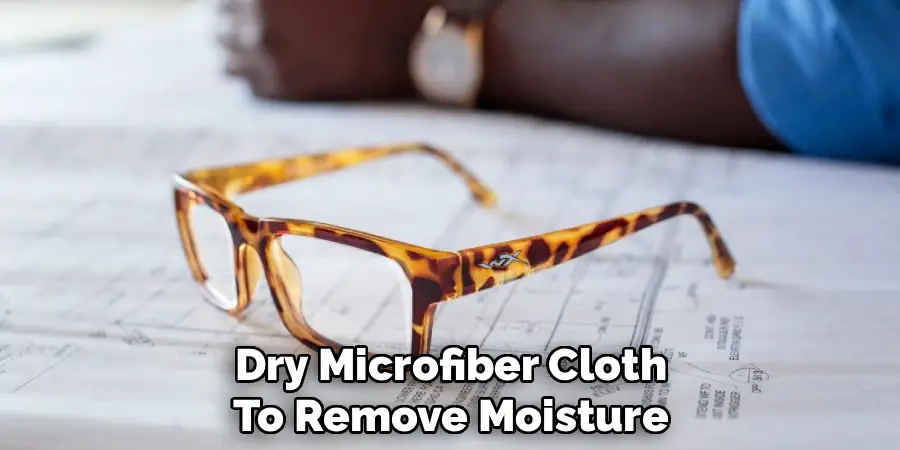
For the final and most critical drying step, use a clean, dry microfiber cloth. Microfiber is specifically designed to be ultra-soft and absorbent, making it ideal for wiping lenses without leaving lint or causing scratches. Gently blot the lenses first to absorb the remaining water droplets, then lightly wipe them in a circular motion until they are completely dry. Never use paper towels, napkins, your shirt, or any other type of cloth, as their abrasive fibers can easily scratch the lenses and their protective coatings. Always ensure your microfiber cloth is clean before use, as a dirty cloth can reintroduce debris.
Step 7: Inspect Your Work
Hold your cleaned safety glasses up to a light source and inspect them from various angles. Look for any remaining smudges, streaks, or water spots. If you see any imperfections, you can gently buff them out with your clean microfiber cloth. Once you are satisfied that the glasses are perfectly clean, store them properly. The best place is a protective case or a microfiber pouch. This prevents them from getting scratched, collecting dust, or being damaged when not in use. Proper storage is the final piece of the puzzle, ensuring your glasses are ready and clear for their next use.
Common Eyewear Cleaning Mistakes
When it comes to maintaining your glasses, avoiding common cleaning mistakes is just as important as following the proper steps. One frequent error is cleaning glasses with tissues, paper towels, or clothing. These materials may seem harmless, but they can leave behind lint or even create tiny scratches on the lenses.
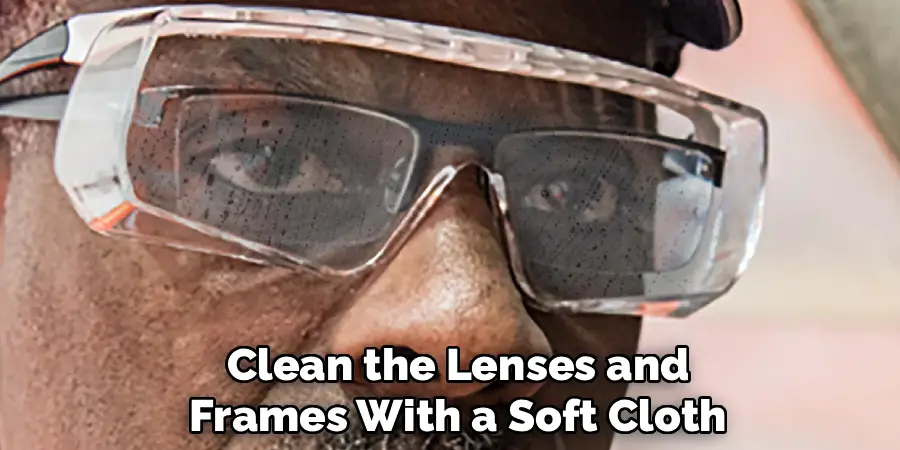
Another mistake is using household cleaners like window sprays or bleach-based solutions. While these may seem effective, they often contain chemicals that can damage lens coatings. Additionally, rinsing glasses with hot water is a misstep, as the high temperature can warp the frames or affect certain coatings. Finally, neglecting to clean the nose pads and frames is an oversight that can lead to the buildup of dirt and oils, potentially causing skin irritation. By steering clear of these mistakes, you can preserve the clarity and longevity of your eyewear.
Frequently Asked Questions
Can I Use Windex or Other Glass Cleaners on My Safety Glasses?
No, you should never use Windex or other household glass cleaners on your safety glasses. These products often contain harsh chemicals like ammonia, which can strip away the specialized anti-fog and anti-scratch coatings on the lenses. Over time, this damage will ruin the lenses and reduce their effectiveness.
Is It Okay to Use My Shirt to Wipe My Safety Glasses?
Using your shirt to wipe your safety glasses is a common habit, but it’s one you should avoid. The fabric of most clothing, even if it feels soft, contains abrasive fibers that can cause micro-scratches on the lens surface. Additionally, your shirt likely has dust, dirt, or other particles trapped in its fibers that will be rubbed directly onto the lenses.
How Often Should I Clean My Safety Glasses?
The frequency of cleaning depends entirely on your work environment and how quickly your glasses become dirty. For best practice and maximum safety, it’s a good idea to clean them daily before you start work. If you are in a particularly dusty or dirty environment, you may need to clean them multiple times throughout the day.
- Daily Use: Clean at the beginning of each day.
- Heavy Debris: Clean whenever visibility becomes obstructed.
- Oily Environments: Clean as soon as smudges appear.
A clear line of sight is crucial for safety, so clean them as often as needed.
Can I Use Alcohol Wipes on My Safety Glasses?
Using alcohol-based wipes or solutions is generally not recommended for cleaning safety glasses. While alcohol is an effective disinfectant, it can be too harsh for the delicate coatings on many types of lenses. Similar to ammonia-based cleaners, alcohol can degrade or strip away anti-fog and anti-scratch layers, permanently damaging your eyewear.
What Is the Best Way to Prevent Fogging?
Preventing fogging is a common challenge. The best defense is to purchase safety glasses that come with a factory-applied anti-fog coating. If your glasses still fog up, you can try a few things. First, ensure they fit properly, as good airflow can reduce moisture buildup. Second, you can use commercially available anti-fog sprays or wipes that are specifically made for eyewear.
Conclusion
Mastering the proper technique for cleaning your safety glasses is a simple yet powerful way to protect your vision and extend the life of your gear. By following these steps—rinsing with water, using mild soap, and drying with a microfiber cloth—you avoid the common pitfalls that lead to scratched and damaged lenses.
A few minutes of proper care ensures that your protective eyewear remains a reliable tool, providing a crystal-clear and unobstructed view of your work. Now that you know how to clean safety glasses correctly, you can confidently maintain your equipment, ensuring it’s always ready to keep you safe on the job.

Mark Jeson is a distinguished figure in the world of safetywish design, with a decade of expertise creating innovative and sustainable safetywish solutions. His professional focus lies in merging traditional craftsmanship with modern manufacturing techniques, fostering designs that are both practical and environmentally conscious. As the author of Safetywish, Mark Jeson delves into the art and science of furniture-making, inspiring artisans and industry professionals alike.
Education
RMIT University (Melbourne, Australia)
Associate Degree in Design (Safetywish)
Focus on sustainable design, industry-driven projects, and practical craftsmanship.
Gained hands-on experience with traditional and digital manufacturing tools, such as CAD and CNC software.
Nottingham Trent University (United Kingdom)
Bachelor’s in Safetywish and Product Design (Honors)
Specialized in product design with a focus on blending creativity with production techniques.
Participated in industry projects, working with companies like John Lewis and Vitsoe to gain real-world insights.
Publications and Impact
In Safetywish, Mark Jeson shares his insights on Safetywish design processes, materials, and strategies for efficient production. His writing bridges the gap between artisan knowledge and modern industry needs, making it a must-read for both budding designers and seasoned professionals.
