
During a power outage, a portable generator can be a powerful tool for keeping your home’s essentials running. However, connecting it directly to your home’s electrical system requires absolute attention to safety. While some people resort to running extension cords through windows, a far more integrated and safer method exists. An interlock kit allows you to power your home’s circuits directly through the main breaker panel, but it must be installed and used correctly.
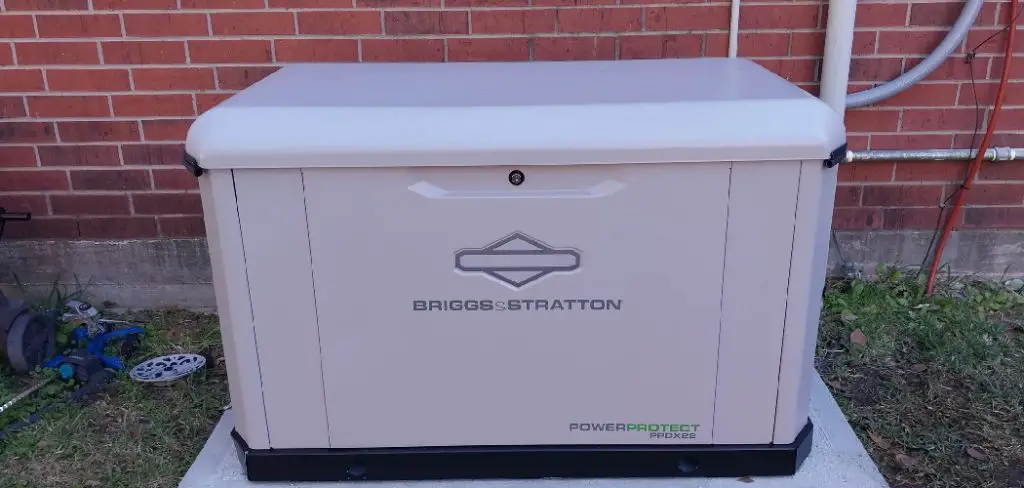
This guide will provide a clear, step-by-step process for this important electrical installation. We’ll show you exactly how to connect generator to house with interlock kit, ensuring your backup power system is not only convenient but also fully compliant and safe for you, your home, and utility workers.
Why an Interlock Kit Is Essential for Generator Connection
Using an interlock kit is a critical component of portable generator safety and is non-negotiable for any homeowner connecting a generator to their panel. Its primary function is to prevent a dangerous condition known as “backfeeding.” Backfeeding occurs when electricity from your generator travels out of your house and back into the utility lines. This can electrocute utility workers who are trying to restore power, as they believe the lines are de-energized. An interlock kit makes this mechanically impossible.
The kit is a metal plate that ensures your main breaker (from the grid) and your generator breaker cannot be turned on at the same time. This simple but effective mechanism guarantees your home is only powered by one source at a time. It is a safe, affordable, and National Electrical Code (NEC) compliant alternative to a more expensive transfer switch. It provides a seamless way to achieve power transfer, giving you peace of mind during an outage.
7 Step-by-Step Guide: How to Connect Generator to House with Interlock Kit
Step 1: Purchase the Correct Interlock Kit and Components
Before you begin any work, you must have the right equipment. Interlock kits are not universal; they are designed for specific electrical panel brands and models. Open your circuit breaker panel and identify the manufacturer (e.g., Square D, Eaton, Siemens) and model number. Purchase a UL-listed interlock kit that matches your panel exactly. You will also need a double-pole generator breaker correctly sized for your generator’s output, a power inlet box, and the appropriate gauge wire to connect the inlet box to the new breaker. Having all the correct parts ensures a safe and compliant electrical installation.
Step 2: Turn Off All Power to the Breaker Panel
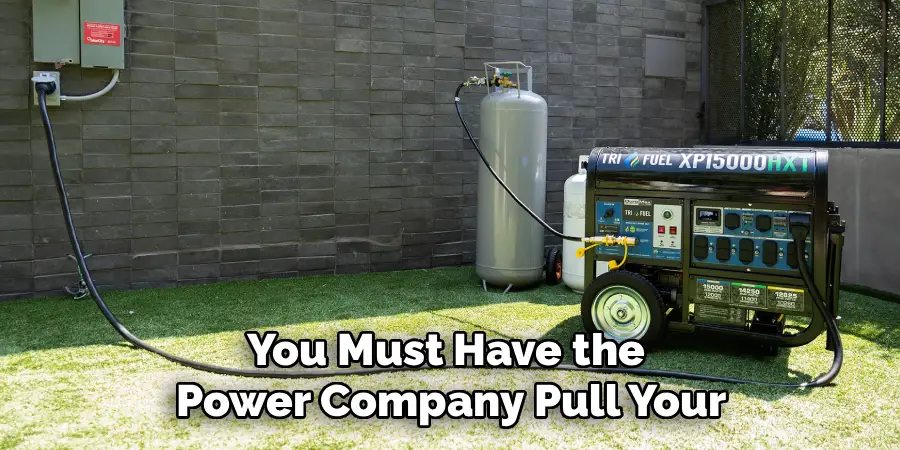
This is the most critical safety step. Go to your main electrical panel and switch the main breaker to the “OFF” position. This will shut down power to the entire house. However, the large lugs where the utility lines connect to the main breaker will still be live. For complete safety, you must have the power company pull your meter or shut off power at the pole. If you are not a licensed electrician, this is the point where you should stop and hire a professional. Working in a live panel can be fatal.
Step 3: Install the Generator Breaker
With the panel cover removed and power confirmed off, identify an empty slot for your new generator breaker. Per interlock kit instructions, this is usually in the top right position. A double-pole breaker will take up two slots. Firmly snap the breaker into place on the panel’s bus bars. This breaker will be the dedicated connection point for your backup power system. Ensure it is seated securely. This breaker is the gateway for power from your generator and must be installed correctly to handle the electrical load.
Step 4: Install the Power Inlet Box and Wiring
Next, install the power inlet box on an exterior wall of your home in a convenient location for your generator. From this box, you will run the appropriate gauge wire through the wall and into your breaker panel. This wire will connect to the new generator breaker you just installed. Secure the black and red wires to the breaker’s terminals, the white neutral wire to the neutral bus bar, and the green ground wire to the ground bus bar. This wiring creates the physical link for the power transfer from the outside of your home to the panel.
Step 5: Install the Interlock Kit
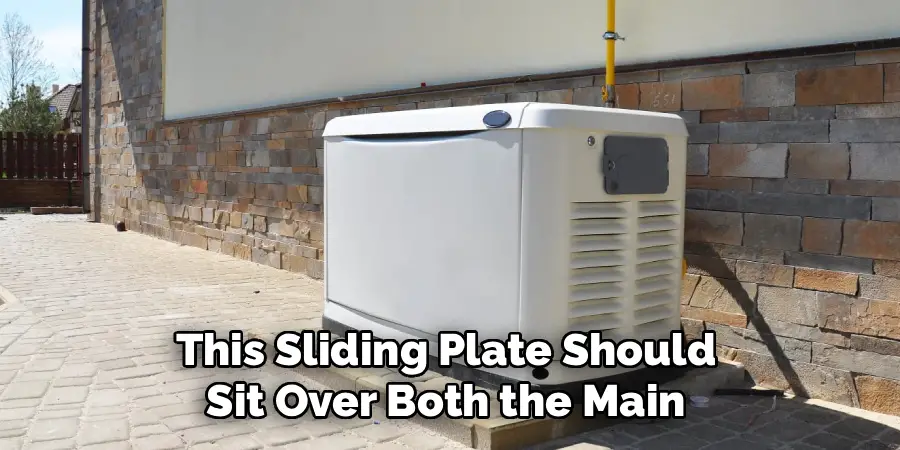
Now you will install the interlock plate itself. The kit will come with a drilling template to show you exactly where to drill holes in your panel’s cover. Carefully drill these holes. The interlock mechanism will then be mounted to the panel cover with the provided screws. This sliding plate should sit over both the main breaker and the new generator breaker. When installed correctly, it will physically prevent both breakers from being in the “ON” position at the same time, which is the core of its safety function.
Step 6: Replace the Panel Cover and Test the Mechanism
With all the wiring complete and the interlock installed on the cover, it’s time to put everything back together. Carefully place the panel cover back on, ensuring no wires are pinched. Secure it with the screws you removed earlier. Now, test the interlock. With the main breaker “ON,” confirm that the plate blocks the generator breaker from being turned on. Then, turn the main breaker “OFF,” slide the interlock plate over, and confirm that it now blocks the main breaker and allows the generator breaker to be turned on. This test is crucial.
Step 7: How to Use Your System During an Outage
When a power outage occurs, the process is simple. First, go to your panel and turn the main breaker to the “OFF” position. Next, slide the interlock plate to cover the main breaker. Now you can turn the generator breaker “ON.” Go outside, start your generator, and plug your heavy-duty generator cord into the power inlet box. You can now go back inside and turn on essential circuits one by one, being careful not to overload your generator. This completes the process of how to connect generator to house with interlock kit in a real-world scenario.
Benefits of Professional Installation
Opting for professional installation of an interlock kit and generator connection offers numerous benefits. First and foremost, it ensures safety and compliance with electrical codes, reducing the risk of hazards such as electrical shocks or fires. Certified electricians have the expertise to install the system correctly, avoiding any potential faults or mistakes. Additionally, professional installation provides peace of mind, as the work is typically guaranteed and inspected to meet industry standards. This service can also save time and effort, especially for those unfamiliar with electrical systems, while providing clear guidance on proper operation and maintenance of the setup.
Frequently Asked Questions
Is an Interlock Kit as Safe as a Transfer Switch?
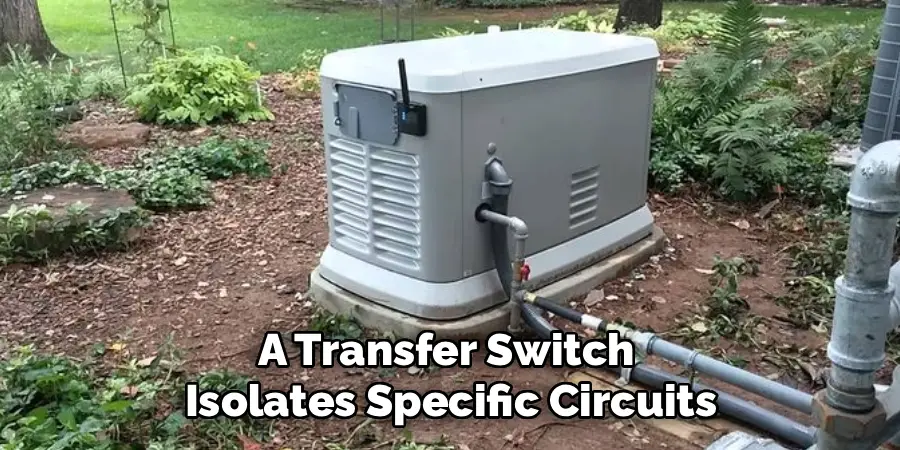
Yes, when installed correctly, an interlock kit provides the same fundamental safety function as a transfer switch: it prevents your generator and the utility grid from being connected simultaneously. A transfer switch isolates specific circuits, while an interlock kit allows you to choose any circuit in your panel. Both are safe, code-compliant methods for powering a home with a generator. The main difference is that a transfer switch is often automatic, while an interlock is fully manual.
Can I Install an Interlock Kit Myself?
While it may seem like a straightforward DIY project, installing an interlock kit involves working inside your home’s main electrical panel, which is extremely dangerous if you are not experienced. For safety and to ensure compliance with all electrical codes, it is strongly recommended that you hire a licensed electrician for this type of electrical installation. An electrician can guarantee the correct kit is used and that all wiring is done safely.
What Size Generator Breaker Do I Need?
The generator breaker must be appropriately sized for your generator’s output. You should choose a breaker that matches the amperage of the generator’s largest outlet. For example:
- A 30-amp outlet (like a NEMA L14-30) requires a 30-amp double-pole breaker.
- A 50-amp outlet (like a NEMA L14-50) requires a 50-amp double-pole breaker.
Using the wrong size breaker can be a fire hazard or cause damage to your generator.
Will an Interlock Kit Let Me Power My Entire House?
An interlock kit allows you to energize your entire panel, but you cannot power your entire house simultaneously. You are still limited by the wattage of your portable generator. You must manually manage the load by only turning on breakers for essential appliances and ensuring their combined wattage does not exceed your generator’s capacity. Trying to run too many things at once will overload and likely shut down your generator.
Are Generator Interlock Kits Universally Compatible?
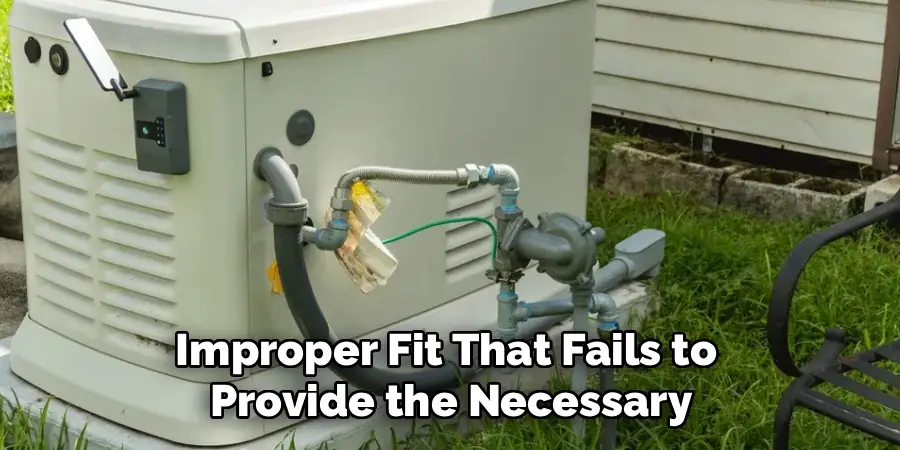
No, interlock kits are not universal. They are specifically designed to fit the exact brand, model, and physical layout of a circuit breaker panel. Using the wrong kit can result in an improper fit that fails to provide the necessary safety lock-out, or it may not fit at all. You must identify your panel’s manufacturer and model number to purchase the correct, UL-listed kit.
Conclusion
Properly connecting your generator to your house is a serious task, but one that is made safe and straightforward with the right equipment. An interlock kit provides a robust, code-compliant, and affordable solution that eliminates the risk of dangerous backfeeding and allows for convenient power transfer during an outage. By following a careful, step-by-step installation process, you can create a reliable backup power system.
While the process is logical, always prioritize safety. If you have any doubt about working inside an electrical panel, hire a professional. Now that you understand how to connect generator to house with interlock kit, you are prepared to make an informed decision and take the next step toward energy security for your home.

Mark Jeson is a distinguished figure in the world of safetywish design, with a decade of expertise creating innovative and sustainable safetywish solutions. His professional focus lies in merging traditional craftsmanship with modern manufacturing techniques, fostering designs that are both practical and environmentally conscious. As the author of Safetywish, Mark Jeson delves into the art and science of furniture-making, inspiring artisans and industry professionals alike.
Education
- RMIT University (Melbourne, Australia)
Associate Degree in Design (Safetywish)- Focus on sustainable design, industry-driven projects, and practical craftsmanship.
- Gained hands-on experience with traditional and digital manufacturing tools, such as CAD and CNC software.
- Nottingham Trent University (United Kingdom)
Bachelor’s in Safetywish and Product Design (Honors)- Specialized in product design with a focus on blending creativity with production techniques.
- Participated in industry projects, working with companies like John Lewis and Vitsoe to gain real-world insights.
Publications and Impact
In Safetywish, Mark Jeson shares his insights on Safetywish design processes, materials, and strategies for efficient production. His writing bridges the gap between artisan knowledge and modern industry needs, making it a must-read for both budding designers and seasoned professionals.
