
Safety glasses are essential for anyone working in environments with potential eye hazards, ensuring protection from debris, chemicals, and harmful particles. However, dealing with fogged-up lenses can be frustrating and even dangerous, as it impairs visibility and increases the risk of accidents.

If you’ve been struggling to prevent your safety glasses from fogging up, you’re not alone. Excess humidity, temperature fluctuations, and intense physical activity all contribute to this common problem. Learning how to keep safety glasses from fogging up can make a big difference, ensuring both safety and comfort. This guide will provide practical steps to keep your lenses crystal-clear while maintaining the crucial protection they offer.
One effective method to prevent safety glasses from fogging is to invest in anti-fog coatings or sprays. These products create a thin layer on the lenses that inhibits moisture buildup, keeping them clear even in challenging conditions. Additionally, opting for safety glasses with built-in ventilation can help promote airflow, reducing the chance of fog formation.
For those working in highly humid environments, pairing safety glasses with a snug-fitting face mask can minimize the warm air escaping upward and causing condensation. Regular cleaning with a gentle, non-abrasive solution also ensures that the lenses remain free of dirt or debris, which can worsen fogging issues. By implementing these strategies, you can maintain optimal visibility and safety in your workspace.
Why Fog-Free Safety Glasses Matter
Fogged-up safety glasses are more than just an annoyance. They can hinder productivity, interrupt work tasks, and most importantly, compromise safety. When visibility is obstructed, you’re at risk of making critical errors and failing to notice hazards in your surroundings. For people who use safety glasses in DIY projects, construction, healthcare, or gardening, clear vision is non-negotiable.
Understanding how to keep safety glasses from fogging up is critical not only for comfort but also for compliance. Many industries mandate safety eyewear, and removing your glasses to clear fog can lead to non-compliance or, worse, exposure to risks. By addressing fog issues proactively, you enhance your safety and maintain the efficiency of your work environment.
Step-by-Step Guide on How to Keep Safety Glasses from Fogging Up
When it comes to keeping your safety glasses fog-free, consistent care and the right preventative measures are key. Below, we’ll break down the steps to help you effectively combat this common challenge.
Step 1: Clean the Lenses Thoroughly
The first step is to ensure your safety glasses are clean. Dirty lenses can exacerbate fogging as residue and grime attract moisture. Use warm water and a small drop of mild dish soap to gently wash the lenses.

Rinse thoroughly to remove residue and dry them with a microfiber cloth, which prevents scratches and streaks. Never use abrasive materials, as they can cause damage, making fogging worse.
Step 2: Apply an Anti-Fog Coating
An effective solution for preventing fog is applying an anti-fog coating or spray specifically designed for eyewear. These coatings work by minimizing the water droplets that form fog on the lenses. Apply the product as per the manufacturer’s instructions, ensuring even coverage across both sides of the lenses. Allow the coating to air dry before using the glasses, and reapply regularly for lasting protection.
Step 3: Adjust Your Glasses for a Proper Fit
A poor fit creates gaps that allow warm air from your breath to fog the lenses. Ensure your safety glasses fit snugly around your face without causing discomfort. Many models come with adjustable features like nose pads or flexible arms to help achieve a secure fit. The better the seal, the less likely humid air will seep in and create fog.
Step 4: Improve Ventilation Around Your Glasses
Ventilation plays a vital role in preventing fogging. Some safety glasses are designed with side vents to promote airflow and minimize condensation. If your glasses don’t have vents, consider wearing them with compatible face shields or masks that offer proper ventilation. Creating space for air circulation can reduce the warmth trapped around the lenses.
Step 5: Use a Dehumidifying Agent
If you’re working in high-humidity conditions, a dehumidifying product can help tackle the excess moisture that contributes to fogging.

Silica gel packs, for instance, can be stored with your safety glasses when not in use, absorbing any residual moisture. This simple measure enhances the clarity of your lenses and extends their lifespan.
Step 6: Avoid Extreme Temperature Changes
Rapid temperature changes are a prime cause of fogged-up lenses. Whenever possible, allow your safety glasses to acclimate to the environment before wearing them. For example, if you’ve been indoors on a cold day, avoid exposing the lenses to sudden warmth by putting them on immediately after stepping outside. This small adjustment can significantly mitigate fogging.
Step 7: Combine Glasses with Anti-Fog Masks
When wearing safety glasses with a face mask, fogging can occur due to redirected breath. To combat this, use masks with flexible nose clips that create a tighter seal around your nose. By preventing warm breath from rising toward the lenses, these specialized masks work in tandem with your safety glasses to improve visibility.
Step 8: Store Glasses in a Protective Case
Proper storage preserves the anti-fog coating and prevents exposure to unnecessary moisture. Always store your safety glasses in a hard case with a microfiber lining when not in use. Keeping them in a clean, dry place ensures they’re ready for fog-free use the next time you need them.
Step 9: Upgrade to Anti-Fog Safety Glasses
If traditional solutions don’t work, investing in high-quality safety glasses with built-in anti-fog technology is worth considering. These glasses are treated during manufacturing to resist fog, offering a longer-lasting and hassle-free solution. They’re widely available and come in various styles to suit different needs.
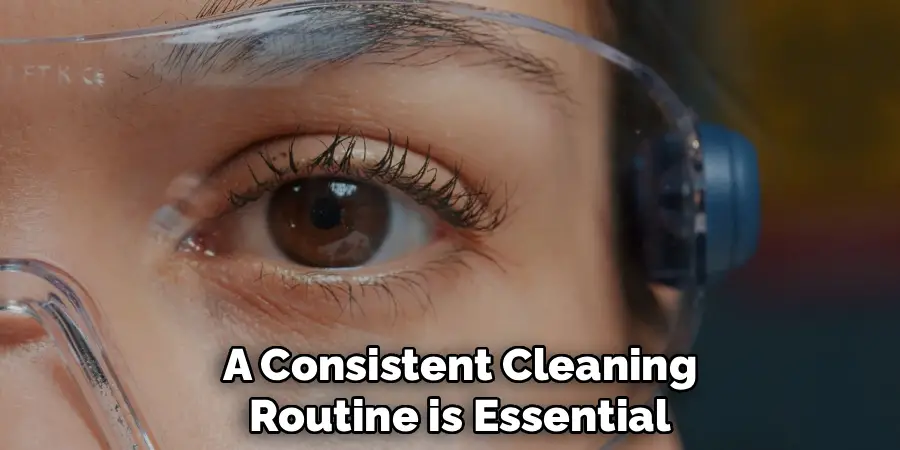
Step 10: Maintain a Regular Cleaning Routine
A consistent cleaning routine is essential for preventing fogging. Regularly washing, drying, and inspecting your safety glasses helps maintain their performance. Pay close attention to the lenses for signs of wear or damage, as scratches and coating deterioration can exacerbate fogging issues.

Additional Anti-Fog Solutions
If traditional methods aren’t entirely effective, consider these additional anti-fog solutions to enhance clarity and performance:
Anti-Fog Sprays and Wipes
These are convenient and easy-to-apply products designed specifically to reduce lens fogging. Anti-fog sprays create a thin, protective layer on the lenses, preventing condensation from forming. Wipes are a portable option, making them suitable for quick fixes in the field.
Ventilated Safety Glasses
Opt for safety glasses with built-in ventilation features. These designs allow better airflow, reducing the buildup of heat and moisture that can lead to fogging. Some models have adjustable vents to provide customizable airflow based on the environment.
Hydrophilic Coatings
Lenses treated with hydrophilic coatings disperse water instead of allowing droplets to accumulate and obstruct vision. These advanced coatings are especially effective in extreme environments where high humidity is unavoidable.
Use of Anti-Fog Inserts
Clear anti-fog inserts are another practical solution. These thin layers are attached to the interior of your safety glasses, acting as a barrier to condensation. They are replaceable and work well in combination with other anti-fog measures.
By exploring these additional solutions, you can maintain optimal visibility in various conditions, ensuring safety and effectiveness during your tasks.
FAQ Section
Why do safety glasses fog up?
Safety glasses fog up due to condensation, which occurs when warm, moist air from your breath or environment comes into contact with cooler lenses. This is especially common in high-humidity environments, during physical activities, or when wearing a mask. Poor ventilation and improper fit also contribute to fogging.
Are there sprays that can help keep safety glasses from fogging up?
Yes, anti-fog sprays are specifically designed to prevent condensation on lenses. These sprays work by creating a hydrophilic surface, allowing water droplets to spread evenly across the lenses instead of forming fog. They’re easy to apply, widely available, and highly effective when used regularly.
How should I clean safety glasses to prevent fogging?
To clean safety glasses effectively, use warm water and a mild, non-abrasive soap. Gently wash the lenses with your fingertips, rinse thoroughly, and dry them with a microfiber cloth. Regular cleaning removes residues that can attract moisture and lead to fogging. Avoid harsh cleaners that can damage the anti-fog coating.
Can I use dish soap to prevent fogging?
Yes, dish soap can be a temporary solution for preventing fogging. A small amount of dish soap acts as a barrier, reducing condensation on the lenses. Apply a thin layer, gently buff it with a microfiber cloth, and leave it to dry. However, for lasting results, consider using specialized anti-fog products.
Do anti-fog glasses work in all conditions?
While anti-fog glasses are highly effective, their performance can vary depending on environmental factors. Extremely humid or steamy conditions may still create minor fogging. Pairing anti-fog glasses with additional measures like proper ventilation or anti-fog sprays enhances their effectiveness in challenging conditions.
Conclusion
Keeping safety glasses fog-free is essential for clear vision, comfort, and overall safety. By following these practical steps on how to keep safety glasses from fogging up, you can eliminate the frustration of obstructed lenses and focus on the task at hand.
Choosing the right safety glasses is just as important as maintaining them. Look for eyewear that fits securely yet comfortably, with features such as adjustable frames and rubberized nose pads to ensure a snug fit.
Additionally, consider safety glasses with built-in anti-fog technology or specialized coatings, as they can significantly reduce inconveniences caused by fogging. High-quality materials and durable construction also contribute to long-lasting performance, making them a worthwhile investment for personal protection.
A clean, well-fitted pair of safety glasses, combined with anti-fog treatments and proper care, ensures maximum performance and protection. Don’t wait until fogging becomes a hazard—take action now to enjoy uninterrupted visibility and peace of mind in any environment.

Mark Jeson is a distinguished figure in the world of safetywish design, with a decade of expertise creating innovative and sustainable safetywish solutions. His professional focus lies in merging traditional craftsmanship with modern manufacturing techniques, fostering designs that are both practical and environmentally conscious. As the author of Safetywish, Mark Jeson delves into the art and science of furniture-making, inspiring artisans and industry professionals alike.
Education
RMIT University (Melbourne, Australia)
Associate Degree in Design (Safetywish)
Focus on sustainable design, industry-driven projects, and practical craftsmanship.
Gained hands-on experience with traditional and digital manufacturing tools, such as CAD and CNC software.
Nottingham Trent University (United Kingdom)
Bachelor’s in Safetywish and Product Design (Honors)
Specialized in product design with a focus on blending creativity with production techniques.
Participated in industry projects, working with companies like John Lewis and Vitsoe to gain real-world insights.
Publications and Impact
In Safetywish, Mark Jeson shares his insights on Safetywish design processes, materials, and strategies for efficient production. His writing bridges the gap between artisan knowledge and modern industry needs, making it a must-read for both budding designers and seasoned professionals.
