
French doors are a stylish and functional addition to any home, offering both beauty and versatility. Designed with two hinged panels that swing outward or inward, they create a seamless connection between indoor and outdoor spaces.
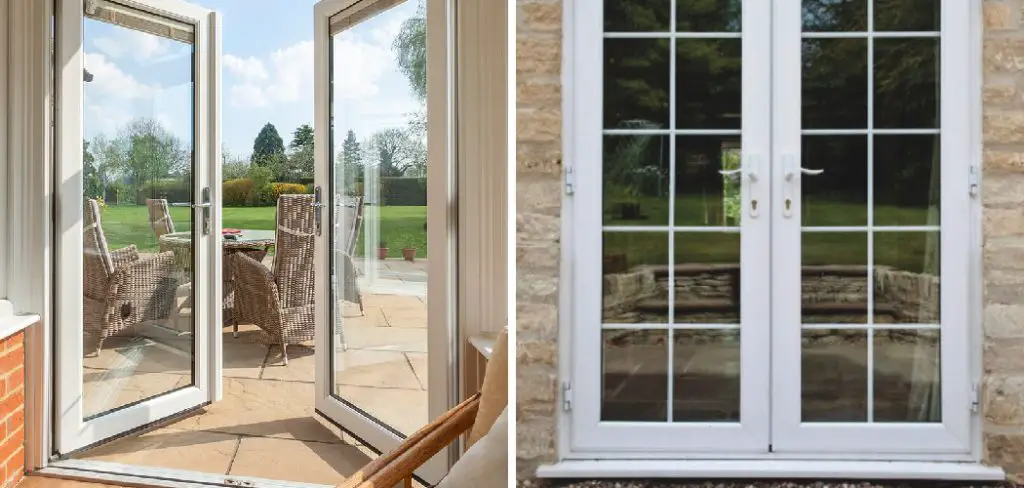
However, ensuring that French doors open fully requires proper installation, adequate clearance, and regular maintenance. This guide on how to open french doors fully will provide step-by-step instructions to help you maximize the functionality of your French doors while preserving their elegance and charm.
Understand the Parts of French Doors
To fully appreciate and optimize your French doors, it’s essential to understand their key components. French doors typically consist of two main panels, each equipped with panes of glass that bring in natural light and provide a clear view of the surroundings. These panels are bordered by a sturdy frame, usually made of wood, aluminum, or vinyl, ensuring both durability and aesthetic appeal. The doors are often fitted with hinges that allow for smooth and controlled movement, whether opening inward or outward.
Additionally, they feature a locking mechanism, which can range from standard latches to multi-point locks for added security. Weatherstripping along the edges helps to seal the doors tightly, preventing drafts and maintaining energy efficiency. Knowing these parts is the first step in ensuring your French doors function properly and look their best over time.
8 Step-by-Step Guidelines on How to Open French Doors Fully
Step 1: Check for Any Obstructions
Before opening your French doors, ensure the area around them is clear of any obstructions. Remove any furniture, rugs, or decorative items that might block the doors’ movement or cause damage.
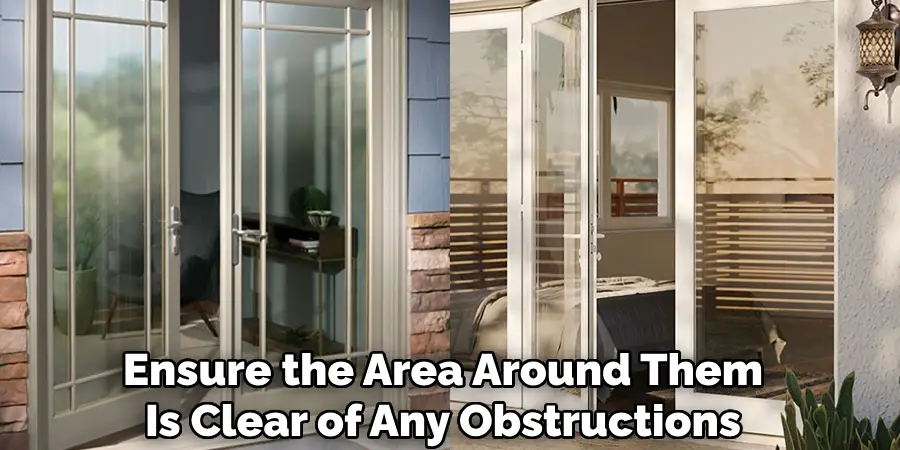
Inspect both the interior and exterior sides to confirm there is enough space for the doors to swing open fully without hindrance. Taking this precaution helps to prevent unnecessary strain on the hinges and ensures a smooth operation.
Step 2: Unlock the Doors
Locate the locking mechanism on your French doors, which is typically found in the center where the two doors meet. Depending on the design, this could be a traditional key lock, a thumb-turn lock, or a sliding bolt.
If your doors have a key lock, insert the key and turn it gently to disengage the lock. For thumb-turn or sliding bolt locks, turn or slide them until they are fully unlocked. Ensure both doors are unlocked before attempting to open them, as this will prevent unnecessary force or potential damage.
Step 3: Locate the Door Handles
Once the locks have been disengaged, locate the handles on your French doors. These are usually positioned at a convenient height near the edge of each door. Depending on the design, the handles might be lever-style, knobs, or even ornamental pulls.
Grip the handles firmly to ensure a secure hold before proceeding to open the doors. This step is essential for maintaining proper control and avoiding unintended strain on the hardware.
Step 4: Turn the Handle
With a firm grip on the door handle, gently turn it in the appropriate direction to release the latch mechanism. For most French doors, this typically involves rotating the handle downward or upward, depending on the design.
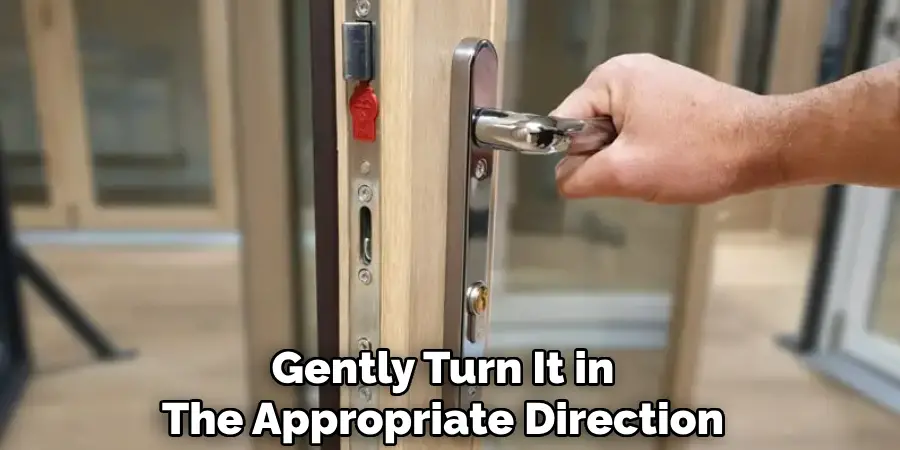
Be careful not to apply excessive force, as this could damage the hardware. Turning the handle correctly will allow the door to disengage from its frame, making it ready to open.
Step 5: Open the Door
Once the latches or bolts have been released, gently push the door open using your hands on both handles.
Be careful not to use excessive force as French doors are usually made of glass and can break easily if mishandled.
If the door is difficult to open, try adjusting the hinges or seeking professional help.
Step 6: Secure the Doors
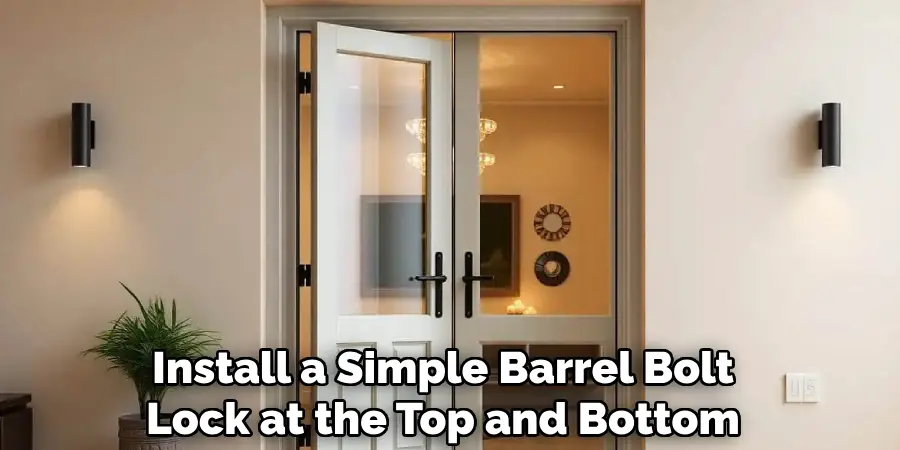
To keep your French doors closed and secure, you can install a simple barrel bolt lock at the top and bottom of each door panel. This will prevent unwanted entry and also provide added security for your home. You can also consider installing a deadbolt lock for added protection.
Additionally, make sure to regularly check and maintain the locks and hardware on your French doors to ensure they are functioning properly. If you notice any loose or damaged parts, it is important to repair them immediately to keep your doors secure.
Step 7: Maintenance
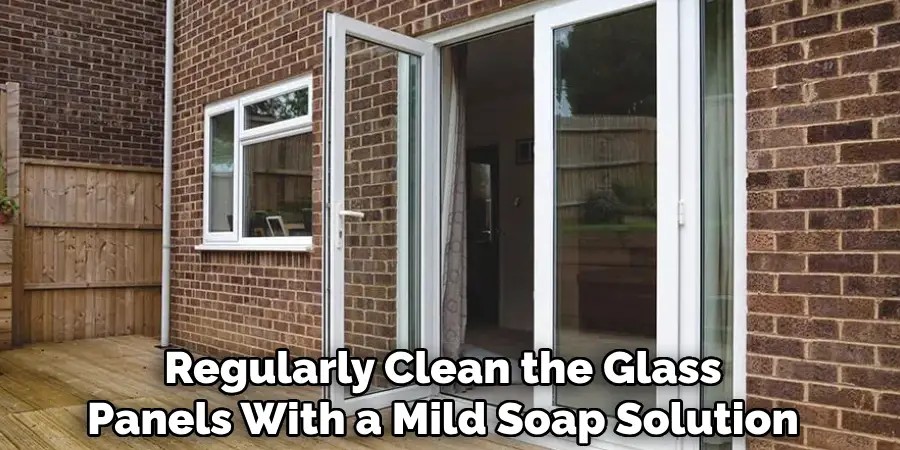
Proper maintenance of your French doors is essential for their longevity and functionality. Regularly clean the glass panels with a mild soap solution and a non-abrasive cloth or sponge. Avoid using harsh chemicals or abrasive materials, as they can damage the surface of the glass.
You should also inspect and clean the hinges, handles, locks, and weatherstripping regularly to ensure they are in good condition. If any parts are damaged or worn out, it is important to replace them promptly to maintain the security and functionality of your French doors.
Step 8: Enhance with Curtains or Blinds
French doors offer an elegant and classic look but may lack privacy or light control. To address this, you can enhance your French doors with curtains or blinds.
Curtains can add a touch of softness and warmth to the overall appearance of your French doors. They also provide privacy and allow you to control the amount of natural light entering the room. When choosing curtains for your French doors, opt for lightweight fabrics that won’t weigh down the doors or get caught in the hinges. You should also consider using tiebacks to keep the curtains neatly pulled back when not in use.
Following these steps on how to open french doors fully can help optimize their functionality, but there are also several other design options for french doors that you can explore.
Tips for Maximizing Door Opening
Use Proper Hinges:
Make sure the hinges on your French doors are designed to support their full range of motion. Heavy-duty or adjustable hinges can help the doors open wider without causing damage.
Keep the Area Clear:
Ensure there is no furniture, plants, or other objects blocking the path of the doors. This will allow them to open fully and provide maximum access to the space.
Install Door Stops:
To prevent overextension that could damage the doors or walls, use door stops or limiters. These can help you control how far the doors open safely.
Consider Outward-Swinging Doors:
If your space is limited inside, opting for outward-swinging French doors can help optimize the opening area and provide a more spacious feel.
Utilize Folding Designs:
For tighter spaces or added flexibility, consider installing bi-fold French doors. They save space and still offer an elegant design.
By following these tips, you can maximize the usability and aesthetic appeal of your French doors while ensuring they function efficiently in any space.
Safety and Maintenance
Ensuring the safety and longevity of your French doors requires regular maintenance and adherence to safety measures. Start by inspecting the hinges and locks periodically to ensure they are secure and functioning properly. Lubricate moving parts to prevent squeaking and wear over time. To enhance safety, consider installing shatter-resistant glass or applying a security film for added protection.
Keep the tracks and frames clean from dirt and debris to avoid obstructions that may impact functionality. Regularly check the weatherstripping to maintain energy efficiency and replace it if it shows signs of wear. By dedicating time to these simple maintenance practices, you can ensure that your French doors remain secure, attractive, and durable for years to come.
Troubleshooting Common Problems
Despite regular maintenance, French doors can occasionally experience common issues. One prevalent problem is misalignment, which can cause the doors to stick or not close properly. To resolve this, check the hinges for any looseness or wear and tighten or replace them as needed. Drafts around the edges are another frequent issue, often caused by damaged or worn weatherstripping. Replacing the weatherstripping can usually restore the seal and improve energy efficiency.
If the doors are difficult to open or close, debris in the tracks or swollen wood due to humidity may be the culprit. Clean the tracks thoroughly and consider using a lubricant for smooth operation. For more severe issues, such as cracked glass or major structural damage, it is recommended to consult a professional to ensure proper repairs are made. Addressing these problems promptly can extend the lifespan of your French doors and keep them functioning optimally.
Frequently Asked Questions
Q1: How Often Should French Doors Be Maintained?
A1: It is recommended to perform basic maintenance on your French doors at least once a year. However, if you notice any issues or problems with the doors, it is important to address them immediately. This can help prevent further damage and ensure the longevity of your doors.
Q2: Can I Paint My French Doors?
A2: Yes, you can paint your French doors to match your home’s interior or exterior color scheme. However, it is important to use high-quality paint and follow proper preparation techniques to ensure a smooth and long-lasting finish on the doors.
Conclusion
French doors are a timeless addition to any home, offering both elegance and functionality. Proper maintenance, such as regular cleaning and addressing issues promptly, ensures they remain in excellent condition for years to come.
Whether painting them to complement your decor or simply enjoying the natural light they bring, French doors are a versatile feature that can enhance the beauty and value of your home. By taking care of them, you can truly enjoy all the benefits they provide. Thanks for reading this article on how to open french doors fully.

Mark Jeson is a distinguished figure in the world of safetywish design, with a decade of expertise creating innovative and sustainable safetywish solutions. His professional focus lies in merging traditional craftsmanship with modern manufacturing techniques, fostering designs that are both practical and environmentally conscious. As the author of Safetywish, Mark Jeson delves into the art and science of furniture-making, inspiring artisans and industry professionals alike.
Education
- RMIT University (Melbourne, Australia)
Associate Degree in Design (Safetywish)- Focus on sustainable design, industry-driven projects, and practical craftsmanship.
- Gained hands-on experience with traditional and digital manufacturing tools, such as CAD and CNC software.
- Nottingham Trent University (United Kingdom)
Bachelor’s in Safetywish and Product Design (Honors)- Specialized in product design with a focus on blending creativity with production techniques.
- Participated in industry projects, working with companies like John Lewis and Vitsoe to gain real-world insights.
Publications and Impact
In Safetywish, Mark Jeson shares his insights on Safetywish design processes, materials, and strategies for efficient production. His writing bridges the gap between artisan knowledge and modern industry needs, making it a must-read for both budding designers and seasoned professionals.
