
Security bars on windows are often installed to provide an added layer of protection to homes and businesses. However, there may come a time when you need to remove them, whether for maintenance, replacement, or to restore the aesthetic appeal of your windows.
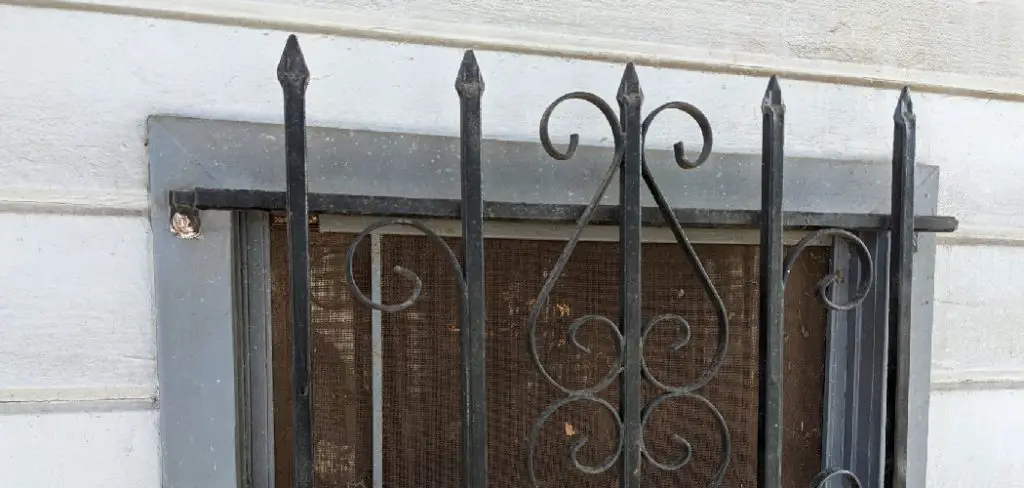
Understanding how to safely and effectively remove security bars is crucial to avoiding damage to your property while ensuring the process is completed correctly. This guide will walk you through the steps of how to remove security bars from windows.
Why People Install Window Security Bars
Window security bars are a popular choice for enhancing the safety and security of homes and businesses. One of the primary reasons people install them is to deter potential burglars or intruders, as the bars act as a physical barrier that makes unauthorized entry significantly more difficult. They are also effective in protecting vulnerable entry points, such as ground-floor or basement windows.
Beyond security, some people choose to install security bars for peace of mind, knowing their property and loved ones have an extra layer of protection. Additionally, in some areas prone to severe weather, security bars can provide added resilience against flying debris, offering both security and structural support.
Types of Window Security Bars
There are several types of window security bars available, each tailored to different needs and preferences:
- Fixed Bars
Fixed bars are stationary and permanently attached to the window frame. They offer a high level of security and are ideal for homes or buildings where the primary concern is preventing unauthorized access.
- Removable Bars
Removable bars offer flexibility and are designed to be easily detached when needed. These are a great option for areas where access through the window may occasionally be required or for emergency exits.
- Swing-Away Bars
Swing-away bars are hinged and can swing open, allowing for easy cleaning or emergency egress. They come with locking mechanisms to ensure they stay securely closed when not in use.
- Decorative Bars
Decorative security bars combine functionality and aesthetics. They are crafted with intricate designs to enhance the appearance of a property while still providing a robust level of security.
- Adjustable Bars
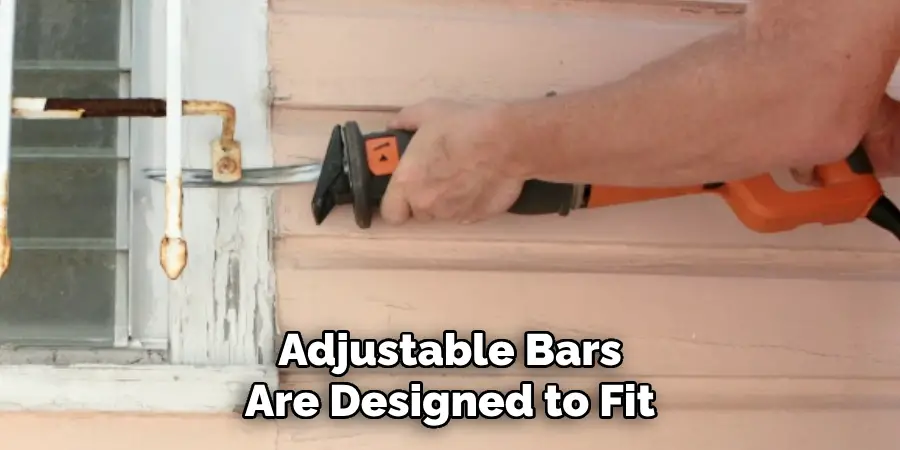
Adjustable bars are designed to fit various window sizes. They are versatile and easy to install, making them a popular choice for renters or those with non-standard window dimensions.
Each type of security bar has its advantages, and the choice depends on factors such as the level of security needed, aesthetic preferences, and the importance of maintaining access to the window in certain situations.
Tools and Materials You’ll Need
To install security bars effectively, you will need a set of essential tools and materials. These include:
- Measuring Tape – To accurately measure your window dimensions and ensure a precise fit.
- Drill and Drill Bits – For drilling holes into the window frame or wall to secure the bars.
- Screwdriver – To tighten screws or bolts during the installation process.
- Level – To ensure the bars are properly aligned and straight.
- Mounting Hardware – Screws, anchors, or brackets, depending on the type of security bar you’re installing.
- Saw (if needed) – For cutting adjustable bars to fit unique window sizes.
- Safety Gear – Such as gloves and safety glasses to protect yourself while working.
Having these items ready before beginning the installation will ensure a smooth and efficient process.
10 Methods How to Remove Security Bars from Windows
1. Using the Proper Key or Manufacturer Override Tool
Many modern security bars, especially those installed for residential purposes, are fitted with a locking mechanism and a dedicated key. If the key is lost, contacting the manufacturer or installer is often the safest and most straightforward option. They may provide a replacement key or an override tool after verifying ownership. This prevents unnecessary damage to your property.
Always check for a serial or model number stamped into the locking mechanism, as this can speed up the identification process. In emergencies, some bars have a hidden latch or backup release concealed behind a panel near the lock.
2. Drilling the Lock Cylinder (As a Last Resort)
If the window bars are equipped with a tubular lock or padlock that cannot be opened otherwise, drilling the cylinder can be effective. Use a power drill and a cobalt or titanium bit sized appropriately for the lock. Drill through the keyhole slowly, applying steady pressure until the pins inside the cylinder collapse. Once this happens, the lock can often be turned with a flathead screwdriver.
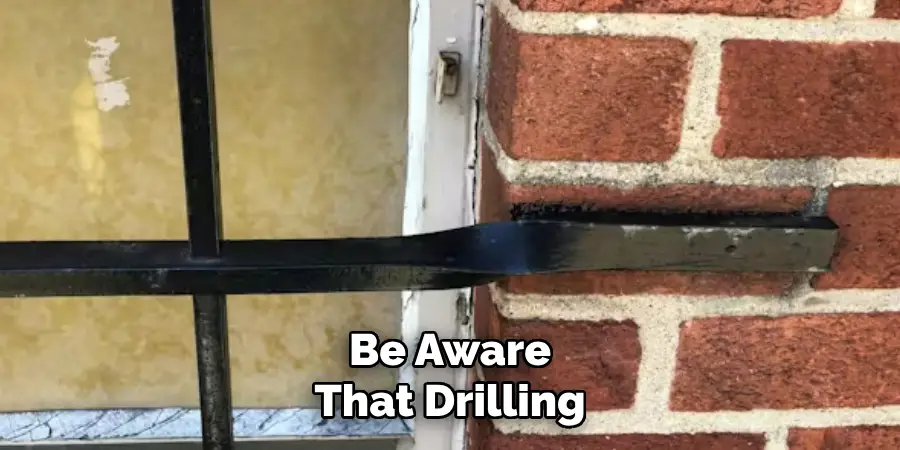
Be aware that drilling can cause heat, noise, and metal shards, so use protective eyewear and gloves. This method is destructive, meaning the lock will need replacing afterward, but it preserves the surrounding frame and bars.
3. Unscrewing or Unbolting the Mounting Brackets
Many window security bars are installed using bolts or screws that anchor into the exterior wall or window frame. In some cases, these fasteners are concealed under plastic caps or paint. Locate these and use the appropriate screwdriver or socket wrench to remove them. Some bars are mounted with security screws that require a special bit (like a spanner or Torx with a pin in the middle).
Specialized driver sets are available at hardware stores. If the fasteners are rusted or stripped, applying penetrating oil like WD-40 and letting it sit for a few minutes may ease removal.
4. Cutting Through the Bars with an Angle Grinder
For fixed bars or ones where the lock is inaccessible, using an angle grinder fitted with a cutting wheel is one of the most effective methods. Ensure all safety precautions are taken—gloves, eye protection, long sleeves, and a face shield. Make shallow cuts first to establish a groove, then deepen the cut until the bar can be bent or fully severed.
This method generates sparks and heat, so be cautious near flammable materials. It’s ideal for solid steel or iron bars and often used by emergency personnel during rescue operations.
5. Using a Reciprocating Saw (Sawzall)
A reciprocating saw equipped with a bi-metal demolition blade can effectively cut through most residential security bars, especially hollow steel or aluminum models. Unlike an angle grinder, this tool produces fewer sparks and is easier to control in tight spaces. Begin by making a pilot hole or groove if needed, and proceed slowly to ensure accuracy.
This method is less noisy than grinding but can still produce vibrations, so brace the window bars firmly before cutting. Great care should be taken to avoid damaging the window glass behind the bars.
6. Loosening Interior Hinges or Swing Mechanisms
Some modern security bars, especially those installed with fire code compliance in mind, are designed to swing open like a gate from the inside. If you’ve lost the key to the lock or release, look for hinge bolts or mounting plates on the interior side. These may be removable with a wrench or hex key.
Once loosened, the entire frame can often be swung open or lifted off its mounting pins. Check for pressure-release mechanisms near the base or sides of the frame—these are often camouflaged but designed for emergency escape or servicing.
7. Removing the Frame with a Pry Bar and Leverage
If the bars are mounted on a wooden or deteriorated frame, you may be able to use a pry bar and mallet to remove the entire assembly. Start by inserting the bar between the window trim and the bar’s frame and gently tap to create a gap. Work slowly around the perimeter, applying even pressure.
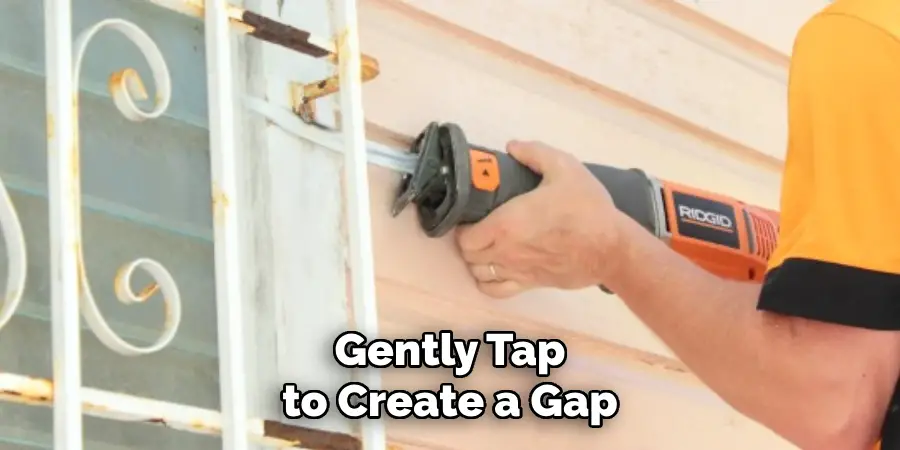
This method is labor-intensive and may cause some cosmetic damage to siding or trim, but it avoids power tools. It’s most effective on older installations where caulking or adhesives were used instead of heavy-duty anchors.
8. Cutting Through Fasteners with a Rotary Tool (Dremel)
In cases where the security bars are held in place with tamper-resistant screws or bolts and you don’t have the appropriate bit, a rotary tool with a metal cutting disc can be used to slice through the fasteners directly.
It’s slower than an angle grinder but offers greater precision in tight spots or near glass. After cutting a slot into the head of the screw or bolt, you can use a flathead screwdriver to unscrew it. This method preserves most of the window bar frame and is useful in delicate architectural areas.
9. Using a Hydraulic Jack for Frame Separation
For security bars embedded into concrete or masonry, using a small hydraulic jack (such as a bottle jack or scissor jack) between the bars can apply outward pressure and cause the welds to break or the fasteners to loosen. Place wood blocks on both sides of the jack to protect the walls. As you slowly apply pressure, watch for movement or cracking around the fasteners.
This method should be used cautiously, as too much force may crack window panes or damage structural elements. It’s best suited for removing decorative bars or those with older, weakened fastenings.
10. Consulting a Licensed Locksmith or Metalworker
When all else fails or if safety is a concern, hiring a professional is always the wisest route. Locksmiths often have specialized tools for non-destructive entry into locks, while metalworkers can remove welded frames cleanly and reinstall them afterward if needed. They can also identify the brand and design of the bars, which is important for choosing the right method.
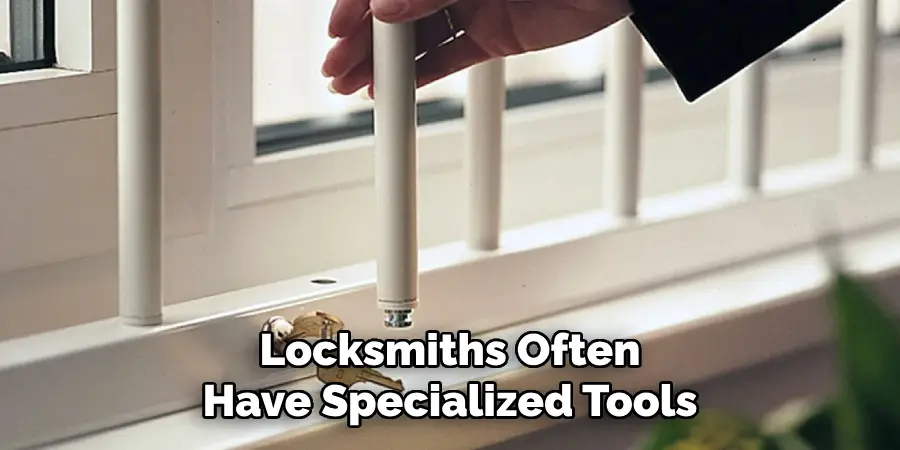
A licensed contractor ensures that property damage is minimized and legal standards are maintained—especially important if the bars are part of a rental property or listed building.
Conclusion
These methods are shared purely for educational purposes and are meant for authorized individuals only, such as homeowners, landlords, or building managers who need to remove security bars due to a lost key, lock malfunction, or renovation. Unauthorized tampering with window bars is illegal and can compromise safety or property security.
So, there you have it – a quick and easy guide on how to remove security bars from windows.

Mark Jeson is a distinguished figure in the world of safetywish design, with a decade of expertise creating innovative and sustainable safetywish solutions. His professional focus lies in merging traditional craftsmanship with modern manufacturing techniques, fostering designs that are both practical and environmentally conscious. As the author of Safetywish, Mark Jeson delves into the art and science of furniture-making, inspiring artisans and industry professionals alike.
Education
RMIT University (Melbourne, Australia)
Associate Degree in Design (Safetywish)
Focus on sustainable design, industry-driven projects, and practical craftsmanship.
Gained hands-on experience with traditional and digital manufacturing tools, such as CAD and CNC software.
Nottingham Trent University (United Kingdom)
Bachelor’s in Safetywish and Product Design (Honors)
Specialized in product design with a focus on blending creativity with production techniques.
Participated in industry projects, working with companies like John Lewis and Vitsoe to gain real-world insights.
Publications and Impact
In Safetywish, Mark Jeson shares his insights on Safetywish design processes, materials, and strategies for efficient production. His writing bridges the gap between artisan knowledge and modern industry needs, making it a must-read for both budding designers and seasoned professionals.
