
We’ve all been there: standing in front of a door with a bulky keychain, fumbling through a dozen nearly identical silver keys. That moment of frustration, trying to find the one key that opens the lock, is a universal experience. But what if you could eliminate that guesswork forever? Learning how to organize and identify your keys is a simple skill that brings order and efficiency to your daily routine, saving you time and reducing unnecessary stress.
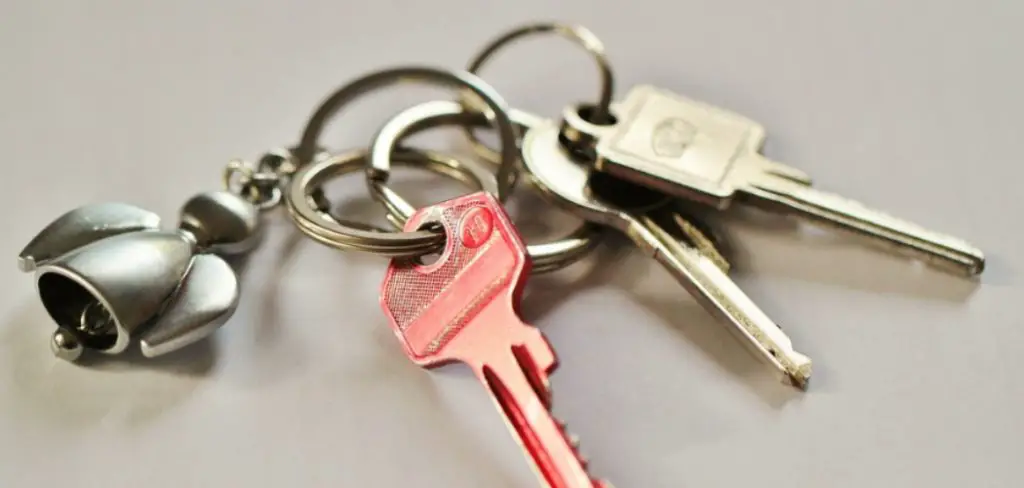
This guide is designed for anyone who has ever stared at a mysterious key and wondered what it unlocks. We will provide a clear, step-by-step process showing you how to identify keys, from examining their physical features to creating a foolproof organization system. Get ready to finally conquer that cluttered keychain.
Why Identifying Keys Is Important
Taking the time to identify your keys is a small effort that pays big dividends in daily convenience and security. The most immediate benefit is improved organization and reduced frustration. Knowing exactly what each key is for eliminates the daily “key jiggle” ritual, saving you precious minutes every time you leave or enter your home, office, or vehicle. It streamlines your routine, especially when you’re in a hurry or carrying groceries.
Beyond convenience, proper key identification enhances your security. When you know what every key on your ring does, you also know if one goes missing. This allows you to take immediate action, such as rekeying a sensitive lock, rather than discovering a security breach later. For property managers or homeowners with multiple access points, a well-organized system is essential for managing access and ensuring peace of mind.
Step-by-Step Guide: How to Identify Keys
Step 1: Gather All Your Keys and Group Them
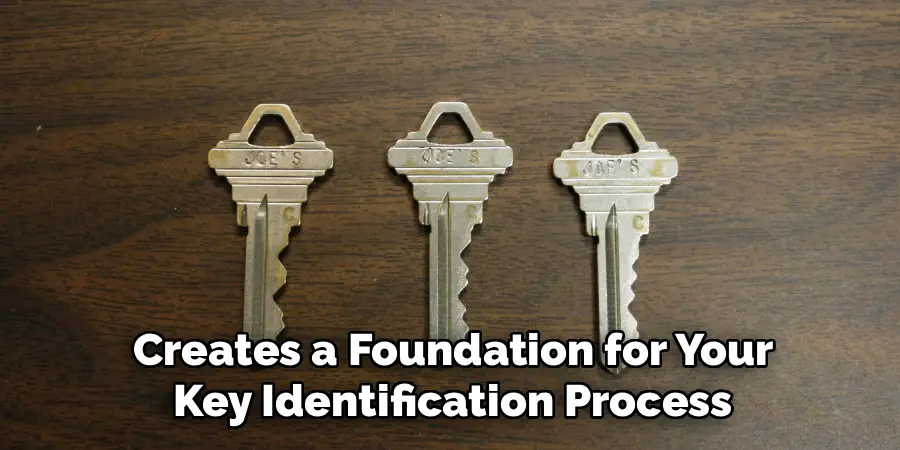
The first step in any organization project is to see what you’re working with. Gather every single key you own—from your main keychain, junk drawers, coat pockets, and old bags. Lay them all out on a flat surface. Your initial goal is to create logical groups. Start by separating keys based on where you use them, such as “home,” “work,” “vehicle,” or “parents’ house.” This initial sorting breaks the overwhelming task into smaller, more manageable chunks and creates a foundation for your key identification process.
Step 2: Examine the Key’s Shape and Size
Keys come in a wide variety of shapes and sizes, which are often the first clues to their purpose. Car keys are typically larger and have a thick plastic head, often with electronic buttons. House keys are usually smaller with a simple metal head. Look for unique shapes; a very small, intricate key might be for a jewelry box or a small padlock, while a long, tubular key is likely for a vending machine or a specific type of lockbox. Comparing the physical characteristics is a fundamental part of the key identification process.
Step 3: Look for Markings, Stamps, and Logos
Closely inspect the head of each key for any identifying marks. Many keys are stamped with the manufacturer’s name, such as “Schlage,” “Kwikset,” or “Yale.” This can help you determine the lock compatibility. Some keys are also stamped with a series of numbers and letters, which is the key code. While this code is primarily for locksmiths to duplicate the key, it can also serve as a unique identifier for you. You might also find a logo from a car manufacturer or a “Do Not Duplicate” warning, which are all helpful key markings.
Step 4: Test Each Key in Its Potential Lock
This is the most direct and definitive method for identifying keys. Take each group of keys you created and physically test them one by one. Go to your front door, back door, garage, shed, and any padlocks you own, and try each potential key.
As you successfully identify what each key opens, immediately label it. This hands-on approach eliminates all guesswork. While it may seem tedious, it is the most crucial part of learning how to identify keys accurately. Make a separate pile for keys that don’t open anything.
Step 5: Use Color-Coded Key Caps
Once a key is identified, the easiest way to make it instantly recognizable is with a color-coded system. You can buy inexpensive silicone or plastic key caps that slip over the head of the key. Assign a specific color for each important lock. For example, you could make your front door key red, your back door key blue, and your office key green. This visual shortcut allows you to grab the right key at a glance without having to read a label, making it one of the most effective key organization strategies.

Step 6: Label Your Keys Clearly
For keys that look very similar, a simple label can be a lifesaver. You can write directly on the key head with a fine-tipped permanent marker, though this can wear off over time. A more durable solution is to use a small, adhesive label or a sturdy key tag. On the tag, write a clear, simple description like “Shed” or “Mailbox.” Avoid writing your full address on a key tag for security reasons. A simple, descriptive word is all you need to complete your key identification.
Step 7: Separate Keys onto Different Rings
Not every key needs to be on your main keychain. Carrying around keys you only use once a month adds unnecessary bulk and makes it harder to find the ones you use daily. Create separate key rings for different purposes. Have one main ring for your daily essentials like your house and car keys. Create another ring for work keys, and a separate one for miscellaneous keys like those for a storage unit or a friend’s house. This compartmentalization is an advanced key organization technique that simplifies your life.
Tips for Key Identification
To make identifying your keys faster and easier, consider using these simple tips:
- Color-Code Your Keys – Use different colored key covers or paint nail polish on the tops of your keys to distinguish them at a glance. Assign a specific color to each type of key, such as red for your house, blue for work, and green for storage.
- Use Key Tags – Attach small, labeled tags to your keys. Write a short description, such as “Front Door” or “Office,” ensuring the labels are both clear and durable.
- Opt for Unique Shapes – If possible, have your keys cut in unique shapes or designs. Specialty key designs can add personality and make identification much quicker.
- Organize by Size – Arrange your keys on the ring in order of use or size, with the most frequently used key standing out for easy access.
By employing these methods, you can reduce frustration and streamline your daily key usage.
Frequently Asked Questions (FAQs)
What Is the Easiest Way to Label Keys?
There are several easy and effective ways to label keys.
- Key Caps: Colorful silicone or plastic caps that fit over the key’s head are the most popular method. They provide instant visual identification.
- Nail Polish: A simple dab of different colored nail polish on the head of each key works just as well as key caps.
- Key Tags: Small plastic or metal tags that attach to the key allow you to write a clear label.
What Do the Numbers and Letters on a Key Mean?
The numbers and letters stamped on a key typically form a key code. This code tells a locksmith the exact specifications needed to cut a new key without having the original lock present. It defines the key’s bitting, or the depths of the cuts along the blade. For the average person, this code can serve as a unique identifier to distinguish between two otherwise identical-looking keys.
How Can I Tell What Brand of Lock My Key Is For?
Most keys have the lock manufacturer’s name stamped directly on the head of the key. Look for common brand names like “Schlage,” “Kwikset,” “Yale,” “Baldwin,” or “Master.” If there is no brand name, a locksmith may be able to identify it based on the shape of the keyway (the part that slides into the lock) or other design features.
What Should I Do with Keys I Can’t Identify?
If you have gone through the testing process and are left with a pile of mystery keys, don’t throw them away immediately. Put them in a designated jar or container and label it with the date. Hold onto them for a few months. You may eventually remember what they are for (e.g., a lock on a piece of luggage or an old bike lock). If, after six months or a year, they remain unidentified, it is likely safe to recycle them at a local metal recycling facility.
Is It Safe to Put My Address on My Key Tag?
No, you should never put your full address or any other sensitive personal information on a key tag. If your keys are lost or stolen, an address label provides a direct map to your home for a potential burglar. Instead, use simple, non-specific labels like “Home” or “Front Door.” As an extra security measure, some people prefer to put a phone number on their keys so that an honest person who finds them can return them.

Conclusion
Organizing your keys is a simple project that can bring a surprising amount of ease and order to your life. By systematically sorting, testing, and labeling, you can transform a tangled mess into a highly functional system. The process of identifying each key not only saves you time but also enhances your sense of security and control over your personal space.
Don’t let a cluttered keychain be a source of daily frustration. Take an hour this weekend and use this guide on how to identify keys to finally solve the mystery of what each one unlocks. Your future, less-stressed self will thank you.

Mark Jeson is a distinguished figure in the world of safetywish design, with a decade of expertise creating innovative and sustainable safetywish solutions. His professional focus lies in merging traditional craftsmanship with modern manufacturing techniques, fostering designs that are both practical and environmentally conscious. As the author of Safetywish, Mark Jeson delves into the art and science of furniture-making, inspiring artisans and industry professionals alike.
Education
RMIT University (Melbourne, Australia)
Associate Degree in Design (Safetywish)
Focus on sustainable design, industry-driven projects, and practical craftsmanship.
Gained hands-on experience with traditional and digital manufacturing tools, such as CAD and CNC software.
Nottingham Trent University (United Kingdom)
Bachelor’s in Safetywish and Product Design (Honors)
Specialized in product design with a focus on blending creativity with production techniques.
Participated in industry projects, working with companies like John Lewis and Vitsoe to gain real-world insights.
Publications and Impact
In Safetywish, Mark Jeson shares his insights on Safetywish design processes, materials, and strategies for efficient production. His writing bridges the gap between artisan knowledge and modern industry needs, making it a must-read for both budding designers and seasoned professionals.
