
Gas leaks are a serious safety hazard that can lead to health risks, fire outbreaks, or even explosions if not promptly identified and addressed. Recognizing and resolving gas leaks is crucial for homeowners and professionals alike. Fortunately, a gas leak detector is an effective tool for identifying leaks accurately and efficiently.
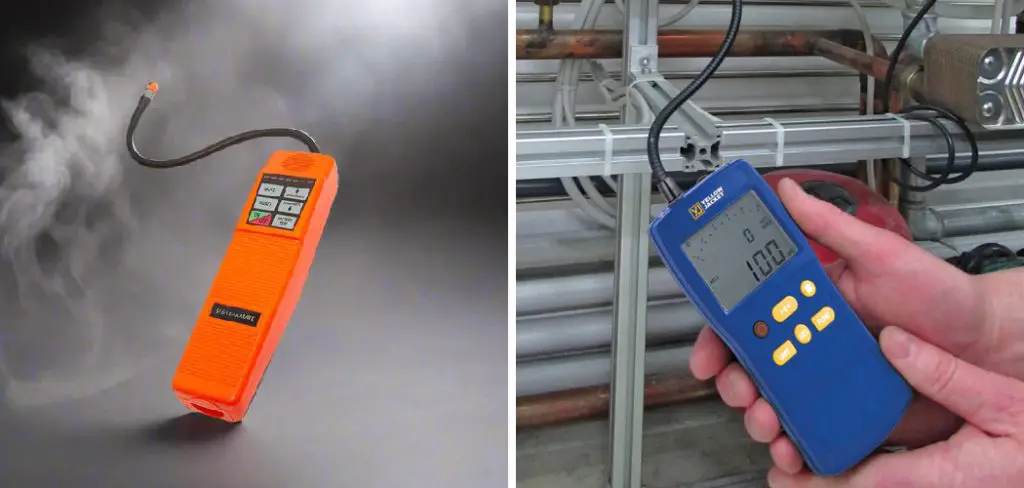
If you’re wondering how to use gas leak detector correctly, don’t worry—the process is simpler than you might think. This guide is designed for beginners, explaining everything you need to know about using a gas leak detector. With the right approach, you can enhance the safety of your home or workspace and gain peace of mind.
To begin using a gas leak detector, ensure that the device is fully charged or equipped with fresh batteries, depending on the model. Next, familiarize yourself with the manufacturer’s instructions, as different detectors may have specific operational guidelines. Before starting, inspect the area for potential sources of the leak and turn off any open flames or ignition sources for safety.
Power on the detector and slowly move it along pipelines, joints, and other areas where leaks are suspected. Pay close attention to the readings or audible alarms from the device, as these will indicate the presence of gas. For the most accurate results, maintain a consistent pace and avoid rushing through the inspection.
Why Properly Using a Gas Leak Detector is Crucial
Gas leaks can occur due to faulty appliances, damaged pipes, or improper installation. Regardless of the cause, these leaks can lead to dire consequences if not properly managed. Using a gas leak detector is an essential practice, allowing you to identify gas leaks early before they escalate into larger problems.
A gas leak detector ensures safety by detecting harmful gases such as carbon monoxide, natural gas, and propane. Beyond ensuring the safety of your home, it can also prevent property damage, reduce the risk of explosions, and protect loved ones from the harmful effects of gas exposure. By understanding how to use gas leak detector correctly, you empower yourself to mitigate risks and maintain a safe environment.
Step-by-Step Guide on How to Use Gas Leak Detector
Using a gas leak detector involves preparation, proper application, and consistent follow-up actions. Follow these steps carefully to ensure optimal results.
Step 1: Familiarize Yourself with the Device
Before beginning, take the time to understand the gas leak detector you’re using. Read the user manual to learn about its features, battery requirements, and gas detection capabilities. Some devices are designed to detect multiple gases, while others may focus on propane or natural gas. Ensure you know its range and sensitivity settings for effective detection.

Step 2: Test the Device for Proper Functionality
Before deployment, test the gas leak detector to confirm it’s in working condition. Turn on the device and check for power indicators such as lights or screen displays. Many detectors include a self-test feature that allows you to verify its functionality. If the device isn’t responding, replace the batteries or consult the manual for troubleshooting steps.
Step 3: Choose a Safe Starting Point
Begin your inspection in an area where a leak is most likely. Common places include near gas appliances such as stoves, heaters, and water heaters. Ensure the area is safe and free from potential hazards. If you suspect a significant leak, ventilate the room by opening windows and doors before using the detector.
Step 4: Power On the Detector
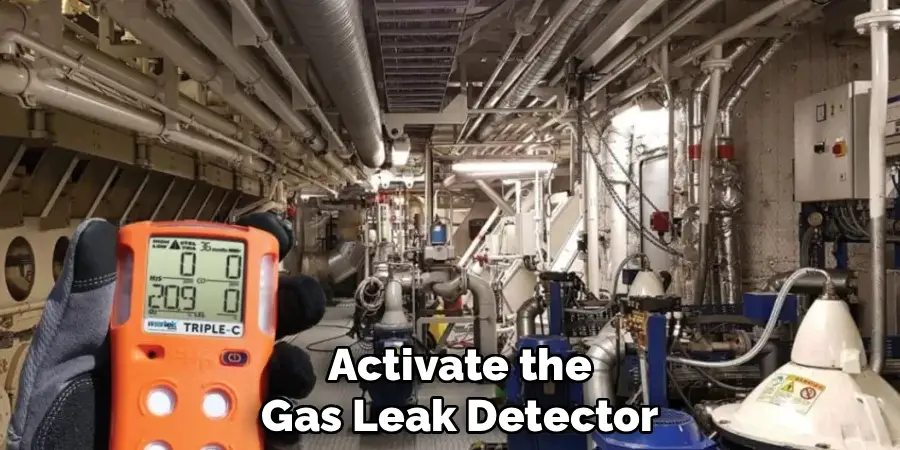
Activate the gas leak detector and allow it to calibrate if necessary. This step ensures the device is fully prepared to identify gas leaks accurately. Hold the detector steady and make sure it’s positioned correctly according to the manufacturer’s instructions. Some detectors require you to keep them still while they calibrate.
Step 5: Scan the Suspected Areas
Move the gas leak detector slowly over areas where a leak is suspected. Start near joints, connectors, and seals, as these are common places for gas to escape. Make deliberate, slow movements to allow the detector to pick up any traces of gas. Avoid rushing this step, as thoroughness is key to accurate detection.
Step 6: Observe the Detector’s Indicators
Pay close attention to the detector’s indicators, which may include beeping sounds, lights, or visual displays. An increase in activity often signals the presence of gas. Some detectors display gas concentration levels in parts per million (ppm), providing detailed information about the severity of the leak. Familiarizing yourself with these indicators beforehand will help you interpret results correctly.
Step 7: Confirm the Leak
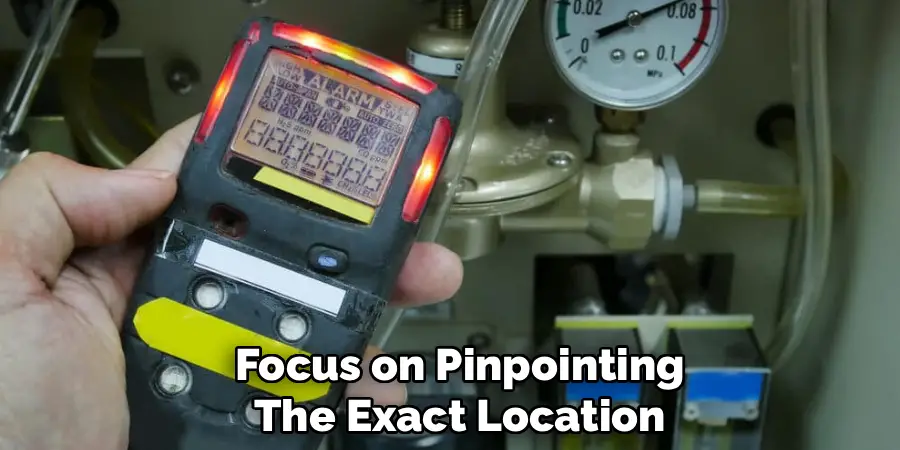
If the detector indicates a gas leak, focus on pinpointing the exact location. Move the detector closer to the source of the reading to confirm the leak’s origin. Double-check nearby areas to ensure you’ve accurately identified the problem spot. This step may take some time but is crucial for resolving the issue effectively.
Step 8: Take Immediate Action
Once a gas leak is identified, act immediately to ensure safety. Turn off the gas supply to the affected area if it’s safe to do so. Evacuate individuals from the space and avoid igniting flames or triggering sparks. Use the information provided by the detector to communicate the severity of the leak to a professional if further repairs are required.
Step 9: Maintain and Store the Detector Correctly
After using the gas leak detector, clean and store it according to the manufacturer’s recommendations. Check its battery life and replace batteries as needed to ensure it remains reliable for future use. Regular maintenance prolongs the device’s lifespan and ensures it’s always ready for use during emergencies.
Detector Maintenance Tips
Proper maintenance of your gas leak detector is crucial to ensure its accuracy and reliability. First, routinely inspect the device for any visible damage or wear, such as cracks or loose components, as these could affect its performance. Ensure the sensor area remains clean and free from dust or debris, which may block its ability to detect gas effectively.
Store the detector in a cool, dry place away from extreme temperatures or humidity, as these conditions can degrade its functionality over time. Always use the manufacturer-recommended batteries and replace them promptly when the device signals a low battery. Finally, follow any calibration guidelines provided in the user manual to maintain the detector’s sensitivity and accuracy.
Regular care and attention will help extend the life of your gas leak detector and ensure its reliability during emergencies.
Frequently Asked Questions Section
What types of gases can a gas leak detector identify?
Gas leak detectors can identify various gases, including natural gas (methane), propane, carbon monoxide, and hydrogen. The exact range depends on the model and type of detector. Some detectors are specifically designed for residential use and focus on common household gases, while industrial detectors may identify broader ranges of gases.
How often should I test my gas leak detector?
It’s best to test your gas leak detector once a month to ensure it’s functioning properly. Most detectors have a self-test button that you can press to verify battery life and sensor functionality. Regular testing ensures the detector will work when you need it most, providing peace of mind and consistent safety.
Can I use a gas leak detector outdoors?
Yes, some gas leak detectors are suitable for outdoor use, especially those designed to detect pipeline or tank leaks. However, wind and outdoor elements may affect the device’s sensitivity, so follow the manufacturer’s recommendations carefully. For best results, use the detector in conditions with minimal external interference.
What should I do if the gas leak detector alarms?
If the detector indicates a gas leak, prioritize your safety. Turn off the gas source if it’s safe to do so, avoid using electronic devices or creating sparks, and evacuate the area immediately. Once everyone is safe, contact a professional to inspect and repair the leak. Never ignore an alarm, even if the leak seems minor.
Are gas leak detectors easy for beginners to use?
Most gas leak detectors are user-friendly and designed with beginners in mind. Many models include clear instructions, simple controls, and visual or auditory indicators to guide users. By following the steps outlined in this guide on how to use gas leak detector, you can operate the device confidently and effectively, even if you’re using it for the first time.
Conclusion
A gas leak detector is an essential tool for maintaining safety in any home or workplace. It allows you to detect dangerous gas leaks early, preventing potential health risks and property damage. By following the steps outlined in this guide on how to use gas leak detector, you can confidently operate this device and ensure the safety of your environment.
Regular maintenance of your gas leak detector is crucial to ensure its effectiveness and longevity. Clean the device periodically and check its batteries or power source to avoid any interruptions in its functioning. Additionally, it’s important to test the detector as recommended by the manufacturer to verify that it is working correctly. Taking these simple but essential steps can provide continued assurance that your environment remains safe from potential gas hazards.
Taking the time to familiarize yourself with the proper usage and maintenance of a gas leak detector is crucial for its effectiveness. Don’t wait until an emergency arises—equip yourself with the knowledge and tools needed to identify and address gas leaks promptly. With a reliable gas leak detector by your side, you can create a safer living space for yourself and your loved ones.

Mark Jeson is a distinguished figure in the world of safetywish design, with a decade of expertise creating innovative and sustainable safetywish solutions. His professional focus lies in merging traditional craftsmanship with modern manufacturing techniques, fostering designs that are both practical and environmentally conscious. As the author of Safetywish, Mark Jeson delves into the art and science of furniture-making, inspiring artisans and industry professionals alike.
Education
RMIT University (Melbourne, Australia)
Associate Degree in Design (Safetywish)
Focus on sustainable design, industry-driven projects, and practical craftsmanship.
Gained hands-on experience with traditional and digital manufacturing tools, such as CAD and CNC software.
Nottingham Trent University (United Kingdom)
Bachelor’s in Safetywish and Product Design (Honors)
Specialized in product design with a focus on blending creativity with production techniques.
Participated in industry projects, working with companies like John Lewis and Vitsoe to gain real-world insights.
Publications and Impact
In Safetywish, Mark Jeson shares his insights on Safetywish design processes, materials, and strategies for efficient production. His writing bridges the gap between artisan knowledge and modern industry needs, making it a must-read for both budding designers and seasoned professionals.
