
Removing a turtle security tag from an item can be a tricky process, especially if you’re unfamiliar with the mechanism. These tags are designed to prevent theft and are commonly found on retail products, requiring the proper tools or techniques for safe removal.
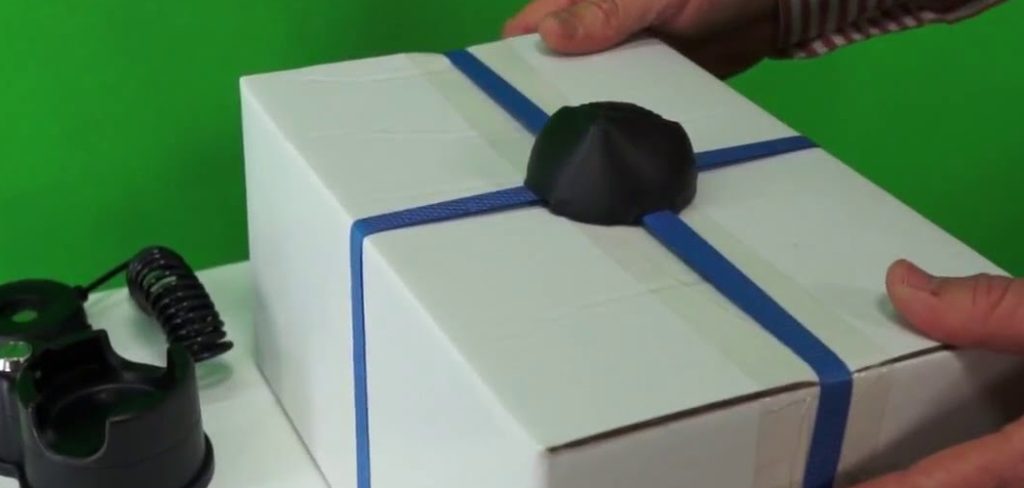
Attempting to remove the tag without the correct approach may damage the item or trigger alarms. This guide will provide you with the essential steps of how to remove turtle security tag effectively and safely.
What is a Turtle Security Tag?
A turtle security tag is a type of anti-theft device frequently used in retail environments to protect valuable or high-risk items. Named for its small, compact, and rounded shape that resembles a turtle shell, this security tag is designed to be both durable and tamper-resistant.
It typically consists of two parts that clamp securely onto an item, often using a strong locking mechanism. The tag may contain an electronic component, such as a radio-frequency identification (RFID) system or an electromagnetic coil, which can trigger an alarm if the tagged item is taken past security sensors at store exits. Turtle security tags effectively deter theft by making unauthorized removal difficult without the appropriate detacher tool.
Tools You Will Need for DIY Removal
Removing a turtle security tag requires careful handling and the right tools to avoid damaging the item. Here are some tools that may be necessary for successful DIY removal:
- Strong Magnet – A powerful magnet, such as a neodymium magnet, can sometimes disengage the locking mechanism in certain types of tags.
- Wire Cutters or Pliers – These can be used to carefully snip or apply pressure to loosen the pin holding the tag in place.
- Flathead Screwdriver – A small flathead screwdriver can help pry open specific areas of the tag, especially if it consists of multiple components.
- Gloves and Eye Protection – Safety gear is essential to avoid injury when handling sharp objects or applying force during removal.
- Patience and a Steady Hand – Beyond physical tools, precision and patience are key to completing the process without damaging the item or tripping any alarms.
It’s important to note that attempting to remove security tags improperly may result in damage to the item or unintended activation of ink cartridges in certain tag types. Caution is advised, and it’s always recommended to contact the retailer for proper tag removal whenever possible.
10 Methods How to Remove Turtle Security Tag
1. Using a Strong Neodymium Magnet to Disengage the Lock Mechanism
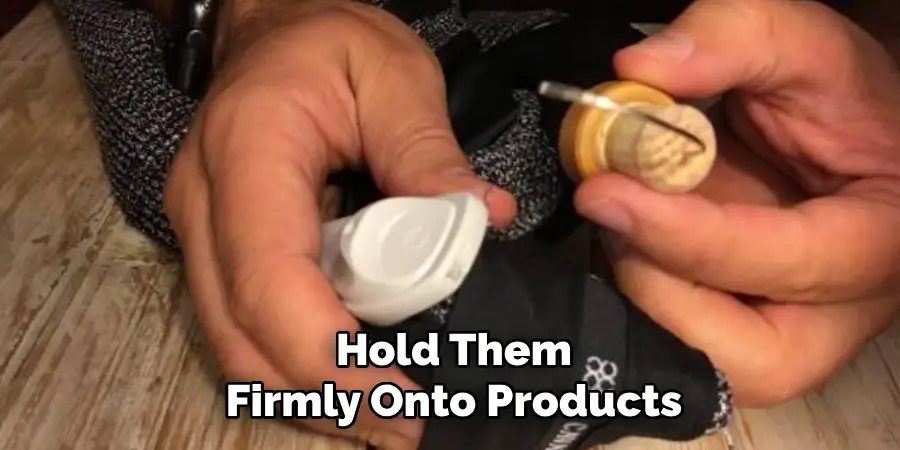
Turtle security tags—so named for their dome-shaped design resembling a turtle shell—often rely on magnetic locking systems to hold them firmly onto products. Authorized store associates typically remove them with a high-powered detacher that houses rare-earth magnets.
If you’ve legally purchased the item but were mistakenly sent home with the tag still attached, you may replicate the detaching mechanism with a powerful neodymium magnet, such as one recovered from an old hard drive.
Place the tag on a flat, firm surface with the magnet applied directly to the domed side. Slowly rotate and wiggle the tag, and in many cases, the magnetic clutch inside will release the pin, allowing you to pull it out. This technique mimics the professional method and is among the safest non-destructive options.
2. Applying the “Fork and String” Leverage Trick
This method requires a bit more dexterity but can be effective on some Turtle tags that use a spring-loaded lock system. Slip a durable thread, such as dental floss or fishing line, between the tag and the garment and wrap it tightly around the pin stem. Then, using two forks (or two spoons), wedge them back to back between the tag halves and gently twist to apply outward force.
When done properly, this can dislodge the pin from the clutch. The string adds extra tension that helps in pulling the internal locking mechanism apart. Take care not to tear the fabric during the process, and always ensure you’re working on a stable, clean surface.
3. Using a Rotary Tool to Cut the Shell (If Not Ink-Based)
Some Turtle tags are purely mechanical while others are fitted with ink ampules to prevent theft by damaging stolen merchandise. If you’re sure your Turtle tag does not contain ink (no visible fluid compartment or warning), you can carefully slice open the casing using a rotary tool like a Dremel with a plastic-cutting disc.
Begin by gently scoring the perimeter of the domed casing until you’re able to pry it open and reveal the lock mechanism. Once inside, a flathead screwdriver can be used to gently push back the retaining clips or pins holding the tag in place. Exercise great caution to avoid damage to the product and wear protective gear during cutting to prevent injury from flying debris.
4. Freezing the Tag to Weaken Its Structural Integrity

Placing the Turtle tag in a freezer overnight can make the plastic brittle, especially on older tag versions. Once frozen, wrap the garment with towels, leaving only the tag exposed. Then, gently tap the tag with a small hammer or blunt object to crack the shell. This can allow you to pry it open with a screwdriver or knife.
While it may not completely remove the lock, it can loosen components enough to aid further removal. This method is especially useful when other tools aren’t readily available, though it requires patience and gentle handling.
5. Drilling Through the Lock Cylinder
In cases where no magnetic tools are accessible and you’re certain the tag contains no ink, drilling is an option of last resort. Use a drill with a small cobalt or titanium bit, carefully drilling into the center of the dome. Doing this destroys the internal lock clutch mechanism, allowing the pin to be extracted.
Always proceed slowly to avoid melting the plastic or causing unnecessary damage. Drilling is destructive and irreversible, so only attempt it if you are authorized and have no intention of reusing the tag. Be sure to protect the clothing item beneath by inserting a protective barrier or cutting board underneath.
6. Using a Store-Approved Detacher (If Available)
In rare but ideal cases, authorized personnel or store employees may have access to a universal detacher tool used at the point of sale. These devices are specifically designed for Turtle and similar tags and can be purchased or ordered through retail suppliers with proof of business.
The tool uses a specific magnet configuration and housing to deactivate the tag’s locking system without damage. If you’re a retailer or were gifted the item from a boutique, contacting the vendor for help with the correct detacher is the safest and most reliable option. Always attempt this first before exploring physical force or cutting tools.
7. Pressing with Pliers to Compress the Lock
If you’re able to visually identify the seam of the Turtle tag (typically around the midline of the shell), you can use locking pliers or vise-grips to compress and deform the plastic slightly. Doing this may shift the internal components enough to disengage the clutch.

Apply pressure slowly and evenly. If you hear a click, that may indicate the mechanism has released. At this point, gently pull on the pin to remove the tag from the fabric. This method is a hybrid between brute force and finesse and may require a few attempts to perfect.
8. Heating Gently with a Hair Dryer to Soften Adhesive Seals
Some Turtle tags have an additional layer of adhesive inside to prevent tampering. If you suspect this is the case, heating the tag with a hair dryer or heat gun (on a low setting) can help soften the internal glue.
Once softened, use a thin prying tool or plastic wedge to slowly lift the dome apart. Avoid overheating, as excessive heat can warp the garment or trigger any ink reservoir inside. Controlled heating is a subtle but useful method to complement prying or magnetic techniques.
9. Using a Bench Vise for Controlled Separation
For fixed-location attempts (e.g., at home), placing the tag in a bench vise with the garment protected and clamped gently between rubber jaws can help you control the tag’s position.
You can then use a chisel, pry tool, or screwdriver to work around the seam. Applying steady lateral pressure from multiple angles can gradually pop open the shell. This setup also lets you keep both hands free to maneuver tools more safely, especially when using force.
10. Contacting the Store for Professional Removal
Ultimately, the safest and most damage-free method is to return to the original place of purchase with your receipt and request tag removal. Retailers understand that mistakes happen and often have policies in place to help customers.
Even if you’ve lost the receipt, proof of purchase via card transaction or store membership may be sufficient. Many stores also use inkless Turtle tags, making in-store removal safe and fast. This is especially important when the tag is attached to high-end or delicate garments that you don’t want to risk damaging with DIY efforts.
Conclusion
These methods are described for educational purposes only and are intended for use solely by authorized individuals, such as store employees, legitimate purchasers, or owners who find themselves with a Turtle tag left on an item post-sale. So, there you have it – a quick and easy guide on how to remove turtle security tag.

Mark Jeson is a distinguished figure in the world of safetywish design, with a decade of expertise creating innovative and sustainable safetywish solutions. His professional focus lies in merging traditional craftsmanship with modern manufacturing techniques, fostering designs that are both practical and environmentally conscious. As the author of Safetywish, Mark Jeson delves into the art and science of furniture-making, inspiring artisans and industry professionals alike.
Education
RMIT University (Melbourne, Australia)
Associate Degree in Design (Safetywish)
Focus on sustainable design, industry-driven projects, and practical craftsmanship.
Gained hands-on experience with traditional and digital manufacturing tools, such as CAD and CNC software.
Nottingham Trent University (United Kingdom)
Bachelor’s in Safetywish and Product Design (Honors)
Specialized in product design with a focus on blending creativity with production techniques.
Participated in industry projects, working with companies like John Lewis and Vitsoe to gain real-world insights.
Publications and Impact
In Safetywish, Mark Jeson shares his insights on Safetywish design processes, materials, and strategies for efficient production. His writing bridges the gap between artisan knowledge and modern industry needs, making it a must-read for both budding designers and seasoned professionals.
