
A properly functioning top latch is essential for the security and smooth operation of French doors. Not only does the top latch help keep your doors tightly closed, but it also maintains their alignment, preventing gaps and drafts. When this component malfunctions—whether due to misalignment, wear and tear, jamming, or general aging—the benefits of French doors can be quickly undermined, leading to inconvenience and potential security issues.
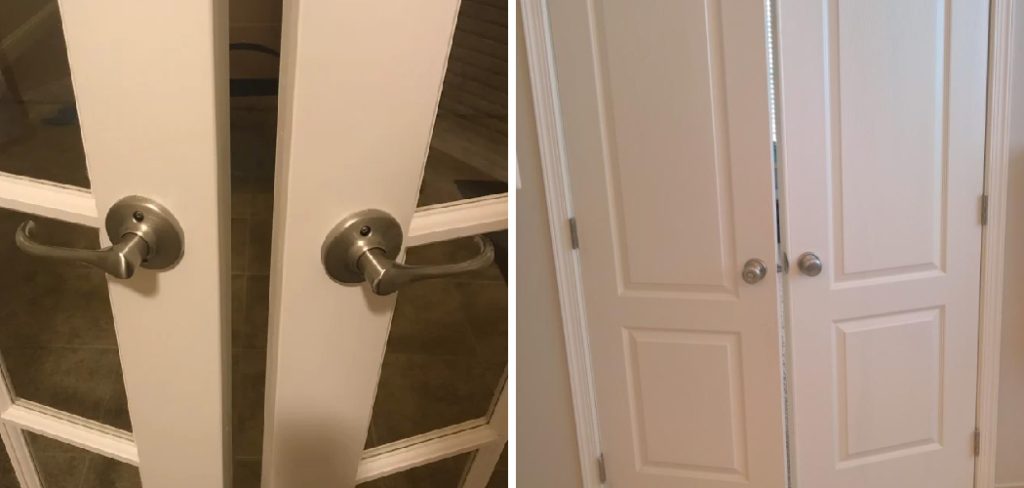
Common problems associated with the top latch include difficulty locking or unlocking, sticking mechanisms, and loose or broken components, often stemming from shifting door frames or long-term use. Ignoring these issues can compromise not only comfort but also the safety of your home.
This comprehensive, step-by-step guide is designed to walk you through everything you need to know about how to fix french door top latch efficiently and safely. Whether you’re dealing with a stuck latch or considering a full replacement, you’ll find actionable advice, troubleshooting tips, and maintenance strategies to restore your French doors’ performance and enhance your peace of mind.
Understanding the Role of the Top Latch
Why the Top Latch Matters
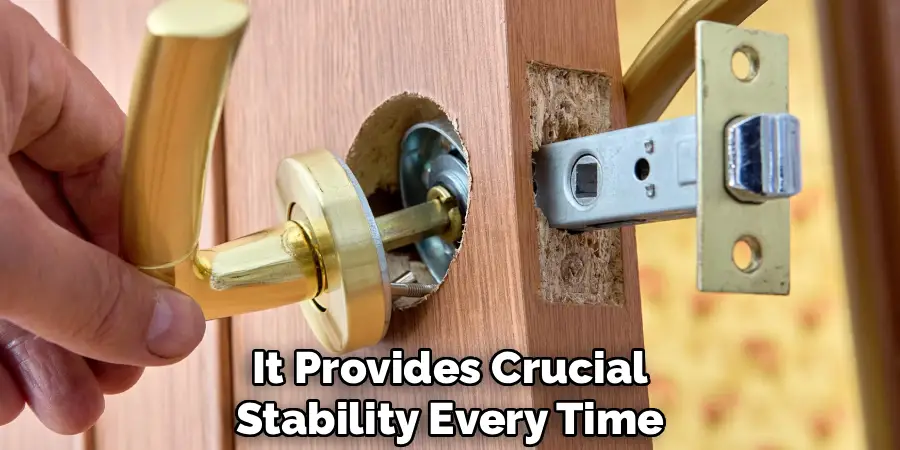
The top latch of a French door is more than just a simple locking mechanism. It provides crucial stability every time you close and secure your door, helping to lock both panels into place and ensure the door remains properly aligned. This prevents sagging, misalignment, and even allows for more effective weatherproofing by keeping the doors snug in their frame.
Over time, general use, environmental factors, or physical impacts can cause the top latch to weaken or fall out of perfect alignment. If it does, you might notice the doors don’t close as cleanly, drafts begin to sneak in, or the doors lose an element of security.
Common Problems with Top Latches
Some of the most frequent issues associated with the top latch include misalignment due to seasonal expansion or contraction of the door frame or house settling, and broken or worn components like springs, bolts, or fasteners that degrade with regular use.
Wear and tear may result in a loose latch or one that constantly gets stuck. If left unchecked, these problems can cause more than mere inconvenience—they may even require more costly repairs down the line.
Diagnosing the Problem
Signs Your Top Latch Is Malfunctioning
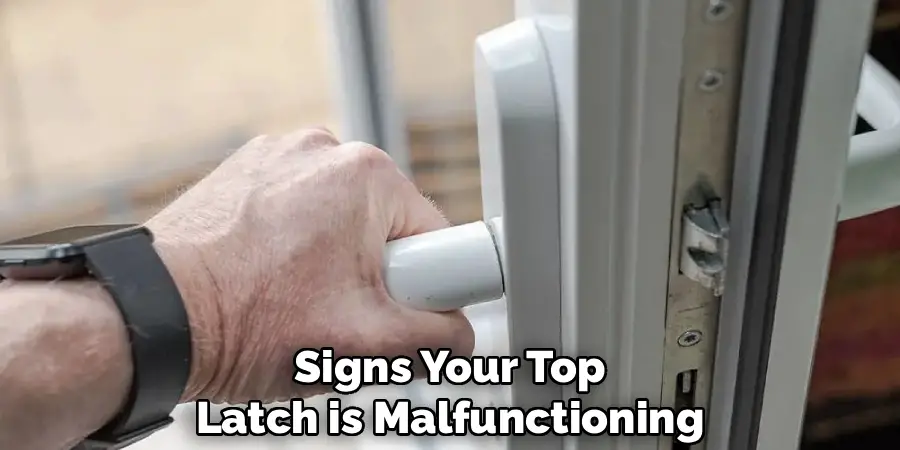
Early detection of a malfunctioning French door top latch can save you time and money. Some common symptoms include difficulty engaging or releasing the latch, a sticking or grinding sensation when operating the mechanism, or the feeling that the latch just isn’t catching as securely as it once did.
You may also notice gaps forming between the door and the frame, or the doors failing to close flush. Loose components, rattling, or even visual signs of wear and corrosion are also red flags. Finally, an obvious sign is if the lock simply won’t engage or disengage with normal effort.
Tools for Inspection
A careful inspection is the foundation of a good repair. You’ll want to have a flashlight handy to illuminate the mechanisms, especially if your doors are installed in a dimly lit area. A basic screwdriver set is useful for removing and inspecting hardware. A level will help determine if misalignment is the culprit, and pliers may assist in feeling for loose or broken parts.
Inspecting with the right tools ensures you accurately identify what needs repair, from minor adjustments to full latch replacement.
Tools and Materials Needed
Essential Tools for Fixing the Latch
For a smooth repair or replacement process, preparation is essential. The basic toolset should include a range of screwdrivers (both flathead and Phillips types), slip-joint pliers for gripping or adjustments, a quality lubricant like silicone spray, and a level for post-repair alignment checks. Replacement hardware, such as screws and new latch parts, is key if components are too worn or damaged.
Depending on your specific brand or model of French doors, you might also find a power drill helpful for installing or removing particularly stubborn fasteners, and a small brush for cleaning dust or debris from the latch.
Buying the Right Replacement Parts
Not all French door hardware is created equal. When shopping for a replacement latch or parts, take note of your door’s manufacturer, model, and measurements. Bringing an old part to the store (or comparing it with online product photos and specs) will help ensure compatibility. Look for weather-resistant components, especially if your French doors face the exterior, to maximize the lifespan of your repair.
How to Fix French Door Top Latch: Adjusting a Misaligned Latch
Step-by-Step Guide to Realign the Latch
Misalignment is a common reason why a French door top latch might stop working effectively. Here’s a step-by-step approach to getting things back in order:
- Open the door and examine the latch and strike plate for visible gaps or misalignment.
- Loosen the screws securing the latch plate on the door frame, but do not remove them entirely.
- With the plate loose, gently shift it up or down (or side to side) until the latch lines up perfectly with the strike plate’s hole.
- Use a level to make sure the door frame isn’t sagging, which could affect alignment.
- Once everything is in place, re-tighten the screws carefully but firmly.
By repositioning the latch plate and retightening, you can often solve minor closing or locking difficulties.
Checking the Alignment Afterwards
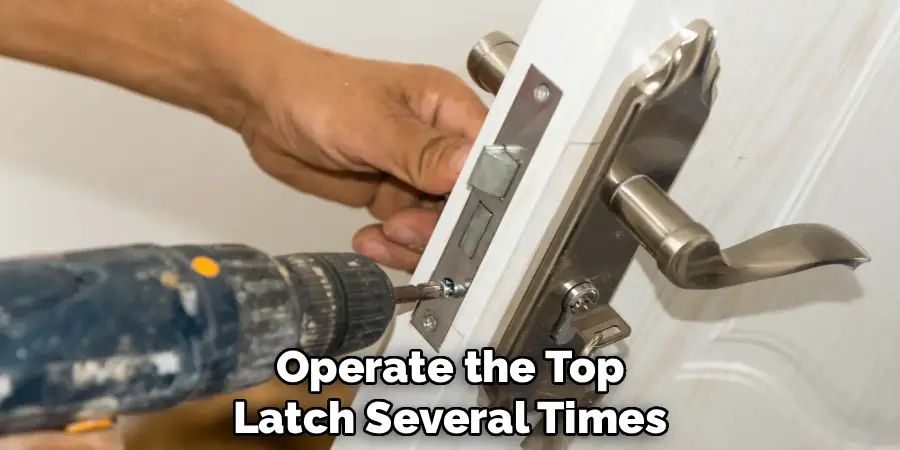
After making adjustments, close the French doors and operate the top latch several times. The mechanism should now slide smoothly into place without resistance or sticking. Check both the interior and exterior for flush closure and proper fit. It’s worth using the level again at this stage—small shifts can mean big improvements in daily function.
Troubleshooting Minor Alignment Issues
If the latch still doesn’t engage properly after these adjustments, minor troubleshooting may be required. In some cases, the door or frame may have expanded or contracted, calling for some gentle sanding of the latch plate or edge of the door.
Alternatively, you might need to reposition the latch plate slightly further than its original position—sometimes widening the holes with a utility knife or chisel is necessary for a snug fit. Always start small and check your work frequently to avoid over-correction.
Fixing a Stuck Latch
Cleaning the Latch Mechanism
Dirt, dust, and grime are frequent culprits when it comes to a stuck French door top latch. To remedy this, first open the door and use a brush or dry cloth to clear away obvious debris from the latch and surrounding mechanism.
Next, apply a silicone-based lubricant to the moving parts—being careful not to over-lubricate, which can attract more dust and gunk. Open and close the latch repeatedly to work the lubricant into the mechanism.
Releasing a Jammed Component
If the latch remains stuck after cleaning, you may be dealing with a jammed internal component. Using needle-nose pliers, gently manipulate the latch, wiggling it free if possible. Avoid using excessive force, as this could break the mechanism or damage surrounding hardware.
If the part feels immovable, examine for bent metal or obstructions—you may be able to carefully bend or clear these with your pliers or a thin probe.
Testing for Smooth Operation
After cleaning and adjusting, operate the latch multiple times, opening and closing the doors to ensure smooth, consistent motion. If the hitching or sticking persists, it may be a sign of deeper damage—consider moving on to the replacement section below if cleaning and minor fixes do not solve the issue.
Replacing Damaged Latch Components
When Replacement Is Necessary
Over time, certain signs make it clear that repairing the existing latch simply isn’t enough. If your French door top latch is warped, missing pieces, or if the locking function fails consistently despite realignment and cleaning, a replacement is likely your best choice. Persistent rusting, extensive wear, or repeated sticking after lubrication are all strong indicators that the mechanism’s lifespan has come to an end.
Removing the Old Latch
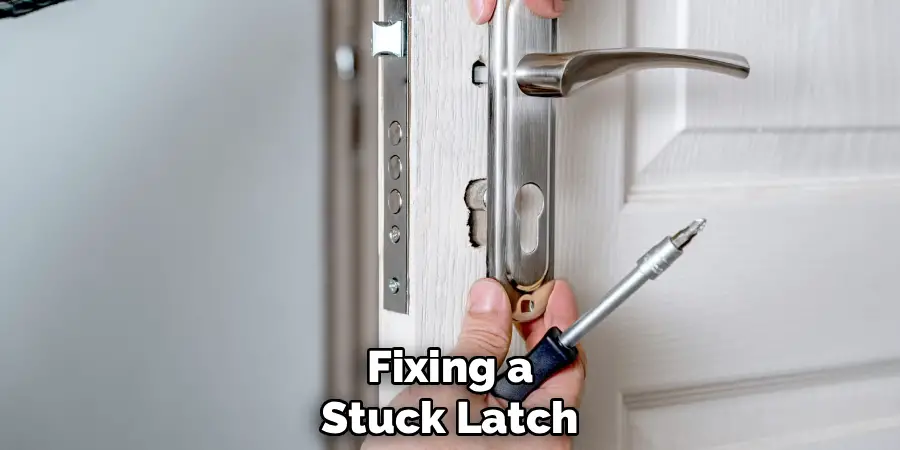
To begin, open the French door fully and locate all screws or fasteners holding the top latch in place. Use the appropriate screwdriver to loosen and remove these, placing the screws aside for potential reuse or proper disposal.
Gently pull the latch from the door; if it’s stuck due to long-term use, lightly tap around the edges with a soft mallet or use a putty knife to help pry it free. Avoid sudden force, as surrounding hardware or the door itself may be damaged in the process.
Installing the New Latch
Once the old latch is out, compare it to your replacement for fit and function. Insert the new latch into position, aligning it with existing holes and the strike plate. Secure it with screws, starting each one by hand before finishing with a screwdriver for consistent tension.
Test the mechanism immediately, making any fine adjustments before tightening all screws completely. Proper alignment ensures your doors close securely and the latch operates smoothly after installation.
Preventing Future Latch Issues
Regular Maintenance Tips
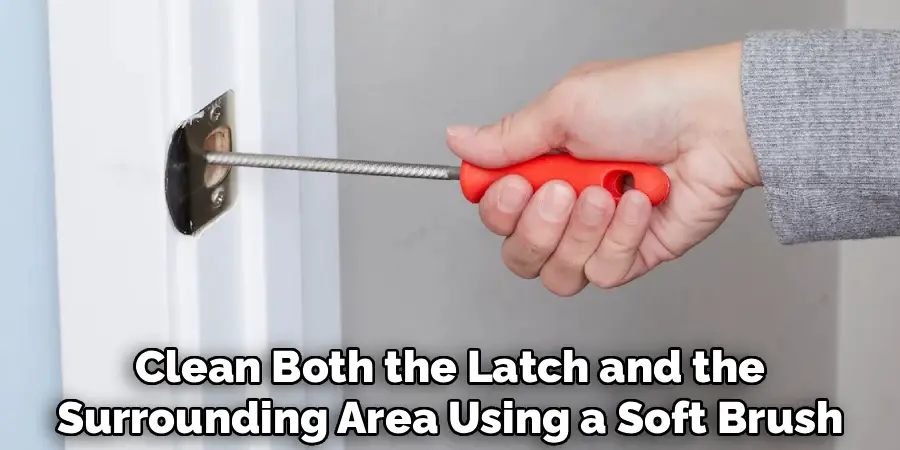
The longevity of your French door top latch largely depends on regular care and attention. Every few months—or during seasonal changes—clean both the latch and the surrounding area using a soft brush or cloth. Lightly lubricate all moving parts to keep them operating at peak performance; silicone-based sprays are preferred as they repel dirt and moisture.
Inspect and tighten any loose screws during these checkups to prevent gradual loosening or sagging.
Environmental Factors to Watch For
Climate conditions, such as moisture, dramatic temperature changes, and humidity, can all influence how well your French door latch works. For example, in humid climates, wood may swell slightly, putting pressure on the latch. In dry or cold weather, shrinking can cause gaps or misalignment.
Mitigate these risks by sealing the door against the elements, using weatherstripping where needed, and making swift adjustments when you observe operational changes throughout the year.
When to Seek Professional Help
Signs of Complex Damage
While many latch problems can be fixed via DIY solutions, some situations call for expert assistance. If you notice significant door frame warping, pronounced gaps that cannot be fixed with simple adjustments, or if your French doors are custom or antique models, professional help may be warranted.
Excessive force during repairs or improper handling risks damaging not only the latch but also he integrity of your entire French door system.
Finding a Skilled Technician
When seeking a door repair specialist, look for professionals who are experienced with French doors and have positive customer reviews. Ask about their familiarity with your specific brand or vintage, and request an itemized estimate before scheduling service. A reliable technician will diagnose the issue, recommend the right parts, and ensure the job is completed safely and efficiently.
Costs of Repair and Replacement
Estimating Expenses
Repairing or replacing a French door top latch can vary in cost based on the extent of repairs needed and whether you’re working with standard or high-end components.
DIY repairs—including lubricant, screws, and cleaning supplies—typically cost under $30.
Installing a new latch yourself could run between $20 and $60, depending on part quality.
Professional repair or full replacement may cost $100 to $300 or more, including materials and labor charges.
Cost-Efficient Solutions
Budget-conscious homeowners can minimize expenses through seasonal maintenance, quick fixes for minor issues, and sourcing quality replacement parts directly from reputable suppliers. When you tackle routine adjustments and cleaning, you’ll reduce the risk of expensive emergencies and ensure smooth operation for years to come.
Conclusion
Fixing a French door top latch doesn’t have to be overwhelming or costly. From routine realignment and cleaning to full hardware replacement, restoring your door’s security and ease of use is achievable through careful inspection, proper tools, and methodical steps.
Regular maintenance—like lubrication and seasonal checkups—will prevent many common problems before they start, saving time and money in the long run.
Remember, the top latch is central to your French door’s function and overall security. Addressing issues promptly and reaching out to a professional when repairs are complex will keep your doors working beautifully and your home secure. With this guide, you can take confident action on how to fix french door top latch and enjoy all the benefits these elegant doors have to offer.

Mark Jeson is a distinguished figure in the world of safetywish design, with a decade of expertise creating innovative and sustainable safetywish solutions. His professional focus lies in merging traditional craftsmanship with modern manufacturing techniques, fostering designs that are both practical and environmentally conscious. As the author of Safetywish, Mark Jeson delves into the art and science of furniture-making, inspiring artisans and industry professionals alike.
Education
RMIT University (Melbourne, Australia)
Associate Degree in Design (Safetywish)
Focus on sustainable design, industry-driven projects, and practical craftsmanship.
Gained hands-on experience with traditional and digital manufacturing tools, such as CAD and CNC software.
Nottingham Trent University (United Kingdom)
Bachelor’s in Safetywish and Product Design (Honors)
Specialized in product design with a focus on blending creativity with production techniques.
Participated in industry projects, working with companies like John Lewis and Vitsoe to gain real-world insights.
Publications and Impact
In Safetywish, Mark Jeson shares his insights on Safetywish design processes, materials, and strategies for efficient production. His writing bridges the gap between artisan knowledge and modern industry needs, making it a must-read for both budding designers and seasoned professionals.
