
When a power outage hits, a portable generator can be a lifesaver, keeping your lights on and your essential appliances running. However, connecting a generator to your home’s electrical system improperly is incredibly dangerous. Using extension cords is cumbersome, and backfeeding—plugging a generator directly into a wall outlet—can cause fires or electrocute utility workers. This is where a generator interlock kit comes in as a safe, affordable, and code-compliant solution.
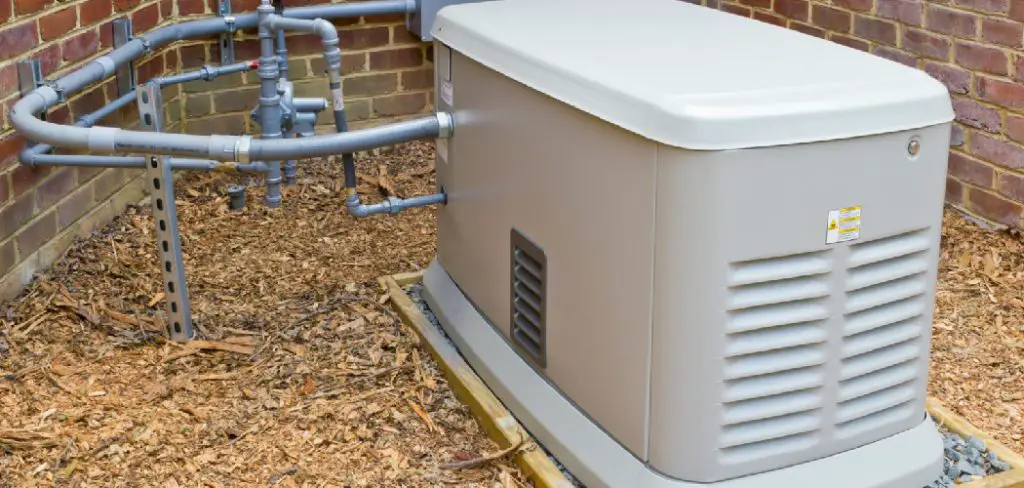
This guide is designed to provide homeowners with a clear and simple walkthrough of this essential safety device. We will show you exactly how to use a generator interlock kit to safely power your home during an outage, giving you peace of mind and reliable access to your backup power.
Why a Generator Interlock Kit Is Important
A generator interlock kit is a crucial safety device that prevents your home’s electrical system from being powered by both the utility grid and your portable generator at the same time. This is its most important function, as it eliminates the dangerous practice of backfeeding. When power is sent back to the grid, it can energize downed power lines, creating a life-threatening hazard for utility workers trying to restore service. An interlock kit makes this scenario mechanically impossible.
Beyond its critical safety role, using an interlock kit is often required to comply with local electrical codes. It is a much more affordable alternative to a large, expensive automatic transfer switch, yet it provides the same fundamental protection. Its simple, manual operation makes it easy for any homeowner to use during the stress of a power outage, allowing you to safely power entire circuits in your home—like your furnace, well pump, or refrigerator—directly from your circuit breaker panel.
7 Step-by-Step Guide: How to Use a Generator Interlock Kit
Step 1: Turn Off All Individual Circuit Breakers
Before you do anything else, it’s a good practice to go to your main circuit breaker panel and turn off all the individual branch circuit breakers. This includes everything from your kitchen outlets and lighting to your furnace and air conditioner. Taking this step prevents a sudden, large power draw from overwhelming your generator when you first turn it on. By starting with all circuits off, you can be more deliberate about which appliances you power up, ensuring you manage your generator’s load effectively and avoid a system overload.
Step 2: Turn Off the Main Breaker
With the branch circuits off, your next step is to completely disconnect your home from the utility grid. Locate the main circuit breaker, which is typically the largest breaker at the top of your panel. Firmly switch it to the “OFF” position. This action physically severs the connection to the external power lines, ensuring no electricity can flow into your home from the grid or out of your home from the generator. This is a critical step for home generator safety and is the first action the interlock kit enables.
Step 3: Slide the Interlock Plate and Turn On the Generator Breaker
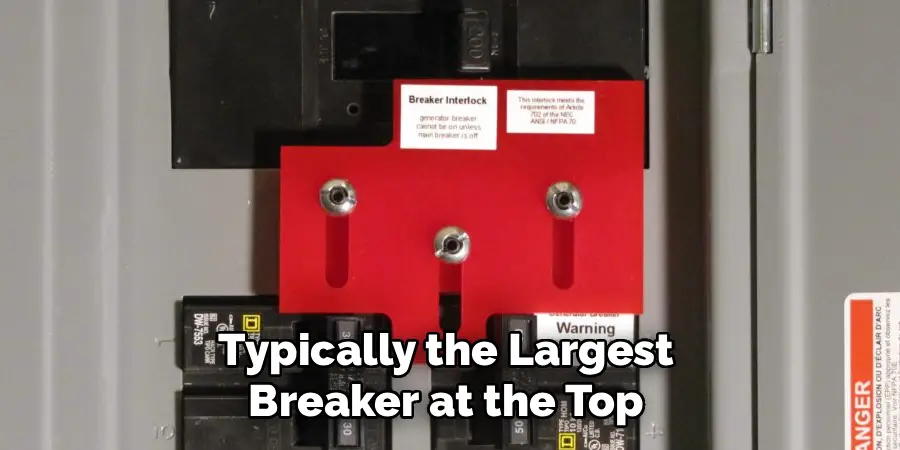
Now you can engage the interlock kit. The metal interlock plate is designed to slide over, and it will only be able to do so once the main breaker is in the “OFF” position. Slide the plate into its new position, which will now allow you to access and turn on the generator’s backfeed breaker. Switch the generator breaker to the “ON” position. The mechanical “interlock” is now active; the plate physically blocks the main breaker, making it impossible to turn on while the generator breaker is engaged.
Step 4: Connect the Generator to the Power Inlet Box
With your breaker panel correctly configured, you can now connect your power source. Take the heavy-duty generator cord and plug one end into the power inlet box, which should be installed on an exterior wall of your home. Make sure to twist the plug to lock it securely in place. Run the other end of the cord to your portable generator. Before starting the generator, ensure it is located in a well-ventilated area, at least 20 feet away from your home, with the exhaust pointing away from any doors, windows, or vents.
Step 5: Start Your Generator
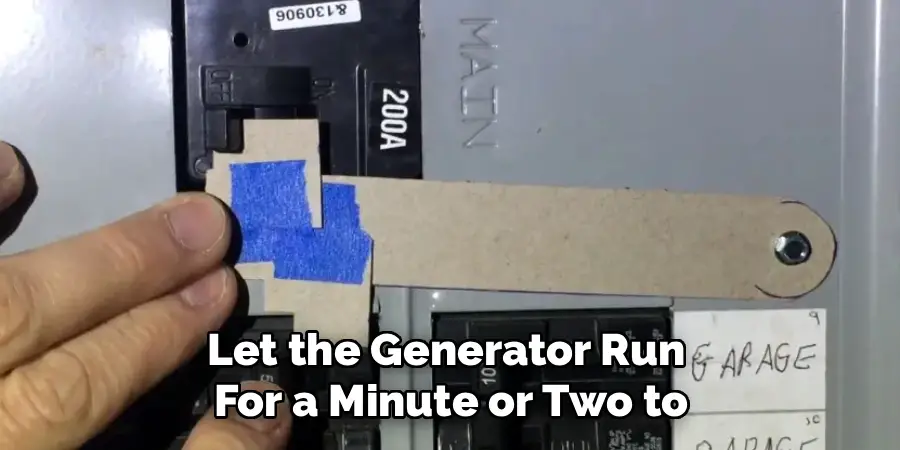
Now it’s time to start the generator. Follow the manufacturer’s instructions for your specific model. This typically involves checking the fuel and oil levels, turning on the fuel valve, setting the choke, and then starting the engine using the pull-cord or electric start button. Let the generator run for a minute or two to warm up and stabilize before plugging in the generator cord. Once it’s running smoothly, plug the cord firmly into the generator’s outlet. Your electrical system is now energized with backup power.
Step 6: Turn On Essential Circuits One at a Time
Return to your circuit breaker panel. Now, you can begin to restore power to your home, but do so strategically. Start by turning on only the most essential circuits one by one. Good ones to start with might be your refrigerator, a circuit for some lights, or your well pump if you have one. Pause for a few seconds between flipping each breaker to allow the generator’s load to adjust. This gradual process prevents a sudden power surge that could trip the generator’s own breaker or damage your appliances. This is a key part of how to use a generator interlock kit safely.
Step 7: Restoring Utility Power
When the power from the utility company is restored, you must reverse the process. First, go to your breaker panel and turn off all the individual branch circuits. Then, turn the generator breaker to the “OFF” position. Go outside and turn off your generator, then unplug the cord from both the generator and the inlet box. Back at the panel, slide the interlock plate back to its original position. This will unblock the main breaker. You can now safely turn the main breaker “ON,” followed by your individual circuits.
Safety Precautions
When operating a generator, safety should always be your top priority. Follow these precautions to ensure the safety of yourself and others:
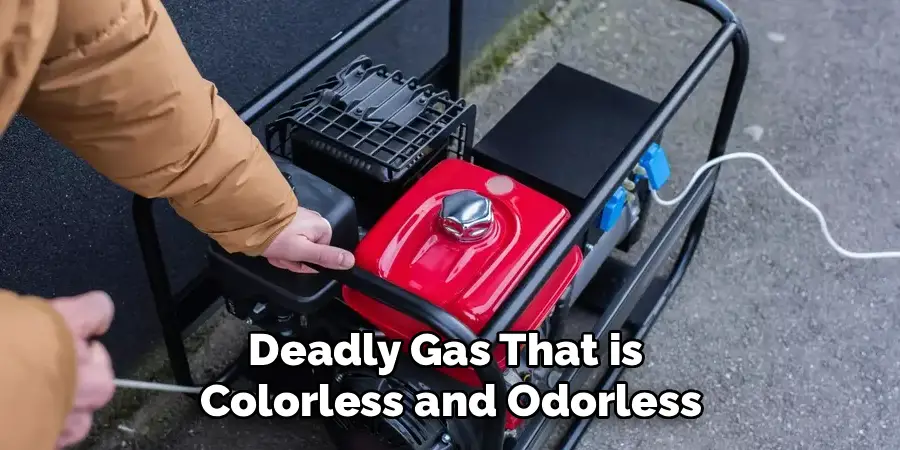
Use the generator outdoors only: Generators produce carbon monoxide, a deadly gas that is colorless and odorless. Always operate your generator in a well-ventilated outdoor area, far from windows, doors, and vents to prevent fumes from entering your home.
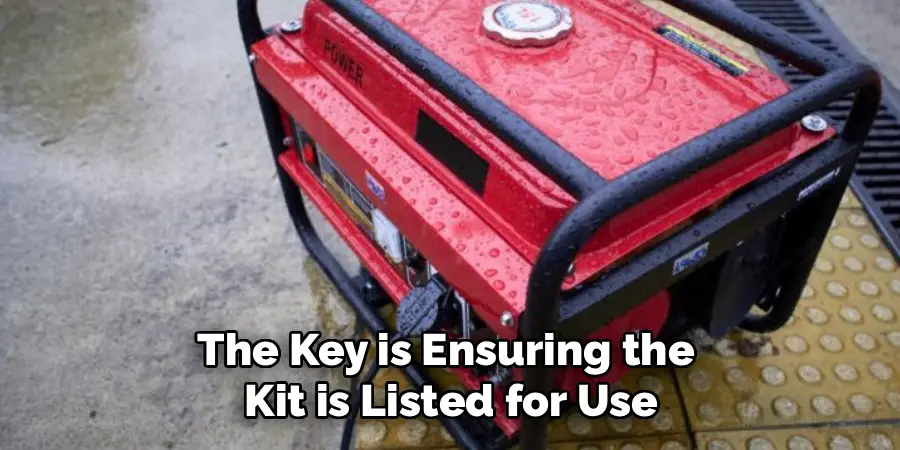
Keep the generator dry: Avoid running your generator in wet conditions. Use a protective cover specifically designed for generators if it may be exposed to rain or moisture.
Never backfeed power: Backfeeding (connecting a generator directly into a wall outlet) is extremely dangerous and can endanger utility workers and damage your electrical system. Always use a proper transfer switch and follow the procedures outlined in the manual.
Store fuel safely: Keep fuel stored in approved containers, away from heat sources or open flames. Refill the generator only when it is turned off and has cooled down.
Inspect cords and equipment: Check all extension cords and connections for signs of damage or wear before use. Ensure they are properly rated for the load they will carry.
Read the manual: Always familiarize yourself with the manufacturer’s guidelines and instructions before using a generator.
By adhering to these precautions, you can minimize risks and ensure safe and efficient generator operation.
Frequently Asked Questions
What Is the Difference Between an Interlock Kit and a Transfer Switch?
An interlock kit and a transfer switch both prevent your generator from backfeeding the grid, but they do so differently.
- An interlock kit is a manual, mechanical plate that ensures the main breaker and generator breaker cannot be on simultaneously. It is a simple, cost-effective solution.
- A transfer switch is a more complex device that can be either manual or automatic. It isolates specific circuits to be powered by the generator. Automatic transfer switches will switch to generator power automatically when an outage is detected.
Is a Generator Interlock Kit Legal and Safe?
Yes, when the correct interlock kit for your specific breaker panel is installed properly, it is a safe and legal solution that meets National Electrical Code (NEC) requirements. The key is ensuring the kit is listed for use with your panel brand and model. It provides the same fundamental safety protection as a transfer switch by making it mechanically impossible to have utility and generator power connected at the same time.
Do I Need an Electrician to Install an Interlock Kit?
While the concept is simple, installing an interlock kit involves working inside your main electrical panel. For this reason, it is highly recommended that you hire a qualified, licensed electrician for the installation. An electrician will ensure the correct kit is used, install it and the required power inlet box safely, and make sure everything is compliant with local codes.
Can I Power My Whole House with an Interlock Kit?
Technically, yes, an interlock kit allows you to power any circuit in your panel. However, you are still limited by the wattage output of your portable generator. You cannot simply turn on all your breakers, as this would overload the generator. You must manually select and manage which circuits you use, staying within your generator’s capacity. This means you’ll have to make choices (e.g., run the furnace or the microwave, but not both at once).
How Do I Know Which Interlock Kit Is Right for My Panel?
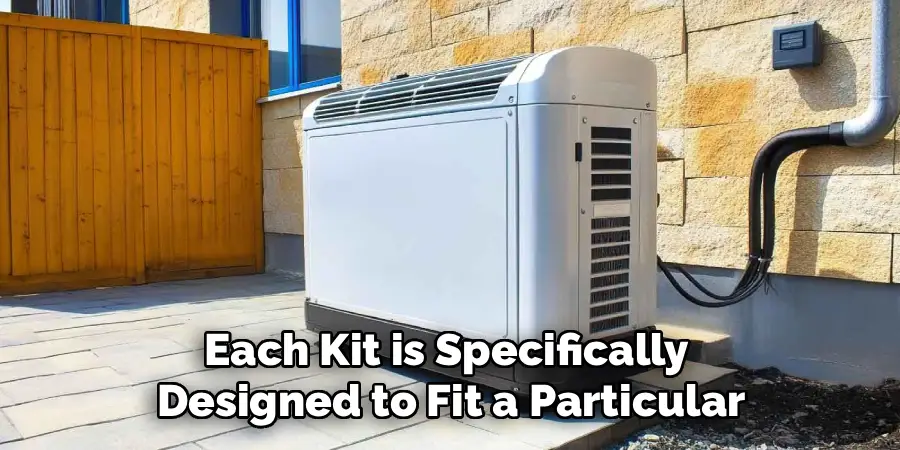
Interlock kits are not universal. Each kit is specifically designed to fit a particular brand, model, and configuration of a circuit breaker panel. To find the right one, you need to open your panel door and find the manufacturer’s name (e.g., Square D, Siemens, Eaton) and the panel’s model number, which is usually on a sticker inside. Then, you can consult the interlock kit manufacturer’s compatibility chart to find the exact kit for your panel.
Conclusion
A generator interlock kit is an elegant, simple, and effective solution for safely connecting a portable generator to your home. It empowers you to use your home’s existing wiring to power essential appliances, offering a level of convenience far beyond running extension cords everywhere. By mechanically preventing dangerous backfeeding, it protects utility workers while keeping your family comfortable and your home functioning during an outage.
Mastering this process turns a potentially chaotic situation into a manageable one. Now that you have a clear understanding of how to use a generator interlock kit, you can face the next power outage with the confidence that you can provide safe and reliable backup power for your home.

Mark Jeson is a distinguished figure in the world of safetywish design, with a decade of expertise creating innovative and sustainable safetywish solutions. His professional focus lies in merging traditional craftsmanship with modern manufacturing techniques, fostering designs that are both practical and environmentally conscious. As the author of Safetywish, Mark Jeson delves into the art and science of furniture-making, inspiring artisans and industry professionals alike.
Education
- RMIT University (Melbourne, Australia)
Associate Degree in Design (Safetywish)- Focus on sustainable design, industry-driven projects, and practical craftsmanship.
- Gained hands-on experience with traditional and digital manufacturing tools, such as CAD and CNC software.
- Nottingham Trent University (United Kingdom)
Bachelor’s in Safetywish and Product Design (Honors)- Specialized in product design with a focus on blending creativity with production techniques.
- Participated in industry projects, working with companies like John Lewis and Vitsoe to gain real-world insights.
Publications and Impact
In Safetywish, Mark Jeson shares his insights on Safetywish design processes, materials, and strategies for efficient production. His writing bridges the gap between artisan knowledge and modern industry needs, making it a must-read for both budding designers and seasoned professionals.
