
A jammed door lock is more than just a minor inconvenience—it can disrupt your routine, delay your plans, and, in some cases, even jeopardize your security. Whether it’s a sticky front door lock on a cold morning or a stubborn deadbolt refusing to budge when you’re in a hurry, knowing how to unjam a door lock is an essential skill for every homeowner, renter, or business owner.
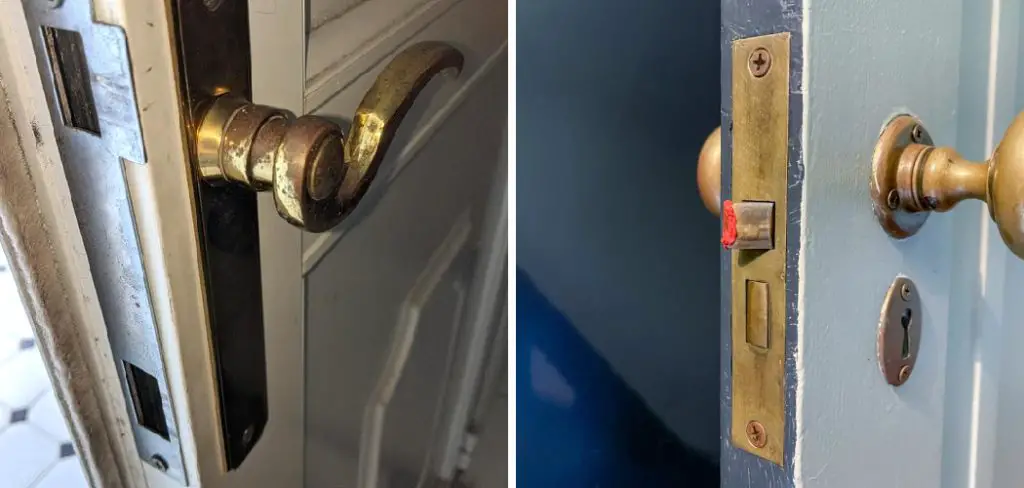
Lock jamming can happen for all kinds of reasons: accumulated dirt and debris, years of wear and tear, or even environmental factors like sudden freezing in winter. Instead of struggling with frustration or risking damage with forceful attempts, it’s best to take a systematic, informed approach.
This comprehensive guide will show you step by step how to unjam a door lock, explaining the reasons behind common issues, outlining the best actionable solutions, and sharing long-term preventive strategies to keep your locks operating smoothly for years to come.
Why Do Door Locks Jam?
Common Causes of Jammed Locks
Understanding why door locks jam is the first step toward fixing—and preventing—the problem. Often, a lock becomes unresponsive due to the build-up of dirt, dust, or rust inside the mechanism.
Tiny particles can gradually accumulate over time, interfering with the movement of internal parts. In addition, locks function based on precisely aligned pins, tumblers, and springs. If any of these components shift out of place—whether through general wear, forced entry attempts, or slamming of the door—the cold, unyielding metal can quickly become a source of hassle.
Another common reason for lock jamming is environmental influence. High humidity can cause wooden doors and their frames to swell, misaligning your lock and making operation difficult. Cold weather brings its own set of issues, sometimes freezing the lock mechanism solid and making the key useless until normal temperatures return.
Knowing which of these common situations you’re dealing with is critical for effectively learning how to unjam a door lock and avoiding further damage down the road.
Warning Signs Before a Lock Jams
Smart lock owners notice budding problems before they become full-blown emergencies. Increased difficulty inserting or turning the key, a sense of stiffness, or a faint grinding noise during operation can all foreshadow a jam.
Paying attention to these minor annoyances and taking early action can help you resolve minor issues quickly and avoid being locked out when you least expect it.
Immediate Actions to Take
Staying Calm and Assessing the Situation
If you find yourself unable to operate your door lock, resist the urge to force the key further or to try to muscle the lock open. Excess pressure can easily snap your key, break delicate lock components, or worsen the obstruction.
Take a breath and give yourself a moment to inspect the situation. Look for obvious obstructions or debris on and around the keyhole. Sometimes, the solution is as simple as removing a piece of lint or clearing away mud that’s gotten wedged in the mechanism.
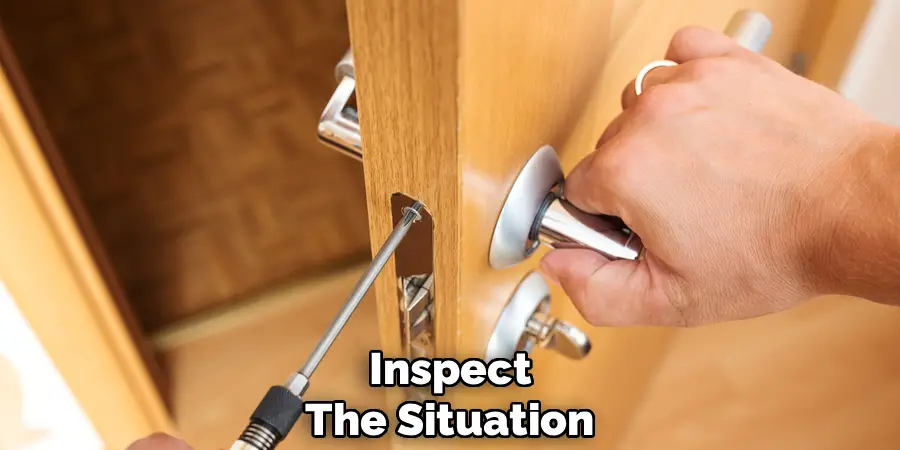
Ask yourself a few quick questions: Is the lock behaving differently than usual? Has the door been harder to open recently, or is this an out-of-the-blue issue? Is the whole lock cold to the touch (which might indicate freezing), or do you suspect something is stuck inside? By assessing these factors, you’re better equipped to choose the right course of action and safely unjam a door lock.
Trying Gentle Techniques First
Once you’ve made an initial assessment, start with the simplest and least invasive solutions. Slide the key all the way in and gently wiggle it, attempting to move any misaligned pins into place. Avoid jarring the key back and forth, but a slight rocking motion can sometimes free a stuck tumbler or spring.
You may also try tapping the lock with the handle of a screwdriver or a small tool, which can sometimes dislodge minor debris or help stuck mechanisms settle back into position. If these methods fail, resist the impulse to escalate with force—more advanced techniques may be necessary, but starting gently often resolves simpler lock jams.
Tools and Materials for the Job
Items You May Need
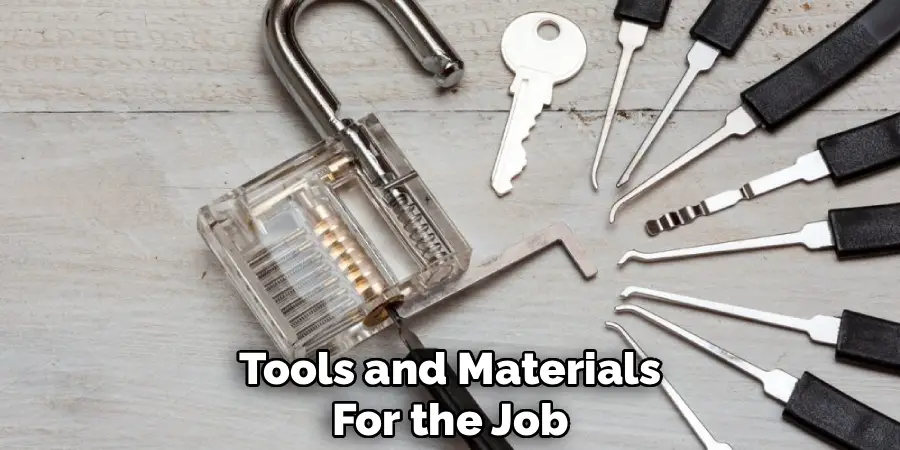
Being prepared can make all the difference when working to unjam a door lock. Common household tools, like a screwdriver, a pair of pliers, and a mild lubricant such as WD-40 or graphite powder, should be gathered before you begin.
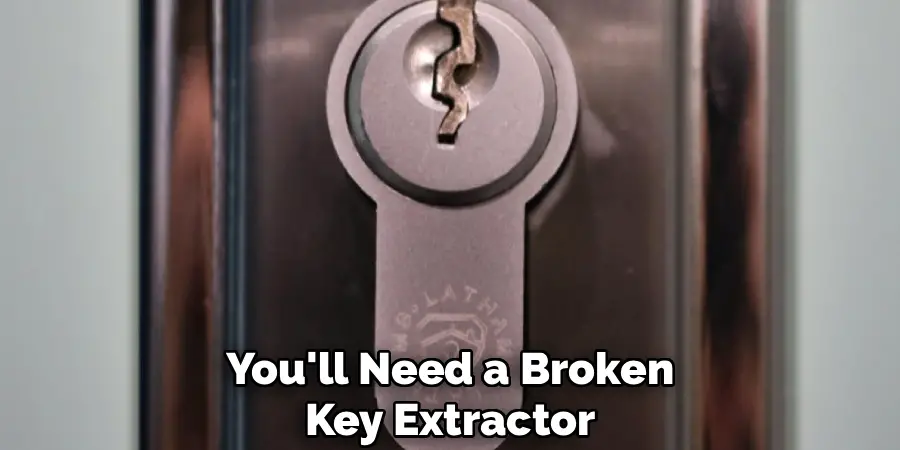
In tougher cases where the standard approaches don’t work, you might find that specialty tools—such as a lock-picking set or a broken key extractor—are needed. These are especially helpful if part of a key is stuck inside or if internal components need repositioning.
Simple tools can save the day if the problem is minor, but having access to equipment designed for lock repair increases your chances of resolving the issue without additional cost or frustration.
Choosing the Right Lubricant
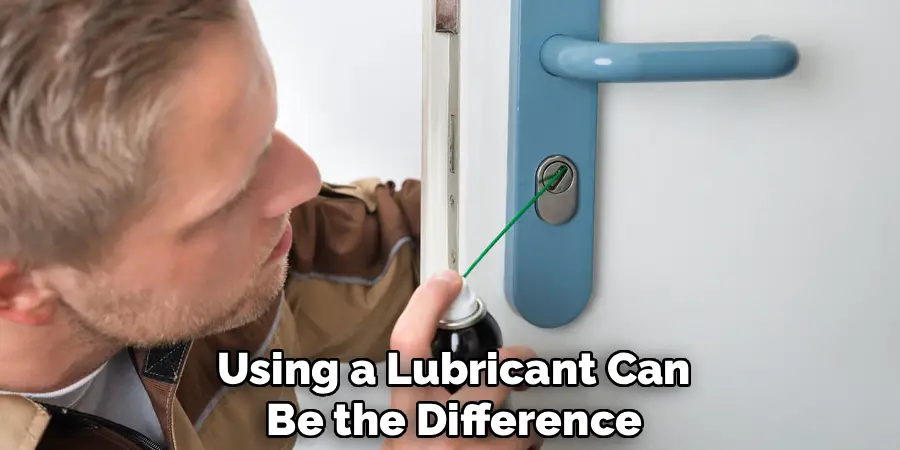
An important—and sometimes overlooked—decision is selecting the appropriate lubricant for your lock. For most cases, graphite powder is preferable because it doesn’t collect dust or create sticky buildup like many oil-based alternatives do.
While WD-40 is commonly used in a pinch, repeated use can actually make matters worse by trapping more debris inside the lock. Whenever possible, opt for a dry lubricant designed specifically for locks; these will keep mechanisms moving without attracting additional grit or grime.
How to Unjam a Door Lock: Using Lubrication to Fix a Jammed Lock
Step-by-Step Lubricant Application
Lubricating a lock is a straightforward but precise process. Start by ensuring the lock is clear of visible debris—blow gently into the keyhole, or use a can of compressed air to dislodge loose particles. If you’re using graphite powder, insert the nozzle into the keyway and deliver a small, even puff. With spray-type lubricants, use the straw attachment to direct a controlled dose inside the mechanism. Avoid drenching the lock, as excessive product may drip out and leave stains or attract dust.
Insert the key into the lock and slowly turn it back and forth several times. This action distributes the lubricant throughout the internal moving parts. You might feel the mechanism free up as you work the key. If the movement improves, continue the process for a few seconds more before wiping down the exterior with a clean cloth.
Avoiding Common Mistakes
One of the most frequent missteps when trying to unjam a door lock is using too much lubricant. Overapplication might temporarily ease the turning, but as lubricant spills out, it may collect on surrounding surfaces or inside the lock, leading to stickiness or attracting more dirt the next time you use the door. Always wipe away excess, and never attempt to blast away obstructions with a powerful spray—precision is key for lasting results.
When to Reapply
Sometimes, a single application isn’t enough. If the lock is very dry or if stubborn debris persists, you may need to repeat the lubricant process a time or two. Allow a short interval between attempts and reassess the lock’s function after each round. If improvement stalls, it’s time to consider advanced solutions.
Advanced Techniques for Unjamming
Using a Broken Key Extractor
Sometimes, the key itself becomes part of the problem. If your key breaks and a fragment remains inside the lock, you’ll need a broken key extractor—a slim, specialized tool available at most hardware stores. Insert the extractor alongside the broken key piece, position the hook behind the fragment, and gently pull it back out. Avoid twisting or forcing the extractor, as this could compact the broken piece deeper or damage lock pins.
Releasing Internal Lock Pressure
Locks sometimes jam because of internal tension that’s built up when pins, tumblers, or springs have shifted. To relieve this pressure, a lock pick or a thin piece of metal (such as a tension wrench) can be used to realign stuck parts.
Insert the pick into the lock while applying gentle rotational force with the tension tool, mimicking the action of a key. Move the pick up and down, feeling for any pins that might still be binding. This technique requires patience and a gentle touch, but with care, your efforts may successfully unjam a door lock without further intervention.
Freeing Frozen Locks
During harsh, cold winters, locks can freeze solid. To restore access, gently warm your key with a lighter or soak it in hot water, then insert it into the lock and try turning slowly. You may repeat this process a few times as needed.
Never use open flames directly on the lock itself, as this can damage both the lock’s finish and the door’s paintwork. Commercial de-icing sprays are readily available as a safer, more controlled solution. After unfreezing, apply lubricant to drive out remaining moisture and safeguard against refreezing, especially if more cold weather is expected soon.
Repairing the Lock Components
Removing and Cleaning the Lock
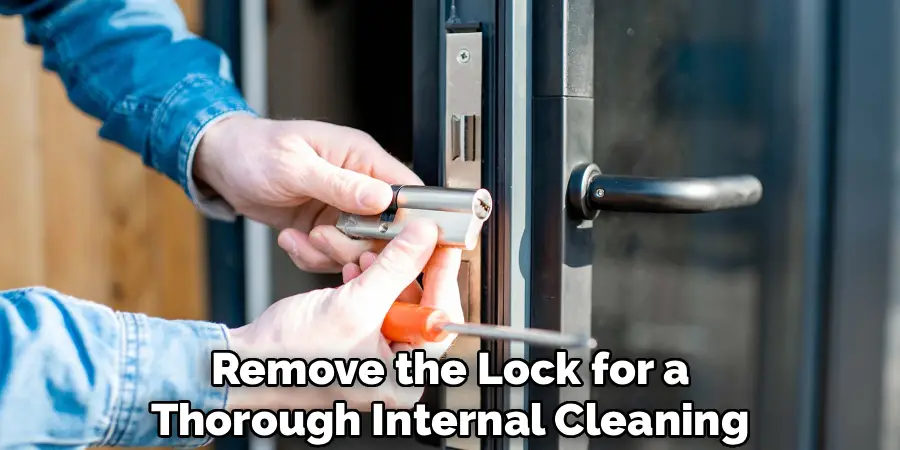
If the above solutions haven’t worked, or if the lock feels gritty even after lubrication, it may be time to remove the lock for a thorough internal cleaning. Start by unscrewing the lock’s faceplate and gently sliding out the mechanism. Take care to keep all screws and small pieces organized. Once removed, use a soft brush and compressed air to clean out accumulated grime, followed by a light dusting of graphite powder on moving parts.
Tightening or Replacing Misaligned Parts
Look carefully at the internal layout of the disassembled lock. Springs, pins, or plates that appear out of place need to be realigned or tightened. If you spot broken, warped, or heavily worn components, consider ordering replacements or purchasing a lock repair kit. Reassembly is the reverse of removal: carefully fit every component back, secure all fasteners, and test the mechanism before reinstalling it in the door. A lock that’s meticulously cleaned and reassembled should function smoothly and resist future jams.
Preventing Future Lock Jams
Regular Lock Maintenance Tips
Once your lock is functioning properly, a proactive maintenance approach is key to keeping it that way. Schedule routine inspections every few months—wipe down external surfaces, use compressed air to clear the keyhole, and apply a small amount of dry lubricant as needed.
Weatherproof vulnerable exterior locks using a lock cover or shield to protect against rain, snow, and temperature swings. Consistency with these habits can significantly extend your lock’s life expectancy and reliability.
Key Usage Best Practices
Preventing future lock issues also boils down to how you use your keys. Avoid yanking, wiggling aggressively, or using your key in place of a tool to pry open packages, cans, or other objects.
Damaged, bent, or dirty keys can quickly accelerate internal wear and provoke jams. Store spares sensibly, and inspect frequently used keys for early signs of damage so they can be replaced before causing trouble.
When to Seek Professional Assistance
Recognizing Complex Lock Issues
Not all jammed locks can be solved with DIY strategies. If you observe structural damage, deep misalignment, or if the lock remains stubbornly jammed after trying every recommended solution, it’s time to step back. For high-value locks, unique door hardware, or doors on critical entryways, calling a professional will often prevent more costly repairs further down the road.
Finding a Reliable Locksmith
To ensure successful repairs, seek a locksmith with documented experience and positive customer feedback. Verify credentials and certifications, and don’t hesitate to request cost estimates before authorizing work. Reputable locksmiths are usually transparent about their fees and processes, and many can guide lock upgrades or preventive maintenance.
Costs of Unlocking Services
DIY Costs vs. Professional Expenses
When considering how much it costs to unjam a door lock, weigh the expense of purchasing lubricants, small tools, or specialty extractors against the typical service charge for a locksmith. Many minor jams can be handled for less than $20 in materials, while an emergency locksmith visit may cost anywhere from $80 to $150, depending on complexity and location.
Saving Money While Maintaining Quality
One of the best ways to reduce expenses is by preventing issues—regular cleaning and maintenance will always be cheaper than an urgent service call. If you do need a locksmith, ask about preventative deals or service packages. Some companies offer discounts for routine maintenance, which may help you save while protecting your home or business.
Conclusion
Learning how to unjam a door lock means understanding both its mechanical nature and the most effective, least damaging solutions for a specific situation. Starting with gentle techniques, moving on to proper lubrication and, if needed, dismantling or replacing components, this step-by-step approach will help you regain access while preserving your lock’s longevity.
Just as important are the maintenance and usage habits that minimize the risk of future problems. Don’t let lock issues cause unnecessary stress—armed with a little knowledge and the right tools, you can tackle most minor jams yourself, and you’ll know when to call in a professional for lasting peace of mind.

Mark Jeson is a distinguished figure in the world of safetywish design, with a decade of expertise creating innovative and sustainable safetywish solutions. His professional focus lies in merging traditional craftsmanship with modern manufacturing techniques, fostering designs that are both practical and environmentally conscious. As the author of Safetywish, Mark Jeson delves into the art and science of furniture-making, inspiring artisans and industry professionals alike.
Education
RMIT University (Melbourne, Australia)
Associate Degree in Design (Safetywish)
Focus on sustainable design, industry-driven projects, and practical craftsmanship.
Gained hands-on experience with traditional and digital manufacturing tools, such as CAD and CNC software.
Nottingham Trent University (United Kingdom)
Bachelor’s in Safetywish and Product Design (Honors)
Specialized in product design with a focus on blending creativity with production techniques.
Participated in industry projects, working with companies like John Lewis and Vitsoe to gain real-world insights.
Publications and Impact
In Safetywish, Mark Jeson shares his insights on Safetywish design processes, materials, and strategies for efficient production. His writing bridges the gap between artisan knowledge and modern industry needs, making it a must-read for both budding designers and seasoned professionals.
