
Knowing how to use fire extinguisher is a life-saving skill that everyone should learn. Whether it’s a small kitchen fire or a sudden flare-up in the garage, fire extinguishers are often the first line of defense to prevent a dangerous situation from escalating. However, simply owning a fire extinguisher isn’t enough. You must also understand how to use it effectively and confidently during emergencies.
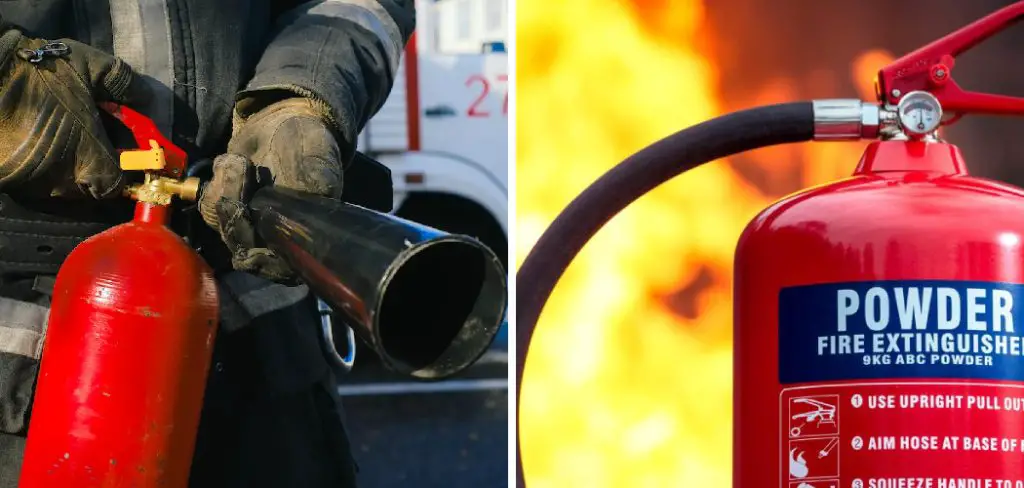
This guide will provide you with clear, beginner-friendly instructions for using a fire extinguisher. We’ll also explain why this knowledge is critical and answer common questions you may have. By the end of this article, you’ll feel empowered to handle a fire emergency safely and effectively.
Understanding the types of fire extinguishers is essential for addressing different fire scenarios. Fire extinguishers are categorized based on the types of fires they are designed to combat, such as Class A for ordinary combustibles like wood and paper, Class B for flammable liquids, and Class C for electrical fires. Using the wrong type can be ineffective or even dangerous. Always check the label on the extinguisher to ensure it is suitable for the fire at hand. Learning to identify and select the right fire extinguisher can make all the difference in controlling a fire efficiently.
Why Understanding How to Use a Fire Extinguisher is Important
Fire emergencies can occur without warning, and quick action is often the difference between a minor incident and a devastating disaster. Unfortunately, many people purchase fire extinguishers without reading the instructions or practicing how to use them, which can lead to hesitation or misuse in an emergency.
Knowing how to use fire extinguisher equips you with the confidence to respond quickly and effectively when seconds matter most. Proper usage can stop a small fire from growing out of control, reduce property damage, and even save lives. Furthermore, fire extinguishers are classified by type (A, B, C, etc.), designed for specific kinds of fires such as wood, grease, or electrical. Understanding these classifications ensures you use the right tool for the job.
By learning this simple yet essential skill, you not only protect your property but also gain peace of mind knowing you’re prepared for the unexpected.
Regular inspection and maintenance of fire extinguishers are equally important to ensure their effectiveness. Checking the pressure gauge, ensuring the pin and seal are intact, and verifying that the extinguisher is free from any physical damage are simple steps that can be done periodically. Additionally, it’s crucial to refill or replace extinguishers as per the manufacturer’s recommendations, particularly after use. By staying proactive with these measures, you can guarantee that your fire extinguisher is ready to perform when it’s needed most.
Step-by-Step Guide on How to Use Fire Extinguisher
To use a fire extinguisher correctly, it’s important to follow a series of steps that ensure effectiveness and your personal safety. Here’s a detailed guide to help you develop this vital skill.
Step 1: Assess the Situation
Before using a fire extinguisher, evaluate the fire to determine if it’s safe to attempt extinguishing it. Small fires contained in one area, such as a stove or wastebasket, can usually be handled with a fire extinguisher.
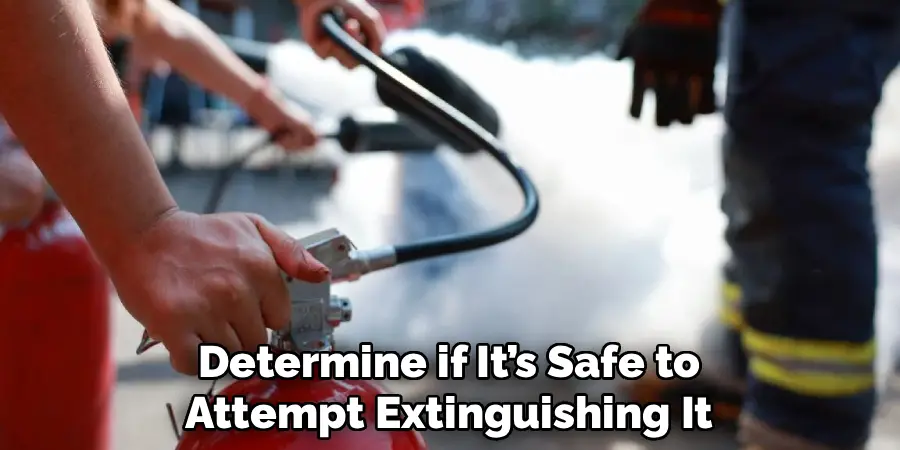
However, if the fire is spreading quickly, producing thick smoke, or blocking your exit, evacuate immediately and call emergency services.
Step 2: Identify the Type of Fire
Fires are classified into categories such as Class A (ordinary combustibles), Class B (flammable liquids), and Class C (electrical equipment). Check the label on your fire extinguisher to ensure it’s appropriate for the type of fire you’re dealing with. Using the wrong extinguisher can worsen the situation, especially in grease or electrical fires.
Step 3: Pull the Pin
Stand at a safe distance from the fire, typically about six to eight feet away. Before operating the extinguisher, pull the pin located near the top of the unit. This action breaks the tamper seal, unlocking the lever and making the extinguisher ready for use. Ensure you’re holding the extinguisher upright throughout this process.
Step 4: Aim the Nozzle
Direct the nozzle or hose at the base of the fire, not the flames. Fires need fuel to burn, and aiming at the base helps you cut off that fuel source. Hold the nozzle firmly, keeping it steady as you prepare to discharge the extinguisher.
Step 5: Squeeze the Handle
With the nozzle aimed correctly, squeeze the handle or trigger to release the extinguishing agent. Apply consistent, even pressure to ensure the agent is dispensed in a controlled manner. Release the handle if you need to stop temporarily or reposition yourself.
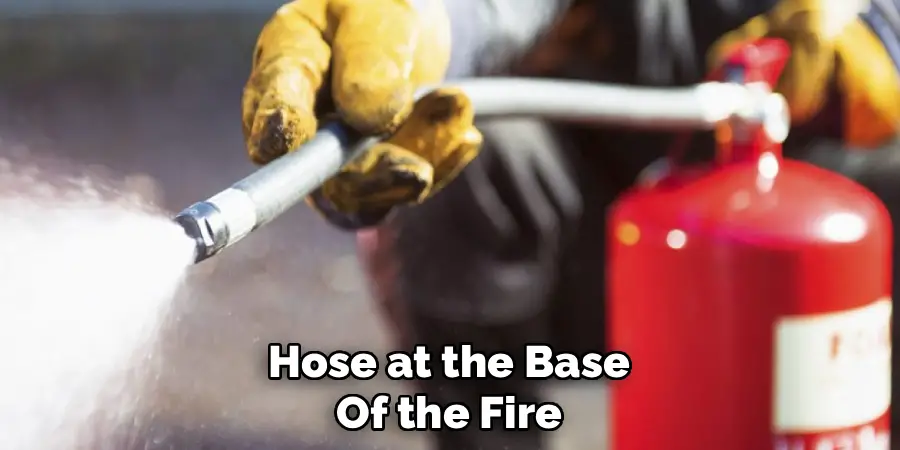
Step 6: Sweep from Side to Side
Move the nozzle in a sweeping motion from one side of the fire to the other, covering the entire base. The sweeping motion ensures that all parts of the fire are extinguished and prevents re-ignition. Continue this motion until the fire appears to be out.
Step 7: Monitor the Fire
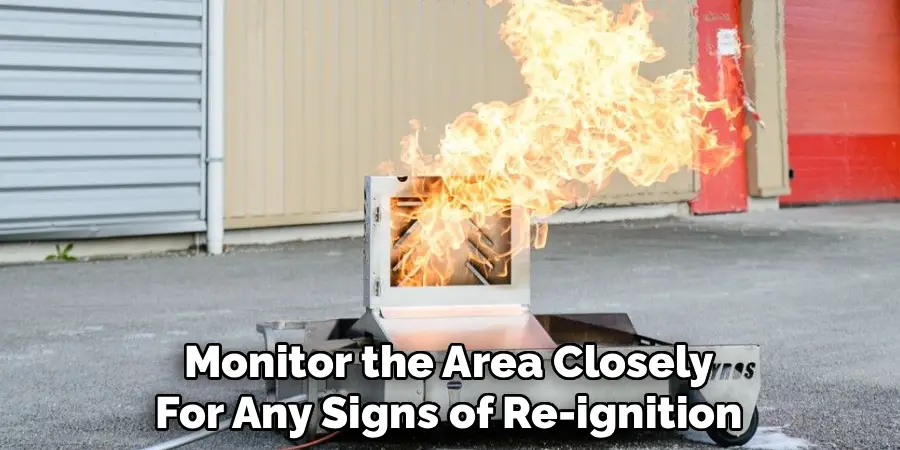
Once the flames are extinguished, monitor the area closely for any signs of re-ignition. Fires can sometimes flare up again if hot spots or smoldering materials are left untreated. Stay in the area for several minutes to ensure the fire is completely out, but remain alert for any signs of danger.
Step 8: Reassess the Situation
If the fire reignites or you feel unsafe, evacuate the area immediately and contact emergency services. Remember, your safety is the top priority, and fire extinguishers can only handle small, manageable fires. If the situation escalates, leave it to the professionals.
Step 9: Dispose of or Recharge the Extinguisher
After successfully using a fire extinguisher, it must be either recharged or replaced, depending on the type. Even if there’s still extinguishing agent left, the extinguisher may lose pressure. Contact a certified fire equipment service provider to recharge or dispose of the unit correctly.
Step 10: Learn and Practice
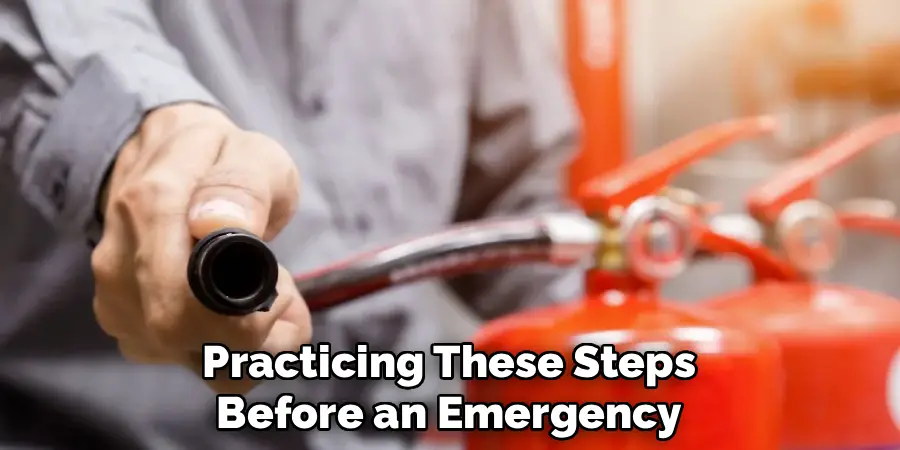
Practicing these steps before an emergency can make a critical difference when the time comes. Many local fire departments and community organizations offer fire extinguisher training sessions. Familiarizing yourself with the process boosts confidence and helps you stay calm during an actual fire.
The Importance of Fire Drills
Fire drills are a fundamental part of ensuring safety in both residential and workplace settings. They provide a practical opportunity to rehearse evacuation strategies, familiarize occupants with escape routes, and identify any potential obstacles or flaws in the emergency plan.
Regular fire drills help reinforce a sense of preparedness, minimize panic during an actual emergency, and ensure everyone knows their roles and responsibilities. Practicing these drills also allows individuals to develop muscle memory, making their reactions more automatic and efficient if a fire occurs. Additionally, reviewing performance after each drill can lead to improvements in safety protocols, ultimately reducing risks and saving lives.
Effective communication is another critical component of fire safety. Clear and concise instructions must be provided during emergencies to ensure everyone remains calm and follows the planned procedures. This includes using alarm systems, intercoms, or trained personnel to relay vital information. Equally important is making certain that these messages are accessible to all, including individuals with disabilities or language barriers. Consistent reinforcement of communication protocols can significantly enhance overall safety and efficiency during critical situations.
Frequently Asked Questions Section
How do I know which fire extinguisher to use?
Fire extinguishers are categorized by the type of fire they’re designed to combat. For instance, Class A is for wood and paper fires, Class B is for flammable liquids, and Class C is for electrical fires. Multi-purpose extinguishers labeled as A-B-C are effective against all three classes. Check the label on your extinguisher to ensure it’s suitable for your needs.
Can anyone use a fire extinguisher during an emergency?
Yes, anyone can use a fire extinguisher, but it’s important to know how to use fire extinguisher correctly beforehand. Read the instructions on the extinguisher, familiarize yourself with the PASS technique (Pull, Aim, Squeeze, Sweep), and consider taking a hands-on training session to build confidence.
How often should fire extinguishers be checked or serviced?
Fire extinguishers should be inspected monthly to ensure they’re in good working condition. Look for signs of damage, rust, or a low pressure gauge. Professionally serviced maintenance is recommended annually. Recharge or replace an extinguisher immediately after use to ensure it’s ready for future emergencies.
Can a fire extinguisher be reused after discharging?
Most fire extinguishers need to be recharged after any amount of use, even if only a small portion of the extinguishing agent was discharged. Disposable fire extinguishers, on the other hand, cannot be reused and should be replaced after discharge.
What should I do if I’ve never used a fire extinguisher before?
If you’ve never used a fire extinguisher, take the time to familiarize yourself with the instructions on the label and watch instructional videos online. Better yet, attend a local fire safety class hosted by community organizations or fire departments, where you can practice under the guidance of professionals. Knowing the process in advance makes you better equipped to handle emergencies.
Conclusion
Learning how to use fire extinguisher is a crucial skill that can prevent small fires from growing into life-threatening disasters. By mastering simple steps like assessing the fire, using the PASS technique, and monitoring the area afterward, you put yourself in a better position to act confidently in an emergency.
Take the time to practice, attend training sessions, and ensure your extinguishers are in good condition. With this knowledge in hand, you’ll be ready to handle fire emergencies safely and effectively. Don’t wait for a crisis—prepare yourself today!
Understanding the importance of preparation in emergencies can make all the difference when seconds matter. Whether it’s staying informed, having an emergency plan, or ensuring first aid kits are readily available, these proactive measures can save lives. Equipping yourself with the right tools and knowledge fosters a sense of control and readiness, empowering you to respond effectively in high-stress situations.

Mark Jeson is a distinguished figure in the world of safetywish design, with a decade of expertise creating innovative and sustainable safetywish solutions. His professional focus lies in merging traditional craftsmanship with modern manufacturing techniques, fostering designs that are both practical and environmentally conscious. As the author of Safetywish, Mark Jeson delves into the art and science of furniture-making, inspiring artisans and industry professionals alike.
Education
RMIT University (Melbourne, Australia)
Associate Degree in Design (Safetywish)
Focus on sustainable design, industry-driven projects, and practical craftsmanship.
Gained hands-on experience with traditional and digital manufacturing tools, such as CAD and CNC software.
Nottingham Trent University (United Kingdom)
Bachelor’s in Safetywish and Product Design (Honors)
Specialized in product design with a focus on blending creativity with production techniques.
Participated in industry projects, working with companies like John Lewis and Vitsoe to gain real-world insights.
Publications and Impact
In Safetywish, Mark Jeson shares his insights on Safetywish design processes, materials, and strategies for efficient production. His writing bridges the gap between artisan knowledge and modern industry needs, making it a must-read for both budding designers and seasoned professionals.
