
Personal safety is a priority for everyone, and having tools that offer peace of mind can make a significant difference in your daily life. A safety keychain is a compact, customizable, and effective way to carry essential self-defense and emergency items with you at all times. By learning how to make safety keychains, you can create a personalized tool that suits your specific needs and style.
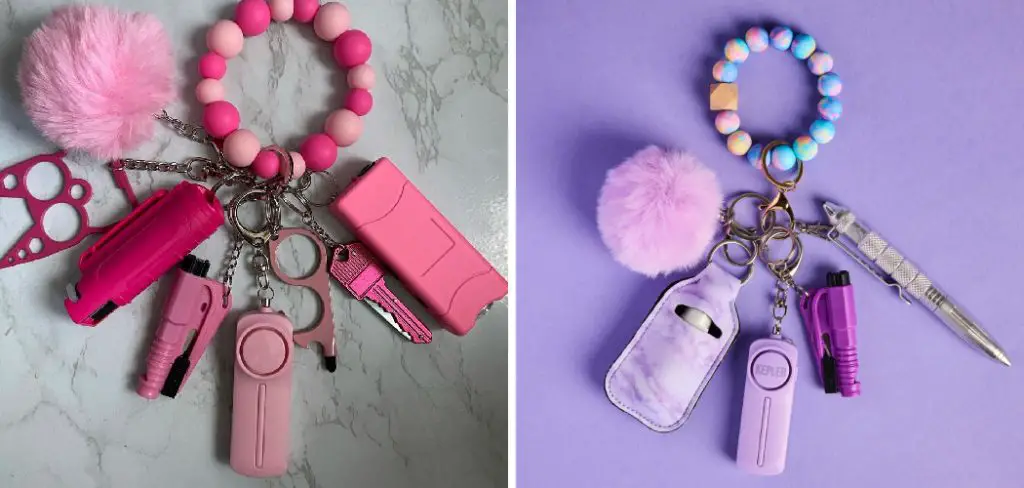
This guide will walk you through the entire process, from selecting your tools to assembling them into a functional and accessible accessory. Whether you’re making one for yourself, a friend, or a family member, this project is both practical and empowering.
Safety keychains are more than just handy everyday items—they’re a commitment to preparedness and personal security. With the right combination of tools and design, they can provide peace of mind and a sense of empowerment in various situations. This guide will help you understand the importance of safety keychains and how to build one that fits seamlessly into your daily routine.
Why Make Safety Keychains?
Creating your own safety keychain offers a unique blend of personalization and preparedness. Commercial options are available, but they often come with a one-size-fits-all approach. When you make your own, you have complete control over the tools included. You can choose a high-decibel personal alarm, a powerful pepper spray, a window breaker for car emergencies, or a small but bright LED flashlight. This customization ensures that your keychain is perfectly suited to your daily routines and potential risks.
Step-by-Step Guide: How to Make Safety Keychains
This guide will break down the process into simple, manageable steps. Following these instructions will help you create a reliable and personalized safety accessory that you can carry with confidence.
Step 1: Gather Your Materials
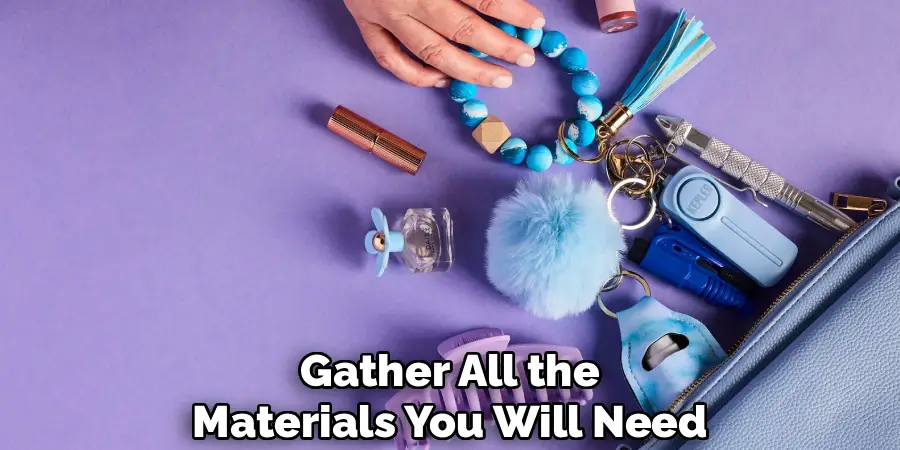
The first step is to collect all the necessary components. You will need a sturdy keychain or carabiner to serve as the base. This is the foundation of your kit, so choose one that is durable and can hold multiple items without breaking. Next, select your safety tools. Popular choices include a personal alarm, a small container of pepper spray, a Kubotan (a pointed self-defense tool), a seatbelt cutter, a window breaker, and a small LED flashlight. Finally, gather your assembly items, such as strong split rings to attach each tool securely to the main keychain.
Step 2: Choose Your Keychain Base
The base of your safety keychain is crucial for both durability and accessibility. A heavy-duty carabiner is an excellent choice because it can be easily clipped onto a belt loop, purse strap, or backpack, ensuring it’s always within reach. Look for a locking carabiner for added security, which prevents it from accidentally detaching. Alternatively, a traditional, sturdy key ring can work well if you prefer to keep your safety items with your keys. Consider the weight and size of the tools you plan to attach when selecting your base to ensure it can support them comfortably.
Step 3: Select Your Personal Alarm
A personal alarm is one of the most effective non-violent safety tools you can carry. When activated, it emits an extremely loud siren—often 130 decibels or more—that can disorient an attacker and attract attention from people nearby. When choosing an alarm, look for one that is easy to activate, usually by pulling a pin. This design prevents accidental activation while making it quick to use in an emergency. Check the battery type and ensure it is easy to replace. Some models also include a flashing strobe light to further draw attention, adding another layer of protection.
Step 4: Add a Defensive Tool Like Pepper Spray
Including a defensive tool such as pepper spray can provide a crucial means of self-protection. Pepper spray, or OC spray, causes temporary blindness, respiratory distress, and a painful burning sensation, giving you an opportunity to escape a dangerous situation. When selecting a spray, consider its size, range, and spray pattern (stream, cone, or fog). A stream pattern is often recommended as it is less affected by wind and reduces the risk of blowback. Always check your local laws regarding the legality and permitted strength of pepper spray before purchasing and adding it to your keychain.
Step 5: Incorporate an Emergency Escape Tool
An emergency escape tool is a vital component, especially for those who spend a lot of time in a vehicle. These compact devices typically combine a seatbelt cutter and a window breaker. The shielded blade of the seatbelt cutter allows you to slice through a jammed seatbelt quickly, while the hardened steel point can shatter a side window with minimal effort. This tool can be life-saving in the event of a car accident where you might be trapped. Choose a model that is lightweight yet robust and can be easily handled in a high-stress situation.
Step 6: Consider Adding a Kubotan
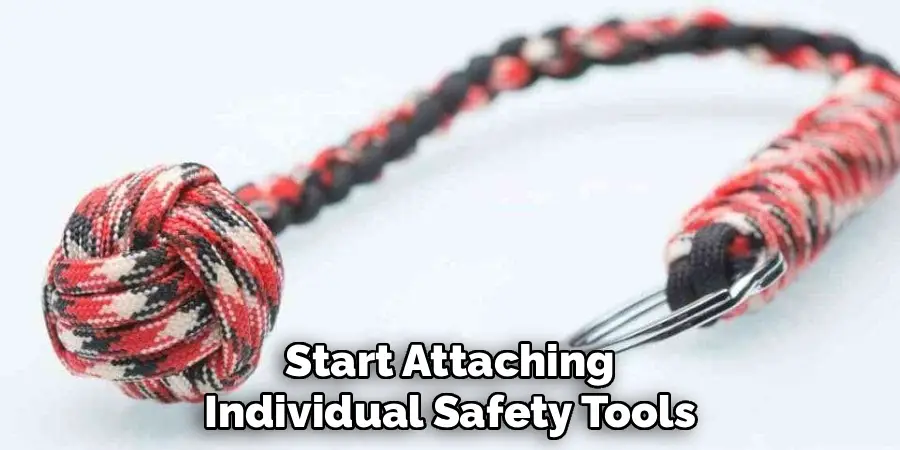
A Kubotan is a simple yet effective self-defense tool that attaches easily to your keychain. It is a small, ridged rod, typically made of plastic or metal, that can be used to strike an assailant’s vulnerable pressure points. Its effectiveness lies in its ability to concentrate the force of a strike onto a small area, causing significant pain without requiring immense strength from the user. For those learning how to make safety keychains, a Kubotan is a great non-lethal option that is legal in most places. It can also be used as a small window-breaking tool in an emergency.
Step 7: Attach an LED Flashlight
A small, powerful LED flashlight is an incredibly useful addition to any safety keychain. It can help you find your way in the dark, locate your keys, or check your surroundings for potential threats. A bright light can also be used defensively to temporarily disorient an attacker by shining it directly in their eyes. Look for a compact, lightweight model with a durable casing, preferably made of aluminum. Many keychain-sized flashlights offer surprising brightness and long battery life, making them a practical and versatile tool for everyday safety and convenience.
Step 8: Assemble Your Keychain Securely
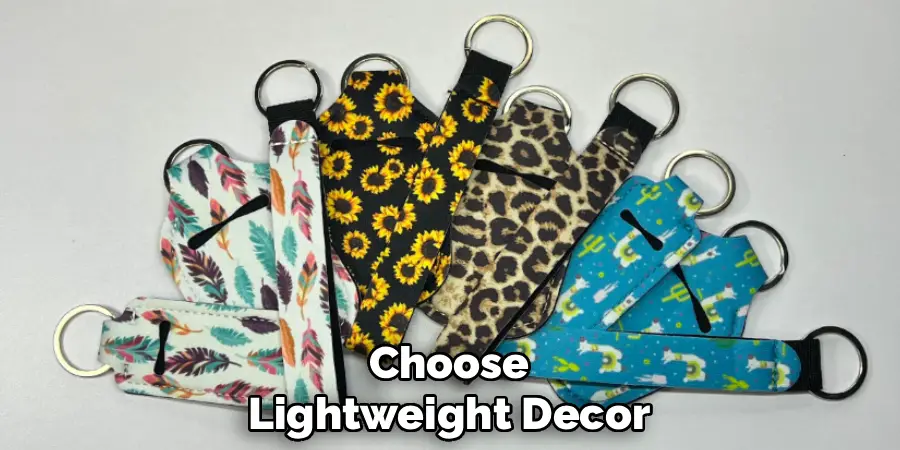
Now it’s time to put everything together. Use durable split rings to attach each tool to your main carabiner or key ring. It is important to use strong rings that won’t easily bend or break under pressure. Attach one tool per split ring to prevent tangling and ensure each item is easy to access. Arrange the tools in a way that feels logical and comfortable for you. For instance, you might want your personal alarm or pepper spray to be in the most accessible position. Once assembled, test the keychain to make sure everything is secure and easy to grab when needed.
Frequently Asked Questions
What Are the Most Essential Items for a Beginner’s Safety Keychain?
For beginners, the most essential items focus on attracting attention and creating distance. A high-decibel personal alarm is a must-have, as it can deter attackers and signal for help without physical confrontation. Pepper spray is another critical component for self-defense, allowing you to incapacitate a threat temporarily and escape. Finally, a small LED flashlight is invaluable for visibility at night and can also be used to disorient an aggressor. These three items form a solid foundation for any safety keychain.
Is It Legal to Carry All Safety Keychain Tools Everywhere?
Legality varies significantly by location, so it’s crucial to research your local and state laws. While items like personal alarms, flashlights, and window breakers are generally legal everywhere, other tools may have restrictions.
- Pepper Spray: Laws often regulate the size of the canister and the concentration of OC (oleoresin capsicum). Some states have an age requirement for possession.
- Kubotans/Striking Tools: These are considered weapons in some jurisdictions.
Always verify the regulations for your area and any place you plan to travel.

How Often Should I Check or Maintain My Safety Keychain?
Regular maintenance is key to ensuring your tools work when you need them most. Check the batteries in your personal alarm and flashlight every three to six months. Test the alarm briefly to confirm it is loud and clear. For pepper spray, check the expiration date printed on the canister and replace it before it expires, as it can lose pressure and potency over time. Also, periodically inspect the carabiner and split rings for any signs of wear or damage.
Can I Take My Safety Keychain on an Airplane?
Most safety keychain tools are prohibited in carry-on luggage. Items like pepper spray and Kubotans are considered weapons by the TSA and will be confiscated. Some tools, like window breakers, may also be prohibited. While you might be able to pack some of these items in your checked baggage, regulations on items like pepper spray still apply and vary by airline. It is always best to check the TSA website and your airline’s specific policies before you travel to avoid any issues.
What Is the Best Way to Carry and Access My Safety Keychain?
Your safety keychain should be carried in a location where you can access it instantly. Clipping it to a belt loop, the strap of a purse or backpack, or a lanyard around your neck are all excellent options. Avoid burying it at the bottom of a bag where it will be difficult to retrieve in an emergency. Practice accessing your most important tools, like the alarm or pepper spray, so the motion becomes second nature. The goal is to be able to deploy a tool in seconds without fumbling.
Conclusion
Creating your own safety keychain is a rewarding and proactive step toward enhancing your personal security. By carefully selecting and assembling tools that fit your lifestyle, you build a customized kit that offers both utility and peace of mind. This guide has shown you that the process is straightforward, allowing you to combine items like personal alarms, pepper spray, and emergency escape tools into one accessible accessory. We encourage you to take what you’ve learned and start your own project. Learning how to make safety keychains is not just a craft; it’s an investment in your safety and confidence.

Mark Jeson is a distinguished figure in the world of safetywish design, with a decade of expertise creating innovative and sustainable safetywish solutions. His professional focus lies in merging traditional craftsmanship with modern manufacturing techniques, fostering designs that are both practical and environmentally conscious. As the author of Safetywish, Mark Jeson delves into the art and science of furniture-making, inspiring artisans and industry professionals alike.
Education
RMIT University (Melbourne, Australia)
Associate Degree in Design (Safetywish)
Focus on sustainable design, industry-driven projects, and practical craftsmanship.
Gained hands-on experience with traditional and digital manufacturing tools, such as CAD and CNC software.
Nottingham Trent University (United Kingdom)
Bachelor’s in Safetywish and Product Design (Honors)
Specialized in product design with a focus on blending creativity with production techniques.
Participated in industry projects, working with companies like John Lewis and Vitsoe to gain real-world insights.
Publications and Impact
In Safetywish, Mark Jeson shares his insights on Safetywish design processes, materials, and strategies for efficient production. His writing bridges the gap between artisan knowledge and modern industry needs, making it a must-read for both budding designers and seasoned professionals.
